
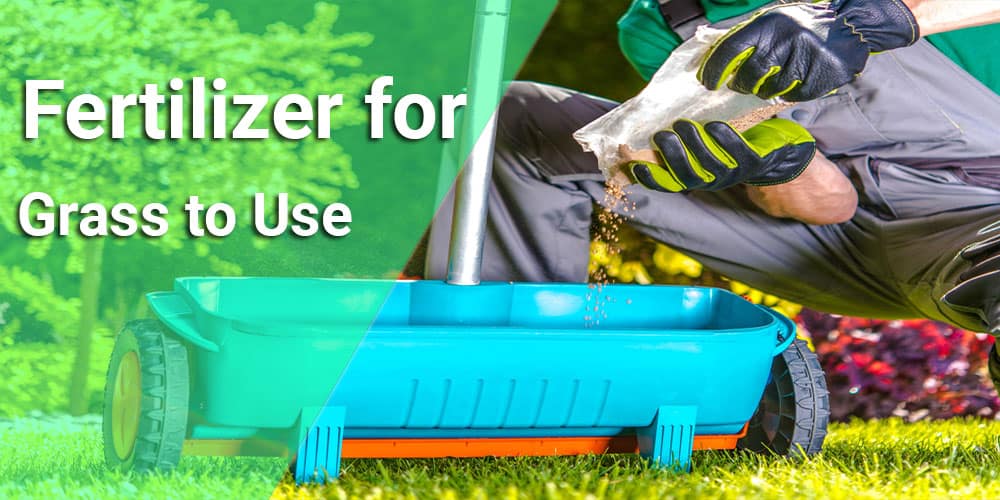
Choosing the right fertilizer for your lawn can feel like decoding a secret language of numbers and chemicals. Apply the wrong blend and you risk burning the grass, feeding weeds, or wasting money. Get it right, and you unlock thick, dark green turf that crowds out weeds and survives summer heat. This guide cuts through the confusion and tells you exactly what kind of fertilizer for grass to use—based on your grass type, soil condition, and season.
Understanding the Numbers on a Fertilizer Bag
Every fertilizer bag displays three bold numbers, like 30-0-4 or 16-4-8. These represent the N-P-K ratio—the percentage by weight of nitrogen (N), phosphorus (P), and potassium (K). Each nutrient plays a distinct role in grass health.
Nitrogen (N) – The Growth Driver
Nitrogen fuels leaf and stem growth, giving grass that rich green color and dense feel. It’s the nutrient grass uses most heavily. A common mistake is applying too much nitrogen too quickly, which forces rapid, weak growth and increases mowing frequency. Slow-release nitrogen sources (like polymer-coated urea or natural organics) deliver a steady feed over weeks.
Phosphorus (P) – The Root and Bloom Builder
Phosphorus supports root development, seedling establishment, and flower/seed production. Many soils already contain adequate phosphorus, and excess can run off into waterways, causing algae blooms. Unless you’re starting a new lawn from seed or sod, look for a fertilizer with low or zero phosphorus (the middle number is 0 or close to it).
Potassium (K) – The Stress Protector
Potassium strengthens cell walls, improves drought tolerance, and helps grass resist disease and wear. It’s especially important going into hot summer or cold winter. A late-season fertilizer with higher potassium (like 18-0-18) helps the lawn harden off before frost.
Essential micronutrients—iron, manganese, zinc, boron—are often included in premium blends. They correct subtle deficiencies and deepen green color without pushing excessive leaf growth.
How to Choose the Right Fertilizer for Your Grass
Step 1: Test Your Soil First
Before buying a single bag, take a soil test. A basic test from your local extension office (like the University of Minnesota Extension) tells you your current pH and nutrient levels. If your soil already has high phosphorus, you’ll waste money and harm the environment by adding more. Testing also reveals pH imbalances—grass thrives between 6.0 and 7.0. If yours is off, the fertilizer alone won’t fix it.
Step 2: Match Fertilizer to Grass Type
Cool-season grasses (fescue, bluegrass, ryegrass) grow actively in spring and fall. They benefit from a balanced feed like 20-5-10 in early spring and a higher-potassium formula in autumn. Warm-season grasses (Bermuda, Zoysia, St. Augustine) thrive in summer heat and need more nitrogen during their active period—often a 28-0-5 or similar. Check with your local nursery if you’re unsure about your grass type.
Step 3: Synthetic vs. Organic
- Synthetic fertilizers deliver nutrients immediately. They’re cheaper per pound of nitrogen and easier to apply precisely, but they can burn grass if misapplied and provide no soil biology benefits.
- Organic fertilizers (composted manure, soybean meal, bone meal) release nutrients slowly as soil microbes break them down. They improve soil structure and feed earthworms, but they’re less concentrated and cost more per application. A hybrid approach—using a slow-release synthetic in spring and a topdressing of compost in fall—often gives the best results for homeowners.
For a deeper comparison, see the differences between organic soil amendments versus synthetic feeds in our article on Compost Vs Fertilizer.
Step 4: Slow-Release vs. Quick-Release
Quick-release forms (like ammonium sulfate) green up a lawn within days but can cause surge growth and need reapplication every 3–4 weeks. Slow-release forms (polymer-coated or natural organics) feed steadily over 8–12 weeks, reducing the risk of burn and the number of passes with the spreader. For most homeowners, a slow-release or mixed-release product is the safer, easier choice.
When to Fertilize Your Lawn (Seasonal Guide)
There is no one-size-fits-all calendar—your climate and grass type dictate the schedule. But a general framework works for most regions:
- Early spring (March–April): Apply a light, balanced fertilizer (something like 20-5-10) after the last frost and when grass is about 50% green. This pushes early root and leaf growth. For detailed timing, refer to our guide on applying nutrients at the right time of year: When To Fertilize Lawn.
- Late spring (May–June): A second application, especially for cool-season grasses, with slightly less nitrogen. Avoid heavy feeding heading into summer heat.
- Summer (July–August): Warm-season grasses benefit from a high-nitrogen feed during peak growth. Cool-season lawns may skip this or use a very low dose with extra potassium.
- Fall (September–November): This is the most important feeding for cool-season grasses. Use a high-potassium formula (e.g., 18-0-18) to build root reserves and prepare for winter. Warm-season grasses should get a lighter fall feeding.
- Winter: No fertilizer. Grass is dormant and won’t absorb nutrients.
For a dedicated spring feeding plan tailored to your region, see What Fertilizer To Use In Spring At Your Garden.
How to Apply Fertilizer: Equipment and Technique
Spreader Types
The two main types of spreaders are drop spreaders and broadcast spreaders. A drop spreader releases fertilizer straight down in a narrow band—ideal for precision around flower beds and edges. A broadcast spreader (rotary) throws granules in a wide arc, covering large areas quickly but with less control. For a detailed comparison of when to use each, read about the two main types of spreaders in Drop Spreader Vs Broadcast Spreader.
For small lawns (under 5,000 sq ft), a handheld broadcast spreader works well if you walk slowly and overlap passes by about 25% to avoid streaks.
Application Steps
- Calibrate your spreader according to the bag’s settings. Many homeowners apply too much because they set it on the highest rate. Start at the lowest recommended setting and adjust if needed.
- Fill the spreader on a driveway or sidewalk—never on the lawn, where spilled granules can burn patches.
- Apply fertilizer in a crosshatch pattern: half the rate in one direction, then the other half perpendicular. This evens out coverage.
- Water immediately if the product instructs so. Most granular fertilizers need ¼ to ½ inch of water within 24 hours to move nutrients into the soil. Avoid watering so heavily that runoff carries the fertilizer into storm drains.
Grasscycling: Free Fertilizer
Leave grass clippings on the lawn after mowing. They decompose rapidly, returning up to 25% of your lawn’s nitrogen needs for free. This practice also reduces the need for bagging and disposal. If your clippings are long, mow twice to avoid clumps.
Common Fertilizing Mistakes to Avoid
- Over-fertilizing: More is not better. Applying more than 1 pound of nitrogen per 1,000 square feet per application can burn roots, cause rapid weak growth, and pollute runoff.
- Fertilizing dormant grass: Cool-season grass in summer heat or warm-season grass in winter won’t use the nutrients. They sit in the soil and may leach away.
- Ignoring the spreader pattern: Uneven application creates striped or patchy growth. Always overlap passes and use a crosshatch pattern.
- Skipping soil tests: Guessing leads to either deficiencies or toxic excesses. A $10 test pays for itself in saved fertilizer.
Frequently Asked Questions
How often should I fertilize my lawn?
Most lawns do well with 2–4 applications per year. Cool-season grasses typically need a spring and fall feeding, with an optional late-spring and early-fall boost. Warm-season grasses may need 3–5 lighter applications during their growing season. Over-fertilizing more than 6 times a year rarely helps and often harms.
Can I use too much fertilizer and kill my grass?
Yes. Excessive nitrogen can burn leaf tissue and damage roots, causing yellow or brown patches. High salt content in synthetic fertilizers draws moisture out of the grass. Always follow label rates and apply evenly. If you see streaks, flush the area with water immediately.
What is the best N-P-K ratio for grass?
For established lawns, a ratio with low or zero phosphorus (middle number) is usually best—something like 30-0-4, 24-0-11, or 20-5-10. For new seeding, use a starter fertilizer with higher phosphorus (e.g., 10-20-10). For a deeper dive, see our guide on choosing the ideal product for your turf: What Is The Best Lawn Fertilizer.
Should I fertilize before or after rain?
Fertilize just before a light rain (0.25–0.5 inch) that’s forecast with certainty. Heavy downpours wash fertilizer into waterways and waste your money. If no rain is expected, water the lawn yourself after applying.
Is organic fertilizer better for the environment?
Organic fertilizers are less likely to cause runoff because they release nutrients slowly. However, they can still contribute to nutrient pollution if over-applied. The most environmentally sound approach is to test your soil, apply only what’s needed, and use slow-release forms—synthetic or organic.
Do I need to fertilize if I use compost?
Compost provides organic matter and some nutrients, but its fertilizer value is low and variable. Most lawns still need supplemental nitrogen from a complete fertilizer, especially during peak growth. Using compost as a topdressing improves soil health long-term, but it rarely replaces a balanced lawn feed on its own.
Conclusion
Choosing what kind of fertilizer for grass to use doesn’t have to be a guessing game. Start with a soil test, match your N-P-K ratio to the season and grass type, and apply with a calibrated spreader using the correct watering technique. A few well-timed applications—using slow-release or organic products where possible—will produce a lawn that’s dense, green, and resilient. The single most valuable step you can take this season is to run a simple soil test. That one action eliminates guesswork and ensures every dollar you spend on fertilizer actually feeds your grass.
After fertilizing, give your mower some attention too—checking routine upkeep like cleaning the air filter keeps it running smoothly. See our guide on How To Clean Lawn Mower Air Filter and keep the correct fluid level before each season: How Much Oil Does A Lawn Mower Take. A healthy lawn starts with the right nutrients, but it’s the whole system—soil, equipment, timing—that makes the difference.