
Dealing with a flat tire on your wheelbarrow at the worst possible moment is incredibly frustrating, especially when you're carrying a heavy load of soil or mulch. A faulty 13 inch wheelbarrow tire can turn a simple garden task into a wrestling match and a major setback. Ensuring your wheelbarrow is equipped with the right tire is key to smooth operation and preventing unnecessary strain on your back and arms.
Our research indicates that opting for the correct 13-inch tire can significantly impact wheelbarrow performance, from traction on uneven terrain to the ease of pushing. Choosing wisely means understanding the differences between pneumatic, solid, and flat-free options available for your common wheelbarrow models. We’ll break down what you need to know to make the best decision for your needs.
Why Your Wheelbarrow Needs a 13-Inch Tire Upgrade
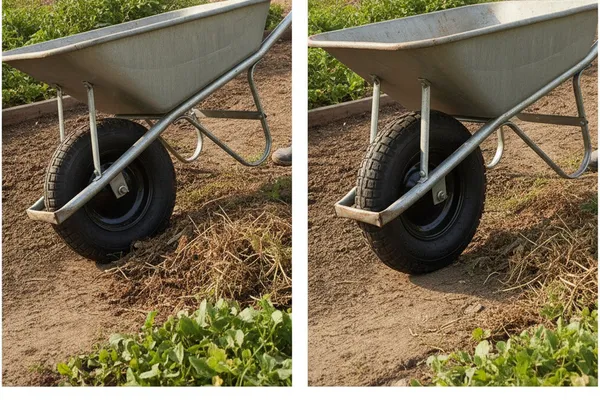
A worn-out or unsuitable wheelbarrow tire is more than just an inconvenience; it's a performance killer. The right 13-inch wheelbarrow tire provides the crucial contact point between your machine and the ground, directly affecting how easily you can move heavy loads and navigate your workspace. Think of it as the foundation for efficient hauling.
When a tire is too soft, cracked, or has a tread that's bald, every push requires significantly more effort. This can lead to back strain, fatigue, and even minor injuries. Upgrading to a quality 13-inch tire, whether pneumatic or solid, can transform your wheelbarrow from a difficult tool into a reliable workhorse.
The Pain of a Flat: Common Wheelbarrow Tire Problems
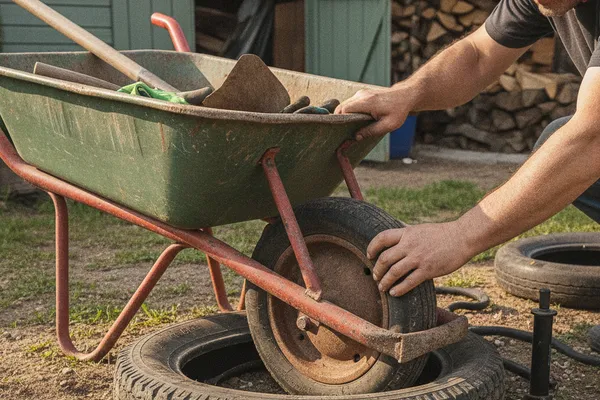
Few things halt a project faster than a flat tire. Punctures from sharp rocks, nails, or debris are the most common culprits, leaving you stranded mid-move with a tilted, heavy load. This isn't just annoying; it can mean a dangerous spill or damage to the wheelbarrow itself if it’s left at an awkward angle.
Beyond flats, pneumatic tires can suffer from slow leaks, requiring constant topping up of air pressure. Underinflation makes the wheelbarrow harder to push and can damage the tire's sidewall over time. Conversely, overinflated tires can lead to a rougher ride, less traction, and a higher risk of shock to the wheelbarrow's structure.
What Exactly IS a 13-Inch Wheelbarrow Tire?
A 13-inch wheelbarrow tire refers to the outer diameter of the tire itself, measured from one edge of the rubber to the opposite edge. This size is exceptionally common for many residential and light-duty commercial wheelbarrows. The "13 inch" measurement is critical because wheelbarrow wheels come in various rim diameters, and the tire must match this dimension for a proper fit.
The tire's diameter is a primary factor in how high the wheelbarrow sits off the ground, affecting its center of gravity and how easily it clears obstacles. It also influences the tire's ability to absorb bumps and distribute weight, making the choice of this specific dimension important for overall usability.
Pneumatic vs. Solid vs. Flat-Free: Knowing the Types
There are three main types of 13-inch wheelbarrow tires you'll encounter, each with distinct advantages and disadvantages. Understanding these differences is the first step to selecting the best option for your workload and terrain.
- Pneumatic Tires: These are air-filled tires, much like those on a bicycle or car. They offer the best shock absorption and smoothest ride, making them ideal for uneven ground. However, they are prone to flats.
- Solid Tires: Made entirely of rubber or a dense composite material, solid tires are puncture-proof. They provide incredible durability but can offer a much harsher ride and less traction on rough surfaces because they don't flex.
- Flat-Free Tires: These are often made from closed-cell foam or a rubber-urethane blend, designed to mimic the feel of a pneumatic tire without the risk of punctures. They require no inflation and offer a good compromise between the comfort of air-filled tires and the maintenance-free nature of solid ones. They can sometimes be heavier or offer a slightly different feel than traditional pneumatics.
Crucial Features of a 13-Inch Wheelbarrow Tire

Beyond the basic type, several key features define a tire's performance and suitability for your wheelbarrow. Paying attention to these specs can save you from purchasing the wrong replacement or choosing a tire that won't hold up under your typical use.
The tread pattern, for instance, dictates your wheelbarrow's grip. A knobby tread excels in mud or loose soil, while a smoother tread might be better for paved surfaces or fine gravel, offering less rolling resistance. Tire width also plays a role, with wider tires distributing weight better on soft ground, preventing the wheel from sinking too deeply.
Tread Patterns: Gripping What You Push
The design of the tire's surface, known as the tread pattern, is crucial for traction and how the tire interacts with various surfaces. For general yard work and gardening, a tire with a substantial knobby or lugged tread provides excellent grip in dirt, mud, and grass, preventing slippage when pushing uphill or over uneven ground. This kind of tread helps dig into softer materials for better purchase.
If your wheelbarrow primarily operates on harder surfaces like concrete driveways, gravel paths, or wooden decks, a tire with a less aggressive, perhaps diamond or ribbed pattern, might be more suitable. These patterns offer lower rolling resistance, meaning less effort is required to push the wheelbarrow, and they tend to wear more evenly on these harder materials.
Load Capacity and PSI: What the Numbers Mean
Every tire has a load capacity and recommended inflation pressure, usually indicated on the tire's sidewall. The load capacity tells you the maximum weight the tire can safely support. For a 13-inch wheelbarrow tire, you might see ratings anywhere from 300 to over 400 pounds, depending on the tire's construction and intended use. Always ensure the tire's rating meets or exceeds your typical hauling weight.
The Pounds per Square Inch (PSI) indicates how much air pressure the tire can hold. For pneumatic tires, this is usually a relatively low range, often between 20 and 30 PSI. Manufacturer specifications for your wheelbarrow will often suggest the optimal PSI for your specific model, balancing load-carrying ability with a comfortable ride and maneuverability. Over or underinflating can compromise performance and longevity.
Choosing the Right 13-Inch Tire for Your Job

The best 13-inch wheelbarrow tire for you really depends on how and where you use your wheelbarrow. Think about your typical tasks. Are you hauling compost across a bumpy lawn, or moving bricks on a gravel driveway? Each scenario benefits from different tire characteristics.
For instance, if your work involves navigating soft soil, mud, or uneven terrain regularly, a pneumatic tire with a deep, aggressive tread pattern is likely your best bet. This offers superior traction and shock absorption. If your tasks are primarily on hard, level surfaces, a solid or flat-free tire might offer less maintenance and consistent performance without the fear of punctures.
Best for Gardeners and Yard Work
Gardeners and homeowners often face a variety of terrains, from soft garden beds and muddy patches after rain to gravel paths and grassy areas. A 13-inch pneumatic tire shines in these conditions. Its ability to inflate allows it to conform to uneven surfaces, providing a smoother ride and better grip.
A pneumatic tire with a knobby or multi-lug tread pattern, like those found on some agricultural tires, will offer the best traction. This prevents the wheelbarrow from sinking too much in soft soil and helps maintain forward momentum when pushing uphill or through slightly boggy areas. Look for a ply rating (PR) of 4 or higher to ensure sufficient durability for loads of soil, compost, or landscaping materials.
Best for Construction and Heavy Loads
When you're moving heavy construction materials like bricks, concrete, or a full load of gravel, tire durability and puncture resistance become paramount. A solid or flat-free 13-inch wheelbarrow tire often proves more reliable in these demanding environments. The risk of a sharp object puncturing a pneumatic tire is much higher on construction sites.
Solid tires, while potentially offering a firmer ride, eliminate the worry of flats entirely. Many modern flat-free options use dense foam or a resilient rubber composite that provides adequate cushioning and excellent load-bearing capacity. These are frequently rated for higher weight capacities. Always check the tire’s load rating to ensure it can handle the weight of your typical project materials.
How to Measure and Select Your New 13-Inch Tire
Before you buy a replacement 13-inch wheelbarrow tire, you need to verify a few key dimensions beyond just the outer diameter. Simply grabbing any “13-inch” tire might lead to an improper fit, rendering it useless. The most critical measurement, besides the 13-inch outer diameter, is the rim diameter it’s designed to fit.
You also need to know the width of the tire and the size of the axle bore hole. This ensures the new tire will fit securely on your existing wheel assembly and that the wheel will mount correctly back onto the wheelbarrow's frame. Consulting your wheelbarrow’s owner's manual, if available, is the best way to confirm exact specifications.
- Outer Diameter: This is the nominal 13 inches.
- Rim Diameter: This is the diameter of the metal wheel the tire mounts onto. For a 13-inch tire, this is typically 8 inches.
- Tire Width: This is the approximate width of the inflated tire. Common widths are around 3 to 4 inches.
- Axle Bore Size: This is the diameter of the hole in the center of the wheel where the axle goes through. It could be 1/2 inch, 5/8 inch, or even 3/4 inch and may include bearings.
Replacing Your Wheelbarrow Tire: A Step-by-Step Guide
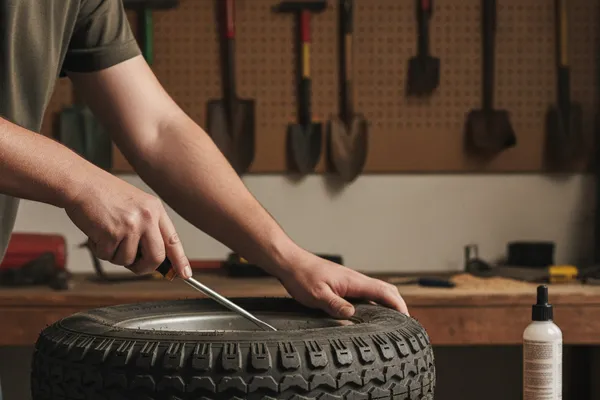
Swapping out a worn-out 13-inch wheelbarrow tire is a manageable DIY task that can save you money on professional repair or a whole new wheelbarrow. You’ll need a few basic tools, like a wrench or socket set to remove the wheel assembly, and possibly a sturdy tire lever or pry bar for stubborn tires.
Start by safely securing your wheelbarrow. You can prop it up on blocks to take the weight off the wheel you're working on. Then, carefully remove the wheel assembly from the frame. It usually involves loosening a nut or bolt on the axle.
Once the wheel is off, you can begin the process of removing the old tire and installing the new one.
- Step 1: Remove the Wheel Assembly: Use a wrench or socket to loosen and remove the nut or bolt securing the wheel to the wheelbarrow frame. Slide the wheel off the axle.
- Step 2: Deflate and Remove Old Tire (for Pneumatic): If it's a pneumatic tire, ensure all air is released by pressing the valve stem. Then, use tire levers or a sturdy pry bar to carefully work the tire bead off the rim.
- Step 3: Install New Tire: If you have a flat-free or solid tire, it might be a simpler slip-on process. For pneumatic, ensure the inner tube is properly seated inside the new tire before working the tire onto the rim. Make sure the tire's rotation direction (if marked) is correct.
- Step 4: Reassemble: Reinstall the wheel onto the axle, ensuring any bearings are properly seated. Secure it with the nut or bolt, tightening it firmly but not so much that it binds the wheel's rotation.
- Step 5: Inflate and Test: If you installed a pneumatic tire, inflate it to the recommended PSI. Spin the wheel to ensure it rotates freely and without wobble.
Common Pitfalls When Buying and Installing Tires
Even with a simple task like replacing a 13-inch wheelbarrow tire, there are a few common mistakes that can lead to frustration. One of the most frequent errors is not checking the axle bore size or the bearing type. You might get the right outer diameter tire, but if the center hole doesn't match your axle, it won't fit.
Another mistake is assuming all "flat-free" tires are created equal. Some are much more durable and provide better cushioning than others. Reading reviews can help distinguish between flimsy foam inserts and more robust composite materials. For pneumatic tires, forgetting to check the ply rating (PR) can lead to buying a tire that's too thin for heavy landscaping or construction loads, increasing the risk of premature failure.