
If your wheelbarrow is struggling to move, tipping over unexpectedly, or just feels like a chore to push, the culprit might be right under your nose, or rather, under your wheelbarrow. Upgrading to a proper 15 inch wheelbarrow tire can dramatically change your experience, turning frustrating hauling into a smooth operation. This size offers a fantastic balance for many common wheelbarrow tasks, providing stability and tackling rough terrain with ease.
Manufacturer specifications often highlight load capacities and recommended tire pressures that are optimized for this specific tire diameter. For instance, many garden and landscape wheelbarrows designed for heavier loads or uneven ground will come equipped with 15-inch tires as a standard. This size gives you a solid foundation for hauling everything from soil and mulch to rocks and debris.
Why Your Wheelbarrow Needs a 15-Inch Tire

Understanding Your 15-Inch Wheelbarrow Tire: What You Need to Know
A 15-inch wheelbarrow tire is more than just a rubber circle; it’s a critical component that dictates how well your wheelbarrow performs. Its diameter significantly impacts how easily it rolls over obstacles like roots, gravel, and uneven ground. A larger diameter generally means less effort is required to keep it moving, as it can more readily climb over imperfections rather than sinking into them.
This size strikes a sweet spot, offering the benefits of a larger tire without making the wheelbarrow unwieldy. Many professional landscapers and serious DIYers prefer this size because it handles a significant load while remaining manageable. When choosing, understanding the basic types, materials, and specifications will ensure you get the right fit for your specific needs.
Pneumatic vs. Solid vs. Semi-Pneumatic Tires
The type of tire you choose greatly influences ride quality and maintenance. Pneumatic tires are filled with air, offering excellent shock absorption and a smoother ride, which is ideal for uneven terrain. However, they are susceptible to flats. Solid tires, made entirely of rubber or a similar dense material, are puncture-proof and require no maintenance, but they offer a much harsher ride and can be heavier.
Semi-pneumatic tires are a hybrid, often featuring foam filling or a specialized construction that provides some cushioning without the risk of traditional flats.
Key Features: Tire Diameter, Ply Rating, and Tread Patterns
The 15-inch diameter is your starting point, but other features matter just as much. The ply rating indicates the tire's strength and load-carrying capacity; higher ply ratings (like 4-ply or 6-ply) mean a tougher tire that can handle heavier loads without deforming. Tread patterns vary significantly: a knobby or aggressive tread offers superior grip on soft or loose surfaces like mud and sand, while a smoother, less aggressive tread is better for hard, even surfaces and can sometimes roll a bit easier.
How to Read Tire Markings: PSI, Size, and Load Capacity
Understanding the markings on a tire is crucial. You’ll typically see the size, like "4.00-6" or "15×6.00-6", where the first number denotes the approximate diameter. The PSI (pounds per square inch) indicates the recommended air pressure for optimal performance and load-bearing; over- or under-inflating can lead to poor handling and premature wear. The load capacity, often listed separately or implied by the ply rating and size, tells you the maximum weight the tire can safely support, usually in pounds.
Common Problems with Wheelbarrow Tires (And How a 15-Inch Fixes Them)

When Do You Need to Replace Your Wheelbarrow Tire?
Tires don't last forever, and knowing when it's time for a change can save you a lot of hassle. A worn-out tire can make your wheelbarrow unstable, harder to steer, and less efficient, turning a simple task into a strenuous workout. Ignoring the signs of wear can lead to more significant problems, like a complete tire failure or damage to the wheel rim itself.
Regular inspection is key. Keep an eye out for obvious signs of damage, and pay attention to how the wheelbarrow feels when you're using it. Replacing a tire is generally a straightforward process, much less expensive than buying a whole new wheelbarrow.
Signs Your Current Tire is Worn Out
Several indicators signal that your wheelbarrow tire needs replacing. Deep cracks in the sidewall, especially if they’re spreading or exposing the internal structure, are a clear sign of aging and weakening. If the tread is completely worn down, providing little to no grip, it’s time for an upgrade. You might also notice visible bulges or deformities in the tire's shape, which can be dangerous and indicate an impending blowout.
Is It Just the Tire, or the Whole Wheel?
Sometimes, the issue isn't just the rubber but the entire wheel assembly. If the rim itself is bent, rusted through, or the bearings are shot, you might need to replace the whole wheel. A bent rim can cause the tire to sit unevenly, leading to poor performance and premature wear, even on a new tire. If the wheel wobbles excessively or is difficult to spin even when properly inflated, it's probably time for a complete wheel replacement, which often includes a new tire.
How to Choose the Right 15-Inch Tire for Your Wheelbarrow

Selecting the correct 15-inch tire is crucial for optimal performance and safety. While the 15-inch diameter is a great starting point, there are other specifications to consider to ensure compatibility and suitability for your specific wheelbarrow and typical use. Getting these details right prevents compatibility issues and maximizes the benefits you gain from the upgrade.
Matching Tire Size to Your Wheelbarrow Rim
The "15 inch" refers to the tire's outer diameter, but the critical measurement for compatibility is the rim diameter the tire is designed to fit. This is often indicated in the tire's size marking, for example, a "15×6.00-6" tire fits a 6-inch diameter rim. Always check the size of your current wheelbarrow rim or consult your wheelbarrow’s manual. Installing a tire on the wrong size rim will prevent it from seating correctly, compromising safety and function.
Considering Load Capacity for Your Needs
Your wheelbarrow's intended use dictates the load capacity you need. Light-duty garden tasks might be fine with a standard 4-ply tire, but if you regularly haul heavy materials like gravel, soil, or construction debris, you'll want a tire with a higher ply rating, such as a 6-ply or even an 8-ply tire. Manufacturer specifications on the wheelbarrow itself will often give you a maximum load rating, and you should ensure your chosen tire’s capacity meets or exceeds this.
Tread Pattern for Your Typical Terrain
The terrain you most often work on should guide your tread pattern choice. For general yard work on grass, dirt paths, and occasional rough patches, a multi-purpose tread with moderate lugs will provide good all-around traction and stability. If you frequently work on soft, muddy ground or sandy areas, an aggressive, deep-lugged tread will offer superior grip, preventing your wheelbarrow from getting bogged down. Conversely, for predominantly hard surfaces like concrete patios or paved driveways, a smoother tread might roll more easily.
Finding the Best 15-Inch Wheelbarrow Tires: Top Considerations
When you're out shopping for a new 15-inch wheelbarrow tire, it's easy to get overwhelmed by choices. You'll notice brands like Gorilla Carts, True Temper, and Ames Companies often appearing, each offering various tire specifications. Beyond brand, focus on the tire's construction and how it aligns with your wheelbarrow and workload.
Make sure you’re not just buying "a" 15-inch tire, but the right 15-inch tire. This means digging into the ply rating, tread style, and checking how it integrates with your existing wheel or rim, if you're not replacing that too. Our research indicates that prioritizing these details upfront prevents common frustrations down the line.
Replacing Your 15-Inch Wheelbarrow Tire: A Simple Guide
Replacing a wheelbarrow tire is usually a straightforward task that most people can tackle without special tools. The process generally involves removing the wheel from thebarrow, deflating the old tire (if pneumatic), prying off the old tire, seating the new one, and then inflating it to the correct pressure. Having a few basic items on hand can make the job much smoother.
This is a great DIY project that can significantly extend the life of your wheelbarrow. It's far more economical than buying a new wheelbarrow and can be done in less than an hour. With a little patience, you'll have your wheelbarrow rolling smoothly again.
Steps to Remove the Old Tire
First, you'll need to detach the wheel from the wheelbarrow frame. This typically involves loosening or removing a nut or cotter pin securing the wheel to the axle. Once the wheel is free, you can lay it on a flat, stable surface. If it’s a pneumatic tire, deflate it completely by pressing the valve stem.
Then, use tire levers or a sturdy flathead screwdriver to carefully pry one side of the tire bead off the rim. Work your way around, and then remove the other side.
Installing Your New 15-Inch Tire
With the old tire off, inspect the rim for any damage or debris. If your new tire requires an inner tube, install that now, making sure it’s not twisted. Then, start by seating one bead of the new tire onto the rim. Work the second bead onto the rim, using tire levers if necessary.
For stubborn tires, applying a bit of soapy water to the bead can help it slide into place.
Proper Inflation Techniques
Once the tire is fully seated on the rim, it’s time to inflate it. Check the tire sidewall or your wheelbarrow's documentation for the recommended PSI range. Use a reliable tire pressure gauge to ensure you don't over- or under-inflate. For pneumatic tires, aim for the middle of the recommended range for optimal cushioning and load support.
Ensure the valve stem is straight and the tire bead is evenly seated all around the rim before reaching full pressure.
Real-World Uses for 15-Inch Wheelbarrow Tires

These tires aren't just for garden chores; their robust size and stability make them incredibly versatile across various demanding tasks. Their ability to handle weight and navigate challenging surfaces means they’re a workhorse in many different environments. Thinking about where you use your wheelbarrow most can help you appreciate the advantages of this specific tire size.
Perfect for Gardeners and Landscapers
For anyone managing a garden or involved in professional landscaping, a 15-inch wheelbarrow tire is often a go-to choice. Hauling heavy bags of soil, mulch, compost, or even landscaping rocks becomes significantly easier. The larger tire diameter helps prevent sinking into softer garden beds or muddy patches after rain, reducing the effort needed to move materials across lawns and uneven terrain.
Reliable for Construction Sites
Construction sites are notorious for their rough surfaces, from loose gravel and dirt to uneven construction debris. A sturdy 15-inch tire, especially one with a higher ply rating and aggressive tread, can handle this environment well. It provides the necessary support for materials like cement mix, bricks, and demolition waste, while its size helps it roll over obstacles rather than getting stuck. This reliability minimizes downtime and frustration on busy job sites.
Common Mistakes When Buying Wheelbarrow Tires
Even with a good understanding of what you need, it's still possible to make missteps when buying replacement tires. One of the most frequent errors is not checking the rim size. Remember, "15 inch" refers to the tire's overall diameter, not the diameter of the rim it fits onto. A tire with the correct outer diameter but the wrong rim size won't mount properly and could be dangerous.
Another pitfall is neglecting the ply rating. A low ply rating tire might seem like a bargain, but it won't withstand heavy loads or rugged use, leading to premature failure. Conversely, if you only ever haul light materials, an unnecessarily high-ply tire can add weight without providing a significant benefit.
Estimated Costs for 15-Inch Wheelbarrow Tires
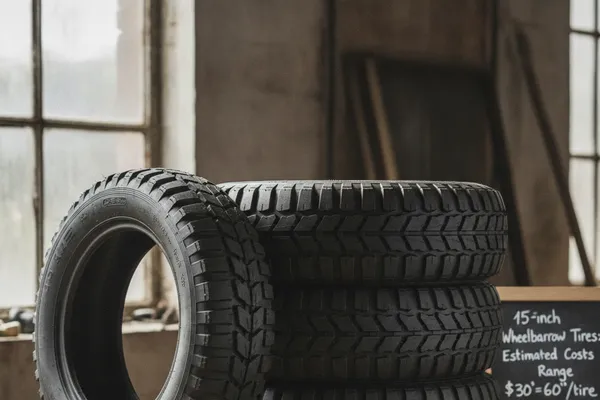
The price for a 15-inch wheelbarrow tire can vary quite a bit depending on the brand, type, and quality. Generally, you can expect to pay anywhere from $20 to $60 for a decent tire. Solid tires tend to be at the higher end of this range because they are more durable and require less maintenance.
Pneumatic tires are often more affordable, typically falling between $20 and $40. If the tire comes already mounted on a rim, the price will naturally be higher, often ranging from $30 to $80 or more. Looking at aggregate user feedback from sites like Amazon and consumer forums, most buyers report satisfaction with tires in the $25-$50 range for typical home use.
Expert Tips for Maximizing Tire Life
To get the most out of your new 15-inch wheelbarrow tire, a little ongoing care goes a long way. Proper inflation is paramount; consistent checks will prevent uneven wear and potential blowouts. Refer to the manufacturer's recommended PSI, usually found on the tire sidewall, and adjust as needed, especially with significant temperature changes.
Regularly inspect your tires for any embedded objects like nails or glass, and remove them promptly before they can cause damage. If you notice a slow leak, address it immediately rather than continuing to use an underinflated tire. Cleaning off caked-on mud or debris can also help prevent material from weakening the rubber over time.
Frequently Asked Questions About 15-Inch Wheelbarrow Tires
How long does a 15-inch wheelbarrow tire typically last?
The lifespan of a 15-inch wheelbarrow tire depends heavily on usage and maintenance. With proper inflation and regular inspections, a quality pneumatic tire can last several years under normal home use. Solid tires, being puncture-proof, will last much longer, often outliving the wheelbarrow itself, but their lifespan is still dictated by wear and tear from consistent heavy use.
Can I put a 15-inch tire on a wheelbarrow that originally had a different size?
While technically possible, it's generally not recommended to deviate significantly from the original tire size specified by the wheelbarrow manufacturer. Changing the tire diameter can alter the wheelbarrow's balance, stability, and how it handles loads. If you do need to change the size, it’s best to consult your wheelbarrow’s manual or the manufacturer for guidance, as it might require changing the rim or even modifying the frame.