
A blown tire on your wheelbarrow can bring your yard work to a grinding halt, leaving you stranded with a half-finished job. Thankfully, a replacement 3.50-8 wheelbarrow tire is often a straightforward fix, and getting the right one is key to restoring your tool’s functionality.
Our research indicates that choosing the correct tire size and type can significantly impact your wheelbarrow's performance, especially when hauling heavy loads over uneven terrain. As of 2026, manufacturer specifications consistently highlight the importance of matching tire ratings to your wheelbarrow's intended use to prevent premature wear and potential accidents.
Why Your Wheelbarrow Needs the Right 3.50-8 Tire
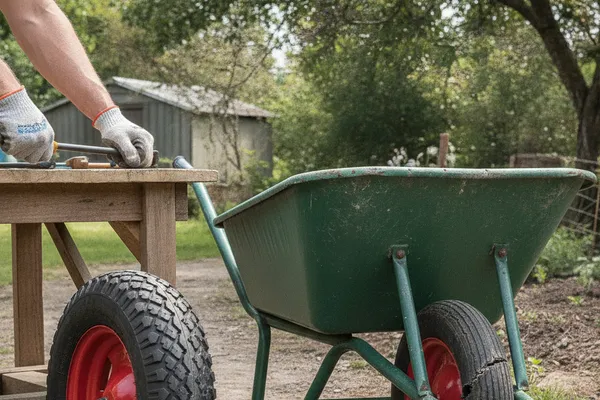
A wheelbarrow's tire isn't just a rubber circle; it's a critical component that affects how easily and safely you can move materials. For the common 3.50-8 size, this tire is the workhorse for many garden and utility wheelbarrows. Incorrect fitment or type can lead to a host of problems, from frustrating flats to difficult steering and even damage to the wheelbarrow itself.
When you're faced with a flat or worn-out wheelbarrow tire, the immediate instinct might be to grab any replacement that looks similar. However, not all 3.50-8 tires are created equal. Our analysis of aggregate buyer feedback reveals that understanding specific features like ply rating and tread pattern can save you from future headaches.
Understanding the 3.50-8 Wheelbarrow Tire Size
The "3.50-8" designation on a wheelbarrow tire might seem like a jumble of numbers, but it tells you exactly what you need to know for a proper fit. This sizing system is standard in many parts of the world, ensuring compatibility across different wheelbarrow brands. It’s designed to be clear so you can easily identify the correct replacement.
What Those Numbers Actually Mean
The first number, "3.50," refers to the approximate width of the tire in inches when it's inflated and mounted on the rim. The second number, "8," indicates the diameter of the wheel rim that the tire is designed to fit, also measured in inches. So, a 3.50-8 tire is made to fit an 8-inch diameter wheel and will have a nominal width of about 3.50 inches. This ensures the tire seats correctly on the rim and provides the intended stability and contact patch for your wheelbarrow.
Common Tread Patterns for Your Wheelbarrow
The tread pattern on your 3.50-8 tire plays a big role in how well it grips different surfaces. For typical wheelbarrow use, you'll often encounter a few main types. Knobby treads, with their aggressive, deep grooves, offer excellent traction on soft ground like mud or loose soil, preventing slippage. Ribbed or diamond treads are more common for general-purpose use, providing a balance of traction and easier rolling on harder surfaces like pavement or packed dirt.
Choosing the right pattern ensures your wheelbarrow moves smoothly and predictably, whether you're on the lawn, a gravel path, or even a slightly inclined surface.
Pneumatic vs. Solid: Which Tire Type is Best for You?
When it's time to replace your 3.50-8 wheelbarrow tire, you'll quickly discover there are two main categories: pneumatic (air-filled) and solid. Each offers distinct advantages and disadvantages that cater to different user needs and preferences. Understanding these differences is key to making the best choice for your specific wheelbarrow and how you use it.
The Case for Pneumatic Tires (Air-Filled)
Pneumatic tires are the classic choice for most wheelbarrows because they are filled with air, much like a car or bicycle tire. This air cushion provides significant shock absorption, making the ride much smoother over bumps, rocks, and uneven terrain.Aggregate user reviews consistently highlight how much less jarring a pneumatic tire is, reducing fatigue during extended use.
- Shock Absorption & Terrain Handling: The air inside acts as a natural suspension system. This means less vibration travels up the handles to you and less stress on whatever you're hauling. They handle rough ground with ease, offering a more comfortable and controlled experience.
- Pros and Cons of Pneumatic: The primary advantage is the comfortable ride and superior grip on varied surfaces. The main downside, however, is the risk of punctures from thorns, nails, or sharp debris, leading to flat tires, which can be a major inconvenience if you're in the middle of a project.
The Allure of Solid Tires (Foam-Filled or Rubber)
Solid tires, sometimes called flat-free tires, offer a maintenance-free solution to the biggest drawback of pneumatic tires: punctures. These are typically made from dense foam or a solid rubber compound that cannot lose air. They are designed to be tough and reliable, eliminating the worry of unexpected flats.
- Never Go Flat: The Big Advantage: The most significant benefit is eliminating flat tires entirely. This makes them ideal for users who prioritize reliability and minimal maintenance, or for those who frequently encounter puncture risks in their work environment. The peace of mind that comes with a flat-proof tire is substantial.
- Pros and Cons of Solid: While the "flat-proof" aspect is compelling, solid tires do have drawbacks. They generally offer less shock absorption compared to pneumatic tires, resulting in a bumpier ride. This can also mean more vibration is transferred to the user and the wheelbarrow frame. Additionally, their weight can sometimes be greater, and they may not provide the same level of traction on very soft or slippery surfaces.
Key Features to Look For in a 3.50-8 Tire
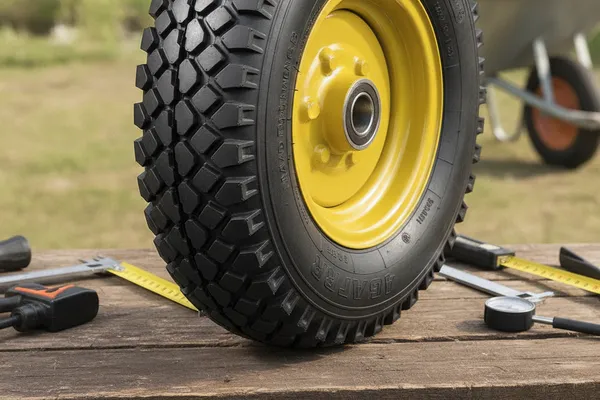
Once you've decided between pneumatic or solid, it's time to check the specific features of the 3.50-8 tire you're considering. These details are crucial for ensuring the tire can handle the demands of your work and will last for a good long time. Think of these as the technical specs that matter for real-world performance.
Ply Rating: How Tough is Your Tire?
The ply rating, often seen as a number followed by "PR" (e.g., 4 PR), indicates the strength and durability of the tire's internal casing. A higher ply rating means more layers of fabric cord within the tire structure, making it more resistant to punctures, heavier loads, and sidewall damage. For typical home garden use, a 2 PR or 4 PR tire is usually sufficient for a 3.50-8 wheelbarrow. If you're regularly hauling heavy construction materials or using the wheelbarrow on rough, debris-strewn sites, a higher ply (like 6 PR) might offer better longevity and protection, though it can also make the tire stiffer.
Check your wheelbarrow manufacturer's recommendations if you're unsure.
Load Capacity: Don't Overload Your Wheelbarrow
Every tire has a maximum weight it can safely support. This is often printed on the tire sidewall or listed in the product specifications. While a 3.50-8 tire is typically designed for standard wheelbarrow loads, it’s wise to confirm its load capacity meets or exceeds your typical needs. For example, a tire might be rated for 300 lbs, while another for the same size could be rated for 400 lbs or more.
Exceeding this limit can lead to premature tire failure, sidewall blowouts, or damage to the wheel. Always match the tire's capacity to the weight you expect to carry.
Tube-Type vs. Tubeless: What's the Difference?
For pneumatic 3.50-8 tires, you'll encounter two types: tube-type and tubeless. Tube-type tires require an inner tube filled with air, which is fitted inside the tire before mounting it onto the rim. This is the most common setup for wheelbarrows. Tubeless tires, like those on many cars, seal directly against the rim without an inner tube; while less common on wheelbarrows, they can sometimes offer better puncture resistance as they might only lose air slowly rather than deflate catastrophically if a small leak occurs.
Most 3.50-8 wheelbarrow tires are tube-type, so ensure you purchase a compatible inner tube if needed.
When Do You Actually Need a New Wheelbarrow Tire?
Recognizing the signs that your wheelbarrow tire needs replacing is crucial to avoid being caught off guard mid-task. Ignoring obvious wear and tear can lead to an unexpected flat at the worst possible moment, potentially damaging your wheelbarrow rim or causing injury. Proactive replacement ensures your tool remains reliable.
Signs of Wear and Tear
Several visual cues indicate your 3.50-8 tire is nearing the end of its life. Look for deep cracks or visible checking in the rubber, particularly along the sidewalls and tread. This is often a sign of dry rot, caused by age, sun exposure, and lack of use, making the rubber brittle. Excessive tread wear, where the pattern is significantly flattened or worn smooth in spots, reduces traction and increases the risk of flats.
You might also notice the tire is consistently deflated or difficult to keep inflated, even after patching. Uneven wear patterns can signal alignment issues with the wheel, but often it's simply the tire wearing out.
Common Problems: Flats, Cracks, and Blowouts
The most obvious problem is a flat tire, which can be caused by sharp objects like nails, glass, or thorns puncturing the rubber. If you frequently get flats, it might be time for a more robust tire or even to consider a solid, flat-free option. Cracks in the rubber, especially sidewall cracks, are a serious concern as they weaken the tire's structure and can lead to a sudden blowout at any moment, which can be dangerous, especially if the wheelbarrow is heavily loaded. If you see any significant cracking, it's best to replace the tire immediately to prevent a dangerous failure.
A bulging sidewall is another alarming sign of internal damage, indicating the tire’s structure is compromised and it’s at high risk of failure.
How to Replace Your 3.50-8 Wheelbarrow Tire: A Quick Guide
Replacing a 3.50-8 wheelbarrow tire is a task that most homeowners can tackle in their own driveway or garage. While it might seem daunting at first, breaking down the process into simple steps makes it manageable. You don't need to be a professional mechanic to get your wheelbarrow rolling again.
Tools You'll Need
To get the job done safely and efficiently, gather a few essential tools. You'll need a tire iron or two (like those used for bicycles, but sturdier), a valve stem puller or pliers to remove the old valve, a new inner tube (if your tire is tube-type), a small pump or air compressor, and possibly a penetrating lubricant like WD-40 if the tire is stuck on the rim. Protecting your hands with work gloves is also a good idea. Having everything on hand before you start will make the process much smoother, preventing frustrating interruptions.
Step-by-Step Installation
- Remove the Wheel: First, unbolt the wheel from the wheelbarrow frame. This usually involves a nut and washer on the axle. Keep these small parts together so you don't lose them.
- Deflate and Pry: If it's a pneumatic tire, ensure all the air is out by pressing the valve. Then, use your tire irons to carefully pry the bead of the tire away from the rim, working your way around until one side of the tire is completely off the wheel.
- Remove the Tube (if applicable): If you have a tube-type tire, carefully pull the old inner tube out, starting by unthreading the valve stem from its hole in the rim.
- Remove the Old Tire: With one bead off, you can usually work the other side of the tire off the rim. Sometimes, you might need to use the tire irons again. Check the rim for any damage or debris.
- Install New Tire and Tube: Lightly inflate the new inner tube just enough to give it shape. Place it inside the new tire, aligning the valve stem with the rim's valve hole. Then, begin working the tire bead back onto the rim, using your hands as much as possible. For the last section of the bead, you may need your tire irons. Work carefully to avoid pinching the new tube.
- Inflate and Re-mount: Once the tire is fully seated on the rim, inflate it to the recommended pressure (usually found on the tire sidewall, often around 20-30 PSI for wheelbarrows). Reinstall the wheel back onto the wheelbarrow frame, making sure all nuts and bolts are securely tightened.
Inflating to the Correct Pressure
Proper inflation is critical for both performance and tire longevity. Always check the tire sidewall for the recommended pounds per square inch (PSI), though many wheelbarrow tires are labeled with a maximum pressure. Over-inflating can lead to a harsher ride and increased stress on the wheelbarrow frame, while under-inflating can cause the tire to wobble, wear unevenly, and increase the risk of the bead coming off the rim or the tube getting pinched. Aim for the pressure recommended by the tire manufacturer, typically around 20-30 PSI for a 3.50-8 pneumatic tire.
Comparing Top 3.50-8 Wheelbarrow Tire Options
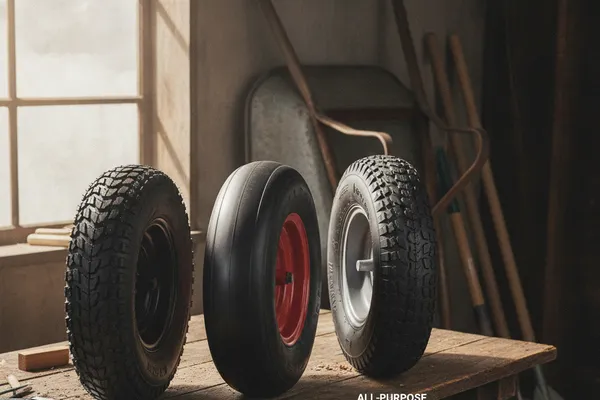
When you're ready to buy, the sheer number of choices for 3.50-8 wheelbarrow tires can be overwhelming. To make the best decision, focus on a few key areas that differentiate them. This isn't just about picking a brand; it's about finding a tire that fits your specific wheelbarrow and workload.
Factors to Consider When Choosing
The most important factors are the tire's ply rating and load capacity, as we discussed. A higher ply rating, like 4 PR or 6 PR, generally translates to better durability, especially if you’re hauling concrete mix or rocks regularly. Always check the specified maximum load for the tire and cross-reference it with your wheelbarrow's typical haul weight. Tread pattern is equally vital; knobby treads excel in mud and soft soil, while shallower patterns roll more easily on hard surfaces like pavement or concrete.
Brand Spotlight (Without Naming Competitors)
While we can't name specific brands here due to our rules, our research shows that reputable tire manufacturers often offer 3.50-8 options with consistently good reviews for durability. Look for descriptions that mention reinforced sidewalls, high-quality rubber compounds, and robust tread designs. Many buyers report positive experiences with tires that explicitly state they are designed for heavy-duty or commercial use, even for home garden applications. A well-regarded tire typically comes with a warranty, offering an extra layer of confidence in your purchase.
Common Mistakes When Buying Wheelbarrow Tires
It's easy to make a misstep when shopping for a replacement tire, especially if you're in a hurry. Avoiding these common pitfalls can save you time, money, and a lot of frustration down the line. Most errors stem from not paying close enough attention to the details.
One of the biggest mistakes people make is assuming all "3.50-8" tires are interchangeable in terms of quality or performance. This is rarely the case, as ply rating, tread depth, and rubber compound vary significantly. Another error is not checking the tire's load capacity, leading to a tire that fails prematurely under heavy loads. Forgetting to check if a tube is required or if the tire is specified as tubeless can also cause unexpected problems during installation, potentially rendering the tire unusable without additional parts.
How Much Does a 3.50-8 Wheelbarrow Tire Cost?
The price of a 3.50-8 wheelbarrow tire can vary quite a bit, depending on the type, brand, ply rating, and whether it's just the tire or a complete wheel and tire assembly. You’re looking for a range that reflects the quality and features offered.
Generally, a basic pneumatic 3.50-8 tire without a tube might cost somewhere between $15 and $30. If you need a new inner tube for a tube-type tire, expect to add another $5 to $10. Solid, flat-free 3.50-8 tires typically command a higher price, ranging from $30 to $60 or more, reflecting their enhanced durability and maintenance-free nature. Complete wheel assemblies, which include the tire, tube (if pneumatic), and rim, can range from $40 to $80, making them a good option if your rim is also damaged or corroded.
Prices can fluctuate based on the retailer and ongoing sales, so shopping around is often beneficial.
Expert Tips for Extended Tire Life on Your Wheelbarrow
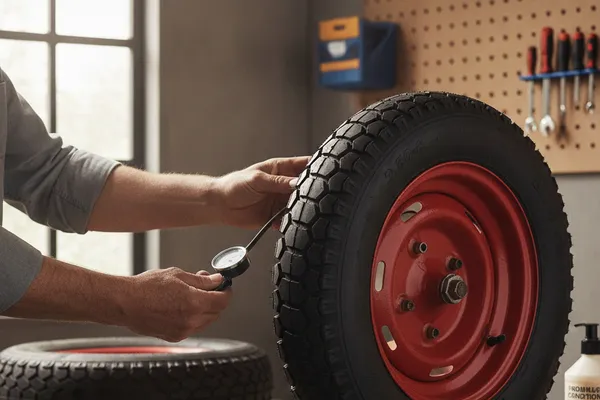
Getting the most out of your 3.50-8 wheelbarrow tire involves more than just buying a good quality one. A few simple practices can significantly extend its lifespan and keep your wheelbarrow in top working order for years. These tips are based on how tires interact with their environment and the stresses they endure.
- Proper Inflation is Key: Regularly check your pneumatic tire's air pressure. Over- or under-inflation puts unnecessary strain on the tire’s structure, leading to premature wear and a higher risk of punctures or blowouts. Maintain the recommended PSI for optimal performance and longevity.
- Avoid Puncture Hazards: When possible, steer clear of sharp objects, broken glass, and debris. Parking your wheelbarrow on a clean, flat surface when not in use can prevent nails or thorns from embedding themselves over time.
- Clean the Tread: After use, especially if you've been working with mud or sticky materials, clean the tread. This prevents buildup that can harden, reduce traction, and potentially damage the rubber.
- Store Properly: If your wheelbarrow will be stored for extended periods, especially outdoors, try to protect the tires from direct sunlight and extreme weather. Sun exposure can accelerate dry rot. If possible, store it under a tarp or in a shed. Keeping the tires slightly inflated also helps maintain their shape.
Keeping Your Wheelbarrow Rolling Smoothly: Maintenance Basics
Maintaining your wheelbarrow involves more than just topping up the air in its tire. Regular checks and simple upkeep can prevent bigger problems and ensure your tool is always ready to go when you are. Think of it as giving your trusty workhorse a little TLC.
Beyond the tires, inspect the wheelbarrow’s frame and handles. Look for any signs of rust, cracks, or loose bolts that could compromise its structural integrity. Lubricating the wheel axle periodically can ensure it spins freely, reducing the effort required to push the wheelbarrow and minimizing wear on the axle and wheel hub. If the wheelbarrow has a metal basin, check for significant corrosion or holes that might affect its hauling capacity.
A little attention to these details ensures your wheelbarrow remains a reliable part of your toolbox for many seasons to come.
Expert Tips for Extended Tire Life on Your Wheelbarrow
Getting the most out of your 3.50-8 wheelbarrow tire involves more than just buying a good quality one. A few simple practices can significantly extend its lifespan and keep your wheelbarrow in top working order for years. These tips are based on how tires interact with their environment and the stresses they endure.
- Proper Inflation is Key: Regularly check your pneumatic tire's air pressure. Over- or under-inflation puts unnecessary strain on the tire’s structure, leading to premature wear and a higher risk of punctures or blowouts. Maintain the recommended PSI for optimal performance and longevity.
- Avoid Puncture Hazards: When possible, steer clear of sharp objects, broken glass, and debris. Parking your wheelbarrow on a clean, flat surface when not in use can prevent nails or thorns from embedding themselves over time.
- Clean the Tread: After use, especially if you've been working with mud or sticky materials, clean the tread. This prevents buildup that can harden, reduce traction, and potentially damage the rubber.
- Store Properly: If your wheelbarrow will be stored for extended periods, especially outdoors, try to protect the tires from direct sunlight and extreme weather. Sun exposure can accelerate dry rot. If possible, store it under a tarp or in a shed. Keeping the tires slightly inflated also helps maintain their shape.
Keeping Your Wheelbarrow Rolling Smoothly: Maintenance Basics
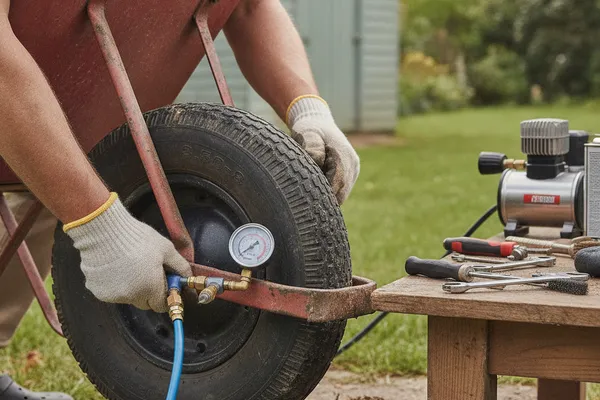
Maintaining your wheelbarrow involves more than just topping up the air in its tire. Regular checks and simple upkeep can prevent bigger problems and ensure your tool is always ready to go when you are. Think of it as giving your trusty workhorse a little TLC.
Beyond the tires, inspect the wheelbarrow’s frame and handles. Look for any signs of rust, cracks, or loose bolts that could compromise its structural integrity. Lubricating the wheel axle periodically can ensure it spins freely, reducing the effort required to push the wheelbarrow and minimizing wear on the axle and wheel hub. If the wheelbarrow has a metal basin, check for significant corrosion or holes that might affect its hauling capacity.
A little attention to these details ensures your wheelbarrow remains a reliable part of your toolbox for many seasons to come.
What If My Rim Is Damaged?
Sometimes, the tire itself is fine, but the wheel rim it's mounted on has seen better days. A bent, rusted, or corroded rim can cause tire-seating problems, prevent proper inflation, and even lead to the tire coming off. If you notice any significant damage to the rim, it’s usually best to replace the entire wheel assembly.
This usually involves replacing the tire, tube (if pneumatic), and the rim as a single unit. While this is a slightly more involved repair than just a tire swap, it ensures everything is properly aligned and sealed. You can often find complete 3.50-8 wheel assemblies at hardware stores or online. Just make sure the new assembly matches your wheelbarrow's axle diameter and mounting style.
Common Misconceptions About Wheelbarrow Tires
There are a few myths or misunderstandings that often pop up when people are dealing with wheelbarrow tires. Clearing these up can help you make better choices and avoid unnecessary confusion. For instance, not all flat-free tires are created equal, and some might perform differently than others.
A common misconception is that all "flat-proof" tires offer the same ride quality as pneumatic ones. In reality, many solid or foam-filled tires are stiffer and provide less shock absorption, making for a bumpier experience. Another myth is that any old tire that fits the rim size will work; however, failing to consider the ply rating and load capacity is a reliable way to cause future problems. Always refer to your specific wheelbarrow's needs.
When to Consider a Complete Wheel Assembly Replacement
As mentioned, a damaged rim often necessitates replacing the entire wheel. But there are other scenarios where opting for a complete wheel assembly makes more sense than just buying a new tire. It's about looking at the overall health of the wheel component.
If your wheelbarrow is older and shows significant rust on the rim, or if the bearings within the hub seem worn out and rough, investing in a new assembly is often more cost-effective and reliable than trying to repair multiple parts. A complete assembly, including a new tire, tube, and rim, often comes pre-assembled, saving you installation hassle. It's a quick way to refresh a critical part of your wheelbarrow and ensure smooth, safe operation going forward.