Are Tachinid flies dangerous? For most people, the answer is a resounding no. These fascinating creatures are often misunderstood and feared due to their fly-like appearance, but they pose no direct threat to humans.
In fact, they play a crucial role in keeping pest populations in check naturally.
Our research indicates that tachinid flies are primarily beneficial insects, acting as natural predators for various garden pests. As of 2026, scientists continue to emphasize their importance in sustainable pest management. Understanding their life cycle and habits can help you appreciate their presence rather than fear it, and it's a great way to support a healthier garden ecosystem.
Quick Answer
Tachinid flies are not dangerous to humans. They do not bite, sting, or transmit diseases to people. Their primary function is to parasitize other insects, making them valuable allies for gardeners and farmers.
What You Need to Know About Tachinid Flies
Tachinid flies belong to a large family of insects, with thousands of species found worldwide. You might have seen them flitting around flowers or gardens, often mistaken for house flies or fruit flies. But their appearance can vary quite a bit, from small and dark to large and fuzzy, sometimes resembling bees or wasps.
What sets them apart is their life cycle. The adult flies are typically nectar feeders and are harmless to both plants and people. The "danger" aspect, if you can even call it that, lies with their larvae.
Tachinid larvae are endoparasites, meaning they develop inside the body of another insect, feeding on its tissues. This process ultimately kills the host insect.
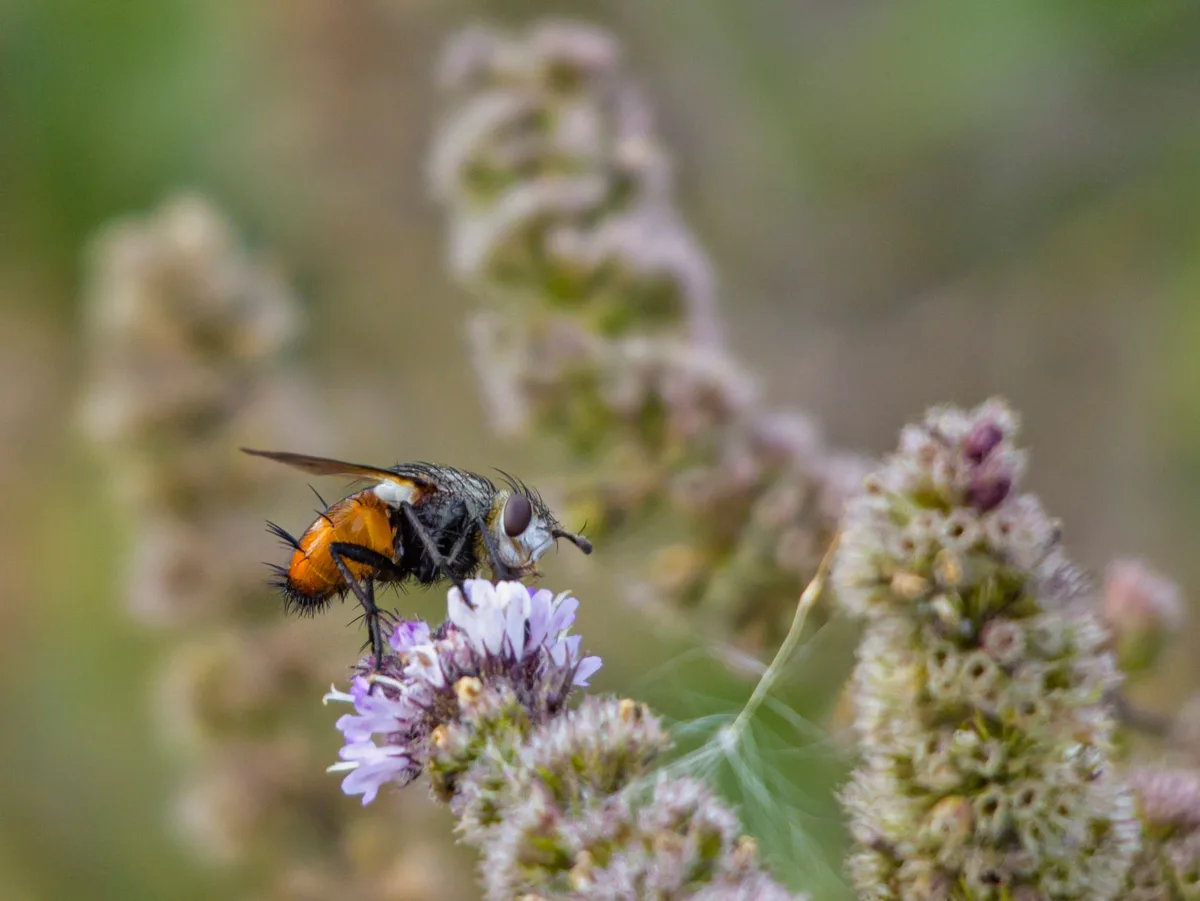
This parasitism is precisely why they are so beneficial. They target common garden pests like caterpillars, beetles, and grasshoppers, helping to naturally control their populations. This biological control method reduces the need for chemical insecticides.
Do Tachinid Flies Bite or Sting?
Absolutely not. Tachinid flies do not possess stingers, nor do they have mouthparts capable of biting humans. Their primary focus is on laying their eggs on, or in, their insect hosts.
You might wonder why this misconception exists. Many insects that hover around gardens can look intimidating, and it's easy to lump them all together. However, a quick glance at their anatomy reveals they lack the tools for defense against humans.
Their biology is geared towards reproduction and parasitizing specific insect species.
This lack of physical threat means you can observe them in your garden without any personal risk. They are far more interested in a caterpillar for their offspring than they are in you.
The Real "Danger": What Tachinid Flies Do (and Don't Do)
The "danger" associated with tachinid flies is entirely directed towards other insects, not people. Their natural role as parasitoids means they are programmed to seek out specific host insects to lay their eggs. Once the eggs hatch, the larvae burrow into the host and consume it from the inside out.
This process might sound gruesome, but it's a vital part of nature’s checks and balances. A single tachinid fly can carry hundreds, sometimes thousands, of tiny eggs. It strategically deposits these eggs either directly onto the host, near its food source, or even injects them into the host’s body using a specialized ovipositor.
Common hosts include:
- Caterpillars: Many species target the larvae of moths and butterflies.
- Beetles: Various beetles, including pest species, can be hosts.
- Grasshoppers and Crickets: These insects are also targeted by certain tachinid species.
- True Bugs: Some tachinids parasitize plant-feeding bugs.
They do not harm humans, pets, or beneficial insects like ladybugs or bees. Their specialized nature means they won't randomly attack or bother you.
Tachinid Flies as Natural Pest Controllers
This is where tachinid flies truly shine. They are one of nature's most effective biological pest control agents. In a garden ecosystem, they provide a free and environmentally friendly service by reducing populations of insects that can damage crops and ornamental plants.
This natural predation means fewer pesticides need to be used. Chemical sprays can harm beneficial insects, pollinators, and can even impact soil health. By encouraging tachinid fly populations, gardeners can rely more on natural processes to keep their plants healthy.
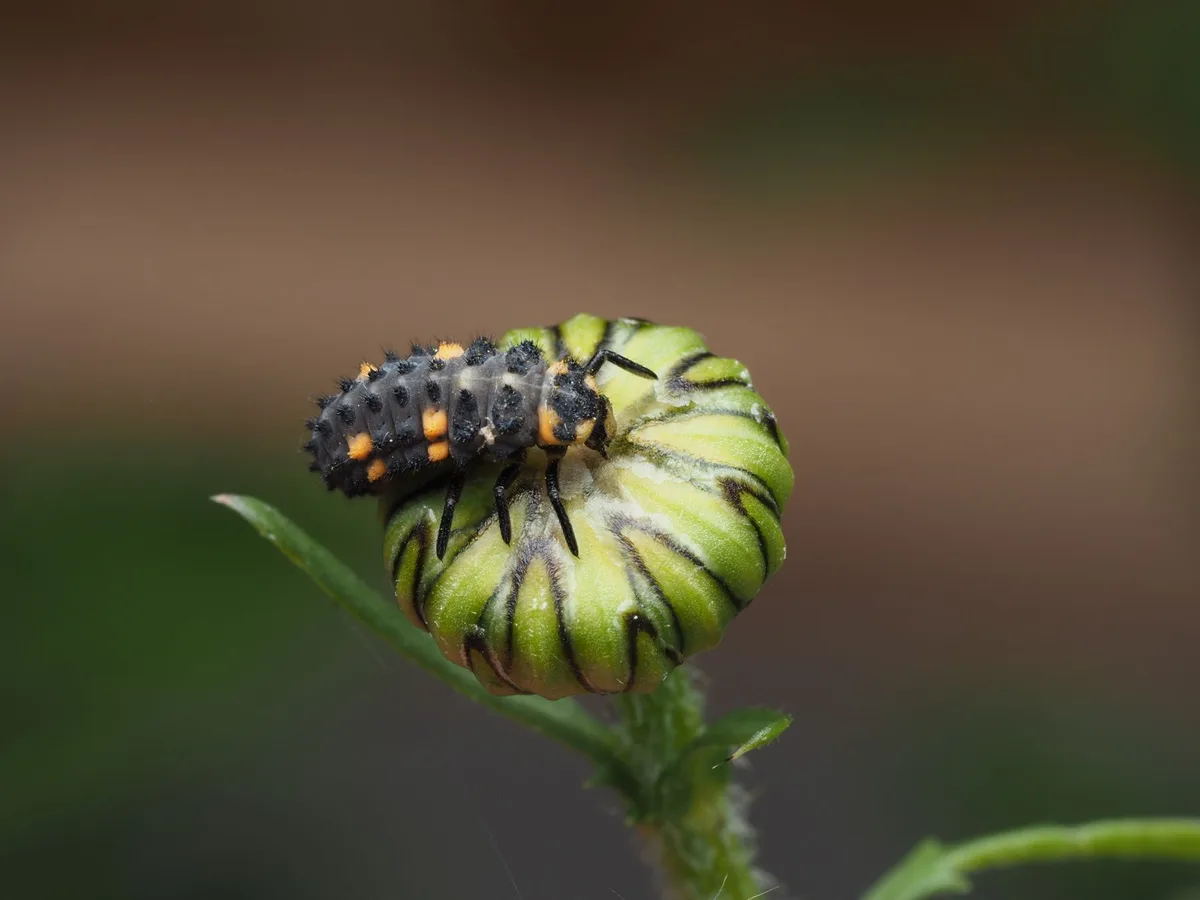
Integrated Pest Management (IPM) strategies often highlight the importance of these beneficial insects. Rather than eradicating all insects, IPM aims to manage pest populations at acceptable levels, and tachinid flies are key players in this approach. Supporting them means providing habitat and avoiding broad-spectrum pesticides that kill them.
Learning about hoes to get rid of garden weeds can also be part of a holistic approach to garden health.
When to Appreciate Tachinid Flies in Your Garden
You should appreciate tachinid flies whenever you spot them! Recognizing them as beneficial allies is the first step. Look for them around flowering plants, as they feed on nectar to sustain themselves.
This nectar-feeding is crucial; it gives them the energy to seek out hosts and lay eggs.
If you notice them congregating around pest infestations, like a group of aphids or caterpillars on your tomato plants, that's a good sign. It means they are doing their job. You might even see a tachinid fly carefully depositing an egg on or near a pest.
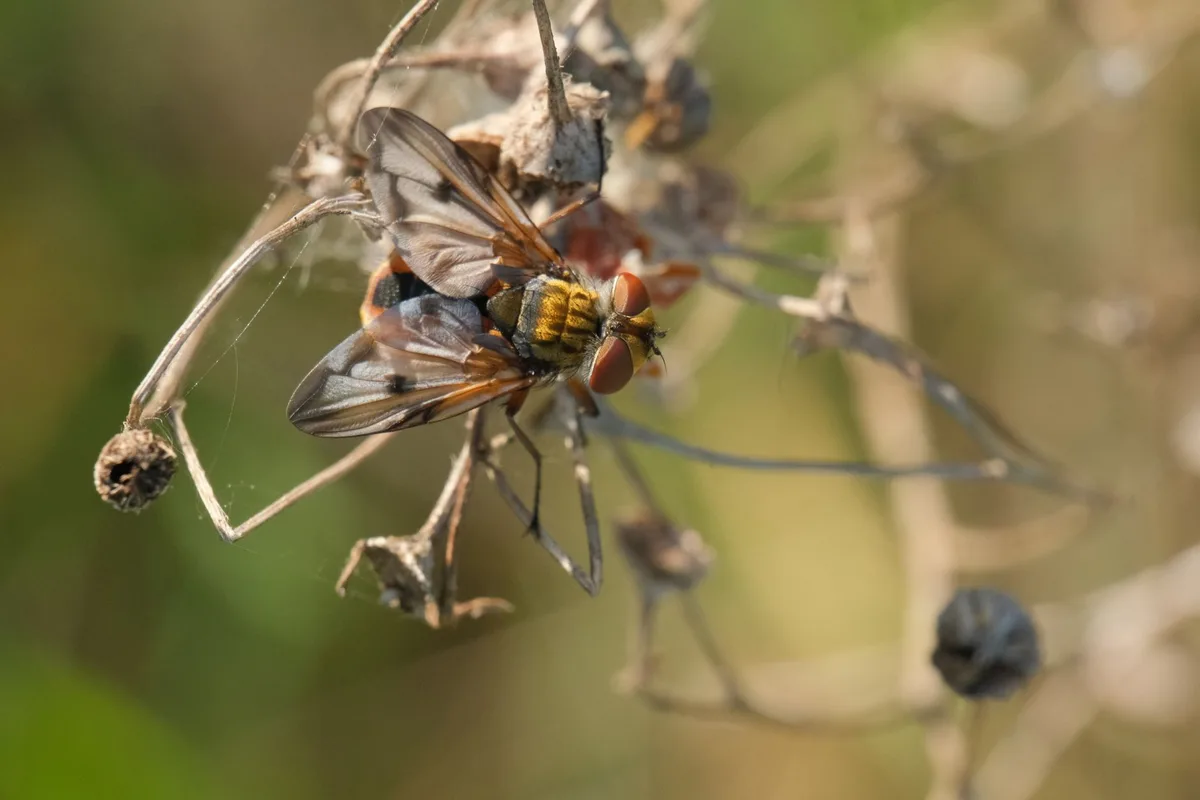
Consider creating a more tachinid-friendly environment. Planting a variety of native flowers that bloom throughout the season can provide a continuous food source. Avoid using insecticides, especially broad-spectrum ones, as these will kill the tachinid flies as well as the pests you're trying to control.
This is similar to how choosing the right fertilizer for grass can impact its overall health and resilience. Their presence indicates a balanced garden.
Common Worries About Tachinid Flies (and Why They're Usually Unfounded)
It's natural to feel a bit wary of any insect that resembles a house fly, especially in or around your home. This caution often stems from a general fear of pests and the diseases they might carry. However, our research shows that tachinid flies, despite their fly designation, operate on a completely different biological level concerning human interaction.
Misidentifying beneficial insects as pests is a common mistake. Many people may encounter a tachinid fly and immediately assume it's a nuisance. This misunderstanding can lead to attempts to eliminate them, which actually harms the garden's natural pest control system.
Safety First: Understanding Insect Interactions
When we talk about insect safety, it's crucial to differentiate between species and their roles in the ecosystem. Tachinid flies are not vectors for human diseases. Unlike some other fly species that might land on garbage and then on food, tachinid flies are typically found near flowering plants and their insect hosts.
Their mouthparts are adapted for sipping nectar. They don't bite or sting, and there's no scientific evidence suggesting they transmit pathogens to humans. This contrasts sharply with insects that might bite defensively or are known to carry diseases like mosquitoes or ticks.
You can confidently coexist with tachinid flies in your garden and home:
- No biting: They lack the anatomy for biting.
- No stinging: They do not possess stingers.
- No disease transmission: They are not known to spread human illnesses.
Focusing on differentiating them from actual pest species helps promote their presence. Learning to identify them, even broadly, means you won't accidentally harm a helpful garden guest.
When to Be Cautious Around Any Insect
While tachinid flies themselves pose no direct risk, it’s always wise to approach any unknown insect with a degree of caution. This general principle applies more to distinguishing them from genuinely harmful insects. If you see a fly that looks particularly large or aggressive, it’s smart to observe from a distance rather than immediately assume it’s harmless.
Be particularly mindful if you're dealing with pest species that tachinid flies target. For instance, if you have a heavy caterpillar infestation, you might find many tachinid flies around. While the flies are safe, the caterpillars themselves could potentially carry irritants or be part of a larger pest problem.
This cautious approach extends to children and pets. While tachinid flies are safe, it’s good practice to teach respectful observation of all wildlife. If you're concerned about specific insects in your area, consulting local agricultural extension offices or entomology departments can provide tailored guidance.
Building a Tachinid-Friendly Garden
Creating an environment that welcomes tachinid flies is straightforward and highly beneficial for your garden’s health. The key is to provide the resources they need to thrive, primarily food and suitable egg-laying sites for their hosts. This means moving away from a purely chemical approach to pest control and embracing biological methods.
Here’s what helps them flourish:
- Nectar Sources: Plant a variety of nectar-rich flowers. Native wildflowers are often best, providing continuous blooms. Examples include dill, fennel, yarrow, and sunflowers. These are crucial for adult tachinid fly energy.
- Habitat Diversity: A varied garden with different plant types offers more opportunities for tachinid flies to find hosts. Avoid overly manicured lawns that lack resting and foraging spots. You might even use a lawn roller for your garden to ensure even seed distribution for establishing beneficial plants.
- Reduced Pesticide Use: This is the most critical factor. Broad-spectrum insecticides kill tachinid flies indiscriminately, wiping out your natural pest control. Opt for targeted treatments only when absolutely necessary, or use organic methods. If you are using pesticides, understanding whether to spray or brush paint for fence repair is a different kind of careful application.
Resources for Learning More About Beneficial Insects
For those who want to deepen their understanding of tachinid flies and other beneficial insects, several reputable sources are available. University entomology departments and agricultural extension services are excellent places to start. They often provide fact sheets, local insect identification guides, and advice tailored to your region.
You can find detailed information on the life cycles, host ranges, and identification of various beneficial insects. This knowledge empowers you to better manage your garden naturally. Resources from government agricultural research services are also invaluable, providing scientific data and best practices.
These authorities offer reliable, research-backed information, ensuring you're making informed decisions for your garden.