You've probably heard about using aspirin for plant fungus, and the short answer is: it can work, but only under the right conditions. The idea isn't new, gardeners have been experimenting with aspirin sprays for decades, and there's real science behind it. The trick is knowing when it helps and when it hurts.
Standard home garden dosage calls for one 325 mg uncoated aspirin tablet per gallon of water. That's roughly 85 parts per million of salicylic acid, the compound that triggers a plant's natural immune response. Let's walk through whether this DIY treatment is right for your garden.
Image source: Bing (Web (fair-use with source credit))
Quick Answer
Aspirin can trigger a plant's natural immune response. It works best as a preventative spray. Use one 325 mg tablet per gallon of water.
Apply every 14 to 21 days. It is not a cure for advanced infections. Results vary by plant species and growing conditions.
How Aspirin Works on Plant Fungus (The SAR Mechanism)
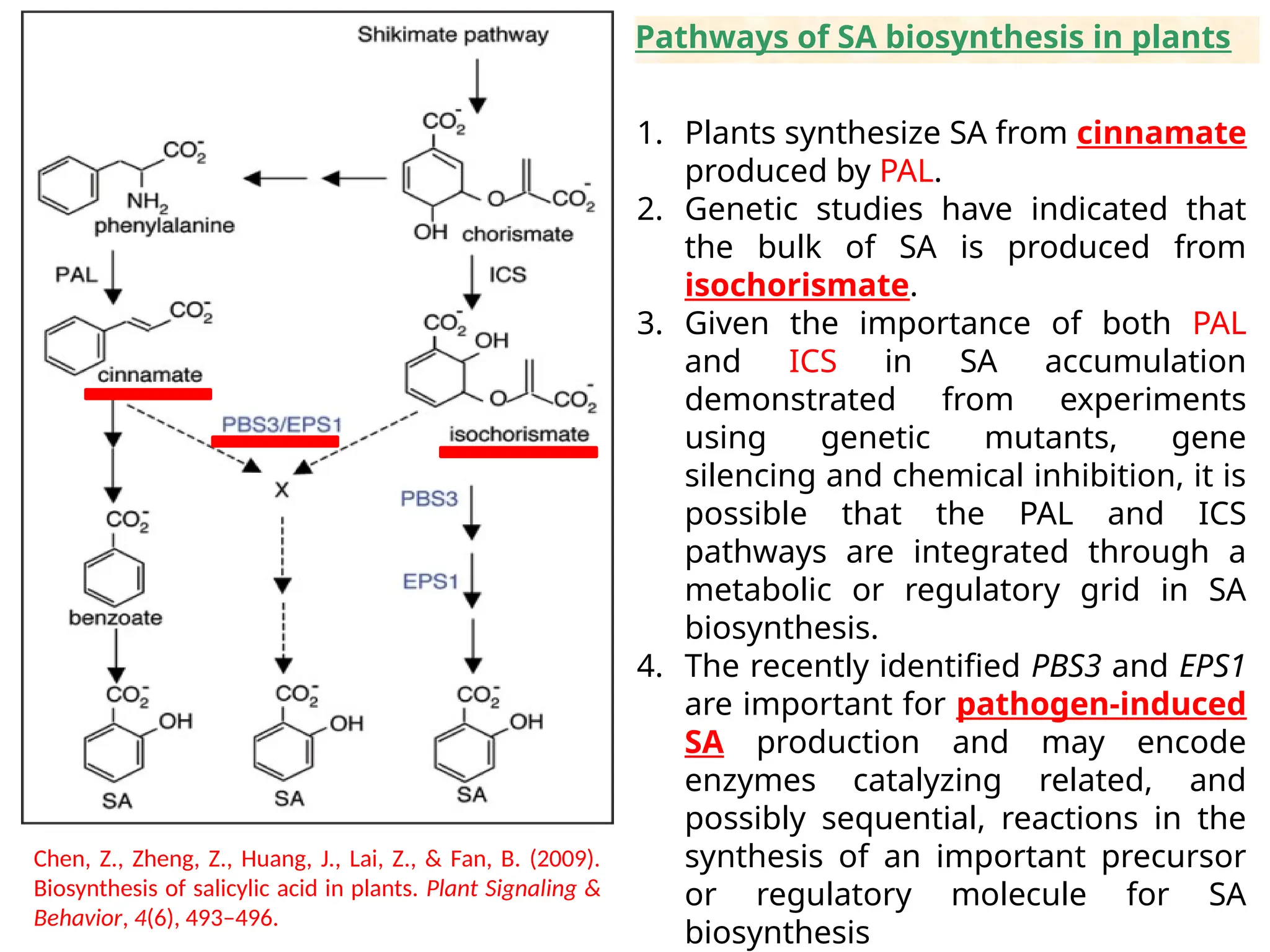
Aspirin's active ingredient is acetylsalicylic acid. When a plant absorbs it, the compound breaks down into salicylic acid. This is the same molecule plants produce naturally when they detect a pathogen.
The salicylic acid then triggers a state called Systemic Acquired Resistance, or SAR.
Think of SAR as the plant's immune system being put on alert. Once activated, the plant produces a suite of defense proteins and antimicrobial compounds. These compounds circulate through the entire plant, making it harder for fungi to establish an infection.
The effect is broad-spectrum, it works against multiple fungal pathogens, not just one specific type.
The key insight is timing. SAR is a preventative measure. It's like giving your plant a vaccine, not a cure.
If the fungus has already spread deep into the tissues, the aspirin won't undo the damage. It can slow the spread, but it won't eliminate an established infection.
The Key Condition: Is Your Plant a Good Candidate?
Not every plant responds well to aspirin. Some thrive with the immune boost. Others get burned leaves or stunted growth.
You need to know which category your plant falls into before you mix a batch.
Plants That Respond Well
- Tomatoes, Heavy responders to SAR. Aspirin sprays are well-documented for reducing early blight and septoria leaf spot.
- Roses, Moderate responders. Black spot and powdery mildew show some reduction.
- Peppers, Similar to tomatoes. Good for preventing fungal leaf spots.
- Cucurbits (cucumbers, squash, melons), Powdery mildew responds to SAR induction.
- Ornamental flowers (petunias, marigolds, zinnias), General fungal prevention.
Plants That Will Likely Burn
- Ferns, Extremely sensitive. Leaf tip burn is common.
- Succulents (jade, aloe, echeveria), High risk of tissue damage.
- Ficus (fig trees, rubber plants), Leaf drop and browning.
- Orchids, Only use at half strength or less. Even then, test on one leaf first.
- Seedlings under 3 weeks old, Too delicate for SAR induction.
When the Fungus Is Too Far Gone
Aspirin won't save a plant that's already losing. If more than 30% of the leaves are covered in fungal growth, or if the stem is turning brown and mushy, it's time to pull the plant. Focus on prevention for the next season.
Decision Tree: Spray, Drench, or Skip It?
Here's the decision flow you should follow before applying aspirin. Answer each question honestly.
Branch 1: Preventative vs. Active Infection
- Preventative, You want to stop fungus before it starts. Yes, spray is appropriate. Start 7 days before your region's rainy season.
- Active infection, You already see white powder, black spots, or rust pustules. Aspirin can slow the spread but won't cure it. Consider a stronger fungicide for immediate control.
Branch 2: Foliar Fungus vs. Root/Soil Fungus
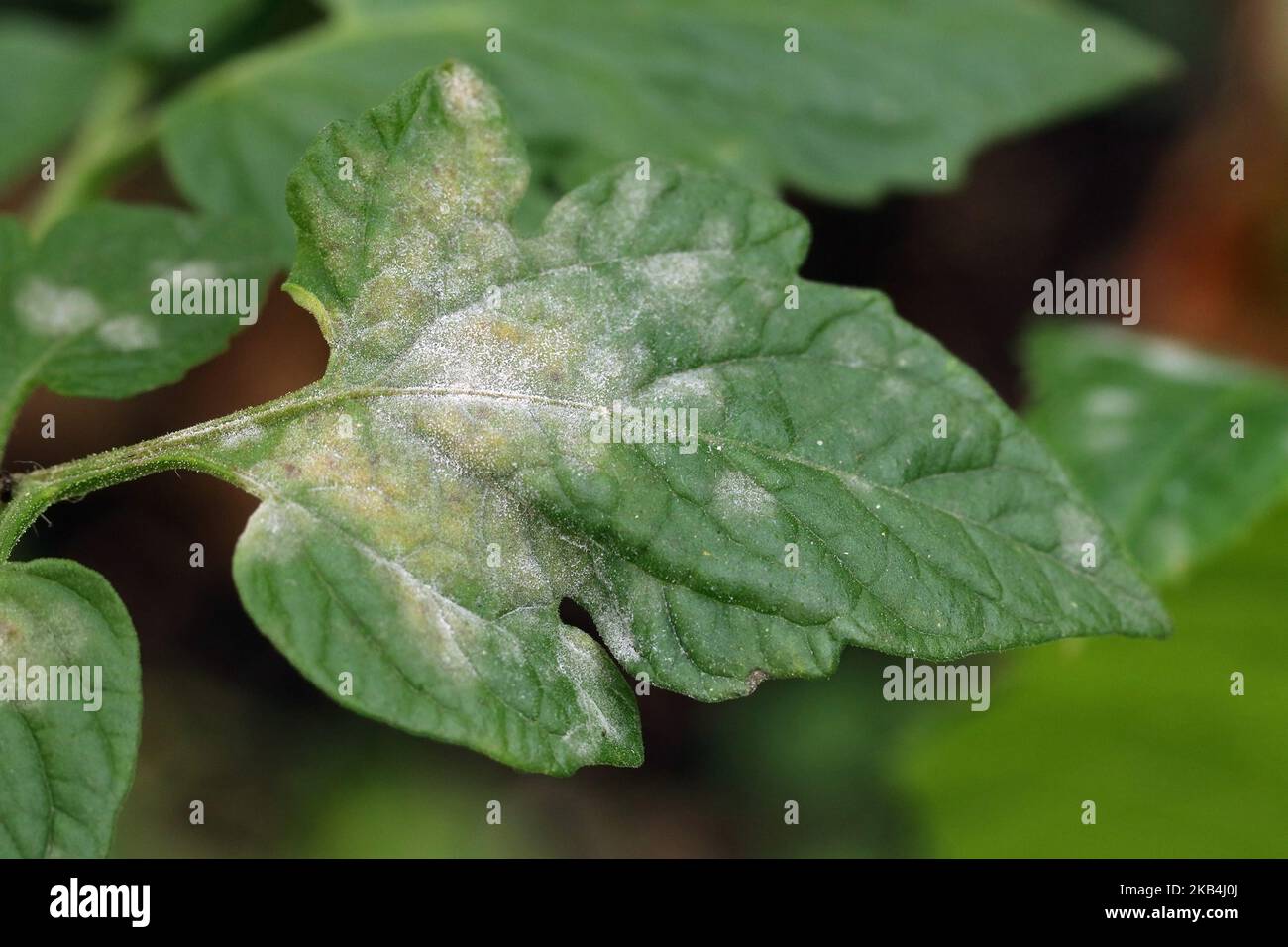
- Foliar fungus (powdery mildew, black spot, rust), Foliar spray works well. Cover both sides of leaves.
- Soil fungus (damping-off, root rot, fusarium wilt), Aspirin drench may help but is less reliable. The plant's immune system responds more slowly in the root zone. Consider a soil drench only if the plant is otherwise healthy and the soil pH is above 6.0.
Branch 3: Plant Sensitivity and Life Stage
- Sensitive plant (fern, succulent, orchid), Skip the aspirin. Use a different method.
- Hardy plant (tomato, rose, pepper), Proceed with standard strength.
- Seedling under 3 weeks, Wait. Let the plant establish its own root system first.
Branch 4: Your Soil pH
- pH below 6.0, Skip the drench. Aspirin is acidic and will lower pH further. Use a foliar spray only.
- pH 6.0 to 7.0, Safe for both spray and drench.
- pH above 7.0, Aspirin drench can help lower pH slightly, which is beneficial for acid-loving plants like tomatoes.
How to Make and Apply the Solution (Step by Step)
Getting the dosage right is the most important step. Too much burns leaves. Too little does nothing.
Here's the exact process.
The Standard Recipe
- Gather materials. One uncoated 325 mg aspirin tablet, one gallon of lukewarm water, a few drops of mild liquid soap (dish soap works).
- Crush the tablet. Use the back of a spoon or a mortar and pestle. Fine powder dissolves faster.
- Dissolve in warm water. Add the powder to one cup of warm water. Stir until fully dissolved. No sediment should remain.
- Combine with the rest of the water. Pour the dissolved aspirin into a gallon of cool water. Add 2 drops of liquid soap. The soap breaks surface tension and helps the spray stick to leaves.
- Transfer to a sprayer. Use a clean garden sprayer or a simple spray bottle. Shake gently before each use.
The Sensitive Plant Recipe
For orchids, seedlings, or any plant you're unsure about, halve the dosage. Crush half a tablet (roughly 160 mg) and dissolve in one gallon of water. Test on one leaf first.
Wait 48 hours. If the leaf shows no burn, proceed with the full plant.
Spray vs. Drench: When to Choose Each
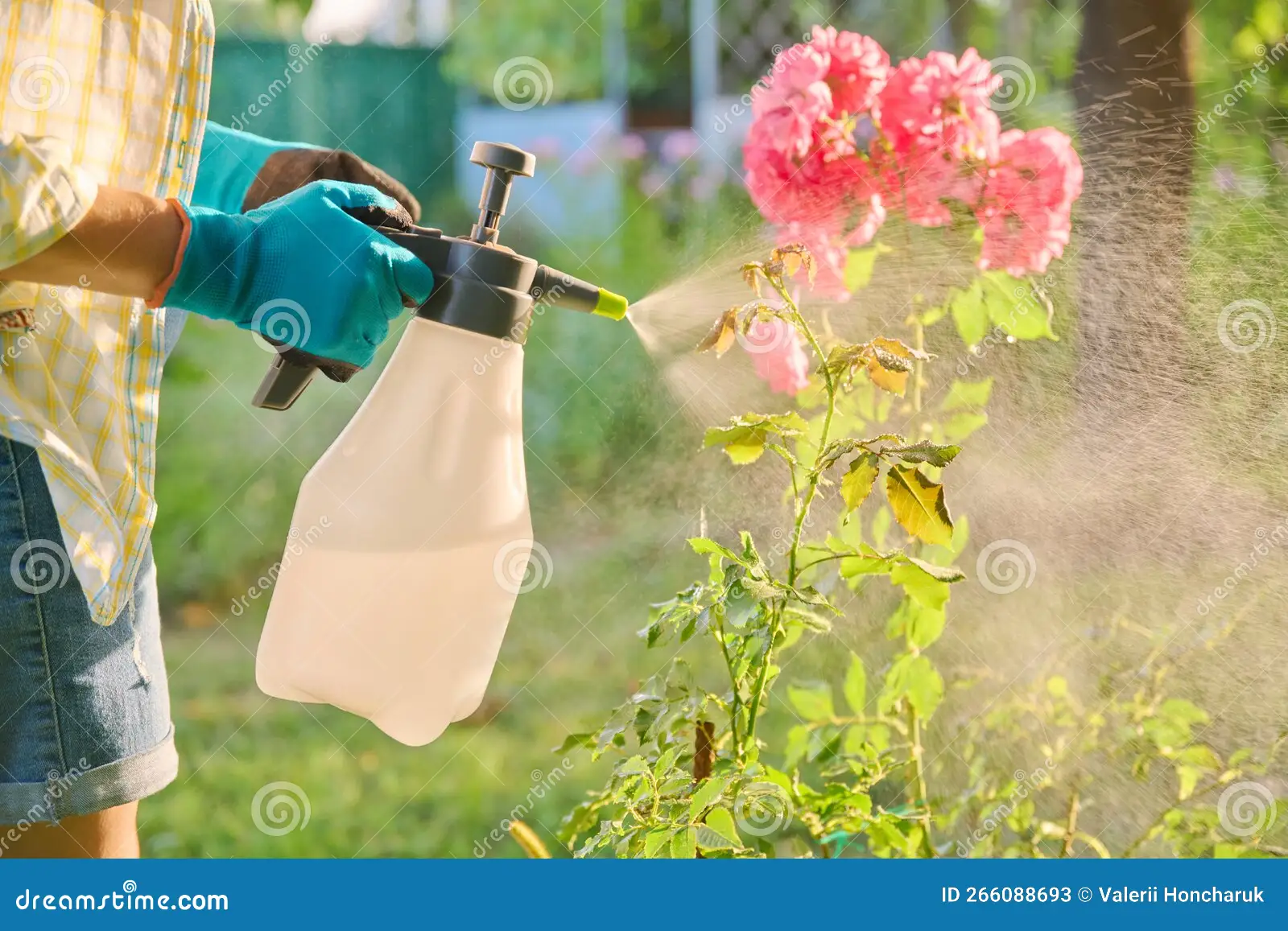
- Foliar spray, Use for leaf-level fungus. Spray both the top and underside of leaves. The underside is where spores often land.
- Soil drench, Use for root-level fungus or for plants that need a systemic boost. Pour the solution around the base of the plant, not directly on the stem. Aim for the root zone.
Application Timing and Frequency
- Apply in early morning or late evening. Direct sunlight can cause the solution to evaporate too quickly, leaving a residue that burns leaves.
- Repeat every 14 to 21 days. The SAR pathway needs time to reset. More frequent applications can cause stress.
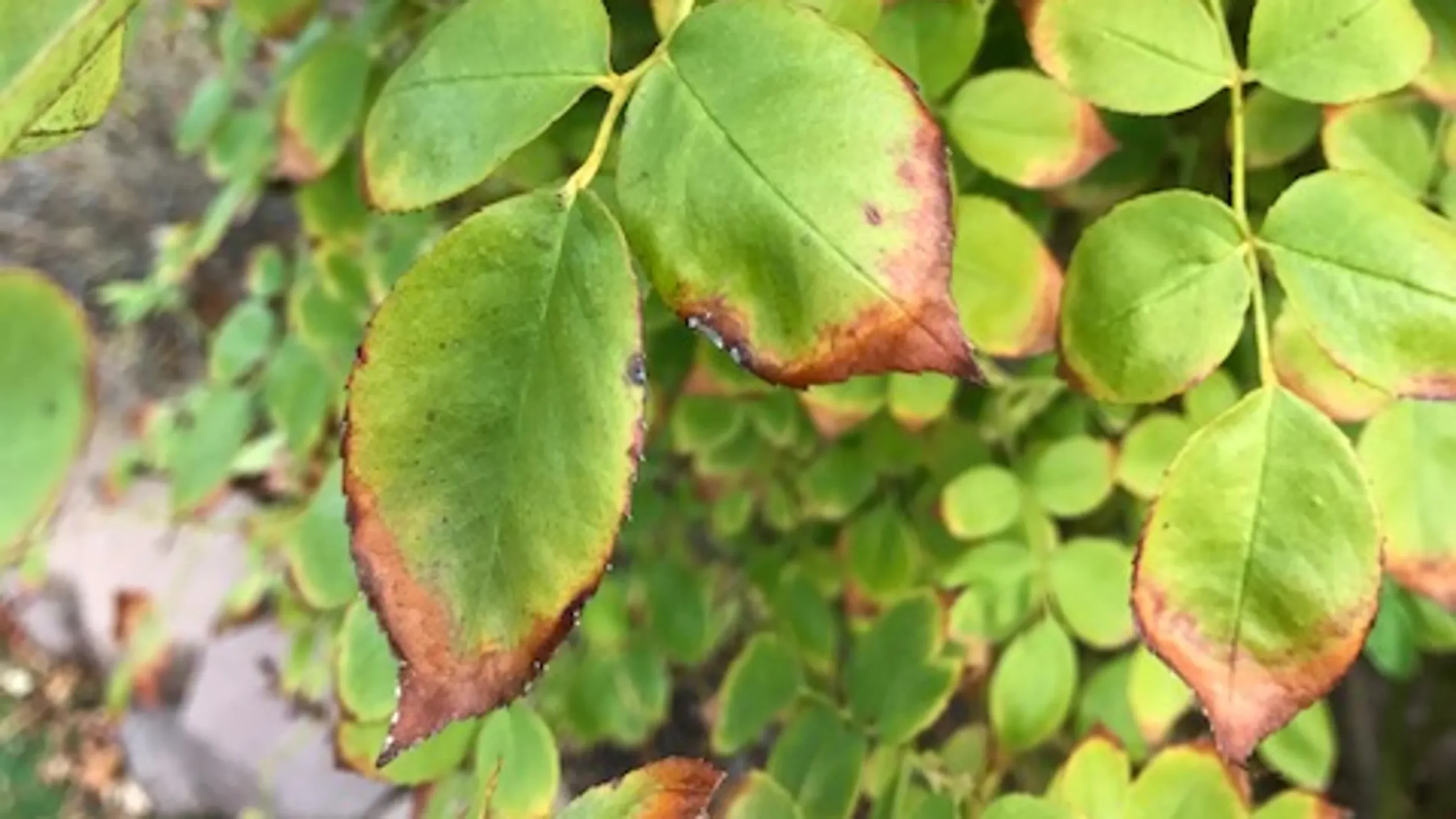
- Stop if you see leaf tip burn. Brown edges mean the dosage is too high or the plant is too sensitive. Wait at least 30 days before trying again at half strength.
Dosage Table: Strength vs. Plant Type (Quick Reference)
| Plant Type | Dosage per Gallon | Notes |
|---|---|---|
| Tomatoes, Peppers | 325 mg (1 tablet) | Standard strength. Works well for blight. |
| Roses, Cucurbits | 325 mg (1 tablet) | Good for black spot and powdery mildew. |
| Orchids, Ferns | 160 mg (half tablet) | Test on one leaf first. High burn risk. |
| Seedlings (3+ weeks) | 160 mg (half tablet) | Gentle start. Full strength after 6 weeks. |
| Succulents, Ficus | Skip | Too high risk of leaf burn. Use alternative. |
6 Common Mistakes That Kill Plants (Not the Fungus)
These mistakes are the most common reasons aspirin fails or causes more harm than good.
Mistake 1: Using Coated or Buffered Tablets
Only uncoated, plain aspirin works. Coated tablets are designed to slow release in the human stomach. In your sprayer, they leave a waxy residue that clogs nozzles and doesn't dissolve properly.
Buffered aspirin contains calcium carbonate or magnesium, which raises the pH of the solution and reduces the effectiveness of the SAR trigger. Check the label. If it says "enteric coated" or "buffered", put it back in the medicine cabinet.
Mistake 2: Overdoing It (More Isn't Better)
Double the dosage does not double the protection. It doubles the risk of leaf burn and soil acidification. Stick to the standard 325 mg per gallon.
For sensitive plants, use half that. Resist the urge to add more because you think the fungus is bad. It won't help.
Mistake 3: Spraying in Direct Sun
Aspirin solution is acidic. When it dries on a leaf in direct sunlight, the water evaporates and leaves concentrated salicylic acid behind. That concentration burns the leaf tissue.
Spray in the early morning or late evening. If you must spray during the day, choose a cloudy day.
Mistake 4: Ignoring Soil pH After Multiple Drenches
Aspirin drenches lower the pH of your soil. After two or three applications, the pH can drop by 0.5 to 1.0 points. This is bad for plants that prefer alkaline soil, like lavender and rosemary.
Test your soil pH before and after the spray season. If it drops below 6.0, stop drenching and flush the soil with plain water for a week.
Mistake 5: Combining with Copper or Sulfur
Both copper and sulfur are acidic. Aspirin is acidic. Mixing them together creates a solution that is too harsh for most plants.
The combination can cause severe leaf burn within hours. If you need to use a copper fungicide, wait at least 7 days after your last aspirin spray. The same goes for sulfur.
Mistake 6: Expecting a Cure for Advanced Infections
Aspirin is a preventative, not a cure. If the fungus has already caused significant tissue damage, the aspirin won't undo it. The plant's immune system can slow the spread, but it can't heal dead tissue.
Remove heavily infected leaves, treat the remaining foliage, and monitor closely. If the infection continues to spread, switch to a stronger fungicide.
When to Stop and Switch to Something Stronger
Aspirin works best as a soft prevention tool. But it has limits. Here's when you should stop using it and switch to a more aggressive treatment.
- Infection is spreading despite 2 applications. If the fungus is still growing after two rounds of aspirin, the SAR pathway isn't strong enough. Switch to a commercial fungicide or a stronger home remedy like neem oil.
- Leaf burn appears. If you see brown edges or yellowing between the veins, stop immediately. Flush the plant with plain water. Wait at least 30 days before trying again at half strength.
- Soil pH drops below 5.5. This is critical. Most garden plants cannot absorb nutrients properly at this pH. Stop drenching and add lime to raise the pH.
- Plant is dying. If the stem is soft, the roots are mushy, or more than 50% of the leaves are damaged, pull the plant. No treatment will save it. Focus on prevention for the next season.
Aspirin vs. Other Home Fungicide Options (Quick Comparison)
Aspirin isn't the only home remedy for plant fungus. Here's how it stacks up against the most common alternatives.
| Option | How It Works | Best For | Downsides |
|---|---|---|---|
| Aspirin spray | Triggers plant immune system (SAR) | Prevention, early-stage infection | Not a cure, can burn sensitive plants |
| Neem oil | Smothers fungus and insect pests | Active infection, pest control | Strong smell, can clog sprayers, needs reapplication |
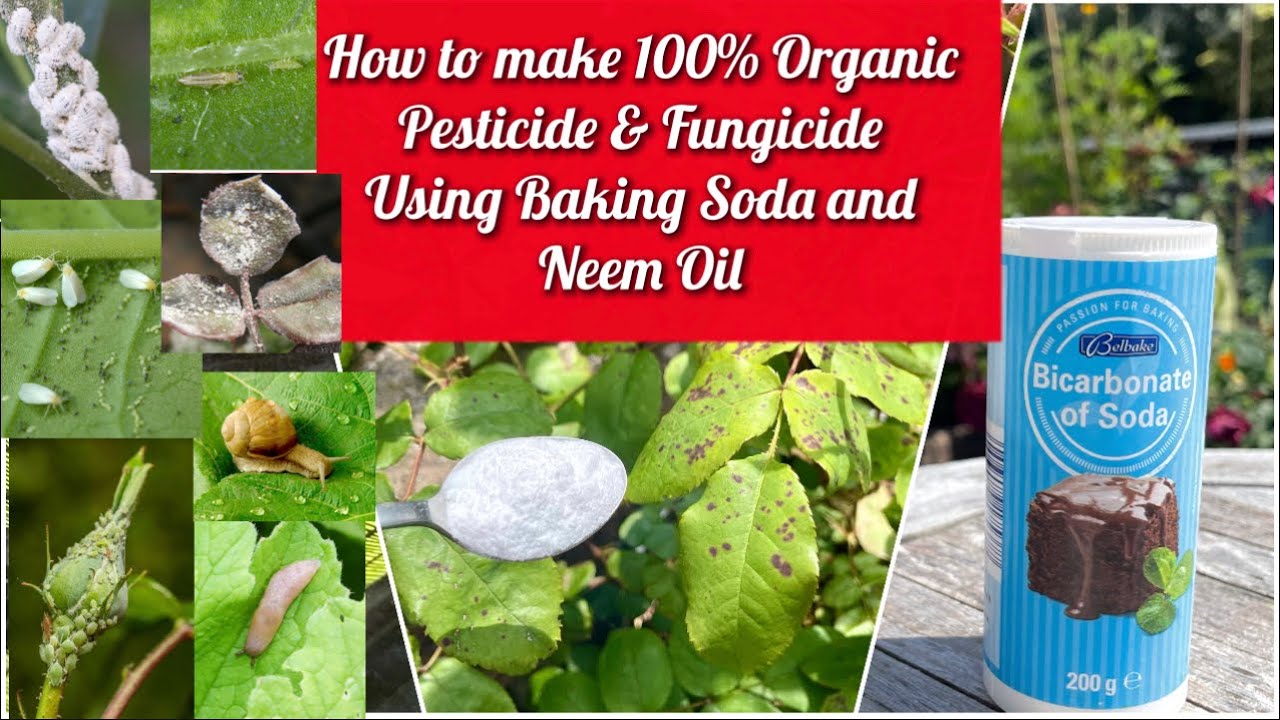
| Baking soda spray | Changes leaf surface pH | Mild powdery mildew | Short-lived, can burn leaves in heat |
| Milk spray (1:9 with water) | Contains lactoferrin, antifungal | Mild powdery mildew | Smells as it dries, short residual effect |
| Copper fungicide | Directly kills fungal spores | Heavy infections, stubborn fungi | Can build up in soil, toxic to beneficial microbes |
| Potassium bicarbonate | Changes leaf surface pH, kills spores | Powdery mildew, rust | Leaves white residue, needs reapplication |
Who should use aspirin? Gardeners who want a low-cost, low-toxicity preventative. It's ideal for plants that are healthy now but will face fungal pressure in the coming weeks. It's not for the gardener who needs a quick kill.
Who should skip aspirin? Anyone dealing with an advanced infection, growing sensitive plants, or working with soil that is already acidic. In those cases, jump to a stronger option.
Quick-Reference Decision Guide (At-a-Glance)
Use this table as a final checklist before you mix your first batch.
| Question | Answer | Action |
|---|---|---|
| Plant type? | Hardy (tomato, rose, pepper) | Proceed with standard strength. |
| Sensitive (fern, succulent, orchid) | Skip or use half strength. | |
| Fungus stage? | Preventative | Apply now. |
| Active, mild | Aspirin can slow spread. | |
| Active, severe (>30% leaf damage) | Switch to stronger fungicide. | |
| Soil pH? | Below 6.0 | Skip drench. Use spray only. |
| 6.0 to 7.0 | Safe for both. | |
| Above 7.0 | Drench can help lower pH. | |
| Plant age? | Seedling under 3 weeks | Wait. |
| Seedling 3 to 6 weeks | Use half strength. | |
| Mature plant | Full strength. |
Pro-Risk Warning: Why This Is an Experimental Treatment
Let's be clear. Aspirin is not registered as a pesticide by the EPA. There is no official label that says "use this for plant fungus." The practice is based on decades of informal experimentation and some university research, but it is not a regulated treatment.
This means you're using it at your own risk. If you burn your prized heirloom tomatoes, that's on you.
That said, the science is sound. Multiple peer-reviewed studies have shown that salicylic acid triggers SAR in plants. The USDA's Agricultural Research Service has funded work on this pathway.
University extension programs, like those at Cornell and UC Davis, have published guidance on using aspirin as a home remedy. But none of these sources endorse it as a primary treatment. They all frame it as an experimental option.
If you're risk-averse, stick with commercial fungicides that are tested and labeled for your specific plant and fungus. If you're a curious gardener who doesn't mind a little trial and error, aspirin is a cheap and relatively safe starting point.
Frequently Asked Questions
Does aspirin kill powdery mildew on plants?
No, it doesn't directly kill the fungus. It triggers the plant's immune system to fight the infection on its own. It works best as a preventative spray before the mildew appears.
How often should I spray aspirin on my plants?
Every 14 to 21 days during the growing season. More frequent applications can stress the plant and cause leaf burn. Less frequent applications may not maintain the SAR effect.
Can I use aspirin on my vegetable garden?
Yes, but only as a preventative. Use standard dosage for tomatoes, peppers, and cucurbits. Stop at least 7 days before harvest.
There is no withholding period for aspirin, but it's a good practice to let the solution wash off before eating.
Will aspirin hurt my soil?
Repeated soil drenches can lower your soil pH. Test your soil before and after the spray season. If the pH drops below 6.0, stop drenching and flush the soil with plain water.
What aspirin should I use for plants?
Only uncoated, plain aspirin. No enteric coating, no buffering, no extra ingredients. Generic store-brand tablets work fine.
Check the label for "325 mg" and "uncoated."
Is aspirin safe for bees and other pollinators?
At the standard dosage, aspirin is considered safe for pollinators. It does not persist in plant tissue the way synthetic fungicides do. Apply in the early morning or late evening when bees are less active.
Dosage Table: Strength vs. Plant Type (Quick Reference)
| Plant Type | Dosage per Gallon | Notes |
|---|---|---|
| Tomatoes, Peppers | 325 mg (1 tablet) | Standard strength. Works well for blight. |
| Roses, Cucurbits | 325 mg (1 tablet) | Good for black spot and powdery mildew. |
| Orchids, Ferns | 160 mg (half tablet) | Test on one leaf first. High burn risk. |
| Seedlings (3+ weeks) | 160 mg (half tablet) | Gentle start. Full strength after 6 weeks. |
| Succulents, Ficus | Skip | Too high risk of leaf burn. Use alternative. |
6 Common Mistakes That Kill Plants (Not the Fungus)
Mistake 1: Using Coated or Buffered Tablets. Only uncoated, plain aspirin works. Coated tablets leave a waxy residue that clogs nozzles and doesn't dissolve properly. Buffered aspirin contains calcium carbonate, which raises the solution pH and weakens the SAR trigger.
Mistake 2: Overdoing It. Double the dosage does not double the protection. It doubles the risk of leaf burn and soil acidification. Stick to 325 mg per gallon.
Mistake 3: Spraying in Direct Sun. The solution concentrates as water evaporates, leaving concentrated acid on leaf tissue. Spray in early morning or late evening.
Mistake 4: Ignoring Soil pH. Repeated drenches can drop pH by 0.5 to 1.0 points. Test your soil before and after the spray season. If pH falls below 6.0, stop drenching.
Mistake 5: Combining with Copper or Sulfur. Both are acidic. Mixing with aspirin creates a harsh solution that burns leaves within hours. Wait 7 days between treatments.
Mistake 6: Expecting a Cure for Advanced Infections. Aspirin is a preventative, not a cure. Remove heavily infected leaves first. If the infection continues spreading after two applications, switch to a stronger option.
When to Stop and Switch to Something Stronger
Stop aspirin if the infection spreads after two applications. It means the SAR pathway isn't strong enough for that particular fungus.
Stop if you see leaf tip burn. Flush the plant with plain water and wait 30 days.
Stop if soil pH drops below 5.5. Add lime to raise it back to safe levels.
Stop if the plant is dying. Roots that are mushy and stems that are soft mean the plant is beyond saving. Pull it and focus on prevention for next season.
Aspirin vs. Other Home Fungicide Options (Quick Comparison)
| Option | How It Works | Best For | Downsides |
|---|---|---|---|
| Aspirin spray | Triggers SAR (immune system) | Prevention, early infection | Not a cure, can burn sensitive plants |
| Neem oil | Smothers fungus and pests | Active infection | Strong smell, clogs sprayers |
| Baking soda spray | Changes leaf surface pH | Mild powdery mildew | Short-lived, burns in heat |
| Milk spray (1:9) | Contains lactoferrin | Mild powdery mildew | Smells, short residual |
| Copper fungicide | Directly kills spores | Heavy infections | Builds up in soil, toxic to microbes |
| Potassium bicarbonate | Changes leaf pH, kills spores | Powdery mildew, rust | White residue, needs reapplication |
Use aspirin if you want a low-cost, low-toxicity preventative. Skip it for advanced infections or sensitive plants.
Quick-Reference Decision Guide (At-a-Glance)
| Question | Answer | Action |
|---|---|---|
| Plant type? | Hardy (tomato, rose) | Proceed with standard strength. |
| Sensitive (fern, orchid) | Skip or use half strength. | |
| Fungus stage? | Preventative | Apply now. |
| Active, mild | Aspirin can slow spread. | |
| Active, severe (>30% damage) | Switch to stronger fungicide. | |
| Soil pH? | Below 6.0 | Skip drench. Use spray only. |
| 6.0 to 7.0 | Safe for both. | |
| Above 7.0 | Drench can help lower pH. | |
| Plant age? | Seedling under 3 weeks | Wait. |
| Seedling 3 to 6 weeks | Use half strength. | |
| Mature plant | Full strength. |
Pro-Risk Warning: Why This Is an Experimental Treatment
Aspirin is not registered as a pesticide by the EPA. No official label says use it for plant fungus. The practice is based on informal experimentation and university research, but it is not a regulated treatment.
You use it at your own risk.
University extension programs at Cornell and UC Davis have published guidance framing it as a home remedy. The USDA Agricultural Research Service has funded SAR research. But none of these sources endorse it as a primary treatment.
They all call it experimental.
If you are risk-averse, stick with commercial fungicides that are tested and labeled for your specific plant and fungus. If you are a curious gardener willing to trial and error, aspirin is a cheap starting point.
Frequently Asked Questions
Does aspirin kill powdery mildew on plants?
No, it does not directly kill the fungus. It triggers the plant's immune system to fight the infection on its own. It works best as a preventative spray before the mildew appears.
How often should I spray aspirin on my plants?
Every 14 to 21 days during the growing season. More frequent applications can stress the plant and cause leaf burn. Less frequent applications may not maintain the SAR effect.
Can I use aspirin on my vegetable garden?
Yes, but only as a preventative. Use standard dosage for tomatoes and peppers. Stop at least 7 days before harvest.
There is no withholding period for aspirin, but it is a good practice to let the solution wash off before eating.
Will aspirin hurt my soil?
Repeated soil drenches can lower your soil pH. Test your soil before and after the spray season. If the pH drops below 6.0, stop drenching and flush the soil with plain water.
What aspirin should I use for plants?
Only uncoated, plain aspirin. No enteric coating, no buffering, no extra ingredients. Generic store-brand tablets work fine.
Check the label for "325 mg" and "uncoated."
Is aspirin safe for bees and other pollinators?
At the standard dosage, aspirin is considered safe for pollinators. It does not persist in plant tissue the way synthetic fungicides do. Apply in the early morning or late evening when bees are less active.