
Seeing your avocado tree shedding leaves can feel like a gardening crisis. It's a common symptom, but it's rarely a death sentence for your tree. Most of the time, dropping leaves points to a specific issue with its care or environment that you can easily fix.
Our research indicates that this problem often stems from environmental stress or improper watering, which can be quickly remedied. The key is understanding these underlying factors, armed with accurate information, so you can get your tree back to its lush, healthy state.
Quick Answer
Avocado tree leaves drop due to issues like overwatering, underwatering, temperature extremes, pests, or nutrient imbalances. Check the soil moisture first, too wet or too dry signals watering problems. Inspect for pests like spider mites and ensure the tree isn't exposed to sudden cold or heat.
Correcting these core environmental factors usually resolves leaf drop.
Why Are My Avocado Tree Leaves Dropping?
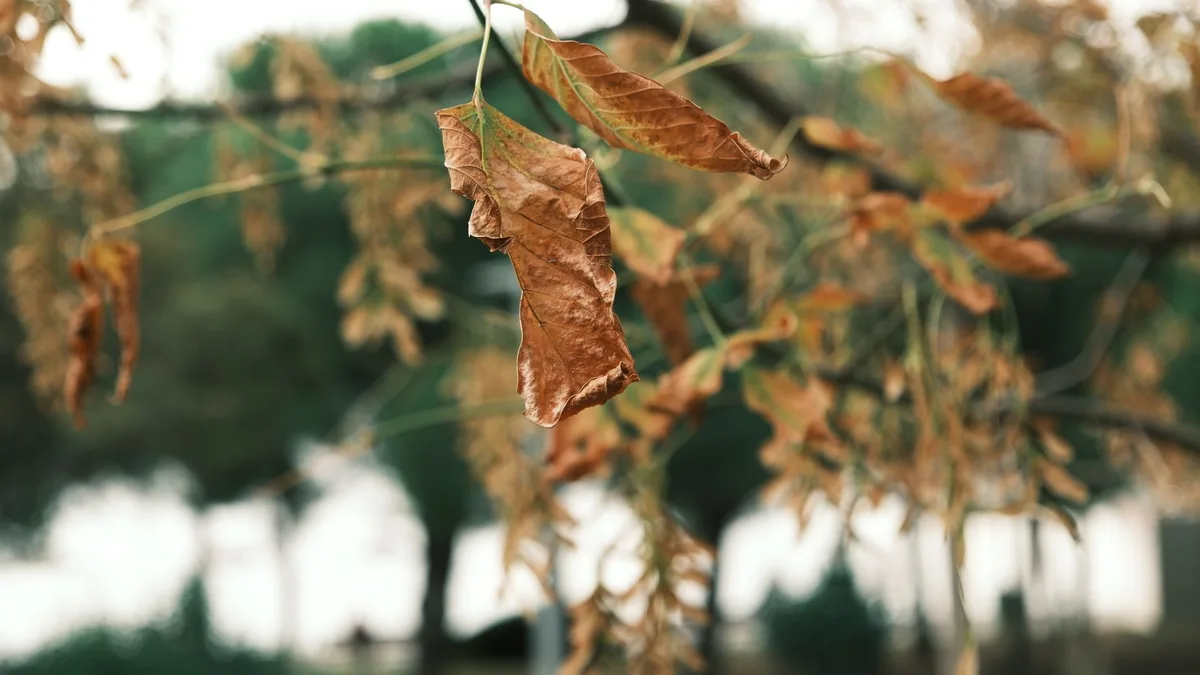
When your avocado tree starts dropping leaves, it's a signal that something isn't quite right. It’s like the tree is saying, "Hey, I need attention over here!" This symptom can look different depending on the cause: leaves might turn yellow and fall, or they could brown and become crispy before they detach.
The good news is that diagnosing leaf drop is often straightforward, much like figuring out a simple DIY repair for a tool. It requires careful observation and a systematic approach. By looking closely at the tree and its surroundings, we can usually pinpoint the culprit.
Understanding Avocado Watering: The Most Common Culprit
Watering is hands-down the most frequent reason for avocado trees to drop leaves. These trees are particular; they dislike constantly wet feet but also can't tolerate extreme dryness for too long. Getting the watering balance right is critical for their health, and as of 2026, it remains the top concern for most growers.
Too Much Water: Soggy Soil and Root Problems
Overwatering is a silent killer for avocado trees. When soil stays saturated for extended periods, the roots can’t access oxygen and begin to rot. This root rot prevents the tree from absorbing water and nutrients effectively, leading to yellowing leaves that eventually drop.
- Signs: Leaves turn yellow and may develop brown spots before falling. The soil feels persistently wet even days after watering.
- What's happening: Damaged roots can no longer support the foliage, and the tree sheds leaves to conserve energy and resources. This is a significant risk for indoor plants, especially those not in appropriate containers or using improper potting mixes.
Too Little Water: Dry Soil and Stress Response
Conversely, if your avocado tree goes too long without sufficient water, it will react by dropping leaves. This is a survival mechanism. The tree sheds foliage to reduce water loss through transpiration, trying to conserve what little moisture it has.
- Signs: Leaves often become crispy and brown, feeling brittle to the touch, before they fall. The soil will be dry several inches down.
- What's happening: The tree is severely stressed and trying to minimize its water needs. This is especially common during hot weather or if watering schedules are inconsistent.
Action: The best way to check moisture is to stick your finger about 2-3 inches into the soil. If it feels dry, water thoroughly. If it feels wet, hold off.
For potted trees, ensure pots have adequate drainage holes to prevent soggy soil.
Temperature Troubles: Cold Snaps and Heat Waves
Avocado trees are happiest in moderate climates, similar to how certain equipment performs best within specific operating temperature ranges. Extreme temperatures or even rapid shifts can shock the tree, triggering leaf drop as a stress response.
Protecting Your Tree from Frost
Avocado trees, especially young ones, are sensitive to cold. A sudden frost or prolonged exposure to temperatures below freezing can damage leaves and young branches. This damage often manifests as browning and eventual leaf drop.
- What to expect: Frost-damaged leaves will turn brown or black. The damage might appear after the cold snap, so watch your tree in the days following a freeze.
- Protection: In cooler regions, covering young or vulnerable trees with frost cloth or bringing potted trees indoors is a good preventative measure.
Managing Heat Stress
Even in warmer climates, intense, prolonged heat can be problematic. When temperatures soar, especially with low humidity and insufficient water, the tree can experience heat stress. This can lead to leaf scorch and shedding.
- What to expect: Leaves might develop dry, brown patches or edges. The tree may drop leaves to conserve moisture.
- Management: Providing some afternoon shade during extreme heat waves can help reduce stress. Ensuring consistent watering is also crucial during these periods.
Feeding Your Avocado: Nutrients and Fertilizer Burn
The right nutrition is vital for a thriving avocado tree, much like the correct fuel blend for an engine. However, too little or too much fertilizer can both cause significant problems, including leaf drop.
Signs of Nutrient Deficiency
Avocado trees need a balanced supply of nutrients. Nitrogen, potassium, and magnesium are key. A deficiency in these can weaken the tree, making its leaves yellow or pale before they fall.
- Nitrogen: General yellowing of older leaves.
- Potassium: Yellowing or browning along leaf edges.
- Magnesium: Yellowing between leaf veins, with a green border.
If you suspect a deficiency, consider a balanced fertilizer formulated for citrus or avocado trees. Using a compost mix can also provide slow-release nutrients, similar to how incorporating organic matter benefits soil health in general gardening. For specific nutrient needs, look into a detailed soil analysis.
Dangers of Over-Fertilizing
Applying too much fertilizer, or doing so too frequently, can be more damaging than beneficial. This is often referred to as "fertilizer burn." The excess salts in the fertilizer can damage the tree’s roots, hindering its ability to absorb water and nutrients, leading to rapid leaf yellowing and drop.
- What to avoid: Never apply fertilizer directly to dry soil or to a drought-stressed tree. Always water the tree thoroughly after fertilizing.
- The fix: If you’ve over-fertilized, flush the soil with large amounts of water to leach away the excess salts. Then, hold off on fertilizing for at least a few months.
Unwanted Guests: Pests and Diseases to Watch For
Sometimes, the problem isn't with your care routine but with tiny invaders or sneaky diseases. These can weaken the tree and cause leaves to drop as it fights off the threat.
Identifying Common Pests (Like Spider Mites)
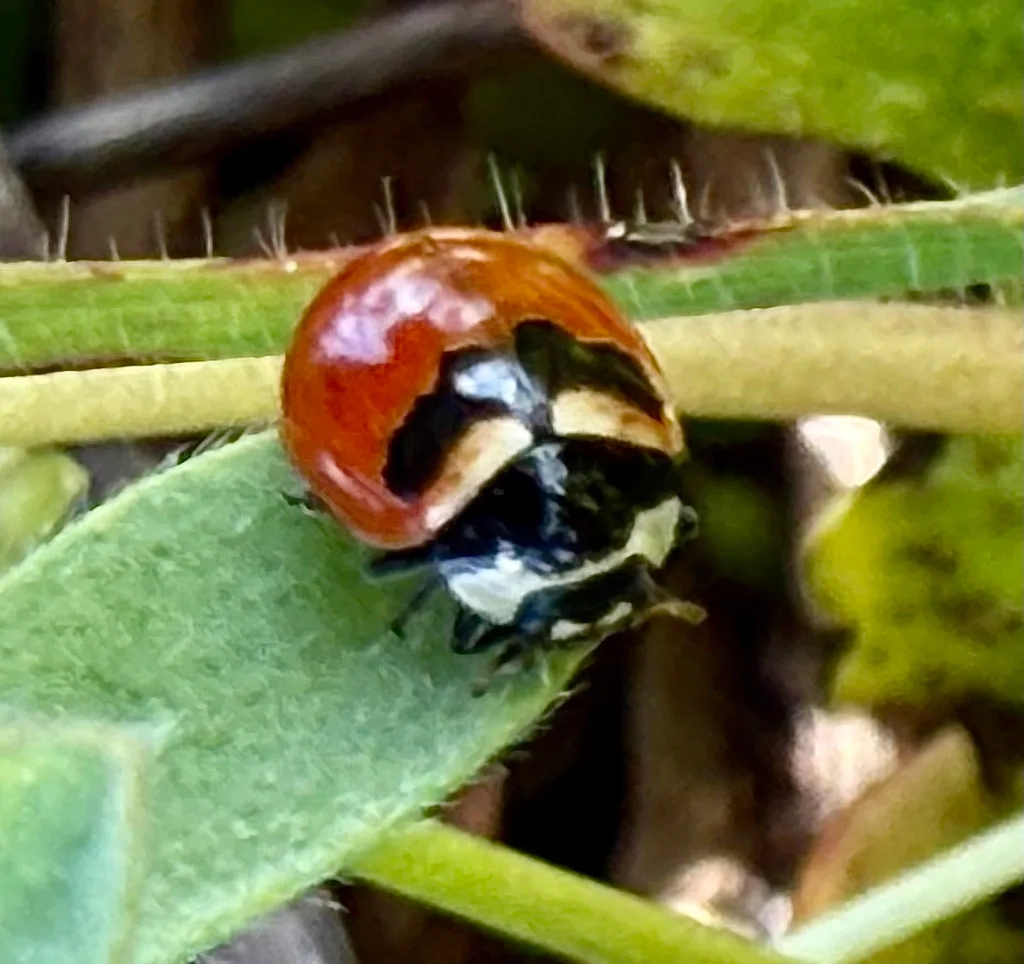
Spider mites are tiny arachnids that thrive in warm, dry conditions. They feed on plant sap, leaving behind stippled, yellowed leaves. Heavy infestations can cause significant leaf drop.
- Look for: Fine webbing on the undersides of leaves or stems. Tiny dots that move quickly. Yellowish or bronzed discoloration on leaves.
- Treatment: Often, a strong spray of water can dislodge them. For persistent problems, insecticidal soap or horticultural oil can be effective.
Recognizing Root Rot and Other Fungal Issues
Root rot, often caused by overwatering, is a serious fungal disease that attacks the roots. It disrupts the tree's water and nutrient uptake, leading to wilting and leaf drop. Other fungal issues can affect the leaves directly, causing spots or blights that eventually lead to shedding.
- Root Rot Symptoms: Yellowing leaves, wilting even when soil is moist, dark, mushy roots, and a foul odor from the soil.
- Leaf Spot Fungi: Visible spots of varying colors (brown, black, yellow) on leaves, which can spread and cause leaves to drop prematurely.
- Prevention: Good drainage, proper watering, and good air circulation are key to preventing these issues. For affected plants, prompt action like repotting into fresh, well-draining soil and treating with appropriate fungicides (following product instructions carefully) is necessary.
Quick Diagnostic Flowchart for Leaf Drop
When your avocado tree is dropping leaves, the most efficient way to find the cause is to follow a logical troubleshooting path. Think of it like diagnosing a lawn mower issue; you start with the most common problems and work your way down. This step-by-step approach helps avoid unnecessary actions and targets the root of the problem quickly.
Step 1: Check Soil Moisture
The very first thing to do is evaluate the soil. Is it bone dry, or is it waterlogged? This simple check often solves half the mystery.
If the soil is bone dry an inch or two down, the tree is likely thirsty.
If the soil is still very wet days after you last watered, you have an overwatering problem. This is particularly common for trees in pots that lack adequate drainage.
Step 2: Inspect Leaf Appearance
What do the leaves look like as they fall or before they fall? Are they turning yellow, crispy brown, or are they spotty? Yellow leaves often point to watering issues or nutrient deficiencies, while crispy brown leaves strongly suggest an underwatering or heat stress problem.
Spotting or unusual discoloration might indicate pest activity or a fungal disease. Examining the leaf surface closely, even the undersides, is crucial for spotting tiny pests.
Step 3: Consider Environmental Factors
Beyond watering, think about the tree's environment. Has there been a recent cold snap, or is it experiencing extreme heat? Sudden temperature fluctuations can heavily stress an avocado tree.
Also, consider the season; some natural leaf shedding happens in spring and fall.
Think about how you might adjust growing conditions, similar to how you'd optimize a grow tent for specific plant needs. This includes looking at factors like light, temperature, and humidity.
What to Do When Leaves Are Dropping: Actionable Steps
Once you've assessed the situation, it’s time to implement solutions based on your diagnosis. The goal is to restore balance to your tree’s environment and care routine. These actions are designed to address the most common reasons for leaf drop promptly and effectively.
Adjusting Your Watering Schedule
If soil moisture tests revealed an issue, it's time to adjust how and when you water. For overwatering, the primary solution is to reduce frequency and ensure excellent drainage. You might need to let the soil dry out more between waterings.
If underwatering is the cause, water more deeply and consistently, especially during dry spells. Don't just sprinkle the surface; aim to moisten the entire root ball. For potted trees, this means ensuring water runs freely from the drainage holes.
This is a cornerstone of good plant care, akin to ensuring correct oil levels in other machinery.
Protecting Your Tree from Temperature Extremes
If your tree is dropping leaves due to cold or heat, protective measures are needed. For frost threats, covering young trees with a breathable cloth or bringing potted plants indoors is essential. This gives them a buffer against damaging low temperatures.
During intense heat waves, consider providing temporary shade. A shade cloth or strategically placed taller plants can offer respite. Always ensure adequate water is available when the weather is extreme.
Proper Fertilization Practices
If nutrient imbalance or over-fertilization is suspected, adjust your feeding strategy. Use a balanced fertilizer specifically designed for avocado or citrus trees. Follow the application rates precisely; more is definitely not better here.
- Application Timing: For established trees, fertilize in spring and again in early summer. Avoid fertilizing stressed or dormant trees.
- Method: Always water the soil well before applying fertilizer to prevent root burn. For potted plants, be extra careful with quantities. Learning about the right kind of fertilizer for grass can offer parallels to understanding plant nutrition needs.
Treating Pests and Diseases
Dealing with pests or diseases requires targeted action. For spider mites, increase humidity and use insecticidal soap or neem oil. For fungal issues like root rot, repotting into fresh, well-draining soil and improving watering practices are critical.
- Inspection: Regular, detailed checks of leaves and soil are your best defense.
- Treatment: Always follow product instructions carefully. For severe infestations or diseases, consult with a local extension office or a horticulturalist. Avoiding these issues is key to maintaining healthy foliage.
Common Mistakes That Worsen Leaf Drop
Sometimes, in an effort to help, we can inadvertently make things worse. Understanding these common errors can prevent further stress on your avocado tree. One of the most frequent mistakes is overcompensating with water when you see yellowing leaves, assuming they're thirsty when they might actually be waterlogged.
Another common error is using the wrong type or too much fertilizer. This can scorch the roots and exacerbate leaf drop rather than solve it. Also, avoid making drastic changes to watering or feeding routines all at once; gradual adjustments are much gentler on the plant.
When to Seek Expert Avocado Tree Help
While many leaf drop issues are manageable with basic care adjustments, sometimes you need a professional opinion. If your tree is severely affected, shows signs of deep-seated disease that you can’t identify, or if your corrective actions aren't yielding results after a couple of weeks, it’s time to call in an expert.
A local arborist or master gardener can provide specific advice tailored to your climate and soil conditions. They can also help diagnose rare pests or diseases that might be impacting your tree. Don't hesitate to reach out if you're feeling unsure; their specialized knowledge can save your tree.