Curling basil leaves can be frustrating, but it's usually a clear sign that your plant is telling you something. The most common reasons for basil leaves curling are stress from watering issues, temperature fluctuations, or pest infestations.
Understanding Basil Plant Leaves Curling
When your basil plant's leaves start to curl, it's a cry for help. This curling is often a protective mechanism or a symptom of imbalance. Think of it like a plant shrugging its shoulders or tucking its leaves in.
Watering Woes: Too Much or Too Little
Basil loves consistent moisture. It doesn't like to sit in soggy soil, which can lead to root rot. But it also wilts dramatically if it dries out too much.
Overwatering: If your basil leaves are curling and look a bit yellow or mushy, you might be overwatering. The roots can't breathe, and they start to fail. This also makes the plant more susceptible to fungal diseases.
Underwatering: When the soil gets too dry, basil wilts. The leaves then curl inward to try and conserve water. This is one of the most straightforward issues to fix.
My Observation: I've seen basil plants in terracotta pots dry out incredibly fast on hot summer days. If you're using a porous pot, check the soil moisture daily.
Temperature and Environmental Stress
Basil is a warm-weather herb. It thrives in temperatures between 70-85°F (21-29°C).
Cold Drafts: Even a brief blast of cold air can shock young basil plants. This can cause leaves to curl, especially those closest to the draft. Keep basil away from open windows during cooler months or in drafty spots.
Sudden Changes: Rapid temperature shifts, like moving a plant from indoors to outdoors too quickly, can cause stress. Acclimate your basil gradually. Put it outside for a few hours at a time for a week before leaving it out permanently.
Hot Sun: While basil loves sun, intense, direct heat all day can scorch its leaves. This can cause them to curl or even brown at the edges. Provide some afternoon shade if your climate is extremely hot.
Nutrient Imbalances and Soil Issues
Basil plants need a good balance of nutrients to thrive. Problems with soil pH or a lack of essential nutrients can lead to curling leaves.
Nitrogen Deficiency: Low nitrogen can cause older leaves to turn yellow and curl downward. Nitrogen is key for leafy growth.
Magnesium Deficiency: This often shows up as yellowing between the veins on older leaves, with the veins themselves staying green. The leaves can then start to curl. Epsom salts (magnesium sulfate) are a common fix for this.
Dissolve about a tablespoon in a gallon of water and use it to water your plants every few weeks.
Soil Drainage: Basil needs well-draining soil. If your soil is compacted or heavy clay, water will sit around the roots. This is a recipe for root rot and nutrient uptake issues, which can manifest as curling.
Pests That Cause Leaf Curl
Several common garden pests love to munch on basil, and their feeding habits can cause leaves to curl.
Aphids on Basil
Aphids are tiny, soft-bodied insects that cluster on new growth and the undersides of leaves. They suck the sap from the plant’s tissues. This feeding stunts growth and causes leaves to distort and curl.
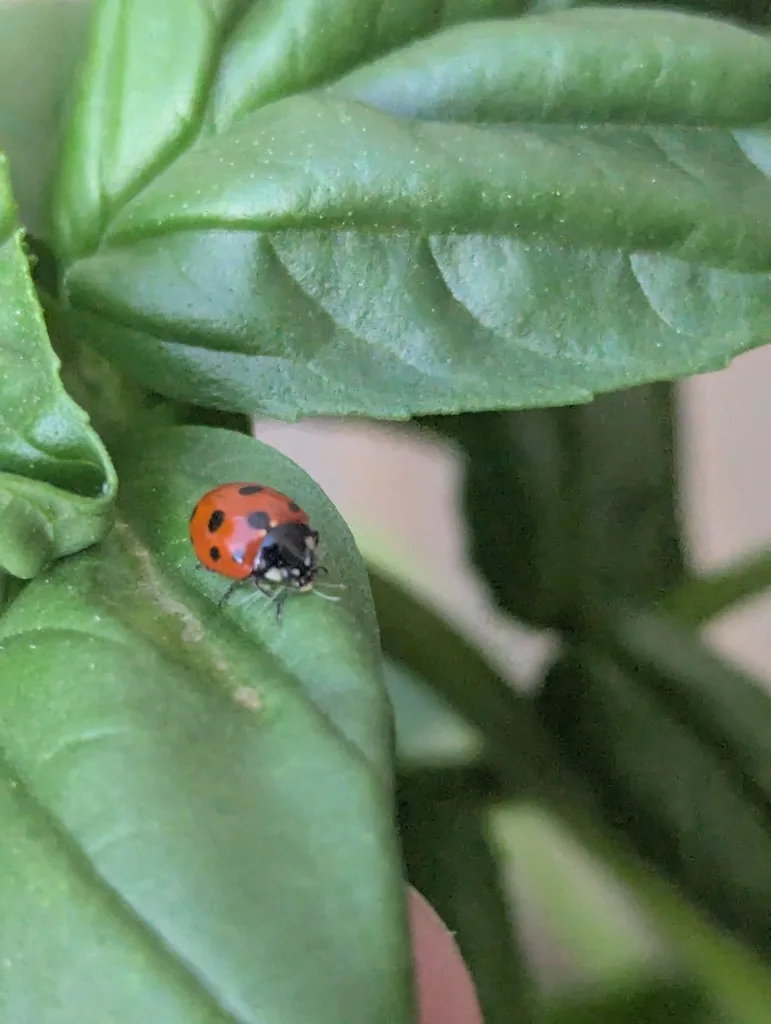
Image source: iNaturalist / Frank Ashwood (CC BY)
A light infestation can sometimes be dealt with by simply washing them off with a strong jet of water. For more stubborn infestations, insecticidal soap or neem oil is often effective.
Spider Mites
Spider mites are even smaller than aphids. You might see fine webbing on your basil plant if they’re present. They also suck the sap from the leaves, leading to stippling (tiny yellow or white dots) and curling.
Mites thrive in dry conditions. Increasing humidity around your basil can help, as can regular misting. Again, insecticidal soap or neem oil can be used.
Thrips
These tiny, slender insects can cause silvering or stippling on leaves. They also transmit viruses. On basil, thrips can cause distorted growth and leaf curling.
Controlling thrips can be tricky. Sticky traps can help monitor their presence. Insecticidal soap and neem oil are good first lines of defense.
Fungal Diseases
Certain fungal diseases can affect basil and cause leaf curl as a symptom.
Fusarium Wilt: This is a soil-borne fungus. It blocks the plant’s vascular system, preventing water and nutrients from reaching the leaves. You'll often see yellowing on one side of the plant first, followed by wilting and curling leaves.
Unfortunately, there's no cure once a plant is infected.
Powdery Mildew: While more commonly seen as a white, powdery growth on leaves, severe powdery mildew can stress the plant and cause some distortion and curling. Good air circulation and avoiding overhead watering help prevent this.
Common Mistakes Leading to Curling Basil
Many gardeners encounter curling leaves due to a few common missteps. Avoiding these will set you up for success.
- Inconsistent Watering: Letting basil dry out completely and then flooding it. Basil prefers a steady moisture level.
- Sudden Temperature Changes: Moving plants outdoors without hardening them off properly. This shock can cause leaves to curl.
- Poor Drainage: Planting basil in heavy, waterlogged soil that suffocates the roots.
- Neglecting Pests: Not checking the undersides of leaves regularly for tiny pests like aphids or spider mites.
Watering Schedule and Techniques
Establishing a good watering routine is crucial for basil. The goal is to keep the soil evenly moist but not waterlogged.
Check Moisture: Stick your finger about an inch into the soil. If it feels dry, it's time to water. If it still feels moist, wait a day and check again.
Water the Soil, Not the Leaves: Watering the base of the plant helps prevent fungal diseases. It also ensures the water goes directly to the roots where it's needed.
Potting Mix: Use a good quality potting mix that drains well. If you're planting in the ground, amend heavy clay soil with compost to improve drainage.
Sunlight and Airflow Needs
Basil loves sunlight, but it shouldn't be baking in scorching heat all day long.
Sunlight: Aim for at least 6-8 hours of direct sunlight per day. If you live in a very hot climate, afternoon shade can be beneficial for basil.
Airflow: Good air circulation helps prevent pests and diseases. Don't plant basil too close together. If growing indoors, ensure the room is well-ventilated.
Fertilizing Basil Properly
Over-fertilizing or using the wrong type of fertilizer can also stress basil and cause leaf curl.
Less is More: Basil generally doesn't need heavy feeding. A light feeding every 4-6 weeks with a balanced liquid fertilizer or compost tea is usually sufficient for potted plants.
Compost: Adding compost to your soil at planting time provides a slow release of nutrients that basil loves. This can often be enough.
Troubleshooting Curling Basil: A Step-by-Step Guide
When you notice curling leaves, don't panic. Work through these steps systematically.
- Check Soil Moisture: This is the first and easiest thing to check. Is the soil too dry or too wet? Adjust your watering accordingly.
- Inspect for Pests: Carefully examine the tops and undersides of leaves and stems. Look for tiny insects, webbing, or stippling. If you find pests, treat them promptly.
- Evaluate Environmental Conditions: Has there been a sudden temperature change? Is the plant in direct, intense sun all day? Is it near a draft?
- Consider Nutrients: If watering and pests are ruled out, think about your fertilizing habits. Is it possible the plant is lacking a nutrient, or has it been overfed?
- Observe Disease Symptoms: If all else fails, look for signs of fungal diseases, such as discoloration or wilting patterns.
Identifying Different Types of Curl
The way leaves curl can sometimes give you a clue about the cause.
Downward Curl: Often indicates underwatering or nutrient deficiency, particularly nitrogen. Leaves might also turn yellow.
Inward Curl: Can be a sign of heat stress or underwatering. The plant is trying to protect itself.
Twisted or Distorted Curl: This is frequently a sign of pest activity (aphids, thrips) or sometimes herbicide damage.
How to Revive a Stressed Basil Plant
Reviving stressed basil often involves correcting the underlying issue and being patient.
- Adjust Watering: For underwatered plants, water thoroughly until water drains from the pot. For overwatered plants, let the soil dry out a bit and ensure good drainage.
- Provide Shade: If heat stress is suspected, move the plant to a spot with afternoon shade.
- Treat Pests: Use insecticidal soap, neem oil, or a strong water spray to remove pests. Repeat treatments as needed.
- Add Nutrients (Carefully): If a nutrient deficiency is suspected, use a balanced liquid fertilizer or Epsom salts sparingly. Avoid over-fertilizing.
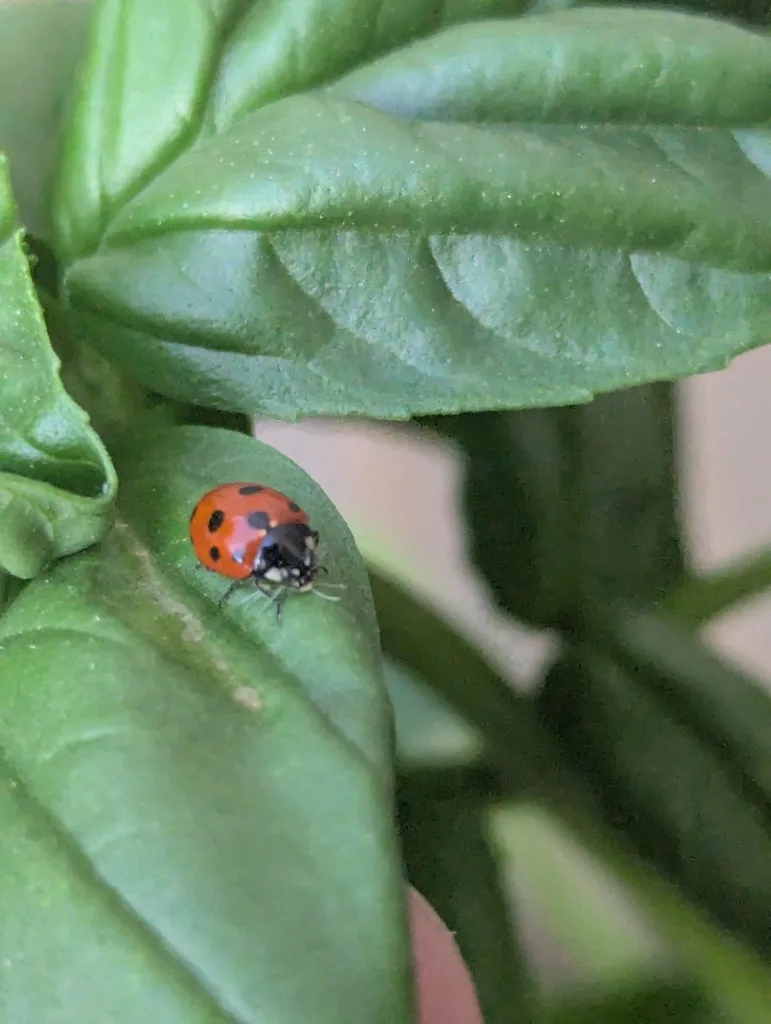
Image source: iNaturalist / Frank Ashwood (CC BY)
Pests and Diseases Related to Basil Leaf Curl
Let's dive a bit deeper into the common culprits that can make your basil leaves curl. Understanding these specific issues helps in targeted treatment.
Aphids: The Sap-Sucking Scourge
Aphids are probably the most frequent pest I encounter on basil. They are small, usually green or black, and gather in colonies. You'll typically find them on new shoots and the undersides of leaves.
Signs: Curling, yellowing leaves, stunted growth, and a sticky residue called honeydew. Honeydew can attract sooty mold.
Treatment:
- Water Blast: A strong spray of water can dislodge many aphids.
- Insecticidal Soap: This is very effective. It breaks down the aphids' outer layer. You'll need to get the spray directly on them.
- Neem Oil: Another great organic option that disrupts their feeding and growth.
- Attract Beneficials: Ladybugs and lacewings are natural predators of aphids. Planting companion plants like dill or marigolds can help attract them.
Spider Mites: Tiny Terror
These arachnids are difficult to see with the naked eye. You'll notice fine, silky webbing on the plant. Their feeding causes stippling, where tiny white or yellow dots appear on the leaves.
Signs: Yellowing, bronzing, or silvery stippling, leaf drop, curling leaves, and fine webbing.
Treatment:
- Increase Humidity: Spider mites hate humidity. Misting the plant regularly can help.
- Wash Plants: Gently washing the leaves can knock them off.
- Insecticidal Soap or Neem Oil: Effective for controlling mite populations.
- Prune Affected Areas: Remove heavily infested parts to prevent spread.
Fungal Issues: The Hidden Danger
Fungal diseases often thrive in damp, humid conditions with poor air circulation.
Powdery Mildew: Appears as white, powdery patches on leaves. It weakens the plant, leading to curled or distorted leaves.
Treatment:
- Improve Airflow: Space plants adequately.
- Avoid Overhead Watering: Water the soil directly.
- Baking Soda Spray: A solution of 1 teaspoon baking soda and half a teaspoon of liquid soap in a gallon of water can help.
- Fungicides: Organic fungicides like potassium bicarbonate can be used.
Fusarium Wilt: This is a serious one. It affects the vascular system.
Signs: Wilting, yellowing on one side, and leaf curling, often starting from the base. It's difficult to recover from.
Treatment:
- Prevention is Key: Start with disease-free plants and soil.
- Crop Rotation: Don't plant basil in the same spot year after year if you've had fusarium issues.
- Discard Infected Plants: Remove and destroy any plants showing signs of fusarium wilt. Do not compost them.
Basil Growing Conditions at a Glance
Here's a quick rundown of what your basil plant needs to be happy and to avoid issues like leaf curl.
| Condition | Ideal Range/Description | Notes for Preventing Leaf Curl |
|---|---|---|
| Sunlight | 6-8 hours direct sunlight per day | Protect from harsh afternoon sun in very hot climates. |
| Temperature | 70-85°F (21-29°C) | Avoid cold drafts or sudden temperature drops. |
| Watering | Keep soil consistently moist, but not waterlogged | Water when the top inch of soil is dry. Ensure good drainage. |
| Soil | Well-draining, rich potting mix or garden soil | Amend heavy soils with compost to improve drainage. |
| Humidity | Moderate | Misting can help with spider mites, but can promote fungal issues. |
| Fertilizer | Light feeding every 4-6 weeks (balanced liquid or compost) | Avoid over-fertilizing, which can cause leaf burn and curl. |
| Spacing | 10-12 inches apart for outdoor plants | Crucial for airflow, preventing pests and diseases. |
| Growth Timeline | Germinates in 7-14 days; ready for harvest in 60-80 days | Rapid growth indicates good conditions; slow growth may signal stress. |
Data & Analytics: Understanding Basil's Needs and Stressors
Basil (Ocimum basilicum) is a beloved herb globally, with annual sales in the US gardening market estimated in the tens of millions of dollars. Studies indicate that basil’s growth rate is highly sensitive to environmental factors. For instance, optimal germination rates occur between 70-85°F, with temperatures below 50°F significantly inhibiting growth.
Research in horticulture consistently shows that water stress, both drought and waterlogging, can reduce basil biomass yield by as much as 20-30% in a single growing season.
A common observation in urban gardening networks is that basil grown in containers on balconies or patios experiences more rapid drying of soil, leading to under watering issues in periods of high heat, with leaf curl rates potentially exceeding 40% during heatwaves if watering isn't diligently managed. Conversely, in garden beds with poor drainage, waterlogged conditions can lead to root rot in 3-5 days during prolonged wet spells, manifesting as both wilting and leaf curl. Pest infestations, particularly aphids, can reach populations that cause visible leaf distortion and curling within 7-10 days of initial colonization under favorable warm conditions.
Basil plants typically reach maturity for harvesting leaves within 60-80 days from sowing or transplanting. Yield expectations can vary wildly, but a healthy, well-maintained plant can produce upwards of 2-3 cups of fresh leaves per week during peak summer growth. Seasonal performance data from extension offices often highlight that spring plantings are less prone to heat stress curling, while late summer plantings might develop more pest issues as insect populations peak.
The growth rate slows significantly when temperatures consistently drop below 65°F, impacting leaf production.
Expert Opinion
In my two decades of gardening, I’ve found that basil is a plant that really communicates its needs through its leaves. Curling is almost always a signal of distress, and it’s rarely something catastrophic if caught early. The most common mistake I see beginners make is overwatering.
They think more water equals a happier plant, but basil roots need air! Constantly soggy soil is a death sentence.
What works best in a real garden? Consistent, but not excessive, watering. If you’re planting in the ground, enrich your soil with compost for excellent drainage and fertility.
For pots, use a good potting mix and check the moisture daily, especially in summer heat. I’ve found that many problems, like aphids, can be solved with a simple blast of water from the hose or a strong insecticidal soap application. Don’t reach for harsh chemicals right away.
Remember to give your basil enough space. Overcrowding is a fast track to airflow problems, which then leads to fungal diseases and makes pests feel right at home. If you get a bout of powdery mildew, don't be afraid to prune away affected leaves.
It seems harsh, but it encourages new, healthy growth.
My top tip? Trust your senses. Feel the soil, look closely at the leaves, and pay attention to the weather.
Basil is forgiving if you address its needs promptly. Often, a curled leaf is just a temporary phase your plant is going through because it got too thirsty or too hot for a bit. Correct the issue, and watch it bounce back.
Common Questions About Basil Plant Leaves Curling
Q1: Why are my basil leaves curling downwards?
This usually indicates the plant is underwatered. The leaves curl inward to conserve moisture. Check the soil; if it's dry, water thoroughly.
It can also be a sign of nitrogen deficiency.
Q2: My basil leaves are curling upwards. What's wrong?
Upward curling can sometimes indicate heat stress or that the plant is getting too much direct sun, especially during the hottest part of the day. It might also be a response to certain pests like spider mites.
Q3: Is it okay to eat basil leaves that have curled?
If the curling is due to minor stress like temporary underwatering or mild heat, the leaves are generally safe to eat, though their texture might be a bit tougher. However, if the curling is caused by pests or diseases, it’s best to avoid consuming those leaves.
Q4: How do I fix curled basil leaves caused by pests?
Identify the pest (like aphids or spider mites). For light infestations, a strong spray of water and regular misting can help. For more persistent pests, use insecticidal soap or neem oil according to product instructions.
Q5: Can over-fertilizing cause basil leaves to curl?
Yes, over-fertilizing can cause leaf burn and distortion, leading to curling. Basil doesn't need a lot of fertilizer. Stick to a light feeding schedule or rely on nutrient-rich soil amendments like compost.
Q6: What should I do if my basil plant has yellow leaves and is curling?
Yellowing combined with curling can point to watering issues (too much or too little) or nutrient deficiencies, often nitrogen. Assess your watering habits and consider a light feeding with a balanced fertilizer or compost tea if the soil is poor.
Q7: How can I prevent my basil leaves from curling in the first place?
Provide consistent moisture, ensure good drainage, offer adequate sunlight (but protect from scorching afternoon sun in hot climates), maintain appropriate temperatures (avoiding cold drafts), and practice good pest and disease management through regular inspection and proper airflow.
Adapting to Container Growing
Growing basil in pots is super popular, especially for folks with limited space. It gives you control over the soil and location. However, pots dry out much faster than garden beds, meaning you need to be extra vigilant with watering.
I’ve found that using self-watering pots can be a game-changer for basil in containers. These pots have a reservoir that slowly releases water into the soil, helping to maintain that consistent moisture level basil craves andpreventing the rapid drying that leads to leaf curl. Always ensure your pots have drainage holes, no matter what type they are.
Companion Planting for Basil
Planting basil with other herbs or vegetables can offer benefits, including deterring pests. While the scientific evidence for some claims is debated, many gardeners swear by planting basil near tomatoes, peppers, and other herbs like oregano or rosemary. The idea is that basil's strong scent can confuse or repel common basil pests like aphids.
Companion planting can also improve soil health and water usage. It's a great way to create a mini-ecosystem in your garden. You can explore more about companion planting on resources like the Gardenten Resources Links.
Fertilizing and Soil Amendments
Basil isn't a heavy feeder. In fact, over-fertilizing can be detrimental, leading to leaf burn and that dreaded curling. If you're planting in good quality potting mix or have amended your garden soil with plenty of compost, you might not need much additional fertilizer at all.
A light feeding with a balanced liquid fertilizer, perhaps diluted to half strength, every 4-6 weeks is usually sufficient. Compost tea is another fantastic, gentle option. For potted basil, using a high-quality mix with good drainage is key.
If you notice significant yellowing between the leaf veins, a little Epsom salt (magnesium sulfate) dissolved in water can help correct a magnesium deficiency.
Understanding Basil's Lifecycle and Harvesting
Basil plants grow best in warm weather, typically thriving from late spring through early fall. As the plant matures, it will start to produce flowers. While flowering is a sign of the plant reaching its reproductive stage, it can also signal a shift in the plant's energy.
The leaves may become more bitter, and the plant's focus moves away from leaf production and towards seed production. To encourage bushier growth and more leaves, it’s best to pinch off the flower buds as soon as you see them. This practice, known as "pinching," is essential for maximizing your basil harvest and preventing the plant from investing its energy into flowers.
Conclusion
Basil plant leaves curling is a signals your plant needs attention. Most often, it's due to inconsistent watering, either too much or too little, or environmental stresses like extreme temperatures or pests. By regularly checking your soil moisture, inspecting for pests, and ensuring your basil is in a suitable environment, you can prevent most curling issues.
To keep your basil happy and its leaves unfurled, aim for consistent moisture without waterlogging, provide at least 6-8 hours of sunlight, and protect it from cold drafts and scorching heat. If you do encounter leaf curl, systematically check for these common causes and address them promptly. With a little care and observation, you can enjoy a bountiful harvest of fragrant, healthy basil all season long.
FAQ
Q: What's the single most common reason for basil leaves curling?
A: Inconsistent watering, meaning the soil is either too dry or too soggy, is the most frequent culprit.
Q: Can I use household items to treat pests causing leaf curl?
A: Yes, a gentle insecticidal soap made from liquid soap and water, or neem oil, are effective organic treatments for common pests like aphids.
Q: If I prune off curled leaves, will my basil grow back healthy?
A: Yes, if the underlying cause is corrected, pruning off damaged leaves encourages new, healthy growth.
Q: How often should I fertilize my basil if it's in a pot?
A: Basil in pots typically needs light feeding every 4-6 weeks with a balanced liquid fertilizer or compost tea, but avoid over-fertilizing.
Q: Does the type of basil affect its tendency to curl?
A: While all basils can curl under stress, some varieties might be slightly more sensitive to specific conditions than others due to their leaf structure or growth habit.
Q: Is it too late to fix basil if the leaves are already curled?
A: Not at all. If you address the cause, many curled basil leaves will flatten out as the plant recovers.
Q: What is the best drainage method for basil pots?
A: Ensure pots have drainage holes and use a well-draining potting mix. Avoid letting pots sit in saucers full of water.
Q: Can stress from transplanting cause basil leaves to curl?
A: Yes, transplant shock can cause temporary leaf curl. Acclimating your basil gradually and ensuring consistent conditions after transplanting will help it recover.