
It can be disheartening when your once-promising basil plant seems to have stopped growing. If you're looking at stunted leaves or thin, leggy stems, you're probably wondering what went wrong.
The good news is that a basil plant not growing is usually a sign of a simple, fixable issue, rather than a disease. Most problems stem from common care mistakes that are easy to correct once you know what to look for.
Quick Answer
A basil plant not growing typically means it's lacking something essential like light, water, or nutrients, or it's suffering from stress. Signs like yellowing leaves, weak stems, or stalled growth point to these environmental factors. Properly addressing these needs, often with more sunlight and consistent watering, can revive your plant.
Sunlight Scrutiny: Is Your Basil Thirsty for Light?
Basil is a sun-worshiper. For robust growth and that signature flavor, it ideally needs at least six to eight hours of direct sunlight each day. If your plant is indoors, a south-facing window is usually best.

If you're struggling to provide enough natural light, especially during shorter winter days or in a shadier spot, consider supplementing with grow lights. LED grow lights designed for plants are energy-efficient and effective. Manufacturer specifications indicate that many full-spectrum LED lights can provide the necessary intensity for healthy basil growth.
- Leggy Growth: Stretched, thin stems with large gaps between leaves are a classic sign of insufficient light. The plant is literally reaching for more.
- Pale Leaves: A lack of chlorophyll production due to low light can make basil leaves appear pale green or even yellowish.
- Slow or Stalled Growth: Without adequate energy from sunlight, your plant simply won't have the power to grow vigorously.
If your plant is exhibiting these issues, try moving it to a sunnier location or introducing supplemental lighting. This is often the most impactful change you can make. For those building out their own indoor growing space, understanding the amount of light needed is a key consideration in any dedicated growing area.
Watering Woes: The Fine Line Between Enough and Too Much
Water is crucial, but it's also one of the most common pitfalls for basil growers. It's a delicate balance; too much or too little can halt growth and cause serious problems.
Underwatering Signs & Fixes
When basil doesn't get enough water, it shows it quickly. Leaves will start to droop and wilt, sometimes quite dramatically. The soil will feel dry to the touch, often several inches down.
- Wilting: This is the plant's cry for hydration.
- Dry, Crumbly Soil: The potting mix won't hold moisture.
- Stunted Growth: Without water, cellular processes slow down.
If you suspect underwatering, give your basil a thorough drink. Water until you see it draining from the bottom of the pot. Then, adjust your watering schedule.
Stick your finger about an inch or two into the soil; if it feels dry, it's likely time to water again.
Overwatering Signs & Fixes
Overwatering is just as damaging, if not more so, than underwatering. Soggy soil deprives the roots of oxygen and creates an environment where fungal diseases can thrive, leading to root rot.
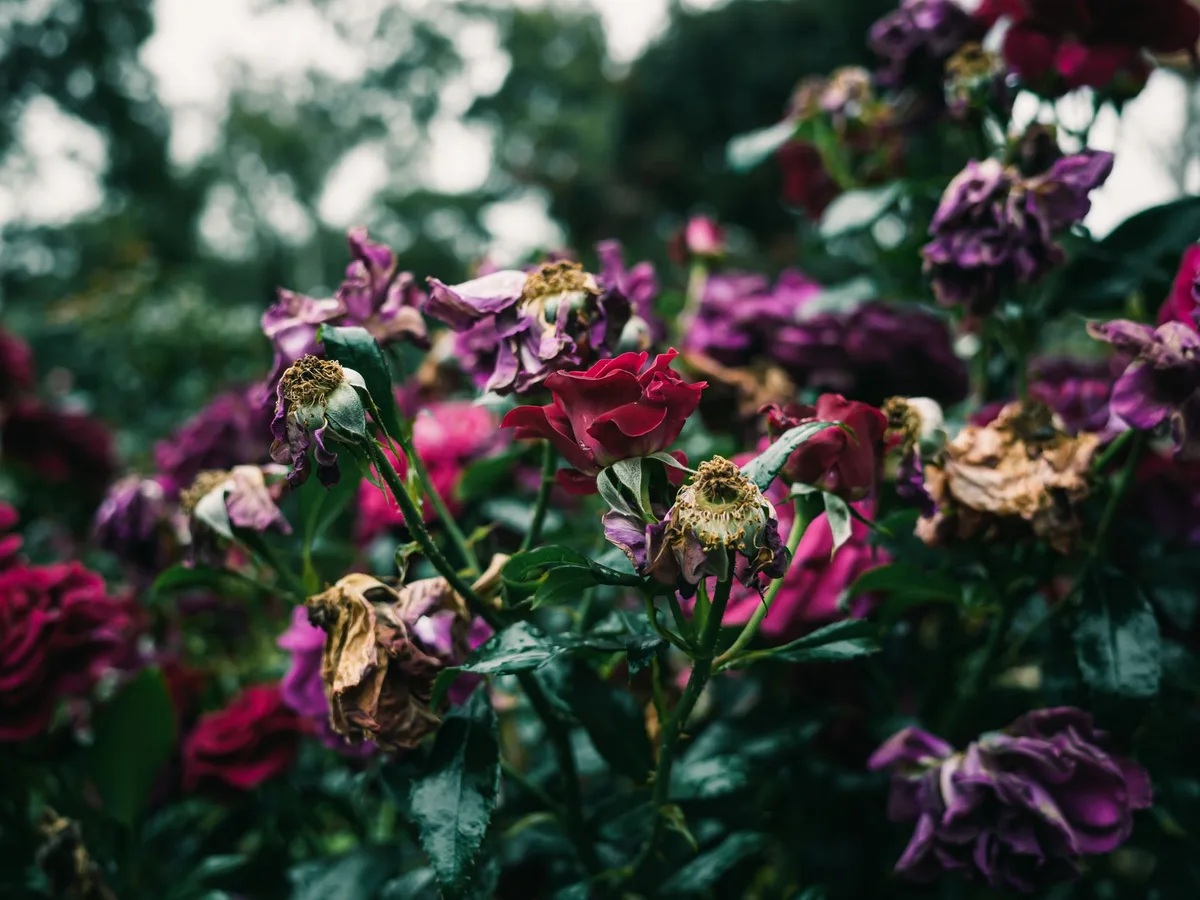
- Yellowing Leaves with Brown Edges: This is a common symptom where the plant is drowning and unable to process nutrients correctly.
- Wilting Despite Moist Soil: This paradoxical symptom means the roots are likely damaged and can't take up water, even though it's present.
- Mushy Stem Base: A sign that root rot has set in.
- Stunted Growth: Because roots are damaged or rotting, growth stops.
To fix overwatering, first, let the soil dry out considerably. Ensure your pot has drainage holes. If it doesn't, repot into a container that does.
For persistent issues, consider using a potting mix specifically designed for good drainage. Sometimes, the issue isn't just water quantity but the poor drainage of the soil itself. Aggregated user reviews often point to using a lighter, well-aerated potting mix for herbs like basil.
Soil Secrets: Drainage and Nutrients Matter
The foundation of healthy basil growth is good soil. It needs to retain moisture without becoming waterlogged and provide essential nutrients.
Drainage Disaster: Why Soggy Roots Spell Trouble
As mentioned, basil absolutely hates sitting in water. Roots need to breathe, and constantly wet soil suffocates them. This leads to root rot, a fungal issue where the roots turn brown, mushy, and stop functioning, effectively stopping your plant's growth dead in its tracks.
The potting mix you choose is critical. A heavy, dense soil will hold too much water. You're looking for a mix that's light and airy, allowing excess water to escape easily.
For indoor potted basil, a good quality potting mix amended with perlite or vermiculite can make a big difference. If you're planting outdoors, ensure your garden beds have good natural drainage. If your soil is heavy clay, you might need to amend it with compost or improve its structure, much like you might prepare ground for other garden plants.
Nutrient Niggles: Is Your Basil Hungry?
Even with perfect light and water, basil needs food to grow. While potting mixes contain some nutrients, these get depleted over time, especially in containers. If your basil is slowing down after several weeks or months, it might be lacking certain elements.
Nutrient deficiencies can manifest in a few ways:
- Yellowing Leaves (interveinal chlorosis): Often indicates a lack of nitrogen or iron. The veins of the leaves stay green, but the tissue between them turns yellow.
- Stunted Growth: A general lack of key nutrients will slow down all plant processes.
- Small Leaves: If leaves aren't developing to their normal size, it can be a sign of micronutrient deficiency.
Regular feeding can prevent this. A balanced liquid fertilizer, diluted to half strength, can be applied every 2-4 weeks during the growing season. It's important to use a fertilizer formulated for herbs or vegetables, as they contain the right balance of macronutrients (nitrogen, phosphorus, potassium) and micronutrients.
Applying the wrong type of fertilizer, like one that's too high in nitrogen, can sometimes lead to lush foliage but a weaker plant overall. Understanding what fertilizer your grass needs is a different matter than what herbs require; always read the label.
Temperature Troubles: Too Hot or Too Cold?
Basil is a warm-weather herb and is quite sensitive to temperature fluctuations. Extreme heat or cold can stun its growth.
- Cold Stress: Basil plants are damaged by temperatures below 50°F (10°C). Frost will kill them outright. If nighttime temperatures frequently dip below 50°F, bring potted basil indoors or cover outdoor plants. This is especially important in early spring or late fall.
- Heat Stress: While basil loves sun, prolonged periods of extreme heat (consistently over 90°F or 32°C) combined with dry conditions can also cause stress. Leaves might droop, and growth can slow. Ensure adequate watering during heatwaves.
If you've recently moved your basil plant, either indoors or outdoors, and growth has stalled, it might be struggling to adjust to a new temperature environment. This is known as transplant shock. Give it a few days to acclimate, ensuring it has consistent conditions.
Pest Patrol: Tiny Invaders Stalling Growth
Even healthy plants can be brought to a standstill by tiny pests. Aphids, spider mites, and whiteflies are common culprits that can plague basil, sucking the life out of its leaves and slowing down its growth.
- Aphids: These small, pear-shaped insects cluster on new growth and the undersides of leaves, feeding on sap. They can cause yellowing, distorted leaves, and stunt growth. Sometimes, you'll see tiny black specks, which are their droppings.
- Spider Mites: These are hard to see, but they leave behind fine webbing, usually on the undersides of leaves. Infested leaves develop stippling (tiny yellow dots) and can eventually turn yellow and drop.
- Whiteflies: These tiny white, moth-like insects fly up when disturbed and tend to gather on the undersides of leaves. They also feed on sap, weakening the plant and hindering its development.
Regular inspection is key. Check your basil plants frequently, especially the undersides of leaves. If you spot pests, try a gentle approach first.
A strong spray of water can dislodge many common pests. For more stubborn infestations, insecticidal soap or neem oil is often effective. Always follow product instructions carefully to avoid damaging the plant, especially near harvest time.
Disease Detection: Spotting and Stopping Fungal Fiascos
While pests are one concern, fungal diseases can also halt basil growth, often as a secondary problem to overwatering or poor air circulation. Fusarium wilt and Downy mildew are two of the more common issues.
- Fusarium Wilt: This is a soil-borne fungus that enters the plant through the roots. It blocks the plant's vascular system, preventing water and nutrients from reaching the leaves. You'll typically see one side of the plant wilt and turn yellow, spreading rapidly to the whole plant. The stem might also show discoloration inside.
- Downy Mildew: This disease appears as yellow, dusty patches on the top of leaves, with a fuzzy, grayish-purple growth on the undersides, especially in humid conditions. It significantly weakens the plant and stunts its growth.
Prevention is the best strategy for disease control. Ensure good air circulation around your plants, avoid overhead watering that keeps leaves wet, and use sterile potting mixes. If you suspect a fungal issue, remove affected leaves immediately.
For severe infections like Fusarium wilt, it's often best to discard the plant to prevent it from spreading to other healthy herbs. Properly composting diseased plant material is important to avoid reintroducing the pathogen to your garden.
Leggy Basil Blues: What’s Causing Stretched Stems?
Leggy basil, characterized by long, weak stems with sparse leaves, is a visual cue that your plant isn't getting what it needs to grow thick and bushy. We've touched on the primary cause: insufficient light.
When basil doesn't receive enough light, it focuses its energy on simply reaching upwards, hoping to find a sunnier spot. This results in those elongated, often pale stems. It’s the plant’s way of trying to survive, not thrive.
Beyond light, other factors can contribute to legginess:
- Overcrowding: If plants are too close together, they compete for light, leading to leggy growth in a bid to outgrow their neighbors.
- Warm Temperatures with Low Light: The combination can exacerbate legginess. The plant "wants" to grow due to warmth, but lacking light, it stretches.
The solution here is multi-pronged. First, ensure adequate light exposure, as detailed earlier. If your plants are in a pot, thin them out if they're too crowded, or repot them into larger containers with more space between them.
Regular pinching back also encourages bushier growth, which we'll discuss later.
Is It Bolting? Recognizing When Basil Wants to Flower Too Soon
Bolting is when a plant prematurely sends up a flower stalk, signaling the end of its vegetative growth phase. For basil, this is undesirable because once it bolts, the flavor of the leaves changes, becoming more bitter and less desirable for cooking.
Signs your basil might be bolting include:
- Flower Stalks Appearing: You'll see a central stalk growing upwards, with tiny buds forming at the top.
- Leaves Becoming Bitter: Even before flowering, the taste can start to change.
- Growth Slowdown: The plant redirects energy from leaf production to flowering.
Several factors can trigger bolting:
- Temperature Stress: High heat is a major factor. If temperatures are consistently high, especially combined with dry soil, the plant may panic and try to reproduce.
- Long Day Length: While basil needs sun, excessively long days can sometimes trigger flowering in certain varieties.
- Drought Stress: Inconsistent watering can also stress the plant into bolting.
To prevent bolting, keep your basil consistently watered, especially during hot weather. Pinch off any developing flower buds as soon as you see them. This encourages the plant to continue producing leaves rather than flowers.
Keep it in a location with good airflow; this helps with temperature regulation too. For continuous harvests, consider planting new basil seeds every few weeks.
Transplant Shock: Helping Your Basil Recover After a Move
If your basil plant suddenly stopped growing after you moved it, either from a nursery pot to a larger one, from indoors to outdoors, or to a new location, it's likely suffering from transplant shock. This is a common reaction as the plant adjusts to new conditions.
Signs of transplant shock include:
- Wilting: Leaves may droop or appear limp.
- Yellowing Leaves: This can occur as the plant conserves energy.
- Stunted Growth: Growth will essentially pause for a period.
Here’s how to help your basil recover:
- Provide Consistent Conditions: Keep the plant in a location with stable temperature and adequate, but not excessive, light for a few days. Avoid direct, harsh sunlight immediately after transplanting.
- Water Carefully: Ensure the soil stays consistently moist but not waterlogged. Avoid fertilizing immediately after transplanting, as the plant's roots are already stressed. Wait at least two to three weeks before introducing any fertilizer.
- Minimize Disturbances: Avoid unnecessary handling or moving of the plant during this sensitive period.
Most basil plants will bounce back within a week or two with proper care. If wilting persists past that, re-evaluate watering and light conditions, as these could be signs of underlying issues exacerbated by the transplant.
Pruning Power: Encouraging Bushier Growth
Once your basil plant is healthy and showing signs of new growth, regular pruning is essential for managing its shape and encouraging it to grow fuller. This might seem counterintuitive when you're already struggling with slow growth, but strategically pinching back your basil makes it branch out more.
- Pinching: When your basil plant reaches about 6 inches tall, or has several sets of leaves, pinch off the top set of leaves just above a leaf node (where leaves attach to the stem). You can do this with your fingernails or clean scissors. This action signals the plant to produce two new stems from that node, making it bushier instead of just growing taller.
- Harvesting: Regular harvesting of leaves also promotes new growth. When you harvest, take leaves from the top of the plant, again just above a leaf node. This not only gives you fresh basil for your kitchen but also encourages the plant to branch out and produce more.
If your basil is already leggy, pinching it back will still help it branch out from the nodes lower down the stem, eventually creating a fuller plant. Don't be afraid to prune; basil is very forgiving and thrives on this attention. Many growers find that consistent pinching is key to a productive herb garden.
Expert Tips for a Thriving Basil Plant
Beyond the basics, a few pro tips can elevate your basil care and ensure consistent growth. These are the little things that make a big difference for both indoor and outdoor plants.
- Air Circulation: Good airflow is vital, especially for indoor plants. It helps prevent fungal diseases and strengthens stems. If your plants are in a grow tent, ensure your ventilation is properly set up. Even on a windowsill, try not to crowd plants too closely together.
- Pot Size: Basil plants, especially those grown from seed, benefit from being moved to larger pots as they grow. A pot that is too small restricts root development, which directly limits top growth. For a mature plant, a pot at least 8 to 10 inches in diameter is recommended. Consider the grow tent size guide if you're using a dedicated growing space.
- Harvesting Time: The best time to harvest basil leaves is in the morning, after the dew has dried but before the heat of the day. This is when the essential oils are most concentrated, giving you the best flavor and aroma.
These practices, combined with consistent attention to light, water, and soil, create an optimal environment for your basil to flourish.
What to Do When Nothing Else Works
If you've tried everything, adjusting light, water, soil, and pest control, and your basil plant still isn't growing, it might be time to consider a few less common issues or simply accept that this plant may not recover. Sometimes, the genetic vigor of a particular plant can be lower, or it may have sustained damage that isn't immediately visible.
- Root Bound: In very rare cases, a plant can become so root-bound in its pot that even repotting doesn't solve the issue without careful root pruning. If you suspect this, gently slide the plant out of its container to inspect the roots. If they are tightly coiled around the bottom, careful untangling or even some root pruning may be necessary.
- Underlying Disease: While less common for basil not growing, a systemic disease could be at play that you haven't identified. If the plant looks generally unhealthy or shows symptoms of disease that don't resolve, it might be best to discard it to prevent spreading issues.
- Age of the Plant: Basil is an annual herb, and its growth cycle naturally slows down as it ages, especially if it has gone to seed. If your plant is old and has already been harvested from extensively, it may simply be reaching the end of its life.
It’s also worth remembering that while basil thrives in warmth, very prolonged periods of extreme heat can stress it, even if other conditions are perfect. If you're in a region experiencing a severe heatwave for weeks on end, your plants might need extra TLC.
Frequently Asked Questions
Why are my basil leaves turning yellow?
Yellowing leaves on basil can signal overwatering, underwatering, or a lack of nutrients. Check your soil moisture first; if it's constantly wet, reduce watering. If it's dry, water more frequently.
If those aren't the issues, your plant might need a balanced liquid fertilizer.
How much sunlight does basil really need?
Basil needs at least six to eight hours of direct sunlight daily for optimal growth. A south-facing window is ideal for indoor plants, or a spot in your garden that gets full sun.
Can I prune a leggy basil plant?
Yes, you absolutely can and should prune a leggy basil plant. Pinching off the leggy stems just above a leaf node encourages branching and a bushier, healthier plant.
What's the difference between overwatering and underwatering symptoms?
Both can cause wilting, but overwatering often leads to yellowing leaves with brown edges and a generally soggy plant that doesn't recover even when watered. Underwatering results in droopy leaves and dry soil that your plant will perk up from once watered thoroughly.
When should I fertilize my basil?
Fertilize your basil every 2-4 weeks with a diluted, balanced liquid fertilizer during its active growing season. Avoid fertilizing immediately after transplanting or if the plant shows signs of stress.