Your bell pepper plant wilting can feel like a garden emergency. One day it's fine, the next it's drooping. But here's the thing: most of the time it's fixable.
The cause is usually one of a handful of common issues, and with a little detective work you can save your plant.
Our research shows that overwatering is the number one cause of wilting in home gardens. As of 2026, university extension services consistently report that more plants are killed by kindness than by drought. The key is learning to read what your plant is telling you.
Let's walk through the diagnostic steps together.

Image source: YouTube / Pepper Geek (YouTube thumbnail (fair-use with source credit))
Quick Answer
Bell pepper plant wilting has four main causes. Check the soil first. If it's wet, you're overwatering.
If it's dry, underwatering is likely. Heat stress causes afternoon wilt that recovers overnight. Disease shows brown streaks inside the stem.
Step 1: Check the Soil Moisture – The Most Obvious Clue
Stick your finger two inches into the soil near the base of the plant. This is the single most reliable diagnostic move you can make. If the soil feels soggy or wet, you have found your problem.
If it's dry as dust, that's a different story.
The Finger Test: Dry vs. Damp vs. Soggy
Here's what the three conditions tell you:
- Soggy soil (water pools when you press): You are overwatering. The roots are likely suffocating or beginning to rot. Stop watering immediately. Let the soil dry out completely before giving it another drink.
- Damp but not wet (soil feels cool and crumbly): Moisture is fine. Move on to the next diagnostic step. The problem is not water related.
- Dry soil (no moisture felt, soil pulls away from pot edges): Underwatering is your culprit. Give the plant a deep, thorough soak. Water until it runs out the drainage holes.
What a Moisture Meter Tells You (and What It Misses)
A moisture meter can help if you distrust your finger. Insert it near the root zone. A reading of 4 to 6 means the soil is adequately moist.
Above 8 means it's too wet. Below 3 means it's too dry.
But here's the catch: a moisture meter only tells you about moisture. It won't tell you about root rot, disease, or pests. Use it as a starting point, not a final answer.
If you are growing in containers, paying attention to proper drainage is important. You can find more about improving soil structure in our comparison of soil amendments.

Image source: YouTube / carmiel marcelline (YouTube thumbnail (fair-use with source credit))
Step 2: What Time of Day Is the Wilting Happening?
This is the diagnostic clue that most gardeners miss. The time of day tells you whether the problem is environmental or structural.
Wilt at Midday vs. Wilt in the Morning – It Actually Matters
If your plant looks perfectly fine in the morning but starts drooping by early afternoon, that's heat stress. The plant is losing water through its leaves faster than the roots can pull it up. This is normal behavior in hot weather.
It's the plant's way of conserving moisture.
If your plant is wilted in the morning, that's a real problem. The plant had all night to recover, and it hasn't. This points to root damage, disease, or a severe watering issue.
Morning wilt is the red flag you should not ignore.
Heat Stress vs. Permanent Wilt: The 24-Hour Recovery Rule
Here is a simple rule of thumb. If the plant recovers overnight and looks perky by the next morning, you are dealing with heat stress. If it stays wilted through the night, you have a deeper issue.
Heat stress is common in regions that hit 90 F or higher. The solution is straightforward: provide shade. A 30 percent shade cloth draped over the plant during peak afternoon hours can make a huge difference.
Mulch around the base also helps keep the soil cool. If you are managing environmental conditions in a controlled space, understanding proper air circulation can also help prevent stress.
Step 3: Inspect the Stem – Look for a Brown Ring
If your soil moisture is fine and the timing suggests a deeper problem, it's time to look inside the stem. This is the most reliable way to identify vascular diseases.
How to Cut the Stem for a Clean Cross-Section
Take a sharp knife or pruning shears. Cut a small section of the stem near the soil line. Make a clean cross-section cut.
You want to see the inside of the stem clearly.
Look for a brown or dark ring inside the stem. This is the vascular tissue. If it's brown, you have a fungal or bacterial wilt disease.
If the inside is white or cream colored, the stem is healthy and the problem is elsewhere.
Vascular Discoloration: Fusarium vs. Verticillium vs. Bacterial Wilt
The brown ring tells you disease is present. But which one? Here is how to tell them apart:
- Fusarium wilt: The brown discoloration appears on one side of the stem first. It spreads slowly. Leaves turn yellow on one side before wilting.
- Verticillium wilt: The brown ring is more uniform. It affects the whole plant more evenly. Leaves turn yellow and drop off.
- Bacterial wilt: The brown ring is wet and sticky. When you squeeze the cut stem, a milky white or sticky ooze may appear. This is the most serious form.
Bacterial wilt has no cure. The plant must be removed immediately. Fungal wilts can sometimes be managed with crop rotation and resistant varieties next season.
University of California Agriculture and Natural Resources maintains detailed fact sheets on these soilborne pathogens.
Image source: YouTube / kenvos bio (YouTube thumbnail (fair-use with source credit))
Step 4: Dig Up the Roots – The Real Story Is Underground
If the stem looks clean, the problem is likely below ground. Gently dig around the base of the plant. You don't need to dig up the whole plant.
Just expose the upper root system.
Healthy Roots vs. Rotten Roots vs. Pest-Damaged Roots
Here is what to look for:
- Healthy roots: White or light tan in color. Firm to the touch. They smell like fresh soil.
- Rotten roots: Brown, mushy, or black. They fall apart easily when touched. They smell sour or like rot. This is root rot from overwatering or poor drainage.
- Pest-damaged roots: Roots with chewed sections, tunnels, or missing chunks. You may see small white larvae or grubs in the soil.
If you find rotten roots, stop watering immediately. Let the soil dry out. If the rot is extensive, you may need to remove the plant.
If only a few roots are affected, you can trim them away and replant in fresh, well-draining soil.
Root Maggots, Cutworms, and Other Hidden Culprits
Pests that live in the soil can cause wilting without any visible signs above ground. Root maggots are small white larvae that feed on roots. Cutworms chew through the stem at soil level.
Both can cause sudden wilting.
Check the soil around the base of the plant. Look for small holes, chewed roots, or the pests themselves. If you find them, remove them by hand.
Apply beneficial nematodes to the soil to control future populations. For more detailed guidance on managing garden pests and maintaining healthy conditions, explore our complete gardening resource.
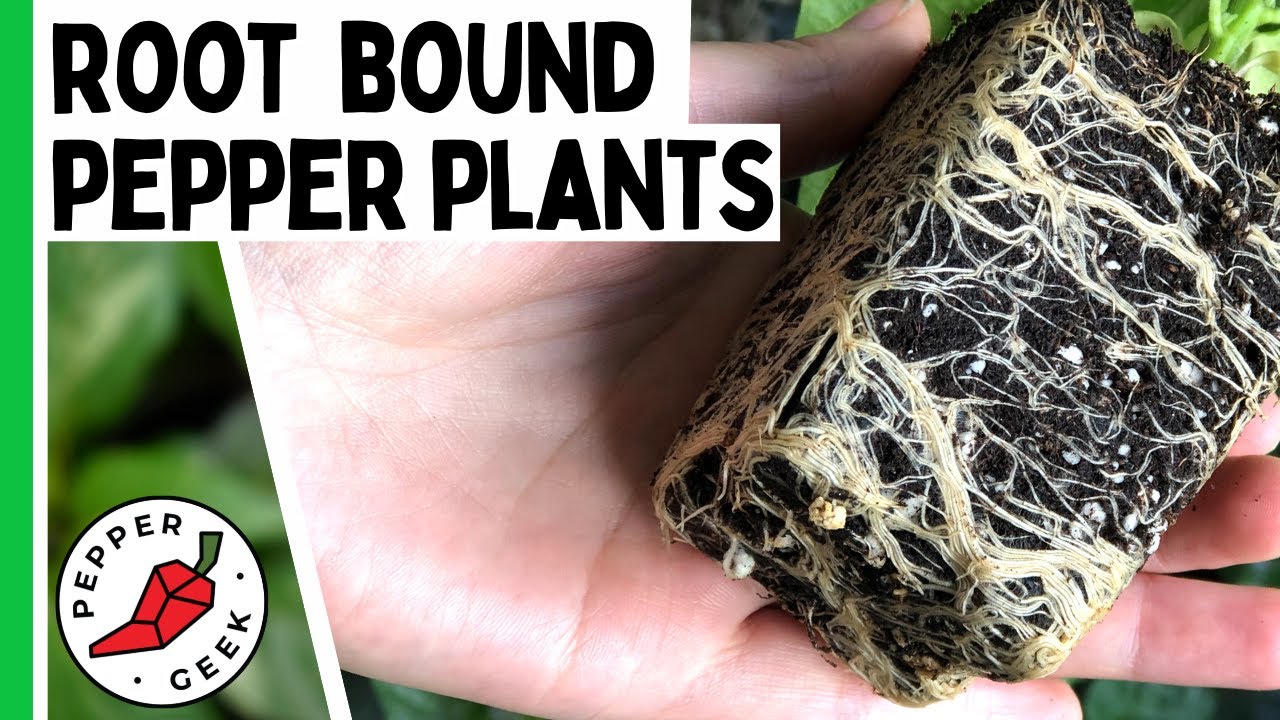
Image source: YouTube / Pepper Geek (YouTube thumbnail (fair-use with source credit))
Step 5: Rule Out Disease – The Sticky Ooze Test
Bacterial wilt is the fastest killer of bell pepper plants. You need to rule it out early. The sticky ooze test is simple and definitive.
Bacterial Wilt: The Fast Killer with No Cure
Here is how to test for bacterial wilt. Cut a section of the stem near the soil line. Place the cut end in a glass of clear water.
Wait a few minutes. If you see a milky white stream or sticky ooze coming from the cut end, you have bacterial wilt.
The ooze is actually bacteria streaming out of the vascular tissue. This is a definitive sign. There is no treatment and no cure.
Remove the plant immediately. Do not compost it. Bag it and throw it away.
The bacteria can survive in the soil for years.
Fungal Wilt: Slower but Persistent in the Soil
Fungal wilts like Fusarium and Verticillium are slower. They cause yellowing leaves and stunted growth before full wilting. The brown ring in the stem is the key identifier.
Fungal wilts can be managed. Remove affected plants. Do not plant peppers, tomatoes, or eggplants in the same spot for at least three years.
Improve soil drainage. Add organic matter to improve soil structure. A balanced nutrition program for your garden can help plants resist disease.
Phytophthora Root Rot and Damping Off in Seedlings
Phytophthora is a water mold that thrives in wet soil. It causes root rot and stem rot. The plant wilts suddenly.
The stem near the soil line may look dark and water soaked.
Damping off affects seedlings. The stem becomes thin and weak at the soil line. The seedling falls over and wilts.
This is caused by multiple fungi that thrive in cold, wet soil.
The best prevention for both is proper drainage and avoiding overwatering. Use sterile potting mix for seedlings. Water from the bottom to keep the soil surface dry.

Image source: YouTube / East-West Seed Knowledge Transfer Foundation (YouTube thumbnail (fair-use with source credit))
Step 6: Check for Pests on Leaves and Stems
Wilting can also come from above ground. Tiny insects suck the sap out of leaves and stems. The plant loses fluids faster than it can replace them.
The result is drooping and yellowing.
Aphids, Spider Mites, and Thrips – Sap-Suckers That Cause Collapse
Flip the leaves over. Look at the undersides. Aphids are small, pear-shaped bugs in green, black, or brown.
They cluster along stems and leaf veins. Spider mites are even smaller. You'll see fine webbing between leaves and stems.
Thrips are tiny, slender insects that leave silvery streaks on leaves.
If you find any of these, the plant is losing moisture through the wounds. A strong blast of water from the hose can knock aphids off. For heavier infestations, insecticidal soap or neem oil works well.
Apply every few days until the pests are gone. Don't forget to check your other plants. These pests spread fast.
How to Spot Them Without a Magnifying Glass
You don't need special tools. Hold a white piece of paper under a leaf. Tap the leaf sharply.
If tiny specks fall onto the paper and start moving, you have spider mites or thrips. Aphids are visible to the naked eye. Look for ants too.
Ants farm aphids for their honeydew, so ants on your pepper plant are a red flag.
Step 7: Diagnose by Elimination – Your Decision Chart
By now you have checked soil moisture, timing, stem, roots, and pests. Here is a simple decision chart to pull it all together.
| Symptom | Likely Cause | Action |
|---|---|---|
| Wet soil, morning wilt | Overwatering / root rot | Stop watering, let soil dry, improve drainage |
| Dry soil, afternoon wilt | Underwatering / heat stress | Deep water, add mulch, shade cloth |
| Brown ring in stem, sticky ooze | Bacterial wilt | Remove plant immediately, do not compost |
| Brown ring in stem, no ooze | Fungal wilt (Fusarium/Verticillium) | Remove plant, rotate crops, improve soil |
| White webbing, speckled leaves | Spider mites | Hose off, apply insecticidal soap |
| Clusters of small bugs on stems | Aphids | Blast with water, use neem oil if persistent |
| Roots brown and mushy | Root rot | Trim affected roots, repot in fresh soil |
| Roots chewed, larvae present | Root maggots or cutworms | Remove pests, apply beneficial nematodes |
| Wilt only in afternoon, recovers overnight | Heat stress | Shade cloth, mulch, consistent watering |
Common Mistakes That Make Wilting Worse
Gardeners often panic and make things worse. Here are the most common errors to avoid.
Overwatering a Root-Rotted Plant (Classic Panic Move)
You see a wilted plant. Your first instinct is to water it. If the soil is already wet, you are drowning the roots further.
Always check soil moisture first. More water is not always the answer.
Underwatering in a Heat Wave and Then Overcompensating
The opposite mistake is also common. You forget to water for a few hot days. The plant wilts.
You then flood it with gallons of water. This shocks the roots. A deep, slow soak is better than a sudden deluge.
Treating for Disease When It's Just Transplant Shock
New transplants often wilt for a day or two. This is normal. The roots are adjusting.
Give them time. Don't start spraying fungicides or pulling up plants. Keep the soil evenly moist and wait 48 hours.
Most transplants bounce back on their own.
What to Do Right Now – Actions for Each Diagnosis
Here is your action plan based on what you found.
For Overwatering: Let It Dry Out (Even if Scary)
Stop watering. Move the plant to shade if it's in a pot. If it's in the ground, cover the soil with a tarp during rain.
Wait until the top two inches of soil feel dry. Then water sparingly. If root rot is severe, trim the mushy roots and repot.
For Underwatering: Deep Soak, Not a Sip
Water slowly at the base. Let the water soak in. Then water again.
A good rule is to water until you see runoff from the drainage holes. For in-ground plants, water to a depth of six to eight inches. Repeat every few days until the plant recovers.
For Heat Stress: Shade Cloth and Mulch
Erect a 30 percent shade cloth over the plant during peak sun hours. Add a two to three inch layer of organic mulch around the base. This keeps the soil cool and retains moisture.
Water deeply in the morning.
For Disease: Remove, Don't Compost, and Rotate Crops Next Year
Bacterial wilt and fungal wilts require removal. Bag the plant and throw it in the trash. Do not compost.
The pathogens survive in compost piles. Mark the spot and do not plant peppers, tomatoes, or eggplants there for at least three years.
For Pests: Insecticidal Soap or Neem Oil – Early and Often
Spray the entire plant, including the undersides of leaves. Repeat every three to four days until you see no more pests. For severe infestations, use a horticultural oil.
Always follow the label instructions.
When You Absolutely Need to Pull the Plant (and When You Don't)
Not every wilted plant is a lost cause. Here is how to decide.
The "No Recovery" Signs: Rotten Stem, Mushy Roots, Bacterial Ooze
If the stem is soft and brown at the soil line, pull it. If the roots are completely mushy and smell bad, pull it. If you see the sticky ooze from the bacterial wilt test, pull it immediately.
These plants will not recover. They will only spread disease to your other plants.
The "Wait and See" Signs: Midday Wilt Only, Healthy Stem, Dry Soil
If the plant looks good in the morning and wilts in the afternoon, give it time. If the stem is clean and white inside, you are probably dealing with heat stress. Keep the soil moist and provide shade.
The plant should perk up within a day or two.
How to Prevent Wilting Next Season
A little planning goes a long way.
Improve Drainage Before Planting (Raised Beds, Organic Matter)
Work compost or aged manure into the soil before planting. If your soil is heavy clay, build raised beds. Good drainage is the single best defense against root rot and fungal diseases.
For container gardens, use a quality potting mix with perlite or vermiculite.
Choose Wilt-Resistant Varieties (Yes, They Exist for Bell Peppers)
Look for pepper varieties labeled as resistant to Fusarium or Verticillium wilt. Some commercial hybrids offer resistance. Check seed catalogs or plant tags.
It's not a guarantee, but it gives you a much better chance.
Mulch Deep, Water Deep, Space Wide
Apply a thick layer of straw, wood chips, or grass clippings around each plant. Water deeply and infrequently to encourage deep root growth. Space plants at least 18 inches apart to allow air circulation.
Crowded plants trap moisture and invite disease.
For more on improving your garden's overall resilience, our guide on soil amendments can help. If you are working in a controlled environment, setting up proper ventilation is also key.
Frequently Asked Questions
Should I prune wilted leaves off my pepper plant?
Yes, but only if they are completely dead or diseased. Removing wilted leaves reduces stress on the plant and improves airflow. Use clean pruners.
Do not remove more than one third of the foliage at once.
Can I save a pepper plant with bacterial wilt?
No. Bacterial wilt has no cure. Remove the plant immediately to prevent the bacteria from spreading to healthy plants through the soil or water.
Do not compost the plant.
Why is my potted pepper wilting but my garden pepper isn't?
Containers dry out faster and heat up more than in-ground soil. Potted peppers are more prone to underwatering and heat stress. They also have less root space.
Check the pot size. A five-gallon pot is the minimum for a full-sized bell pepper plant.
How long does it take for a wilted pepper plant to recover?
For heat stress or minor underwatering, you should see improvement within 24 hours. For root rot or disease, recovery may take a week or may not happen at all. Monitor the plant daily.
If no improvement after three days, reassess your diagnosis.
Can I reuse the soil from a plant that died from wilt?
Not if the plant died from a soilborne disease. The pathogens can survive in the soil for years. Replace the soil in containers.
For in-ground beds, avoid planting peppers, tomatoes, or eggplants in that spot for at least three years.
What is the best way to water bell peppers to avoid wilting?
Water deeply at the base of the plant. Use drip irrigation or a soaker hose if possible. Avoid overhead watering, which spreads diseases.
Water in the morning so the leaves dry before night. Aim for one to two inches of water per week, adjusting for rain and temperature.
Your Next Steps: A Quick Recap
Trust your diagnostics. If soil is wet and roots are mushy, stop watering. If stem shows a brown ring, remove the plant.
If pests are present, spray early. Most wilted peppers bounce back within 48 hours when you catch the real cause.
Seasonal Considerations for Wilting
Spring transplants wilt from shock. Summer plants wilt from heat and underwatering. Fall plants wilt from disease more often.
Adjust your watering and shading as the season changes. Keep a garden journal to track patterns.
Companion Planting to Reduce Stress
Basil and marigolds planted nearby can deter aphids and thrips. They also attract beneficial insects. Good companions mean fewer pest problems and less wilting.
Avoid planting peppers near fennel or brassicas.
When to Call a Local Extension Service
If your entire pepper patch wilts at once, or if the problem returns every year, contact your county extension office. They can test your soil for pathogens. That lab diagnosis is worth the effort for long-term garden health.
Resources for Healthy Peppers
The USDA Plant Hardiness Zone map helps you choose the right planting window. Your state's land-grant university offers free fact sheets on pepper diseases. Bookmark those pages.
They are the best reference when your plant suddenly droops.
Final Thoughts
You now have a clear path from wilt to recovery. Start with soil moisture. Check the timing.
Inspect the stem. Look at the roots. Work through the decision chart.
Nine out of ten wilted peppers bounce back with the right action.
Trust your garden instincts, but confirm them with these steps. A little patience and a sharp eye are all you need. Your pepper plant wants to grow.
Give it the right conditions and it will reward you with a full harvest.