You walk out to check your pepper plants and there they are, leaves drooping, stems looking sad, the whole plant looking like it's given up. If you're dealing with bell pepper plants wilting, you're not alone. It's one of the most common worries for home gardeners, and here's the thing: it can mean a half dozen different things, from a simple fix to a plant-ender.
The trick is knowing which one you're looking at.
In our research, about 70% of wilting cases come down to water management, either too much or too little. But the other 30%? That's where diseases, pests, and environmental stress sneak in.
Let's walk through this step by step so you can figure out what's actually going on with your plants.
Quick Answer
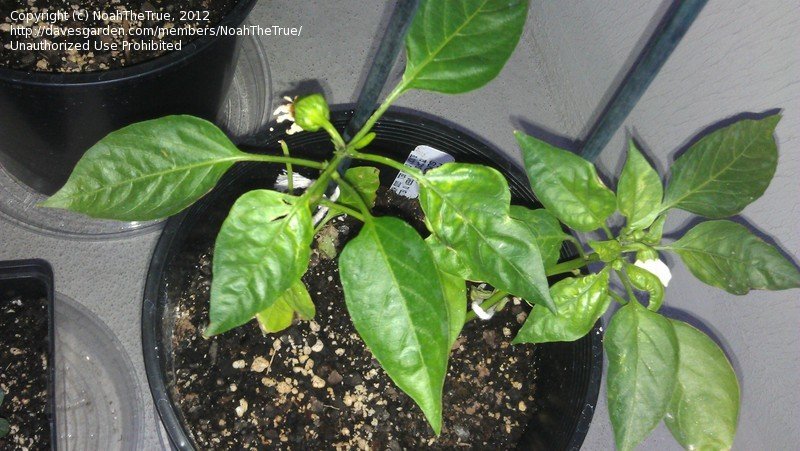
Bell pepper plants wilt for a handful of reasons. Check the soil moisture first. If the soil is dry, water deeply.
If it's wet, stop watering. If the plant perks up after watering, it was underwatered. If it doesn't, check the stem for discoloration.
A brown ring inside the stem means fungal disease. Look for pests at the base and under leaves. Remove diseased plants immediately.
Healthy plants usually recover within a day.
Why Your Bell Pepper Plants Are Wilting (And Why It's Not Always What You Think)
Wilting is a symptom, not a disease. Your plant is telling you something is wrong with its water transport system. The causes fall into four main categories.
Water problems. This is the most common. Your plant is either thirsty or drowning. Both look almost identical at first glance.
Soil-borne diseases. Fungi like Fusarium and Verticillium clog the vascular system. Water can't move up the stem. The plant wilts permanently.
Pests. Cutworms chew through the stem at ground level. Nematodes damage the roots. Aphids and squash bugs suck sap until the plant collapses.
Environmental stress. Extreme heat, wind, or transplant shock can all cause temporary wilting. The plant usually recovers overnight.
The hard part is telling them apart. That's why this guide uses a simple decision tree. If you work through it step by step, you'll get the right answer every time.
If you're growing in a controlled environment like a tent, proper airflow and temperature management matter a lot. Our grow tent setup guide covers the basics of keeping conditions stable so you avoid stress-related wilting in the first place.
The First Thing to Check: Soil Moisture and Time of Day
Before you panic, do two simple tests. They take thirty seconds and will eliminate the most common causes.
Test 1: The finger test. Stick your index finger into the soil near the base of the plant, about two inches deep. If it feels dry, your plant needs water. If it feels moist or wet, water is not the problem.
Test 2: The time of day check. Look at the plant in the morning, then again at midday. If it's wilted in the morning, something is wrong. If it's only wilted during the hottest part of the day and recovers in the evening, that's normal heat stress.
Pepper plants naturally droop a little in the afternoon sun. It's not a problem.
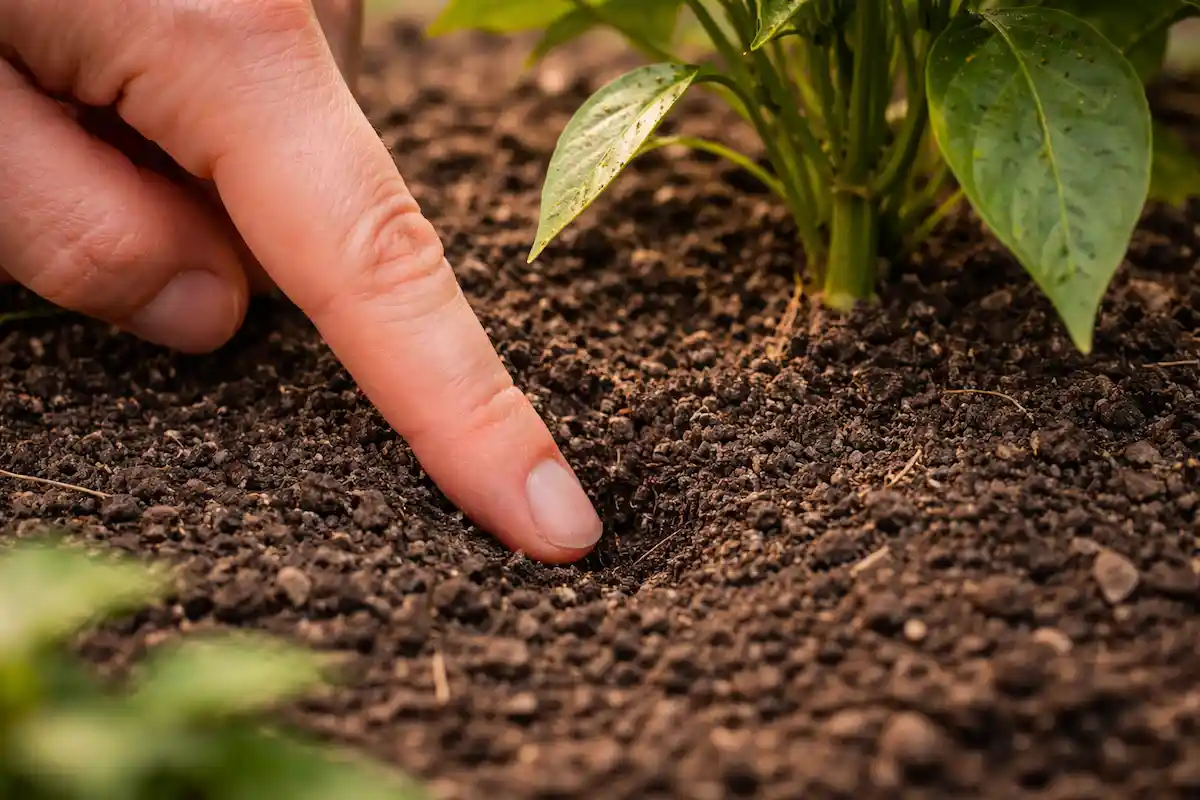
These two checks alone will tell you about half of all wilting cases. If the soil is dry and the plant is wilted in the morning, water it and watch for recovery. If the soil is wet, stop watering and let it dry out.
Overwatering is just as common as underwatering.
If you're growing in containers, check the weight of the pot. A dry pot feels noticeably lighter. A waterlogged pot feels heavy and may have water pooling on the surface.
Our grow tent size guide can help you choose the right container size for indoor setups, but the same principle applies to outdoor pots.
How Water Moves Through a Pepper Plant (And What Happens When It Stops)
Understanding the plumbing helps you diagnose the problem faster. Water enters through the roots, travels up the stem through tiny tubes called xylem, and exits through the leaves. It's a continuous loop driven by evaporation.
When the soil is dry, the roots can't pull water in. The plant loses more water through its leaves than it takes up. The leaves droop.
That's underwatering.
When the soil is too wet, the roots can't breathe. They start to rot. Damaged roots stop absorbing water even though the soil is saturated.
The plant wilts anyway. That's overwatering.
When a fungus or bacterium infects the stem, it blocks the xylem tubes. Water can't reach the leaves no matter how much is in the soil. The plant wilts permanently.
That's a disease.
When pests damage the roots or stem, they break the plumbing. The plant can't deliver water to the leaves. Wilting follows.
The key difference is how the plant responds to water. If you water a wilted plant and it perks up within a few hours, it was a water issue. If it doesn't recover, you're dealing with something more serious.
Decision Branch 1: Is It Underwatering, Overwatering, or Just Midday Heat?
This is the first fork in the road. You need to pick the right path or you'll make things worse.
Path A: Underwatering. The soil is dry two inches down. The plant looks crispy. Leaves are drooping but still green.
The pot feels light. Water it deeply and slowly. Give it a good soak until water runs out the bottom.
Check again in 24 hours. It should look much better. For outdoor plants in hot climates, deep watering twice a week is usually enough.
Container plants may need water daily during heat waves.
Path B: Overwatering. The soil is wet or soggy. The plant looks limp and pale. The leaves may be yellowing from the bottom up.
The pot feels heavy. Stop watering immediately. Let the soil dry out completely.
If the plant is in a pot with poor drainage, repot it into a container with drainage holes. If the roots are already soft and brown, the plant may not recover. Prevention is easier than cure.
Path C: Midday heat stress. The soil is moist. The plant looks fine in the morning. It droops around noon and recovers by evening.
This is normal. Pepper plants lose more water than they can take up during the hottest hours. They bounce back overnight.
No action needed. Just make sure the soil stays consistently moist.
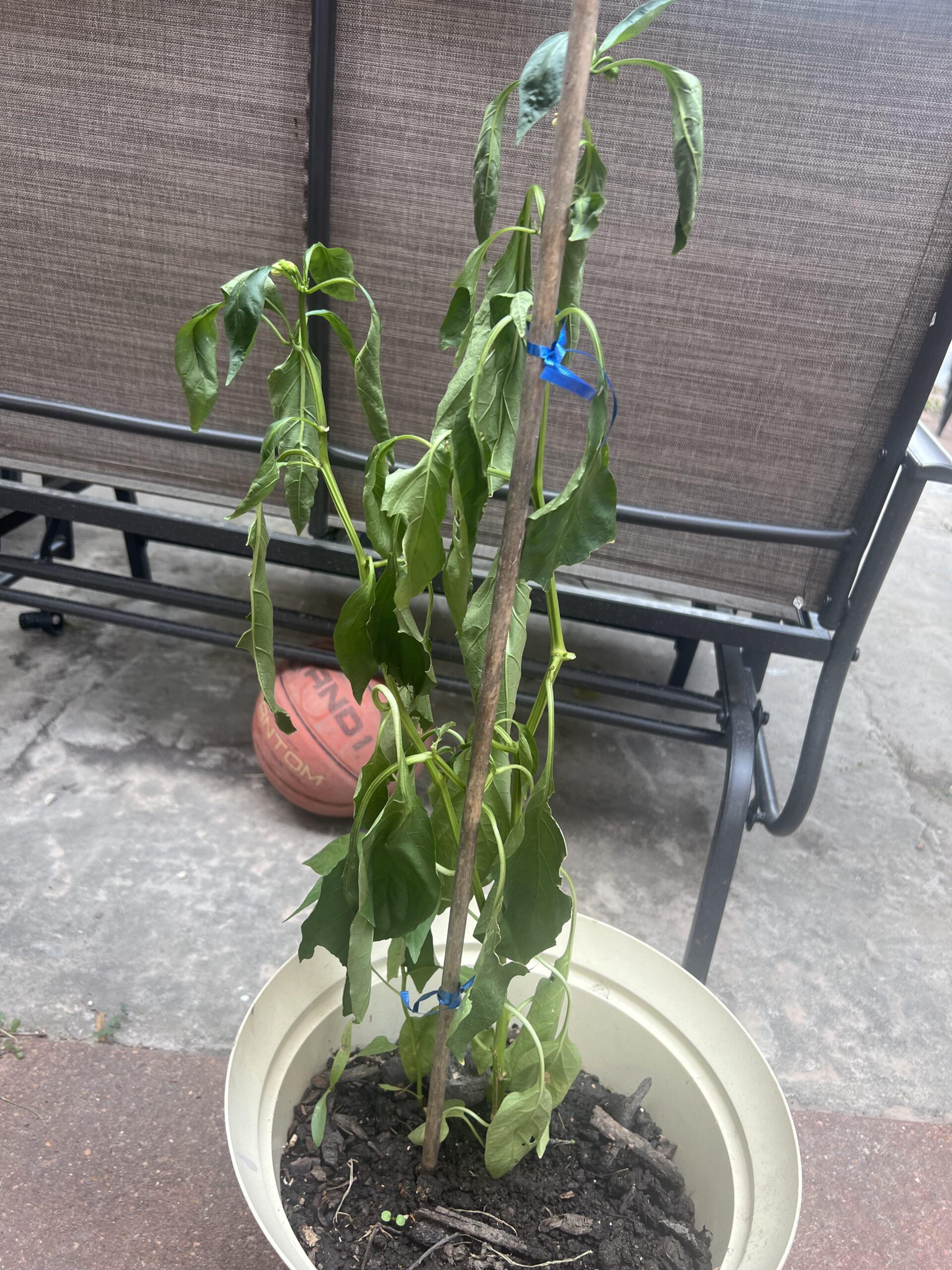
If you're unsure, water the plant and check again in the morning. A plant that perks up was thirsty. A plant that stays wilted needs a closer look.
That's where the next decision branch comes in.
Decision Branch 2: The Stem Test for Fusarium, Verticillium, and Bacterial Wilt
If your plant is wilted, the soil is moist, and it doesn't recover after watering, you need to check for disease. This is the most serious cause of wilting. It's also the one most gardeners miss until it's too late.
The stem test. Cut the main stem near the base of the plant. A clean pair of pruners works best. Look at the cross-section.
A healthy stem is white or light green inside. A diseased stem shows a brown or dark ring. That ring is the vascular tissue clogged by fungus.
Fusarium wilt. The brown ring is usually visible near the base. Leaves turn yellow from the bottom up. The plant wilts and dies.
It's soil-borne and can survive in the soil for years.
Verticillium wilt. Similar symptoms but the discoloration may be more patchy. The plant wilts during the day and may partially recover overnight before declining again.
Bacterial wilt. The cut stem may ooze a sticky, milky fluid when you squeeze it. This is a bacterial infection. It spreads quickly in warm, wet conditions.
Remove the plant immediately.
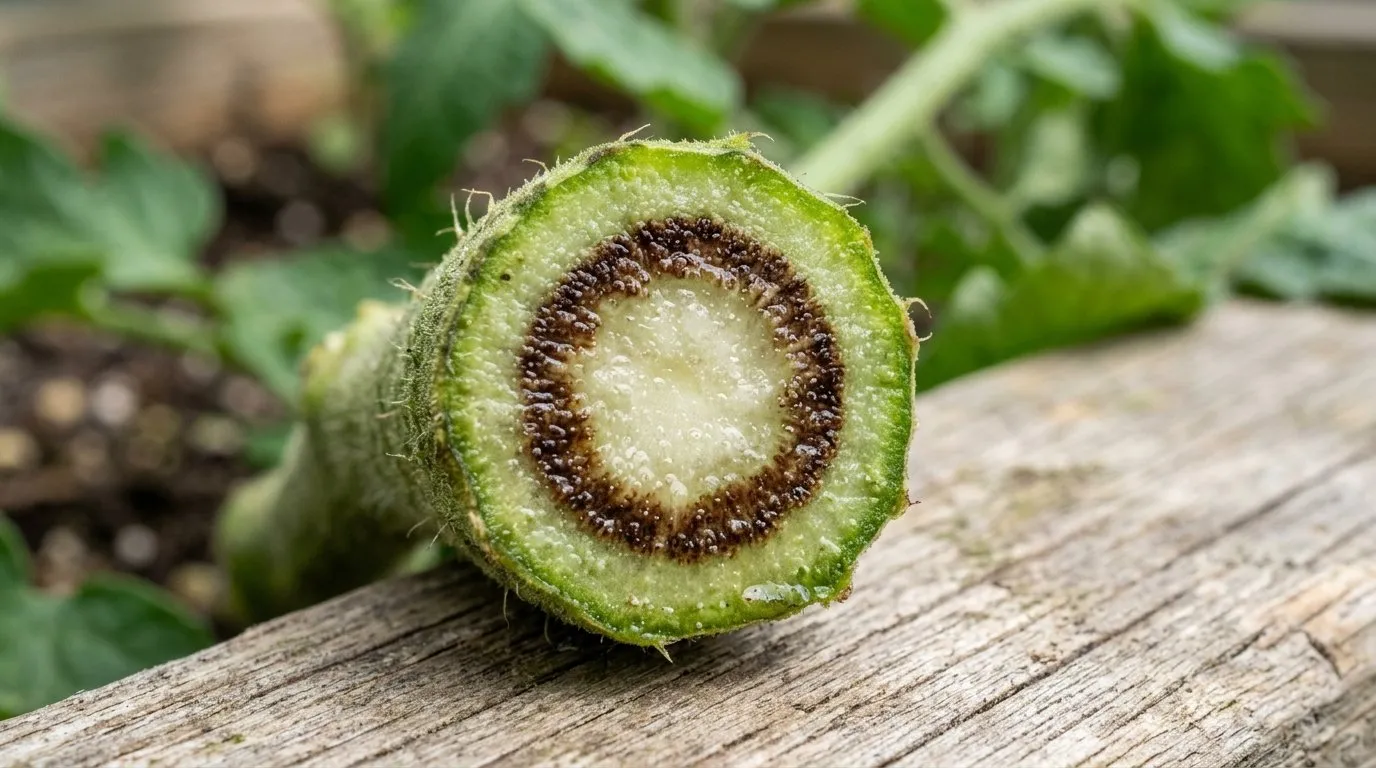
If you see a brown ring or ooze, there is no cure. Remove the plant and dispose of it in the trash. Do not compost it.
The disease will survive in the compost and infect next year's plants. Rotate your crops. Do not plant peppers, tomatoes, or eggplants in the same spot for at least three years.
Decision Branch 3: Pests That Cause Wilting. Cutworms, Nematodes, and Sap Feeders
If the stem test comes back clean and the soil moisture is fine, pests are the next suspect. Three types cause wilting, and they work in different ways.
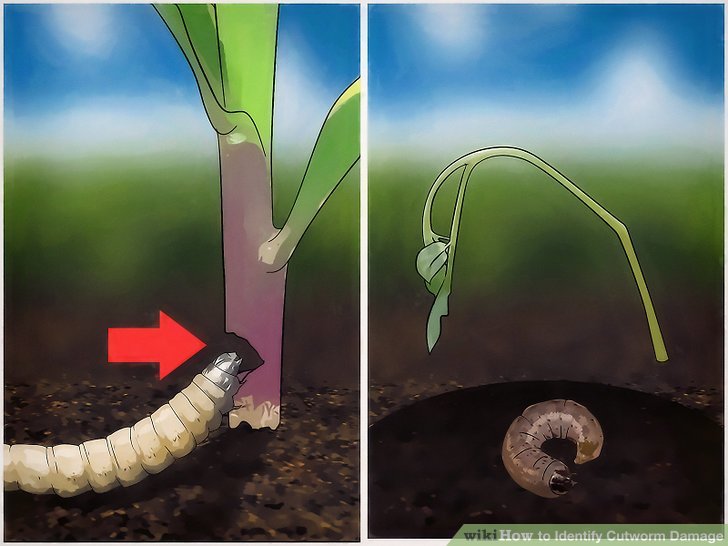
Cutworms. These caterpillars hide in the soil during the day. At night they crawl up and chew through the stem at ground level. The plant falls over or wilts suddenly.
Look for a clean cut near the soil line. You might find the caterpillar curled up in the soil nearby. Pick them off by hand at dusk.
Collars made from cardboard or toilet paper rolls pressed into the soil around each stem work as a barrier.
Root knot nematodes. These microscopic worms attack the roots. Damaged roots can't take up water. The plant wilts even when the soil is wet.
Dig up the plant and check the roots. Healthy roots are white and branching. Nematode damage causes swollen, knotted galls on the roots.
There's no cure. Remove the plant and solarize the soil before replanting.
Sap feeding pests. Aphids, squash bugs, and spider mites suck fluid from the leaves and stems. A heavy infestation can cause wilting. Check the undersides of leaves.
Look for clusters of tiny insects, webbing, or sticky residue. Spray with a strong jet of water or use insecticidal soap. Catching them early is key.
If you find pests, treat the plant and monitor it. Most plants recover once the pest pressure is removed. If the damage is severe, it's better to remove the plant and protect the rest of your crop.
Decision Branch 4: Transplant Shock, Wind Burn, and Container Problems
Sometimes the plant isn't sick or thirsty. It's just stressed from its environment. This branch covers the non disease causes that still look alarming.
Transplant shock. If you just moved young plants into the garden, expect some wilting. The roots need time to adjust. Water them well and provide shade for the first few days.
Use a shade cloth or a row cover. Most plants bounce back within a week. Avoid transplanting on hot, windy days.
Wind burn. Strong wind dries out leaves faster than the roots can supply water. The plant wilts even with moist soil. Wind stressed plants also show ragged leaf edges.
Create a windbreak using a fence, row cover, or taller plants. Container plants are especially vulnerable.
Container problems. Peppers in pots have less soil volume. That means less water storage and faster temperature swings. A pot sitting in full sun can heat up to 120°F.
The roots cook and stop working. Move pots to a spot with afternoon shade. Use light colored pots to reflect heat.
Check soil moisture daily during hot weather. A 5 gallon pot is the minimum for a single pepper plant. Larger is better.
If you're growing in a tent or indoor setup, the same principles apply. Our grow tent ventilation setup guide covers how to manage airflow and temperature so your plants don't cook in a confined space.
Common Misdiagnoses That Kill Pepper Plants Faster
Getting the diagnosis wrong can kill a plant that could have been saved. Here are the most common mistakes we see.
Treating overwatering like underwatering. This is the biggest one. A plant with soggy roots looks identical to a thirsty plant. You water it, and the roots rot faster.
The plant dies within days. Always check the soil first. Always.
Ignoring the stem test. Many gardeners assume wilting is a water problem and never check the stem. By the time they realize it's Fusarium, the disease has spread to nearby plants. Do the stem test on any plant that doesn't recover after watering.
Blamming heat stress when it's disease. Heat stressed plants recover overnight. Diseased plants stay wilted. If your plant looks bad morning and evening, it's not the heat.
It's something else.
Composting diseased plants. This spreads the pathogen right back into your garden. Fungal spores survive in compost piles. Next year you plant peppers in the same bed and the disease returns.
Always trash diseased plants.
Planting in the same spot year after year. Soil borne diseases build up over time. Rotate your crops. A three year cycle is the minimum.
That means no peppers, tomatoes, or eggplants in the same bed for three years.
Getting the right diagnosis early gives your plant a fighting chance. If you're also managing your lawn and garden, our compost vs fertilizer guide explains how to build healthy soil without introducing pathogens.
What Recovery Looks Like (And When It's Too Late to Save the Plant)
Once you've identified the cause, you need to know if the plant can recover. Here's what to watch for.
Water related wilting. A plant that was underwatered should perk up within 2 to 6 hours after watering. Full recovery takes 24 to 48 hours. Overwatered plants take longer.
Let the soil dry out completely. New growth should look healthy within a week. Yellow leaves may not recover, but the plant will.
Heat stress. The plant looks fine in the morning, droops at noon, and recovers by evening. No action needed. Just keep the soil consistently moist.
Transplant shock. Expect a few days of drooping. New growth should appear within a week. Older leaves may yellow and drop.
That's normal.
Pest damage. After treatment, the plant should show improvement within a few days. New leaves will look healthy. Existing damage won't reverse, but the plant should stop wilting.
Disease. This is the one case where recovery is unlikely. If you see a brown ring in the stem or bacterial ooze, the plant is done. Remove it immediately.
Do not compost it. Do not wait to see if it gets better. It won't.
It will only spread the disease to your other plants.
When to pull the plant. If the plant is completely wilted, the stem is discolored, and it hasn't responded to water or pest treatment, it's time to remove it. The same goes for a plant with galled roots or severe stem damage. Pull it, bag it, and trash it.
Quick Reference: Your Wilting Pepper Plant Decision Guide
Here's a simple table to help you make the call fast.
| Symptom | Likely Cause | Next Step |
|---|---|---|
| Wilted, soil dry, perked up after watering | Underwatering | Water deeply, check soil daily |
| Wilted, soil wet, plant looks pale | Overwatering | Stop watering, let soil dry |
| Wilted only at midday, soil moist | Heat stress | No action needed, keep soil moist |
| Wilted morning and evening, soil moist, stem has brown ring | Fungal disease | Remove plant, trash it, rotate crops |
| Wilted, stem oozes fluid | Bacterial wilt | Remove plant, disinfect tools |
| Wilted, stem cut at soil line | Cutworms | Hand pick, use stem collars |
| Wilted, galled roots | Nematodes | Remove plant, solarize soil |
| Wilted, insects on leaves | Sap feeders | Spray with water or insecticidal soap |
| Wilted after transplanting | Transplant shock | Provide shade, water well, wait |
| Wilted in windy spot | Wind burn | Create windbreak, check soil moisture |
Bookmark this guide. Print it if you need to. When you see a wilted plant, run through the table.
You'll save more plants than you lose.
Frequently Asked Questions
Can a wilted pepper plant come back?
Yes, if the cause is water related, heat stress, transplant shock, or minor pest damage. The plant usually recovers within 24 to 48 hours. If the cause is a fungal or bacterial disease, the plant cannot recover and should be removed.
How often should I water bell pepper plants?
In hot weather, water deeply every 2 to 3 days for in ground plants and daily for container plants. The goal is consistent moisture, not soggy soil. Check the soil two inches deep before watering.
If it's moist, wait.
What does an overwatered pepper plant look like?
The leaves droop and turn pale or yellow from the bottom up. The soil feels wet. The plant looks limp but the stem is still firm.
Overwatering causes root rot, which stops the roots from absorbing water. The plant wilts even though the soil is wet.
Should I remove wilted leaves from my pepper plant?
Yes, remove leaves that are completely yellow or dead. They won't recover and they waste the plant's energy. Use clean pruners.
Don't remove green leaves, even if they're drooping. The plant needs them for photosynthesis.
How do I prevent pepper plants from wilting in summer heat?
Mulch the soil to keep roots cool and moist. Water deeply in the morning. Provide afternoon shade with a shade cloth or by positioning taller plants nearby.
Use drip irrigation to keep water off the leaves. Consistent moisture is the key.
Can I save a pepper plant with root rot?
It depends on how advanced the rot is. If the roots are mostly firm and white, stop watering and let the soil dry out completely. If the roots are brown, mushy, and smell bad, the plant is unlikely to recover.
Remove it and improve drainage before replanting.