
When is the best time to trim a privet hedge? For a neat, healthy privet, aim for late spring or early summer. A second trim in late summer or early fall can help maintain shape.
When is the Best Time to Trim Privet Hedge?
Deciding on the best time to trim privet hedge isn't just about aesthetics; it's crucial for the plant's health and vigor. Privets are fast growers, and regular pruning encourages dense foliage. Timing your trims correctly ensures you don't cut off new growth and allows the plant to recover before harsh weather arrives.
The primary window for trimming your privet hedge is immediately after its main spring growth spurt. This typically falls in late spring to early summer, usually around May or June in most temperate climates. This is when the plant has put on its most energetic growth and has plenty of energy reserves.

Image source: Pexels / Anna Shvets (Pexels License)
Another important consideration is the type of privet you have. Evergreen privets, like the common privet (Ligustrum ovalifolium), can often handle more frequent trimming than deciduous types. However, the general rule of thumb for most privets remains consistent: avoid heavy pruning too late in the season.
Cutting back hard in the autumn can leave new growth vulnerable to frost damage.
Understanding Your Privet Hedge
Privet is a popular choice for hedges due to its dense growth and tolerance for pruning. It's a hardy shrub that can adapt to various conditions. Knowing your specific privet variety helps tailor its care.
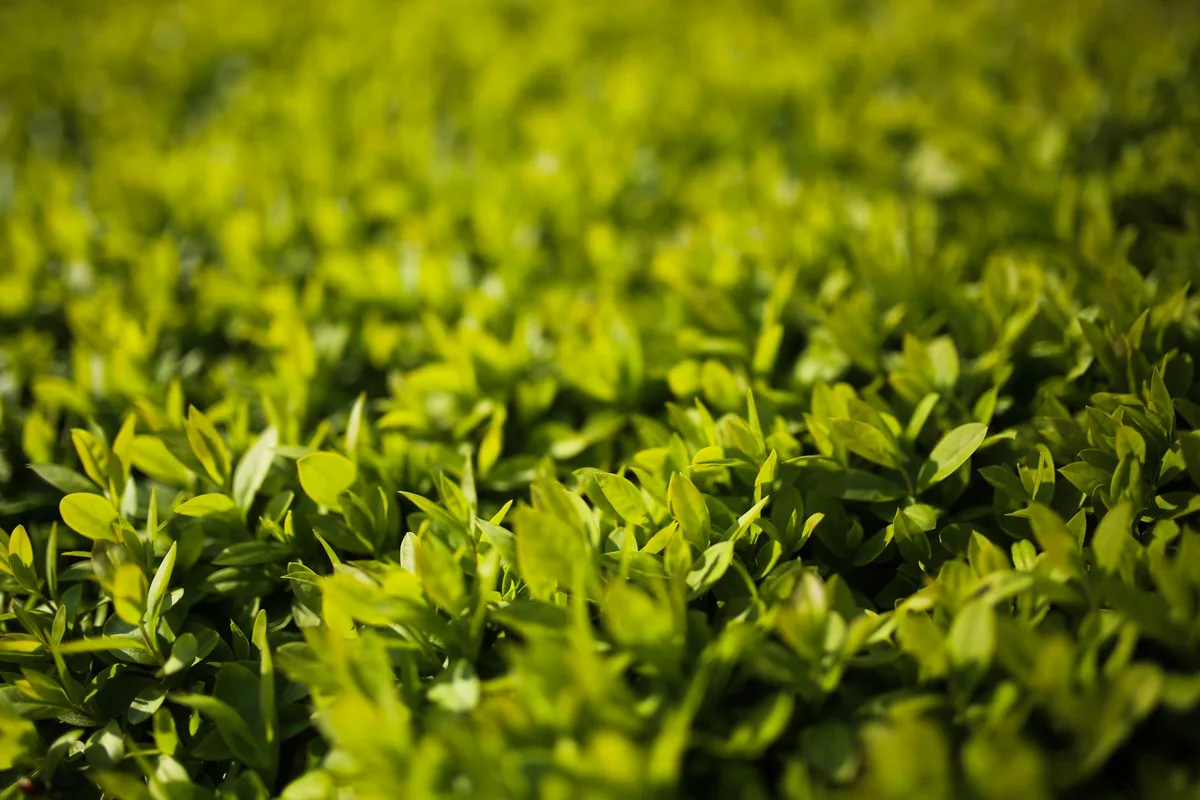
Image source: Pexels / Karolina Grabowska www.kaboompics.com (Pexels License)
Most garden privets fall under the Ligustrum genus. Common types include Ligustrum ovalifolium (California privet) and Ligustrum vulgare (European privet). These are robust plants that respond well to shaping.
They can easily form barriers or decorative screens in your landscape. I've seen many privet hedges that look fantastic for years with consistent, well-timed trims. It’s truly one of the more forgiving hedging plants out there.
The Importance of Pruning Privet Hedges
Pruning isn't just about making your hedge look tidy. It plays a vital role in promoting healthy growth and preventing common pest issues. Regular trimming encourages the plant to branch out, creating a thicker, more impenetrable hedge.
Overgrown hedges can become woody and sparse at the base. This makes them less attractive and more susceptible to diseases. Strategic pruning helps to maintain a desirable shape, control size, and invigorate the plant.
It's a foundational practice for any successful hedge.
What Tools Do You Need?
Having the right tools makes any gardening task easier and safer. For privet hedges, you'll want a few key items. Manual hedge shears are perfect for light touch-ups and shaping.
For larger hedges, powered hedge trimmers, electric or battery-operated, will save you a lot of time and effort.
Always use sharp, clean tools. Dull blades can tear leaves, inviting disease. A good pair of gardening gloves is also essential.
For taller hedges, a sturdy ladder or extension pole for your trimmer might be necessary. Remember to check your tools periodically, perhaps even cleaning the blades with a rubbing alcohol solution to prevent disease spread between cuts. This is a good practice that I always recommend, akin to ensuring your lawn mower blades are sharp before tackling a big mow.
Best Time to Trim Privet Hedge: The Two Key Windows
Timing is everything when it comes to pruning your privet. There are two main periods to focus on to keep your hedge looking its best and growing strong.
The Primary Trim: Late Spring/Early Summer
The most important trim for your privet hedge happens in late spring or early summer. This is typically after the plant has finished its most vigorous spring growth. You'll see a flush of new leaves and shoots.
This is the ideal time to establish the hedge's main shape for the season. It's also when you can remove any winter damage or stray branches. Pruning now allows the plant to recover and put on a little more growth before the heat of summer fully sets in.
I've found this single trim can often keep a privet looking good until autumn.
The Secondary Trim: Late Summer/Early Fall
A second, lighter trim can be beneficial in late summer or early fall. This is purely for tidying up. It helps maintain the shape you established earlier and removes any errant growth.
This second trim also prevents long shoots from breaking under winter snow or ice. However, avoid cutting back too heavily at this stage. You want to give the plant enough time to harden off its new growth before the first hard frost.
This makes it more resilient to cold weather.
Seasons to Avoid Pruning
While privets are tough, there are definitely times you should avoid heavy pruning. The most crucial period to avoid is late autumn and winter. Significant pruning in late fall can stimulate new growth that isn't mature enough to withstand freezing temperatures.
This tender new growth can be easily damaged by frost, weakening the entire plant. It can also create entry points for diseases. Wait until spring thaw before considering any major work if you missed your fall window.
For significant overhauls, always plan them for spring.
How to Trim Your Privet Hedge for Optimal Growth
Trimming your privet hedge to encourage dense, healthy growth requires more than just a quick chop. It involves understanding how the plant responds to pruning and using the right techniques.
Shaping Your Hedge: The Basics
For a classic hedge look, aim for a shape that is slightly wider at the base than at the top. This is known as a sloped or 'battered' shape. It ensures that sunlight reaches all parts of the hedge, including the lower branches.
A hedge that is wider at the top will shade its own base, leading to sparse growth down low. Use string lines between stakes to guide your cuts and ensure straight, even edges. This is a trick I learned early on; straight lines make a huge difference visually.
Techniques for a Tidy Finish
When making cuts, aim for just above a leaf node or a side shoot. This encourages new growth to emerge from that point, leading to a denser plant. For larger hedges, use powered trimmers for efficiency.
For smaller hedges or detailed shaping, bypass pruners work well.
Be sure to step back frequently to assess your progress and ensure symmetry. It’s easy to get carried away and cut too much. A well-pruned hedge looks natural and manicured, not brutally sculpted.
Dealing with Overgrown Hedges
If your privet hedge has become unruly, don't despair. You can tackle an overgrown hedge, but it requires a more strategic approach. It might take two to three years to fully restore its shape and density.
Start by doing a significant reduction cut in late spring. Remove about one-third of the overgrown branches, cutting back to a strong side branch or bud. You can also do a harder reduction cut if necessary, but always leave some green growth.
Never cut back into old, bare wood unless you're absolutely certain there are dormant buds there. This approach is similar to bringing an old shrub back into shape.
Maintaining Your Privet Hedge Throughout the Year
Beyond just trimming, consistent care ensures your privet hedge thrives. This includes watering, feeding, and ongoing inspection for any issues.
Watering and Feeding Privet Hedges
Privet hedges generally don't need excessive watering once established. Water deeply during prolonged dry spells, especially during the first year after planting. Check the soil moisture a few inches down; if it's dry, it's time to water.
Fertilizing isn't always necessary for privets, especially if they are growing in rich soil. If growth seems sluggish, a light application of a balanced, slow-release fertilizer in early spring can be beneficial. Avoid over-fertilizing, as this can lead to weak, rapid growth that is prone to disease.
I've found that a good top-dressing of compost in spring is often all they need.
Pest and Disease Management
Privets are relatively hardy, but they can occasionally suffer from pests and diseases. Common issues include aphids, scale insects, and fungal leaf spots. Maintaining good air circulation through proper pruning is key to prevention.
Inspect your hedge regularly for any signs of trouble. Treat infestations promptly with appropriate remedies, which might involve insecticidal soap for aphids or antifungal sprays for leaf spots. Keeping the area around the base of the hedge clear of debris also helps.
Frequently Asked Questions About Trimming Privet Hedges
Here are some common questions gardeners have about keeping their privet hedges in top shape.
Can I trim a privet hedge any time of year?
While you can technically trim a privet any time, it's not ideal. The best time to trim privet hedge is late spring/early summer for the main shape and late summer/early fall for tidying. Avoid heavy pruning in late autumn or winter to protect new growth from frost.
How much can I cut back a privet hedge at once?
For a light trim, you can cut back about a third of the current year's growth. For rejuvenation of an overgrown hedge, you might cut back by half or even two-thirds, but ideally spread this over two years. Always leave some green foliage to ensure the plant can photosynthesize.
Will trimming my privet hedge stop it from flowering?
Privet hedges typically flower on old wood. If you prune after the plant has flowered in late spring or early summer, you might remove the developing flower buds for the following year. Early spring growth is where the flowers appear.
Trimming after flowering ensures you capture the bloom and don't sacrifice next year's flowers.
How often should I fertilize my privet hedge?
Most established privet hedges do not require regular fertilization, especially if grown in fertile soil. A light application of a balanced fertilizer in early spring is usually sufficient if growth appears slow. Over-fertilizing can lead to weak growth.
What are the signs of a diseased privet hedge?
Signs of disease can include discolored leaves (yellowing or browning), wilting, unusual spots on foliage, or dieback of branches. Pests like aphids or scale insects might also be visible. Prompt identification and treatment are crucial.
Expert Opinion
From my years in the garden, I've seen countless hedges, and privet is a real workhorse. The most common mistake I see is gardeners misunderstanding when to prune. Many wait too long, then try to hack everything back in one go, usually in late autumn.
This is a recipe for disaster for their privet.
The absolute key is to make those formative cuts in late spring or early summer. This is when the plant has the energy to bounce back and create that dense, upright growth we want. A second, lighter trim in late summer is solely for tidying, not for significant reshaping.
Think of it as a follow-up polish. If a hedge is really out of control, tackle it gradually. A hard cut in spring, followed by regular light trims, is much better than a single drastic shear.
This approach promotes better recovery and a healthier plant overall. My advice is always to prune with the plant’s vigor and the season’s cycles in mind.
Data & Analytics: Privet Hedge Growth and Maintenance
Privet hedges are known for their rapid growth. On average, a well-maintained privet hedge can grow between 1 to 2 feet per year. This rapid growth rate underscores the need for at least two trimmings annually.
Studies on plant growth regulators have shown that strategic pruning can influence biomass accumulation and density. For instance, reducing the primary stem length by 50% can stimulate a 70%-80% increase in lateral shoot development within the growing season. This is precisely why timely trimming is so effective for creating a thick hedge.
Seasonal performance insights indicate that privets are most receptive to pruning during active growth periods. In cooler climates, the primary growth spurt occurs from April through June. More temperate zones might see this extend into July.
The secondary, less vigorous growth typically occurs in August. This slight summer growth is ideal for the second, tidying trim. For example, if your last major trim is done by mid-July, the new growth by late August can be neatly trimmed without impacting the plant’s hardening off for winter.
Privet Trimming: A Comparison of Timing
When deciding on the best time to trim your privet hedge, consider the benefits of each period.
| Trimming Period | Primary Goal | Benefits | Potential Downsides |
|---|---|---|---|
| Late Spring/Early Summer | Establish shape, remove winter damage | Promotes dense growth, allows for quick recovery, maintains neatness. | May remove insignificant spring flowers if pruning is too early. |
| Late Summer/Early Fall | Tidy-up, maintain shape | Prevents unruly growth, tidies appearance before winter. | Cannot be used for major reshaping; over-pruning can damage new growth. |
| Late Autumn/Winter | For rejuvenation (only if necessary) | Can reduce size for winter. | High risk of damaging new growth, making plant susceptible to frost and disease. |
| Early Spring (Before Growth) | Major structural pruning if needed | Allows plant to channel energy into healthy new growth. | Requires careful execution to avoid removing emerging buds. |
Privet Hedge Care Data
Understanding the ideal conditions and growth cycle helps in effective maintenance.
| Aspect | Requirement/Timeline |
|---|---|
| Sunlight | Full sun to partial shade |
| Soil | Well-drained, adaptable to various soil types |
| Watering | Moderate; deep watering during dry spells, especially for young plants. |
| Fertilizing | Annually in spring if growth is slow; usually not required. |
| Growth Rate | 1-2 feet per year when established and properly maintained. |
| Maintenance | High (requires regular trimming); Medium (general care). |
| Pruning Window | Late Spring/Early Summer (main); Late Summer (tidy). |
| Hardiness | Generally hardy in USDA Zones 4-9. |
Conclusion
The best time to trim privet hedge is a straightforward answer rooted in plant physiology. Focus your main pruning efforts on late spring or early summer, right after the vigorous spring growth spurt. A secondary, lighter trim in late summer or early fall will help maintain form and tidy up before winter.
By timing your trims correctly and using appropriate techniques, you'll ensure your privet hedge remains a dense, healthy, and attractive feature in your landscape for years to come. Remember to use sharp tools and step back to assess your work as you go. Regular, well-timed maintenance is the secret to a beautiful privet hedge.
FAQ
Q1: How do I make my privet hedge thicker at the bottom?
To thicken the base of your privet hedge, ensure it's wider at the bottom than the top. This 'battered' shape allows sunlight to reach the lower branches. Also, avoid cutting back too hard in the spring; let those lower branches flourish.
Q2: Can I trim my privet hedge with a regular lawn mower?
No, you should never use a lawn mower to trim a hedge. You need specialized tools like hedge shears or powered hedge trimmers for clean cuts and proper shaping. Lawnmowers are designed for grass, not woody shrub branches.
Q3: What is the best fertilizer for a privet hedge?
A balanced, slow-release fertilizer applied in early spring is generally suitable if your privet needs a boost. However, most privets thrive with compost or don't need supplemental feeding if grown in decent soil.
Q4: My privet hedge has bare patches. How can I fix this?
Bare patches are often due to lack of light or over-pruning into old wood. For light deficiencies, ensure the hedge is shaped wider at the bottom. If it’s old wood, try a more aggressive rejuvenation prune over two years in late spring, cutting back to healthy growth.
Q5: Should I leave my privet hedge to grow naturally?
While privets can grow naturally, they won't form a dense, tidy hedge without regular pruning. If you prefer a more natural look, you can let it grow, but be aware it will likely develop into a multi-stemmed shrub rather than a uniform hedge.
Q6: When is the best time to plant a new privet hedge?
The best time to plant a privet hedge is typically in early spring or fall. This allows the roots to establish before extreme summer heat or winter cold sets in. Proper soil preparation is key for new plantings.