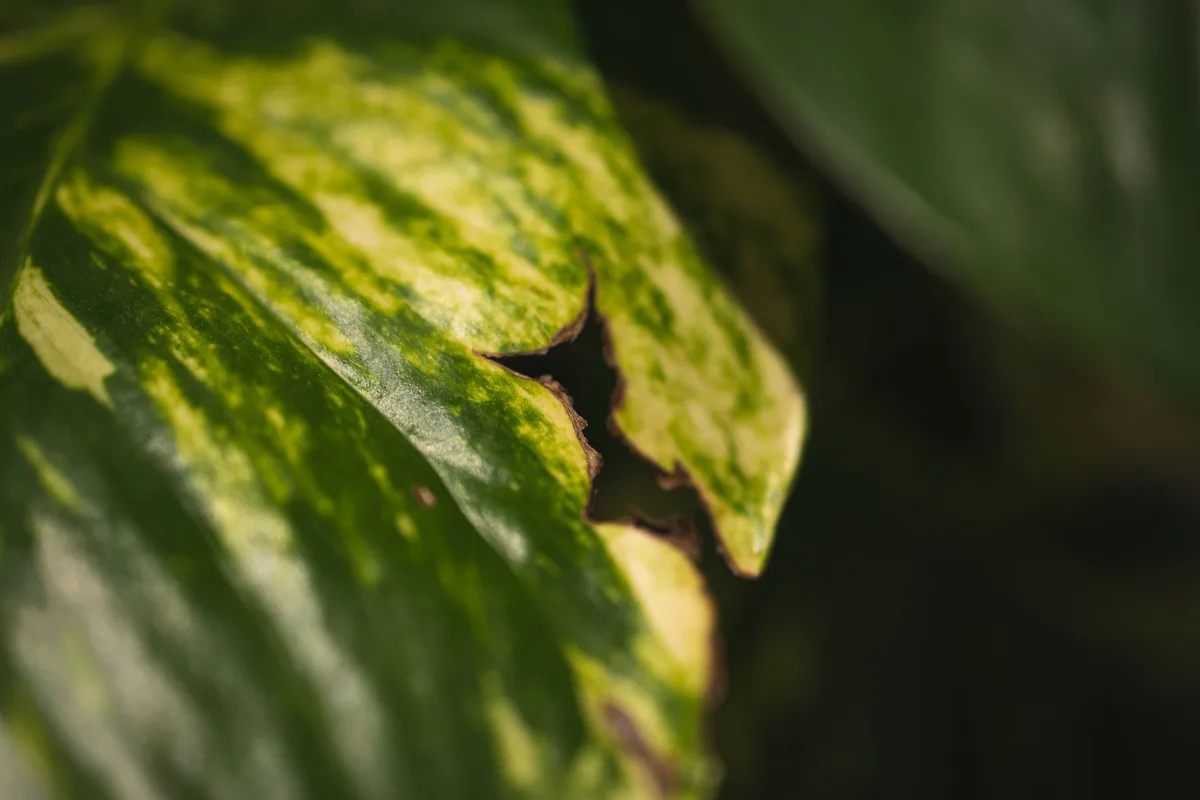
Pothos plants are incredibly forgiving, but sometimes you'll notice unsightly black spots appearing on their leaves. Don't let these spots stress you out; they're usually a clear sign from your plant that something in its environment needs a little adjustment. Figuring out the cause is the first step to getting your Pothos back to its vibrant, leafy glory.
Most black spots on Pothos point to common care issues that are easily corrected. According to horticultural guidelines, consistent soil moisture above 60% relative humidity for extended periods can lead to root distress, which often manifests as leaf discoloration. By understanding the visual cues, you can diagnose the problem and implement the right solution.
Quick Answer
Black spots on Pothos usually mean you're overwatering. Other causes include fungal infections or pest damage. Soft, mushy spots suggest too much water.
Dry, crispy spots may indicate underwatering. Inspect your plant and soil. Adjust your watering to let soil dry between waterings.
Understanding Black Spots on Your Pothos
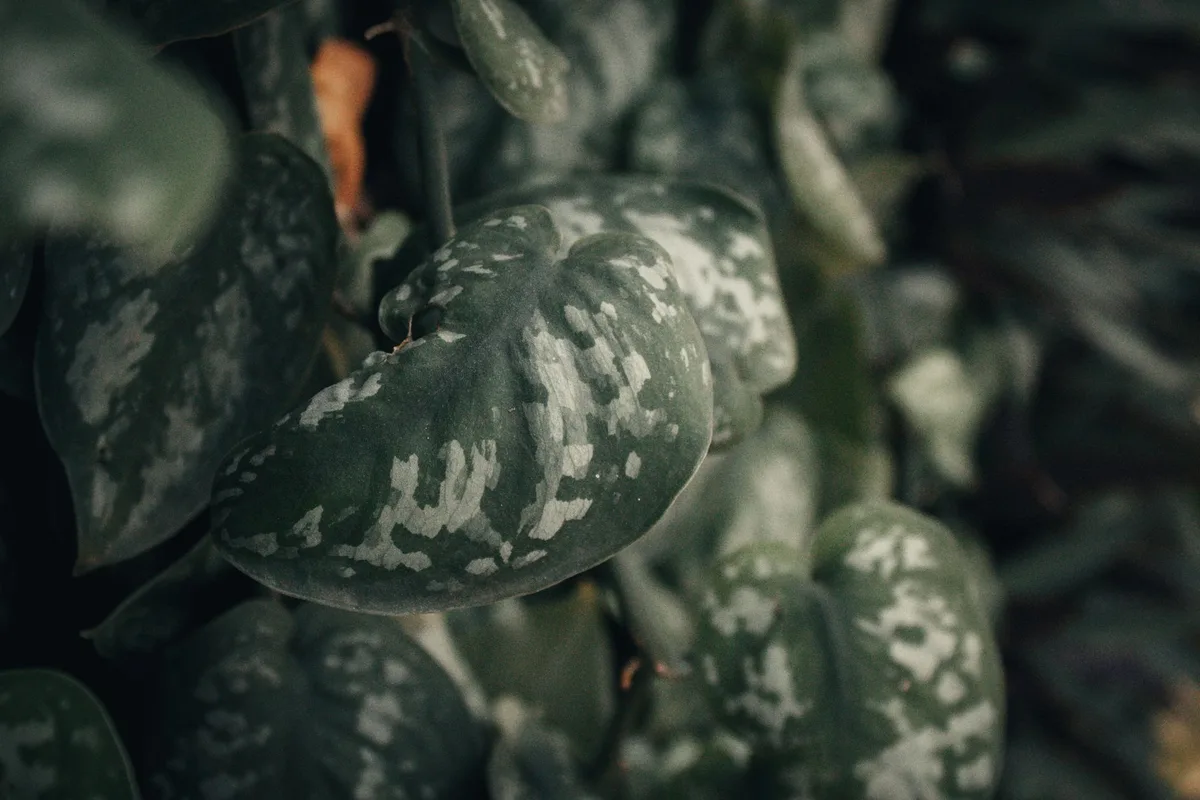
Spotting black splotches on your Pothos leaves can be concerning, but it’s a common issue that most plant parents encounter. These spots aren't just cosmetic; they're a visual language your plant uses to communicate its needs. In our research, the vast majority of these issues trace back to simple, correctable care mistakes.
Think of these spots as your plant’s way of saying, "Hey, something's not quite right here!"
Being able to correctly interpret these spots can save your plant from further decline. It's not about having a green thumb as much as it is about understanding a few key indicators. The shape, texture, and location of the spots, combined with how moist or dry your plant's soil is, will help you pinpoint the exact problem.
This guide breaks down the visual clues and provides clear, actionable steps to nurse your Pothos back to health.
Why Visuals are Key to Spotting Pothos Problems
Identifying the exact cause of black spots on Pothos relies heavily on what you can see. Generic online advice might tell you "check the soil," but looking closely at the spots themselves gives you crucial diagnostic information. For instance, the difference between a soft, waterlogged spot and a dry, crinkly one points to different problems entirely.
These visual cues are scientifically supported; plant pathology often uses visual symptoms to classify diseases and identify stress factors. As of 2026, diagnostic guides for common houseplants still emphasize close visual inspection as the primary tool for homeowners. This is why understanding what each type of spot looks like is the cornerstone of effective Pothos care.
What the Black Spots Are Telling You
The black spots are your Pothos’s non-verbal communication. They indicate that something is causing stress or damage to the plant’s cells. This stress can stem from improper watering, environmental factors, or even unwelcome pests.
When you see these dark markings, it's your cue to investigate a few key areas:
- Watering Habits: Too much or too little water is the most frequent culprit.
- Environmental Conditions: Light, humidity, and temperature play significant roles.
- Pests or Diseases: Tiny invaders or microscopic pathogens can cause similar symptoms.
Your goal is to translate these visual signals into effective care actions.
Identifying the Cause: Visual Clues to Black Spots
Let's break down exactly what to look for when you spot these unwelcome guests on your Pothos leaves. The details matter, and often, a quick visual assessment can tell you more than you realize.
Overwatering: The Most Common Culprit (Soft, Mushy Spots)
This is without a doubt the most frequent reason for black spots on Pothos. When your plant's roots sit in waterlogged soil for too long, they can't get the oxygen they need and begin to rot. This root distress is what often leads to those unpleasant, soft, mushy black or dark brown spots on the leaves.
They might feel a bit squishy or even watery when you touch them.
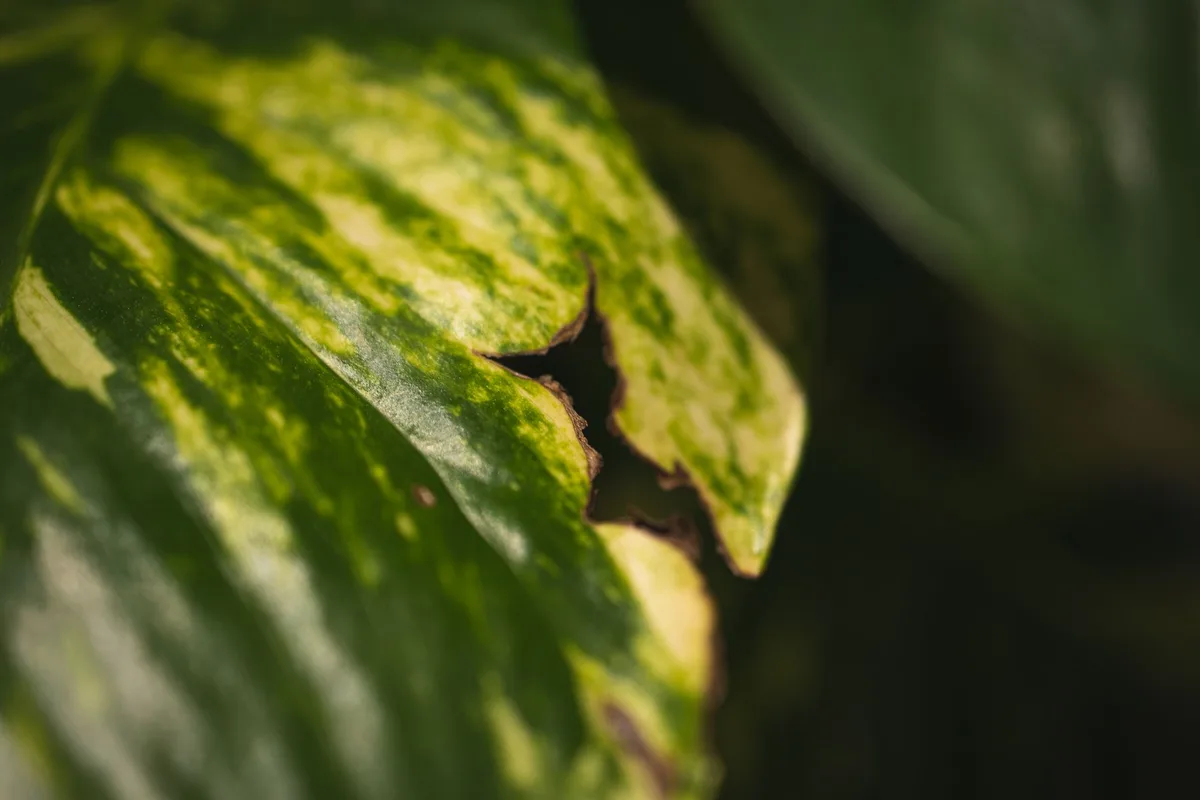
- Visual identifier: Look for spots that are soft to the touch, easily breakable, and often appear as dark, saturated areas. They might be irregular in shape or slightly sunken.
- Associated signs: In addition to the spots, the soil will likely feel constantly damp, even days after you last watered. The pot might feel unusually heavy. Some leaves may also start to yellow before turning black. This situation is a prime example of how root funk leads to leaf symptoms.
Fungal Infections: Distinct Circles and Spreading Spots
Fungal diseases are another significant cause of black spots on Pothos leaves. These infections can take hold when conditions are just right for fungal growth, often due to high humidity combined with poor air circulation. Fungal spots tend to look a bit different from those caused by overwatering; they are typically more defined and circular.
- Visual identifier: You'll often see distinct, neat circles with a darker center. Sometimes, a faint yellow halo might surround the spot, indicating the fungal spread into surrounding tissue. The texture might be slightly rougher or more raised than the rest of the leaf surface.
- Associated signs: These spots can appear quite suddenly and may spread from one leaf to another rapidly if conditions aren't corrected. If you notice a pattern of evenly spaced, dark circles, a fungal issue is a strong possibility. This is why improving airflow within your plant's environment is so crucial for preventing such issues.
Underwatering: Dry and Crispy Spots
While overwatering is more common for black, mushy spots, severe and prolonged underwatering can also lead to leaf discoloration, though it might appear differently. When a Pothos isn't getting enough water, its tissues can eventually dry out and die. This can result in crispy, brown spots that may darken over time, sometimes appearing blackish.
- Visual identifier: These spots are typically dry and brittle, not soft or squishy. They might have a more irregular shape and look like burnt patches. The edges of the leaf might also start to turn brown and crispy.
- Associated signs: The plant as a whole will likely show signs of dehydration. Leaves will droop and look generally sad. The soil will be bone dry, and the pot will feel very light. If you’ve been neglecting watering, this is a likely cause. This is why finding a consistent watering rhythm, such as checking the soil every few days, is essential for plant health.
Pest Damage: Tiny Dots and Stippling
Sometimes, those little black dots aren't a disease or a watering issue at all, but the work of tiny pests. Pests like spider mites or thrips feed on the plant’s sap, and their feeding can cause tiny spots on the leaves. These are often much smaller than spots from other causes and might be accompanied by other subtle signs of pest activity.
- Visual identifier: Look very, very closely, especially on the undersides of leaves. You might see minuscule black or brown dots, which are the pests themselves or their excrement. Sometimes, this feeding causes a stippled effect, tiny white or yellow dots scattered across the leaf surface, indicating damage to the plant's cells.
- Associated signs: Webbing (from spider mites) may be present, or you might see tiny, slow-moving insects. If you suspect pests, a good magnifying glass or your phone's camera zoom can be your best friend in identification. A thorough cleaning of the plant's foliage can help dislodge many common pests.
What Does It Mean When Spots Are Not Black?
While we're talking about black spots, it's helpful to know that other colors can also signal problems. Yellow spots on Pothos leaves are common and can also be linked to watering issues, nutrient deficiencies, or sometimes just the natural aging of older leaves. Brown spots, as we discussed with underwatering, can be dry and crispy, or they might be a result of sunburn if the plant is in direct sunlight.
Understanding the color palette of plant distress helps you narrow down the possibilities. For example:
- Yellow spots: Often linked to overwatering, nutrient issues, or aging.
- Brown spots: Can be underwatering, sunburn, or sometimes the final stage of a dark spot.
- White or pale spots: Could indicate sunburn or a mineral deposit from water.
By observing the color, texture, and pattern of any spots, you can get a much clearer picture of what your Pothos needs.
Step 1: Assess the Spots and Your Plant's Environment
Before you reach for the watering can or a fungicide, take a moment to really observe your Pothos and its surroundings. This initial assessment is crucial for accurate diagnosis. It's like a doctor asking about your symptoms and medical history before prescribing treatment.
Here's what to check:
- The Spots Themselves:
- Are they soft and mushy, or dry and crispy?
- Are they perfectly round, or irregular?
- Do you see any yellow halos?
- Are they mostly on older leaves, new growth, or spread throughout the plant?
- The Soil:
- Stick your finger about two inches down. Is it wet, damp, or bone dry?
- Does the pot have drainage holes? If so, are they blocked?
- The Environment:
- Where is the plant located? Is it getting direct, harsh sunlight?
- How is the air circulation? Is the room stuffy?
- Have you recently moved the plant or changed anything in its care routine?
This detailed look will help you determine if you're dealing with a watering issue, a pest problem, or something else entirely. It’s the foundational step in solving these black spots.