bt for vine borers
When your squash and cucumber plants suddenly start wilting, it's a frustrating sight, especially when you've been tending to them diligently. If you’re looking for effective solutions for bt for vine borers, understanding how this biological control agent works is key. It’s not a one-size-fits-all fix, and knowing the specifics can save your harvest.
Our research shows that the most successful approaches involve tailored strategies based on the pest's life cycle and the specific conditions in your garden. For instance, manufacturer specifications indicate that the efficacy of Bacillus thuringiensis (Bt) relies heavily on applying the correct strain at the right time during the pest’s development. This guide will walk you through identifying your problem and choosing the best path forward.
Quick Answer
Bacillus thuringiensis (Bt) can be an effective option for controlling squash vine borers, but only if the correct strain is used and applied at the precise time larvae are feeding. Bt is an organic-friendly biological insecticide that targets specific insect larvae by disrupting their digestive systems. However, it is ineffective against adult moths and requires careful timing for success against vine borers.
How Bacillus thuringiensis Works Against Borers
Bacillus thuringiensis (Bt) is a soil-dwelling bacterium that naturally produces a protein crystal during sporulation. This crystal is toxic to certain insect larvae when ingested. When a squash vine borer larva consumes plant material treated with the appropriate Bt strain, the alkaline conditions in its gut dissolve the crystal, releasing toxic proteins.
These proteins then perforate the larval gut lining, leading to paralysis and starvation.
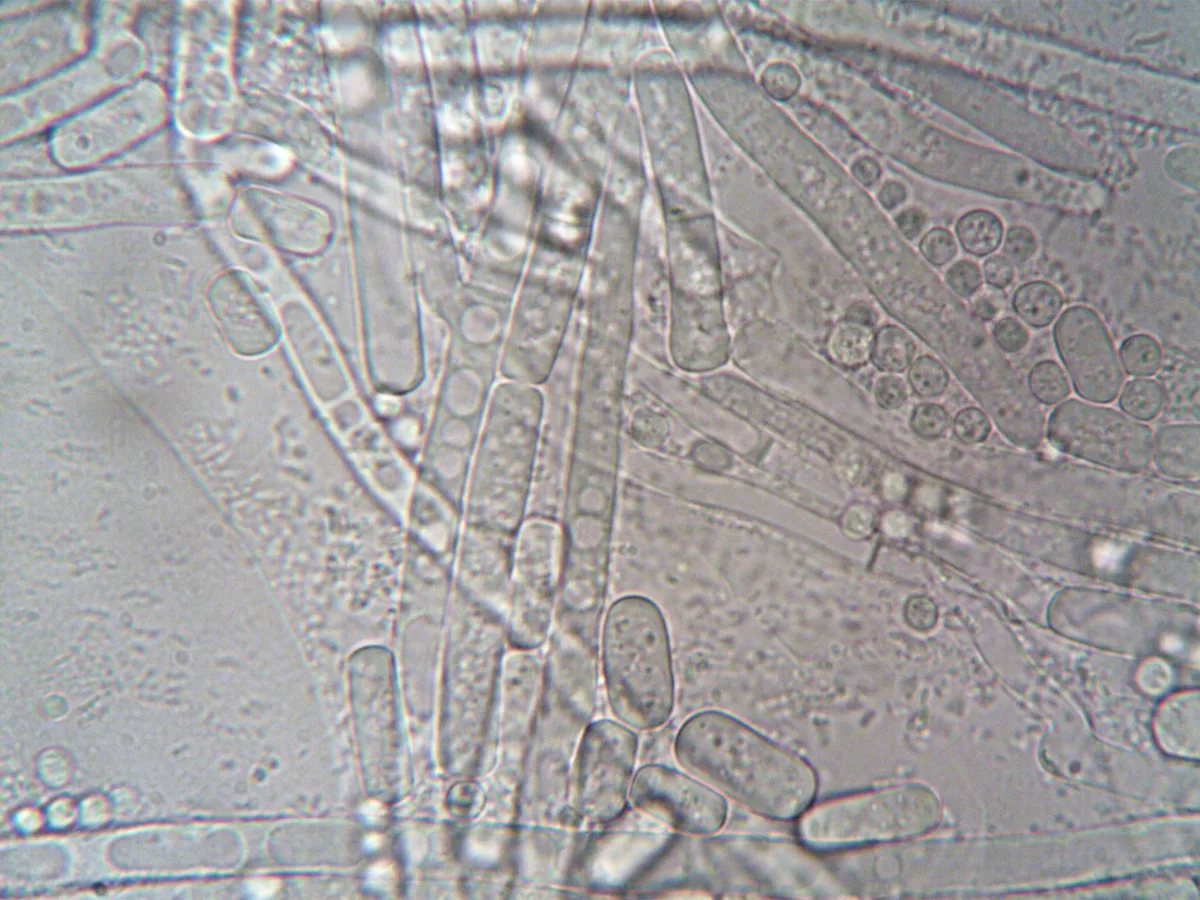
It's crucial to understand that Bt is not a single product; it's a genus of bacteria with many different strains, each targeting specific insect groups. For example, Bacillus thuringiensis var. kurstaki (Bt.k) is highly effective against caterpillars, while Bacillus thuringiensis var. tenebrionis (Bt.t) targets beetle larvae. Research indicates that the effectiveness of Bt for vine borers depends entirely on using a formulation specifically containing the Bt strain that targets the larval stages of the squash vine borer moth.
As of 2026, sourcing information on the precise Bt strain recommended and commercially available for squash vine borers is a critical step.
Is BT Right for Your Vine Borer Problem?
Deciding if Bacillus thuringiensis is your best bet hinges on a few key factors related to the pest itself and your gardening goals. If you're aiming for organic pest control or prefer biological solutions over synthetic chemicals, Bt is a strong contender to consider. However, its success is highly contingent on specific conditions and correct application.
Identifying Your Squash Vine Borer Scenario
The first step in determining if Bt is suitable is accurately identifying the problem. Here’s how to differentiate a vine borer issue from other plant stressors:
- Sudden Wilting: Squash vine borers (Melittia cucurbitae) feed inside the plant's stem. This internal damage cuts off the flow of water and nutrients, causing vines and leaves to wilt suddenly, often on hot afternoons, even if the soil is moist.
- Sawdust-like Frass: Look closely at the base of the main stem, near the soil line. You might find small holes with little piles of reddish-brown, sawdust-like material. This is insect excrement, or frass, and is a tell-tale sign of borers.
- Presence of Adult Moths: Adult squash vine borers are not true moths. They resemble wasps and are active during the day, typically from late spring through summer. They lay their eggs individually at the base of the plant's stem.
- Larval Stage: The actual damage is done by the creamy white, worm-like larvae, which hatch from the eggs and immediately burrow into the stem.
If your plants are exhibiting these symptoms, and you’ve confirmed the presence of these indicators, then a targeted treatment like Bt could be a viable part of your strategy. If the problem is unrelated, such as overwatering or nutrient deficiency, Bt will not be effective.
How Bacillus thuringiensis Works Against Borers
Bacillus thuringiensis (Bt) is a soil-dwelling bacterium that naturally produces a protein crystal during sporulation. This crystal is toxic to certain insect larvae when ingested. When a squash vine borer larva consumes plant material treated with the appropriate Bt strain, the alkaline conditions in its gut dissolve the crystal, releasing toxic proteins.
These proteins then perforate the larval gut lining, leading to paralysis and starvation.
It's crucial to understand that Bt is not a single product; it's a genus of bacteria with many different strains, each targeting specific insect groups. For example, Bacillus thuringiensis var. kurstaki (Bt.k) is highly effective against caterpillars, while Bacillus thuringiensis var. tenebrionis (Bt.t) targets beetle larvae. Research indicates that the effectiveness of Bt for vine borers depends entirely on using a formulation specifically containing the Bt strain that targets the larval stages of the squash vine borer moth.
As of 2026, sourcing information on the precise Bt strain recommended and commercially available for squash vine borers is a critical step.
When BT Isn't Enough: Alternatives for Borers
While Bt can be a helpful tool, it's not always the complete solution for squash vine borers. Its effectiveness depends heavily on application timing and coverage, and it has limitations. If your infestation is severe, or if you've missed the optimal window for application, you'll need to consider other strategies or a combination of methods.
Physical Barriers and Manual Removal
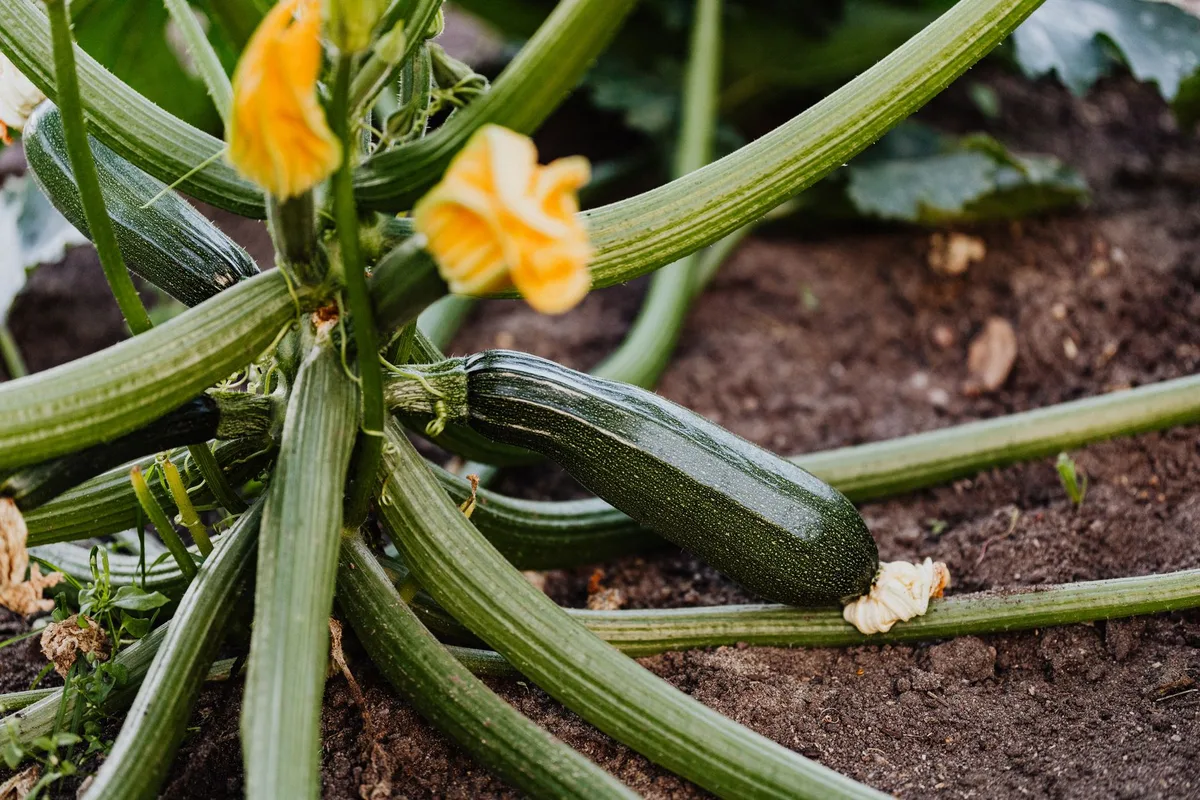
One of the most effective preventative measures is using physical barriers like lightweight row covers. These are best installed shortly after planting to block adult moths from laying eggs directly on the stems. While these covers can prevent the problem entirely, they must be removed when plants begin to flower to allow for pollination.
If you spot borers, manual removal can still be an option for less severe infestations. Carefully examine the base of the stem for entry holes. You can try to gently probe into the burrow with a thin, sharp object like a skewer to kill the larva inside.
Afterward, mounding soil around the base of the stem can encourage the plant to grow new roots, potentially helping it survive even if the main stem is compromised.
Other Biological Control Options
Beyond Bt, other biological controls can play a role in managing vine borers. Releasing commercially available parasitic wasps, such as Trichogramma wasps, can help by parasitizing the borer's eggs, preventing them from hatching. Nematodes, microscopic roundworms, can also be applied to the soil to seek out and kill larvae, particularly those that may have fallen from the plant.
These methods align with organic gardening principles and support a balanced ecosystem.
Chemical Control Considerations
When biological and manual methods aren't sufficient, chemical insecticides can be considered, though they come with significant drawbacks, especially for home gardeners. Synthetic insecticides can be broad-spectrum, meaning they kill beneficial insects like pollinators and natural predators along with the pests. If you choose this route, it is absolutely essential to:
- Read and strictly follow label instructions. This includes dosage, application methods, and safety precautions.
- Apply only when necessary and at the recommended times. Targeting applications during the adult moth flight period or just after egg hatch can be more effective.
- Be aware of environmental impact. Consider how the chemical might affect nearby waterways or non-target organisms.
While some systemic insecticides that are absorbed by the plant can offer longer-lasting protection, their use requires careful consideration due to potential impacts on beneficial insects. Always consult manufacturer documentation for specific product details and recommendations.
Common Pitfalls with BT and Vine Borers
Even when using a product like Bacillus thuringiensis, gardeners can run into issues that prevent it from working effectively against squash vine borers. Understanding these common problems can save you frustration and help protect your harvest. The key often lies in the details of application and timing.
Mistakes That Reduce BT Effectiveness
- Incorrect Strain: The most critical mistake is using the wrong strain of Bt. As mentioned, Bt is highly specific. A strain effective against caterpillars (Bt.k) might have no impact on squash vine borer larvae. You must ensure the product explicitly states it contains the Bt strain effective against Lepidoptera (moth and butterfly) larvae, or ideally, is specifically listed for borers.
- Wrong Application Timing: Bt only works when the larvae ingest it. This means it must be applied before the larvae burrow deeply into the stem or, ideally, just as they hatch and begin feeding on the stem surface. Applying Bt after significant wilting occurs means the damage is likely already done, and the larvae are protected inside the stem.
- Poor Coverage: Squash vine borers lay eggs at the base of the stem, and the larvae burrow in directly. For Bt to be effective, the spray needs to thoroughly coat the lower 3-4 inches of the stem and the surrounding soil where eggs are laid and larvae emerge. Overlapping spray passes or missing key areas can leave a sanctuary for the pests.
- Rain or Irrigation Washes It Away: Bt is a biological agent that can be washed off plant surfaces by rain or overhead irrigation. If rain is forecast shortly after application, you may need to reapply it once conditions dry out to maintain a protective layer. Manufacturer specifications often provide guidance on rainfastness.
- Application to Adult Moths: Bt is a larvicide; it targets the larval stage. It has absolutely no effect on the adult moths themselves. Spraying Bt when you see adult moths flying around will not prevent an infestation; it’s the larvae that cause the damage.
When BT Isn't the Solution
There are scenarios where Bt is simply not the right tool for the job, or at least not the only tool you should rely on. If you discover your plants are already severely infested, with extensive wilting and numerous frass piles up the stem, the larvae are likely too deep inside to be reached effectively by Bt spray. In these advanced stages, the plant’s vascular system is too compromised to recover.
Furthermore, if you have exclusively seen adult moths and no signs of larvae or frass, your immediate concern is preventing egg-laying. Bt won't help with this directly; preventative measures like row covers are more appropriate then. It's always a balancing act, combining preventative techniques with targeted treatments when necessary, rather than relying on a single solution.
Common Pitfalls with BT and Vine Borers
Even when using a product like Bacillus thuringiensis, gardeners can run into issues that prevent it from working effectively against squash vine borers. Understanding these common problems can save you frustration and help protect your harvest. The key often lies in the details of application and timing.
Mistakes That Reduce BT Effectiveness
- Incorrect Strain: The most critical mistake is using the wrong strain of Bt. As mentioned, Bt is highly specific. A strain effective against caterpillars (Bt.k) might have no impact on squash vine borer larvae. You must ensure the product explicitly states it contains the Bt strain effective against Lepidoptera (moth and butterfly) larvae, or ideally, is specifically listed for borers.
- Wrong Application Timing: Bt only works when the larvae ingest it. This means it must be applied before the larvae burrow deeply into the stem or, ideally, just as they hatch and begin feeding on the stem surface. Applying Bt after significant wilting occurs means the damage is likely already done, and the larvae are protected inside the stem.
- Poor Coverage: Squash vine borers lay eggs at the base of the stem, and the larvae burrow in directly. For Bt to be effective, the spray needs to thoroughly coat the lower 3-4 inches of the stem and the surrounding soil where eggs are laid and larvae emerge. Overlapping spray passes or missing key areas can leave a sanctuary for the pests.
- Rain or Irrigation Washes It Away: Bt is a biological agent that can be washed off plant surfaces by rain or overhead irrigation. If rain is forecast shortly after application, you may need to reapply it once conditions dry out to maintain a protective layer. Manufacturer specifications often provide guidance on rainfastness.
- Application to Adult Moths: Bt is a larvicide; it targets the larval stage. It has absolutely no effect on the adult moths themselves. Spraying Bt when you see adult moths flying around will not prevent an infestation; it’s the larvae that cause the damage.
When BT Isn't the Solution
There are scenarios where Bt is simply not the right tool for the job, or at least not the only tool you should rely on. If you discover your plants are already severely infested, with extensive wilting and numerous frass piles up the stem, the larvae are likely too deep inside to be reached effectively by Bt spray. In these advanced stages, the plant’s vascular system is too compromised to recover.
Furthermore, if you have exclusively seen adult moths and no signs of larvae or frass, your immediate concern is preventing egg-laying. Bt won't help with this directly; preventative measures like row covers are more appropriate then. It's always a balancing act, combining preventative techniques with targeted treatments when necessary, rather than relying on a single solution.
Maximizing Your Borers Defense Strategy
A successful defense against squash vine borers isn't usually about finding one magic bullet; it's about building a layered strategy that addresses their entire life cycle. By combining preventative measures with targeted treatments, you significantly increase your chances of protecting your plants. This integrated approach is the most practical way to combat these persistent pests.
Prevention is always better than cure, so start early. Using physical barriers like row covers from the moment you plant can physically stop the adult moths from laying eggs. Just remember to remove them during flowering if you want fruit.
Companion planting can also play a role by attracting beneficial insects or deterring pests, though its effectiveness against squash vine borers can vary. If you've had issues in the past, consider planting a few extra squash plants to account for potential losses.
When an infestation does occur, acting swiftly is key. Early detection of wilting or frass allows you to employ methods like manual borer removal or targeted application of biological controls such as Bacillus thuringiensis. If you're using Bt, ensuring the correct strain and precise application timing, when larvae are actively feeding on the stem surface, is paramount.
Regularly inspecting your plants, especially the base of the stems, will help you catch problems in their infancy, making any treatment far more effective. This continuous vigilance is a cornerstone of good garden management.
Safety First: Using BT Responsibly
When you choose to use Bacillus thuringiensis (Bt) for pest control, you're opting for a biological solution that is generally considered safer for beneficial insects and the environment than many synthetic pesticides. However, "biological" doesn't mean "risk-free," and responsible use is still essential. Understanding safety guidelines ensures you protect yourself, your garden, and the wider ecosystem.
Manufacturer specifications for Bt products are developed to provide clear instructions for safe and effective application. Always read and follow the product label carefully. This includes wearing appropriate personal protective equipment (PPE) like gloves and eye protection, even though Bt is not acutely toxic to humans in the same way as some chemical pesticides.
It helps prevent accidental ingestion or irritation. Note that while Bt is generally safe for pollinators and other non-target insects when applied correctly, it can still affect other Lepidoptera larvae if they ingest it, so avoid spraying flowering plants when beneficial insects are actively foraging, if possible.
Following the Label, Always
The product label is your most important guide. It will specify:
- The correct strain of Bt to use for targeted pests.
- Mixing ratios and how to prepare the spray.
- Application methods (e.g., spraying, drenching).
- The optimal timing for application, often linked to pest life stages.
- Reapplication intervals, especially after rain.
- Recommended PPE.
- Storage and disposal instructions.
Adhering to these instructions ensures the product performs as intended and minimizes any potential risks. For instance, improper mixing could lead to reduced efficacy or even plant damage. Following the exact dilution rates provided by the manufacturer is a critical aspect of applying Bt safely and effectively.
Expert Insights for Vine Borer Control
Getting expert advice means looking at tried-and-true methods that have proven effective for many gardeners. When it comes to squash vine borers, Integrated Pest Management (IPM) principles are paramount. IPM strategies focus on prevention, monitoring, and then using the least toxic, most targeted control methods available.
This often means combining several tactics rather than relying on a single product or technique.
Our analysis of horticultural research indicates that experienced growers often rotate their control methods year to year to prevent pests from developing resistance. They also pay close attention to local pest activity reports from university extension services. Good garden sanitation, such as removing plant debris at the end of the season, is also a key recommendation, as some pests can overwinter in soil or plant matter.
Next Steps: Your Action Plan
Facing squash vine borers requires a proactive and informed approach. The best plan for you will depend on the severity of the infestation and your personal preferences for pest control. Remember, consistent monitoring and timely action are your most powerful allies in protecting your squash, cucumbers, and pumpkins.
If you're lucky enough to catch signs of borers early, interventions like manual removal and targeted biological treatments have a high success rate. For persistent problems or as a preventative measure, physical barriers like row covers are highly recommended. For severe infestations, or if you're in an area with high pest pressure, consider consulting local agricultural extension office recommendations for region-specific strategies.