
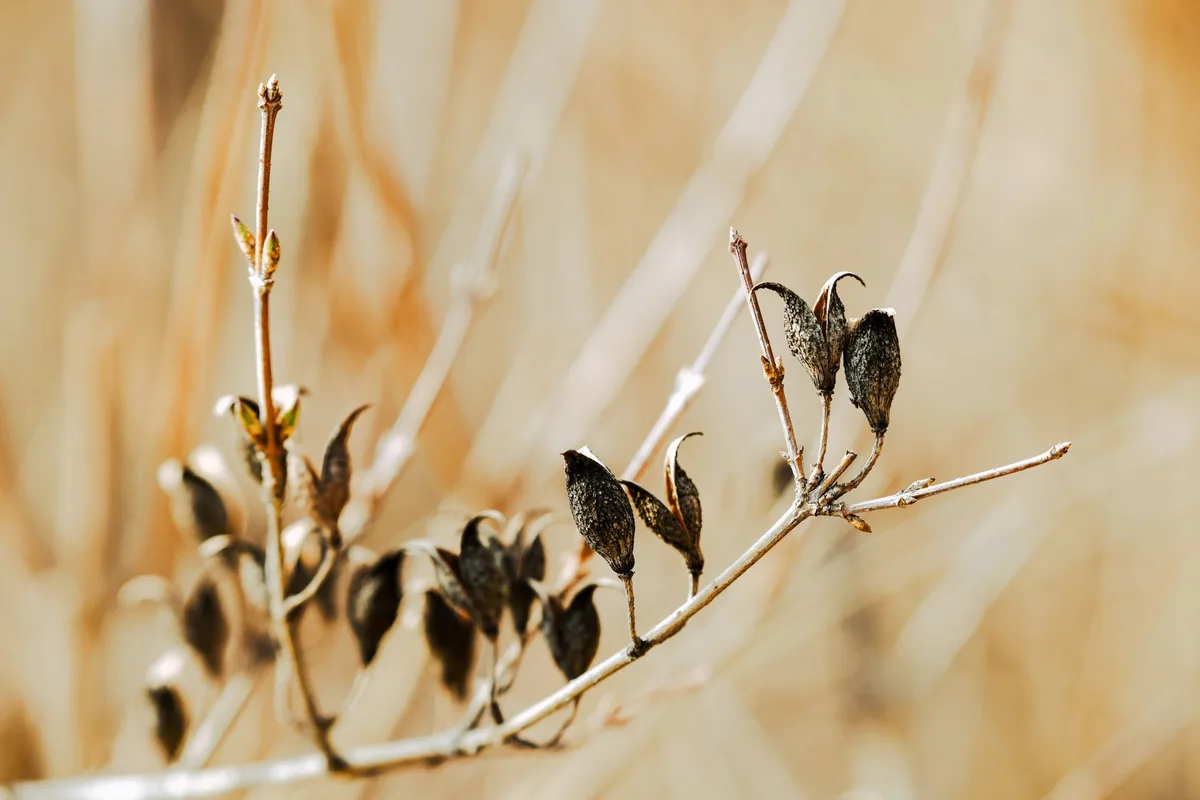
When you check your garden in early spring and your butterfly bush looks completely dead, it’s easy to feel that familiar pang of horticultural dread. Brown, brittle stems with no sign of green can be alarming, especially if you were looking forward to their vibrant blooms and butterfly visitors. This common gardener's worry often stems from misunderstanding how these hardy shrubs behave after winter.
Many deciduous plants, like the butterfly bush (Buddleja davidii), intentionally shed their foliage in the fall to conserve energy and survive cold temperatures. While they appear lifeless through winter, they are merely dormant, waiting for warmer weather and longer days to signal it's time to reawaken. Aggregated horticultural data indicates that some Buddleja cultivars can show delayed spring growth following unusually harsh winters or late frosts, sometimes not exhibiting visible new leaves until well into May in certain climates.
Quick Answer
Your butterfly bush likely isn't dead if it looks brown in spring. It's probably dormant. The key is patience and checking for green beneath the bark.
Many butterfly bushes emerge slowly after winter.
Why Does My Butterfly Bush Look Dead in Spring? The Big Picture
That stark, brown skeleton you're looking at isn't necessarily a tombstone. It's more like a sleeping giant. Butterfly bushes are deciduous, meaning they naturally lose their leaves every fall.
This is a survival mechanism, a way for the plant to shed its vulnerable parts and conserve resources when temperatures drop and sunlight wanes. Think of it like a bear hibernating, the animal isn't dead; it's just drastically slowing down its metabolism to get through a tough period.
This dormancy period is crucial for the shrub’s long-term health. It allows the plant to focus its energy on root development and essential internal processes rather than supporting leafy growth that would be damaged by frost. While they look completely lifeless through the cold months, the plant is resting, building up strength for its spring resurgence.
The visual appearance of a "dead" plant in early spring is a natural part of this cycle, and for many gardeners, a surprising transformation awaits if they just hold on.
Scratch Test: Your First Clue to Plant Life
When you're worried your butterfly bush has succumbed to winter, the first practical step is a quick "scratch test." This simple technique gives you a direct indication of whether the stems are still alive and contain moisture.

Here’s how to do it:
- Locate a stem: Choose a stem that looks completely brown and dry, ideally one that is about pencil-thick.
- Make a small nick: With your fingernail, a small knife, or even pruning shears, carefully scrape away a tiny piece of the outer bark. You only need to remove the very surface layer.
- Observe the color:
- Green beneath the bark: If you see a vibrant green layer just under the bark, congratulations! That part of the stem is alive and has moisture. This indicates the plant is likely still viable and will probably sprout new growth when conditions are right.
- Brown or dry beneath the bark: If the layer beneath the bark is also brown and brittle, that particular stem or branch is likely dead.
It’s important to perform this test on several different stems across the plant. A single dead branch doesn't mean the whole shrub is a loss. By checking multiple areas, you get a more accurate picture of your butterfly bush's overall condition.
Waiting Game: Patience for Spring Growth
This is often the hardest part for gardeners: waiting. It's incredibly tempting to assume the worst when you see bare branches, but many butterfly bushes are masters of delayed gratification. Their emergence in spring can be surprisingly slow, especially compared to other, more eager garden plants.
While some plants might be showing new leaves by early April, a butterfly bush could still be a picture of bareness. Reports from horticultural surveys indicate that visible new shoots on Buddleja davidii varieties might not appear until late April or even mid-May. This timeline is heavily influenced by regional climate, the severity of the preceding winter, and even specific cultivar hardiness.
For instance, in colder zones or after a particularly brutal winter, you might not see significant activity until well into the traditional spring season.
Think of your garden as a community, and each plant has its own internal clock. Some are early risers, while others prefer to sleep in. Your butterfly bush is likely one of the latter.
Resisting the urge to dig it up or prune it aggressively too early is your best strategy. Give it time to signal its readiness to grow. By observing other plants in your garden, you can also gauge the general progression of spring, but remember that different species have different onset times for active growth.
Inspecting the Roots: Digging Deeper for Answers
If the scratch test reveals mostly brown or dry tissue, or if you've waited a significant amount of time and still see no signs of life, it’s time to investigate the root system. The health of the roots is paramount to a plant's survival, and they can offer crucial clues about what might be going wrong.
This isn't about uprooting the entire plant just yet. Instead, carefully excavate about 6-12 inches around the base of the shrub. You can use a trowel or a small spade for this.
The goal is to expose some of the larger roots without causing significant damage.
Once you've exposed a few roots, examine them closely:
- Healthy Roots: These will typically be firm, pliable, and usually white or tan in color. They might be slightly moist.
- Rotten Roots: If the roots are mushy, dark brown to black, and emit a foul, decaying odor, this is a strong indicator of root rot. This often happens when a plant is overwatered, especially when it's dormant, or if the soil has poor drainage.
If the roots look healthy, even if the stems are bare, there is still a good chance the plant can recover. New growth often emanates from the base or root system. If the roots are clearly rotten, however, the prognosis is much less optimistic.
In such cases, the plant has likely died from disease or poor conditions, and replacement might be the only viable option. Proper soil drainage is fundamental for preventing root issues, especially in shrubs that don't like soggy feet.
Pruning Back the Brown: Encouraging New Life
Once you’ve established that there's live wood present (via the scratch test), or even if you suspect the entire plant might be weak, pruning is a critical step. For butterfly bushes, pruning in early spring is not just about tidying up; it’s vital for stimulating new, vigorous growth and ensuring beautiful blooms. Since butterfly bushes bloom on new wood, meaning the flowers appear on the current season's growth, a good spring prune is essential for a good bloom display.

Here’s how to approach pruning a potentially "dead" or dormant butterfly bush:
- Remove Clearly Dead Stems: If the scratch test above showed a very distinct line between live and dead wood, prune back the dead sections. Cut just above a node (a small bump where a leaf or bud will form) or a healthy-looking side branch. If a whole stem is brown all the way to the base, cut it back to the ground.
- Hard Pruning for Rejuvenation: If the plant looks generally weak or you suspect it needs a significant boost, don't be afraid to prune it back hard. Many gardeners cut butterfly bushes back by one-half to two-thirds of their total height in early spring. This might seem drastic, but it encourages stronger new shoots to emerge from the base and lower parts of the plant. For bushes that have become leggy or overgrown, a hard prune can reshape them and lead to denser foliage and more prolific flowering.
- Use Clean Tools: Always use sharp, clean pruning shears or loppers. This ensures clean cuts that heal better and reduces the risk of spreading diseases. Sterilize your tools with rubbing alcohol between plants or even between cuts if you're working with diseased material.
By pruning away dead wood and encouraging new growth, you’re essentially giving the plant a fresh start for the season. This process also helps improve air circulation around the plant, which can prevent fungal diseases later on. Remember, if your butterfly bush looks nearly dead, a significant trim is often precisely what it needs to spark life.
When to Worry: Signs Your Butterfly Bush Might Not Make It
Even with the best intentions and careful observation, sometimes a plant is just beyond saving. While butterfly bushes are remarkably resilient, certain conditions can lead to irreversible damage. Knowing these warning signs will help you make the tough decision about whether it’s time for a replacement, rather than continuing to tie up garden space and resources on a lost cause.
If you’ve followed the earlier advice and still see no progress, it’s time for a final assessment.
The most critical indicator is the root system. If your root inspection revealed mushy, dark, foul-smelling roots, this points to root rot, often caused by prolonged waterlogging and poor soil drainage. Plants cannot survive without healthy roots to absorb water and nutrients, and this condition is usually fatal.
Another sign is the total absence of any green tissue, even after a deep scratch test on numerous stems, and a lack of any new growth emerging from the base by late spring.
My Experience: What I Learned By Waiting It Out
Gardening is a continuous learning process, and sometimes the most valuable lessons come from experiences that felt like failures at the time. There was one particular spring when a mature butterfly bush in my garden looked, to all intents and purposes, completely dead. The previous winter had been unusually harsh, with prolonged periods of deep freeze and fluctuating temperatures.
By early May, while other plants were thriving, this butterfly bush remained stubbornly brown and brittle. I performed the scratch test all over, and virtually every stem yielded a dry, brown interior. I checked the roots, and thankfully, they seemed firm and whitish, indicating they were still alive.
This was the crucial piece of information. It gave me hope, and I decided to give it just a little more time and did a light prune of the most obviously dead upper branches.
To my absolute astonishment, by late May, tiny bright green buds started to appear right from the base of the plant and from lower down on some of the pruned stems. Within a few weeks, it was showing significant new growth. That bush went on to have a full and beautiful bloom cycle that summer, proving that sometimes, patience and a bit of trust in the plant’s inherent resilience can be the ultimate solution.
This experience reinforced my belief in the importance of the root check and the power of a little extra waiting.
Essential Butterfly Bush Spring Care in Summary
Getting your butterfly bush ready for its blooming season involves a few key steps, especially after a winter dormancy. The primary goals are to assess its health, remove any winter damage, and set the stage for robust new growth and flowering. This preparation ensures you’ll enjoy those beautiful, butterfly-attracting flowers throughout the summer and fall months, supporting crucial pollinators in your garden.
Here’s a concise rundown of what to focus on:
- Late Winter/Early Spring Pruning: As we’ve discussed, removing dead or damaged stems is crucial. This often means cutting back a significant portion of the plant, encouraging new wood for blooming.
- Assess for Damage: Use the scratch test to confirm live tissue and identify branches that need to be removed.
- Soil Improvement: Butterfly bushes appreciate well-draining soil. Amending the soil around the base with compost can help improve drainage and provide nutrients. Consider this part of your general garden preparation, similar to preparing your lawn for the season.
- Fertilizing (Optional): While not strictly necessary for most butterfly bushes, a light feeding in early spring with a balanced fertilizer can give them an extra boost. Avoid over-fertilizing, as this can lead to leggy growth rather than abundant flowers. You can find guidance on appropriate fertilizers at sites dedicated to horticultural practices.
- Mulching: Applying a layer of mulch around the base (but not touching the stem) helps retain soil moisture, suppress weeds, and regulate soil temperature.
By following these simple steps, you can help your butterfly bush thrive and be a magnet for pollinators all season long. This proactive care is part of a broader strategy for seasonal lawn and garden readiness, ensuring all your plants get the best start.