
So, your butterfly bush looks like it's completely given up the ghost, right? Brown leaves, no new growth, basically a sad, woody stick sticking out of the ground. It's a common sight, and honestly, it can be a little heartbreaking when you've been looking forward to those beautiful blooms all year.
Don't panic just yet, though. Most of the time, a butterfly bush that looks dead is actually just dormant or needs a little bit of a pep talk. We can figure this out together.
Quick Answer
A butterfly bush that looks dead is often dormant or suffering from temporary stress. The scratch test reveals if the plant has live tissue beneath the bark. Many factors, including winter damage, watering issues, or pests, can make it appear lifeless.
Proper diagnosis and care can usually revive a struggling butterfly bush, especially if the roots are healthy.
Is Your Butterfly Bush Actually Dead? The First Survival Test
Seeing your carefully planted butterfly bush (Buddleja davidii) reduced to brittle, brown stems can be disheartening. It’s easy to jump to the conclusion that it's a goner, especially after a harsh winter or a particularly dry summer. However, a plant’s appearance can be deceiving, and many common gardening situations can make a healthy shrub look worse for wear.
The key is to understand that “looking dead” doesn't always mean “is dead.” Perennial plants, depending on their hardiness zone and the specific weather conditions, often go through periods of dormancy where they shed foliage and appear lifeless. This resilience is a hallmark of many garden favorites, including the butterfly bush. For instance, according to horticultural guidelines, many B. davidii cultivars are rated for USDA hardiness zones 5-9, meaning they can withstand significant winter dieback while their root systems remain viable.
The "Scratch Test": Finding Green Under the Brown
Before you grab your shovel to dig it up, try a simple diagnostic step: the scratch test. This is your first, and often most reliable, indicator of whether your butterfly bush has any life left in its stems. It helps you distinguish between dead, brittle wood and living, green tissue that's just waiting for the right conditions to grow.
How to Perform the Scratch Test:
- Locate a stem: Choose a small branch or stem on your butterfly bush.
- Make a small scrape: Using your fingernail or a small, clean knife, gently scrape away a tiny sliver of the outer bark. You don't need to cut deep, just expose the layer beneath.
- Observe the color:
- If you see green: Success! This confirms that living tissue (cambium) is present just below the bark. Even if the outer stem is dry and brown, the plant is still alive, and new growth can emerge from this point or lower down the stem.
- If you see brown or dry: The tissue beneath the bark is dead. This doesn't mean the whole plant is gone. Continue scratching lower down the same stem, or try other stems, to see if you can find any green, living tissue.
If the scratch test reveals green all the way down to the base of the plant, you’re in good shape. It simply means the upper portions have died back, likely due to cold, drought, or another stressor, but the root system is intact and ready to regenerate. If you can't find any green at all, even at the soil line, then unfortunately, the plant may have perished entirely.
Why Did My Butterfly Bush Suddenly Look Dead? Common Causes
When you find green under the bark, the next step is figuring out why your butterfly bush appeared to die back. Several factors can cause this seemingly sudden decline. Understanding the root cause is crucial for effective treatment and preventing future issues.
The Chill Factor: Winter Damage or Natural Dormancy
One of the most frequent reasons a butterfly bush looks dead is straightforward winter dormancy or damage. These shrubs are deciduous, meaning they naturally shed their leaves in the fall and enter a dormant state to survive cold temperatures. What looks like a dead plant is often just a sleeping one.
- Natural Dormancy: In colder climates, the entire above-ground portion of a butterfly bush might die back to the ground. This is a survival mechanism. The roots remain alive underground, protected from the frost. As soon as warmer weather arrives in spring, new shoots will emerge from the base.
- Winter Damage: Conversely, extreme cold snaps or unseasonably warm spells followed by hard freezes can cause more significant damage. This can kill back stems further than usual, or even damage the upper root system. However, even with severe dieback, as long as the main root section is healthy, the plant can often recover. Perennial plant hardiness is often rated by USDA zones, with B. davidii generally thriving in zones 5-9, though some varieties may tolerate slightly colder conditions with adequate protection.
Thirsty Thirst: When Your Bush Needs a Drink
Lack of water is a primary stressor for most plants, and butterfly bushes are no exception. If your shrub didn’t get enough moisture, especially during hot, dry periods, it can quickly show signs of distress that mimic death. This is particularly true for newly planted specimens still establishing their root systems.
- Symptoms: Leaves will wilt dramatically, turn yellow or brown, and become dry and brittle. The stems themselves can also dry out and become brittle, leading to the overall appearance of a dead plant.
- When it occurs: This is common during droughts, extended heatwaves, or if a plant's watering needs aren't met. Young plants are more vulnerable than established ones. Proper watering is essential for plant survival and vigor. Aggregate reviews from gardening forums indicate that insufficient watering is a top reason for plant decline in the first year after planting, often leading to premature leaf drop and dieback.
Too Much of a Good Thing: The Dangers of Overwatering
Interestingly, the opposite problem, overwatering, can cause almost identical symptoms. While plants need water to survive, their roots also need oxygen, which they can't get if they're constantly waterlogged. This leads to root rot, a serious condition that prevents the plant from taking up the water and nutrients it needs, ultimately causing it to wilt and die from the "inside out," even though the soil is wet.
- Causes: Poorly draining soil is the main culprit. If your garden soil retains water for long periods after rain or irrigation, it can suffocate the roots. Overzealous watering, especially in cooler weather when evaporation is slow, can also lead to waterlogged conditions.
- Symptoms: Similar to drought stress, overwatering causes wilting and yellowing leaves. However, with overwatering, the soil will remain consistently damp, and you might notice a fungal odor or even visible mold on the soil surface. If root rot has set in, the plant will be unable to recover even with proper watering.
Unwelcome Guests: Pests and Diseases Lurking
While butterfly bushes are relatively resilient, they can still fall prey to various pests and diseases that can weaken them to the point of appearing dead. These problems can attack the leaves, stems, or roots, drawing essential nutrients and disrupting the plant's ability to function.
- Common Pests: Aphids, scale insects, and spider mites are common sap-sucking pests that can infest butterfly bushes. They weaken the plant by feeding on its vital fluids, leading to distorted growth, yellowing leaves, and overall decline.
- Diseases: Fungal diseases like powdery mildew or verticillium wilt can also impact butterfly bushes. Powdery mildew typically affects the leaves, while verticillium wilt is a more serious soil-borne disease that can cause wilting and death of branches, or the entire plant. Early identification is key to managing these issues.
Nutrient Imbalance: Too Little or Too Much Fuel
A plant's diet plays a crucial role in its health and vigor. Both a deficiency and an excess of nutrients can cause a butterfly bush to look unhealthy, including showing signs of wilting or stunted growth that could be mistaken for death.
- Nutrient Deficiency: If your soil lacks essential nutrients (like nitrogen, phosphorus, or potassium), the plant may exhibit pale or yellowing leaves, reduced vigor, and poor overall growth. This weakens the plant, making it more susceptible to other stressors.
- Nutrient Burn: Conversely, over-fertilizing, especially with fast-acting chemical fertilizers, can "burn" the plant's roots. This damage prevents the roots from absorbing water and nutrients, leading to wilting, scorched leaf edges, and dieback, much like severe drought stress. When considering fertilization, it’s often recommended to use a slow-release formula or organic compost. For instance, when assessing lawn health, understanding the impact of fertilizers is critical; what kind of fertilizer for grass to use requires careful consideration of soil needs, and timing is equally important, as detailed in guides on when to fertilize lawn.
Troubleshooting Steps: A Gardener's Diagnostic Workflow
When you're faced with a butterfly bush that looks like it’s on its last legs, it’s time to get systematic. Just like a doctor might run through a series of checks, we'll follow a logical workflow to pinpoint the problem and determine the best course of action. This process helps rule out different possibilities and guides you toward a solution.
Step 1: Assess the Situation (When Did It Look Bad?)
Your first step is recalling when you first noticed the decline. This context is super important for narrowing down potential causes.
- If it was late fall or winter: It’s highly likely the plant is simply dormant. Many perennial shrubs lose all their leaves and appear dead during the cold months. This is normal, particularly in cooler climates.
- If it was late spring or summer: If your butterfly bush looked this way during the peak growing season, it points to a problem that occurred during the growing period. This could be an environmental stressor like extreme heat or drought, a pest infestation, a disease, or an issue with watering.
- If it was shortly after planting: The shrub might be experiencing transplant shock, a common reaction when a plant is moved to a new environment and needs time to establish its root system.
Step 2: Perform the Scratch Test for Life
This is your crucial survival check. As we discussed, the scratch test tells you if there's living tissue beneath the bark. This is the single most important step in determining if the plant needs revival or replacement.
- Procedure: Gently scrape away a small section of bark on a stem.
- Outcome 1 (Green Tissue): The plant is alive. The upper parts may be dead, but the roots and lower stem are viable. Proceed to troubleshooting for revival.
- Outcome 2 (Brown/Dry Tissue): That section is dead. Continue scratching lower down the stem or on different stems. If no green is found anywhere, even at the soil line, the plant has likely died.
Step 3: Check Soil Moisture: Dry, Damp, or Drowning?
Once you know if there's life, you need to assess the plant's environment, starting with the soil. The moisture level at the roots is paramount.
- How to Check: Stick your finger about two inches deep into the soil near the base of the shrub.
- If the soil feels dry: Your plant may be suffering from drought stress or simply needs more water.
- If the soil feels consistently wet or soggy: This is a red flag for overwatering and potential root rot.
- If the soil feels lightly moist: This is generally ideal, indicating the watering is fairly balanced, and the issue might lie elsewhere.
What to Do When You Find Signs of Life
Finding green tissue after the scratch test is great news! It means your butterfly bush has the potential to recover. Now, it’s time to take targeted action based on what you discovered in your troubleshooting steps.
The goal is to alleviate stress and encourage new growth.
Pruning Back Deadwood: Clearing the Way for New Growth
If your scratch test revealed green stems lower down, but the upper parts are dry and brown, pruning is essential. Removing the dead wood encourages the plant to channel its energy into producing new, healthy shoots. It also improves the plant’s appearance and can help prevent diseases from taking hold in dead tissues.
- Timing: The best time to prune back deadwood on a butterfly bush is usually in late winter or early spring, just before new growth begins. However, if the plant looks unsightly or potentially diseased, you can prune back dead sections anytime.
- Technique: Use clean, sharp pruning shears. Make your cuts just above a healthy bud or where you see the green cambium layer. For severely dieback plants, you may need to cut them back almost to the ground. Some gardeners choose to cut their butterfly bushes back hard, even down to about 6-12 inches from the ground, every year in early spring to promote vigorous growth and abundant blooms. This practice generally results in stronger plants.
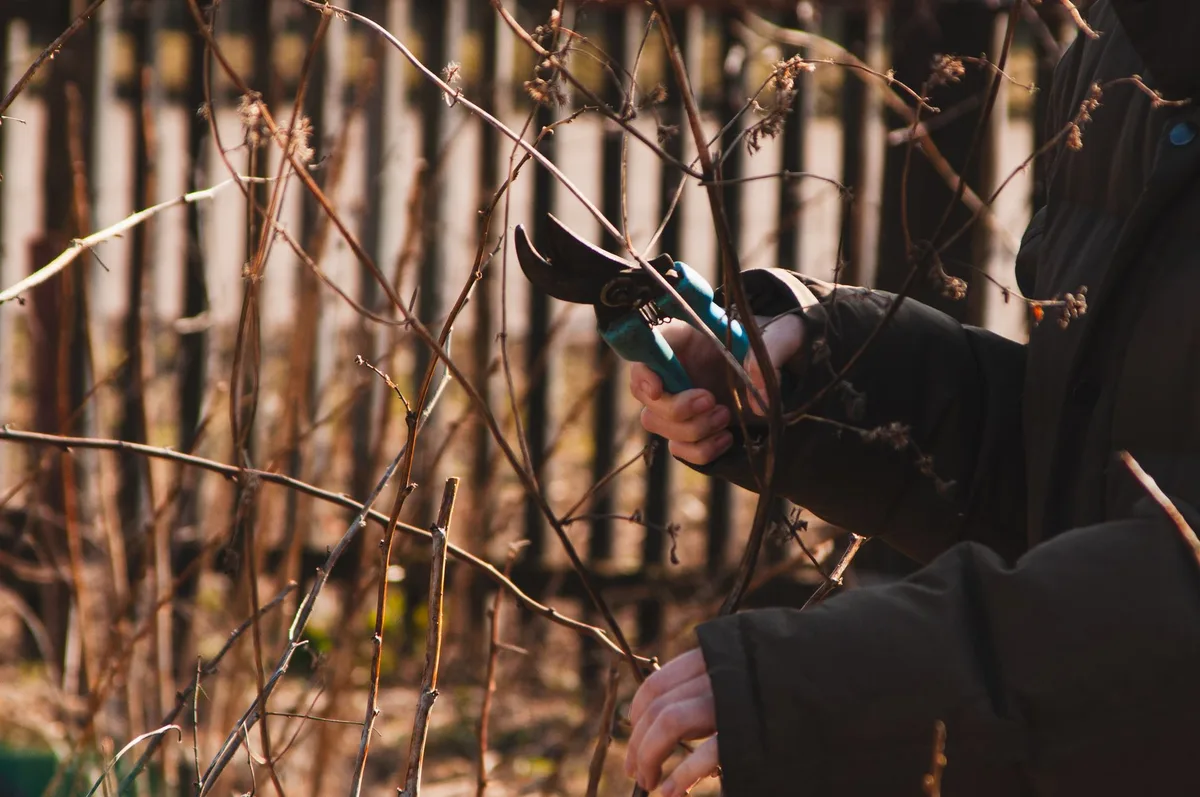
Pruning aggressive dieback can seem drastic, but these plants are remarkably vigorous growers. For gardeners concerned about overall plant health, understanding when and how to prune is as critical as watering. Proper pruning also helps manage plant size and shape, making maintenance easier.
Consider how pruning impacts other garden tasks, like how to use a leaf blower effectively after fall cleanup.
Watering Wisely: Finding the Right Balance
If your soil moisture check indicated your butterfly bush is thirsty, or if it experienced drought stress, a careful watering regimen is key to its recovery. Overwatering can be just as detrimental as not watering enough, so finding that middle ground is crucial. As of 2026, horticultural best practices consistently emphasize deep, infrequent watering over shallow, frequent applications for most landscape plants.
- Water Deeply: When you water, water thoroughly. This encourages roots to grow deeper into the soil, making the plant more drought-tolerant in the long run. Aim to soak the soil around the root ball.
- Check Soil First: Before watering again, always check the soil moisture. Stick your finger two inches down. If it feels dry, it's time to water. If it still feels moist, hold off.
- Avoid Frequent Sprinkling: Lightly wetting the surface of the soil only encourages shallow root growth and can lead to plants that are more susceptible to wilting during dry spells.
Mulching for Moisture and Temperature Control
Applying a layer of mulch around your butterfly bush is a simple yet highly effective way to help it recover and thrive. Mulch provides several benefits, primarily by conserving soil moisture and regulating soil temperature, which are vital for stressed plants.
- Moisture Retention: Organic mulches, such as wood chips, shredded bark, or compost, act like a blanket, reducing evaporation from the soil surface. This means the soil stays consistently moist for longer periods, reducing the need for frequent watering.
- Temperature Regulation: Mulch helps keep the soil cooler in the summer heat and warmer during cooler periods. This insulation protects the roots from extreme temperature fluctuations, which is especially important for a plant that is trying to recover from stress.
- Weed Suppression: Mulch also helps suppress weed growth, reducing competition for water and nutrients.
- Application: Spread a 2-3 inch layer of mulch around the base of the plant, extending out to the drip line (the edge of the canopy). Make sure to keep the mulch a couple of inches away from the main stem of the shrub to prevent rot and pest issues.
Dealing with Pests and Diseases Organically
If your diagnosis revealed pests or diseases are contributing to your butterfly bush's decline, addressing these issues is critical for its recovery. Opting for organic and least-toxic methods is generally best for plant health and beneficial insects, like the butterflies you hope to attract.
- Pest Identification: Carefully inspect the leaves and stems for any signs of insect activity. Aphids are common and appear as tiny, green or black, pear-shaped insects clustered on new growth. Scale insects look like small bumps on stems and leaves. Spider mites are tiny and hard to see, but their damage appears as stippling or fine webbing on leaves.
- Organic Treatments for Pests:
- Water Blast: For aphids, a strong spray of water from your hose can dislodge them effectively. Repeat as needed.
- Insecticidal Soap or Horticultural Oil: For more persistent pests like scale or mite infestations, these products are effective. They work by smothering the insects. Always follow product instructions carefully, as they can cause leaf burn if applied in hot, direct sun.
- Beneficial Insects: Encourage natural predators like ladybugs and lacewings by avoiding broad-spectrum pesticides.
- Disease Management:
- Prune Affected Parts: If you spot signs of fungal disease, such as powdery mildew or leaf spot, prune off the affected branches or leaves immediately.
- Improve Air Circulation: Ensure the plant has good air circulation by pruning it appropriately and not overcrowding it with other plants.
- Prevent Soil-borne Diseases: Ensure excellent drainage to prevent root rot and other soil-borne pathogens. If verticillium wilt is suspected, removal of the plant might be necessary as it is difficult to treat.
What If the Scratch Test Shows No Green?
Sometimes, despite your best efforts, the scratch test reveals nothing but dry, brown tissue all the way down to the base of the plant. This is the heartbreaking moment when you have to accept that your butterfly bush may not have survived the ordeal, whatever the cause. It’s a tough but necessary part of gardening.
When you can't find any signs of green or moist tissue beneath the bark, even after carefully checking multiple stems and at different heights, it strongly suggests that the entire plant has died. This can happen due to severe winter kill, prolonged drought that killed the root system, or a devastating disease like advanced root rot or verticillium wilt. In such cases, the plant is unlikely to regenerate new growth from the roots.
Recognizing True Deadwood
True deadwood on a butterfly bush is brittle, dry, and brown throughout. It snaps cleanly rather than bending. Unlike living wood, it won't show any green or even a hint of moisture when scratched.
If you perform the scratch test on every visible stem, from the tips all the way down to the soil line, and only encounter brown, dry material, the plant is almost certainly dead. It’s important not to confuse a dormant plant losing its bark for the winter with dead wood; the scratch test is the definitive differentiator.
When to Consider Replacement
If you've concluded that your butterfly bush has indeed died, it's time to consider replacement. Before planting a new shrub, take a moment to assess the conditions that might have led to the previous plant's demise.
- Review Environmental Factors: Was the winter particularly harsh for your region? Did you experience prolonged drought? Was the location prone to waterlogging? If the conditions were extreme, consider choosing a more cold-hardy or drought-tolerant variety of butterfly bush, or perhaps a different plant altogether that is better suited to your climate.
- Improve Soil Conditions: If poor drainage was a suspected issue, amend the planting hole with compost or other organic matter to improve soil structure and aeration. This is a crucial step for long-term success. Proper soil preparation is key for any new planting, much like ensuring the correct soil conditions when building your own grow room.
- Choose Wisely: Select a new butterfly bush that is healthy and vigorous from the nursery. Water it well during its first year and continue to monitor its needs, especially during droughts. If you're planting other shrubs or flowers, consider their water and light needs to ensure good companion planting. For instance, understanding what kind of fertilizer for grass to use or when to fertilize lawn can help you create a thriving garden ecosystem.
Replacing a plant is a common gardening experience. It’s an opportunity to learn from past challenges and make choices that will lead to a more successful and resilient garden.
Expert Tips for Butterfly Bush Survival and Rebloom
Once you've pruned away the dead wood and addressed any immediate watering or pest issues, nurturing your butterfly bush back to health requires a bit of expert guidance. Patience is key, as recovery can take time, but several practices can significantly boost its chances of flourishing and producing those beautiful blooms you love. Remembering these tips can also help you avoid similar setbacks in the future, ensuring your garden remains vibrant.
Patience is a Gardener's Virtue
The most crucial advice for a recovering butterfly bush is to be patient. Plants heal and regrow at their own pace, and trying to force rapid recovery can do more harm than good. If you’ve pruned out dead wood and the plant shows green, it means life is there.
- Allow Time: New growth may not appear for several weeks, especially if the weather is still cool. Avoid the temptation to dig it up or assume it’s dead if you don't see immediate results. The roots are the powerhouse, and they might be working diligently beneath the surface.
- Consistent Care: Continue with consistent, appropriate watering and ensure it receives adequate sunlight. These fundamentals are often all a stressed plant needs to rally.
Seasonal Care for a Resilient Bush
Proper seasonal care can prevent your butterfly bush from experiencing the extreme dieback that makes it look dead. Understanding its needs throughout the year helps maintain its long-term health and vigor. This proactive approach is far more effective than reactive troubleshooting after a problem arises.
If your garden maintenance includes lawn care, you'll want to ensure your fertilization schedule aligns with plant needs, as seen in guides on what fertilizer to use in spring at your garden.
- Spring: This is an ideal time for pruning back any remaining dead stems from winter. It's also the best period to apply a balanced fertilizer or a top-dressing of compost, especially if the soil is nutrient-poor. As new growth emerges, monitor for early signs of pests.
- Summer: Ensure consistent watering, particularly during hot, dry spells. Deadheading spent flowers can encourage more blooms and prevent the plant from putting energy into seed production.
- Fall: As temperatures drop, reduce watering. Allow the plant to naturally go dormant. Avoid heavy pruning in late fall, as this can stimulate new growth that is vulnerable to frost damage.
Butterfly Bush Care: Preventing Future Problems
Preventing your butterfly bush from appearing dead in the first place is always the best-case scenario. A well-maintained butterfly bush is not only beautiful but also more resilient to pests, diseases, and environmental stress. By understanding its basic needs and providing consistent care, you can ensure years of reliable blooming and support for your local pollinators.
This proactive approach aligns with the broader principles of garden care, much like proper lawn maintenance.
Choosing the Right Spot for Your Bush
Location is paramount for any plant's success, and butterfly bushes are no exception. Giving them the right environment from the start significantly reduces the risk of future problems.
- Sunlight: Butterfly bushes thrive in full sun, meaning they need at least six to eight hours of direct sunlight per day. Insufficient light can lead to weak growth, fewer blooms, and increased susceptibility to diseases.
- Soil Drainage: As we’ve discussed, these shrubs absolutely require well-draining soil. They will not tolerate soggy conditions or heavy clay that retains water. If your garden has heavy clay, consider amending the planting area with compost or planting the butterfly bush in raised beds to ensure good drainage. This is critical for preventing root rot.
- Spacing: Give your butterfly bush adequate space to grow. They can become quite large, and overcrowding can lead to poor air circulation, which encourages fungal diseases. Check the mature size of the variety you choose.
Long-Term Health and Maintenance
Ongoing care solidifies your butterfly bush’s health and beauty. Consistent practices ensure it has the best chance to thrive year after year, minimizing the risk of it looking dead. Regular maintenance also allows you to catch potential issues early.
- Annual Pruning: Beyond simply removing deadwood, regular pruning can shape the plant and encourage more prolific flowering. A hard prune in early spring is often recommended for maximum bloom production.
- Fertilization (if needed): While established butterfly bushes are often quite forgiving, a boost of compost in the spring can provide essential nutrients. If your soil is very poor, a balanced, slow-release fertilizer can be beneficial, but avoid over-fertilizing, as this can lead to excessive foliage growth at the expense of blooms.
- Monitoring: Regularly inspect your plant for any signs of pests or diseases. Catching problems early makes them much easier to manage. This vigilance extends to other garden tasks; for example, understanding how to use a leaf blower can help clear away debris that might harbor pests or diseases.