
You've probably seen those stunning photos on social media, a lush Pothos with roots trailing through a glass jar of water. It looks so simple. And it makes you wonder: can plants grow in water only?
The short answer is yes, but with a timeline attached. Research from university horticulture programs shows that plain tap water sustains most houseplants for about 3 to 6 weeks before nutrient stores run dry. After that, growth stalls and leaves start yellowing.
Let's break down what really happens, step by step, so you know exactly what to expect as of 2026.
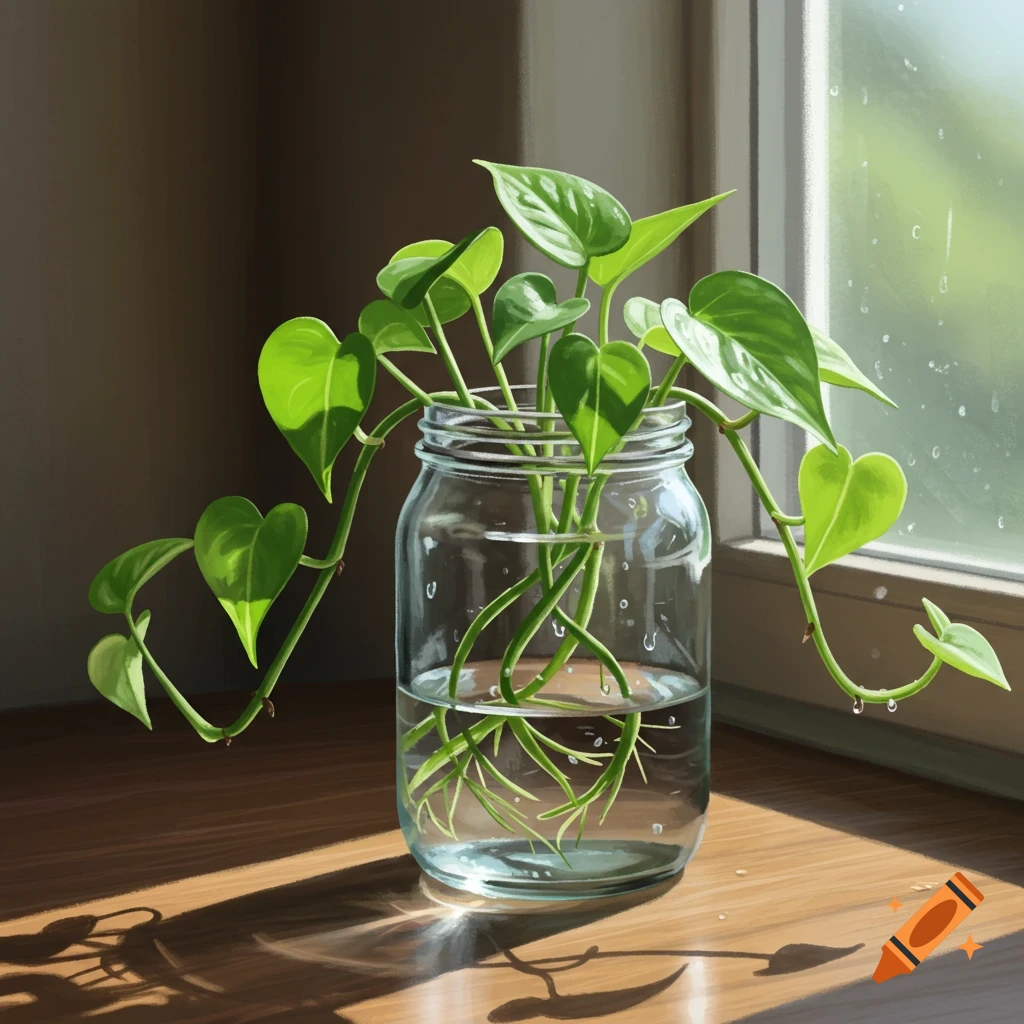
Image source: Bing (Web (fair-use with source credit))
Quick Answer
Yes, plants can grow in water only. But there are conditions. Many houseplants root and survive in plain water for weeks.
Long-term growth requires added nutrients. The plant species and your goals decide the outcome.
The Short Answer — It Depends on What "Water Only" Really Means
Here's where most people get confused. When someone says "growing in water," they might mean three different things. And each one has a different answer.
Water propagation. This is temporary. You take a cutting, stick it in water, and wait for roots to grow. The cutting lives off its own stored energy.
Plain water works fine for 4 to 8 weeks. Once roots appear, you either move it to soil or start feeding it.
Vase plant. This is a plant that lives in water permanently. You see it in restaurants and offices. The plant stays in a vase or jar, sometimes for years.
But here's the catch. Those plants are getting fed. Someone adds liquid fertilizer to the water, or the plant gets replaced every few months.
Hydroponics. This is a controlled system where plants grow in a nutrient solution. The water is oxygenated, pH-balanced, and packed with everything the plant needs. It's not "water only." It's water plus science.
So when you ask "Can plants grow in water only?" the real question is clearer: can a plant live in plain tap water, with nothing added, for months or years? The answer is no. Not for most species.
Plain water lacks nitrogen, phosphorus, potassium, and all the micronutrients roots need to keep growing.
The Two Big Variables That Decide Your Answer
Two factors determine whether your plant will thrive or die in water. Get these right, and you're set. Get them wrong, and you'll be staring at yellow leaves and slimy roots within weeks.
Are You Rooting a Cutting or Keeping a Plant Alive Long-Term?
This is the biggest variable. A cutting is like a battery. It has stored energy from the parent plant.
That energy fuels root growth for a few weeks. During this window, plain water is fine. The cutting doesn't need food yet.
But once roots form, the battery runs out. The plant needs nutrients. If you keep it in plain water, it will survive for a while.
It might even look okay for a month. But eventually, it starves.
If your goal is to keep a plant in water for more than 6 weeks, you're no longer doing water propagation. You're doing passive hydroponics. And that requires fertilizer.
What Kind of Plant Are We Talking About?
Not all plants can handle water. Some evolved to grow in swamps and riverbanks. Their roots are built for wet, low-oxygen conditions.
Others come from dry, well-draining soil. Their roots rot if they sit in water for more than a few days.
Plants that thrive in water long-term share a few traits. They have thick, fleshy stems that can store oxygen. They produce "water roots" that are different from soil roots.
These water roots are thinner, more translucent, and adapted to absorb nutrients from liquid.
Plants that flop in water usually have fine, hairy roots that suffocate quickly. They also tend to be sensitive to bacteria and fungi that grow in stagnant water.
Decision Tree: Where Do You Fit?
Let's make this practical. Use this decision tree to figure out what you should do with your plant.
Branch 1: You Just Want to Root a Cutting
If you only want to grow roots before moving the plant to soil, plain water is perfect. Here's what to do.
- Take a cutting with at least one node (the bump where leaves grow).
- Remove the lower leaves so they don't sit in water.
- Place it in a clean jar with room-temperature tap water.
- Change the water every 5 to 7 days.
- Wait for roots to reach 1 to 2 inches long.
- Move to soil or start feeding.
Plain water works great here. No fertilizer needed. You're just buying time while the cutting does its thing.
Branch 2: You Want to Keep a Plant in Water Long-Term
If you want a plant that lives in water for months or years, you need to add nutrients. This is not optional. Here's what you need.
- A plant that adapts to water (see the next section).
- A container that's opaque or dark glass to prevent algae.
- A liquid hydroponic fertilizer or a general-purpose houseplant fertilizer diluted to 1/4 strength.
- A water change schedule every 1 to 2 weeks.
Without fertilizer, the plant will survive for a few weeks. Then it will start showing nutrient deficiency. Yellow leaves, stunted growth, and pale stems are the first signs.
Branch 3: You're Moving a Soil Plant Into Water
This is the trickiest situation. A plant that grew in soil has soil roots. Those roots are thick, hairy, and designed to anchor in a solid medium.
They don't transition well to water.
If you want to move a soil plant to water, you need to wash the roots thoroughly. Remove all soil. Then place the plant in water.
The soil roots will die back, and new water roots will grow. This process takes 2 to 4 weeks. During this time, the plant will look stressed.
Some leaves may yellow and drop.
| Branch | Goal | Water Type | Nutrients Needed | Success Rate |
|---|---|---|---|---|
| Rooting a cutting | Temporary roots | Tap water | No | High |
| Long-term vase plant | Permanent water life | Tap or filtered | Yes | Moderate |
| Moving soil to water | Transition | Filtered water | Yes, after roots adapt | Low to moderate |
The 4-Week Rule: Why Plain Water Runs Out of Steam
Here's the timeline that most people don't know about. It explains why your water-grown plant looks great for a month, then suddenly falls apart.
Week 1 to 2. The cutting or plant is living off stored energy. It might grow new roots. The water looks clear.
Everything seems fine.
Week 3 to 4. The stored nutrients run low. The plant starts scavenging from its lower leaves. You might see a slight yellowing on the oldest leaves.
This is normal.
Week 5 to 6. Nutrient deficiency hits hard. Leaves turn pale yellow. New growth stops.
The plant looks weak and stretched. If you haven't added fertilizer by now, the plant will slowly decline.
Week 7 and beyond. Without intervention, the plant enters survival mode. It stops growing. It may drop leaves.
Eventually, it dies from starvation.
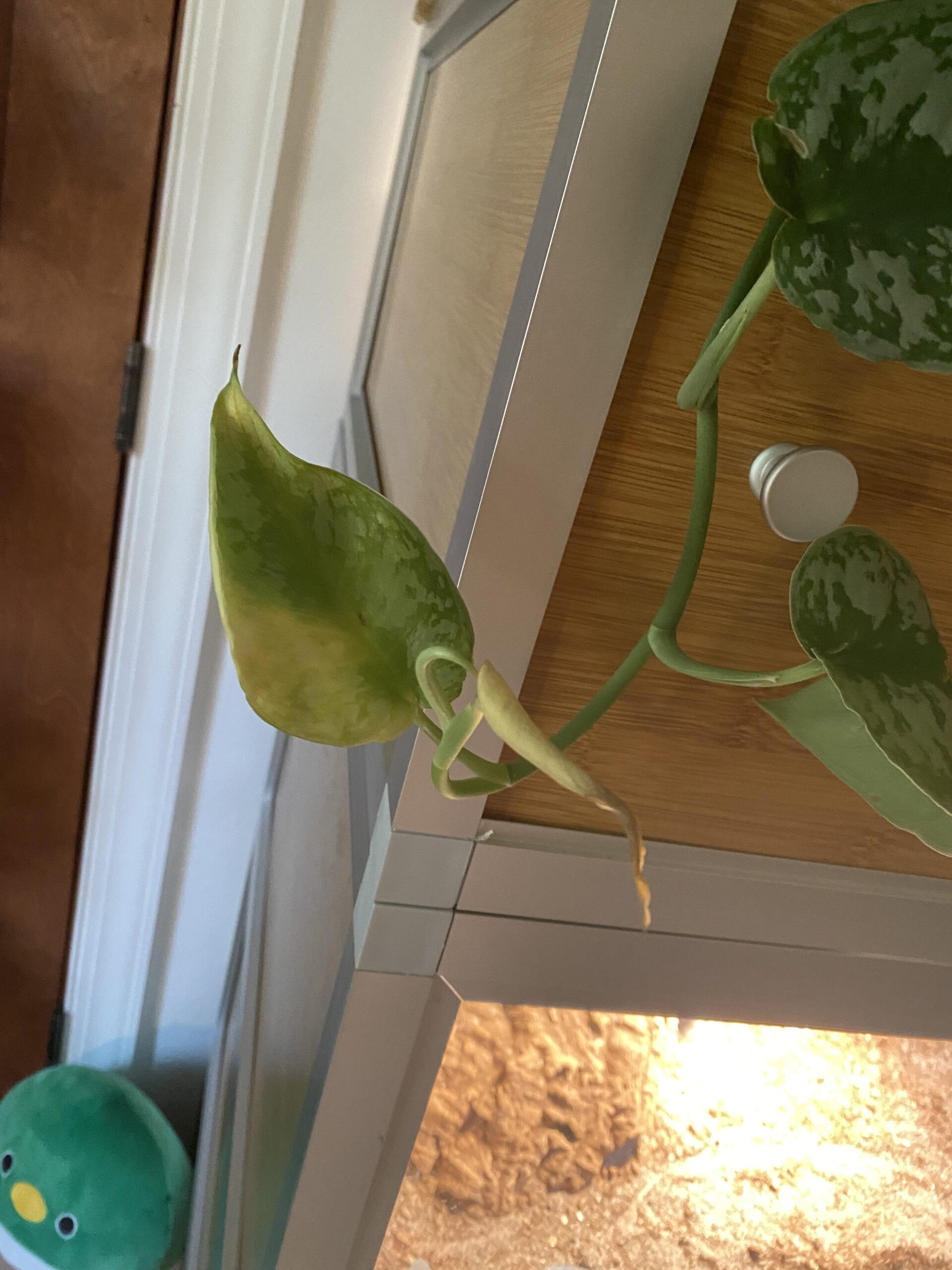
This yellowing you see in the image above is classic nitrogen deficiency. The plant has used up its reserves. It's now pulling nutrients from the oldest leaves to feed new growth.
In a properly fed plant, those leaves stay green and healthy.
What happens if you just change the water? Tap water contains very few nutrients. Some municipal water supplies have trace amounts of calcium, magnesium, and potassium.
But not enough to sustain a plant. A water change only refreshes the oxygen. It doesn't add food.
The only way to keep a plant healthy in water long-term is to add a complete liquid fertilizer. Look for one labeled for hydroponic use or a general-purpose formula diluted to one-quarter strength. Apply it every time you change the water.
Best Plants for Long-Term Water Growing (and the Ones That Flop)
Not all plants are built for water. Some adapt beautifully. Others rot within days.
Here are the winners and the ones to avoid.
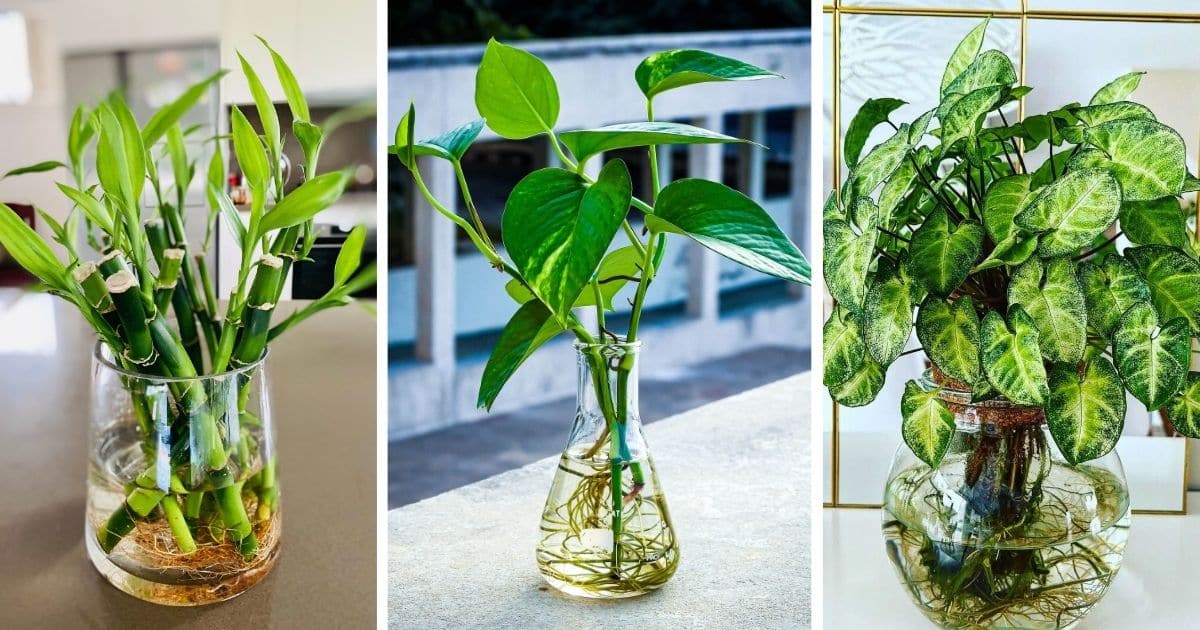
Plants That Thrive in Water
These species produce water roots quickly and tolerate low-oxygen conditions. They can live in water for months or years with proper feeding.
- Pothos (Epipremnum aureum). The champ of water growing. It roots in days and grows indefinitely in water. Just add fertilizer.
- Philodendron (heartleaf or Brasil). Similar to Pothos. Easy, fast, and forgiving.
- Lucky Bamboo (Dracaena sanderiana). Actually not bamboo. It naturally grows in water in its native habitat. Keep the nodes above the water line.
- Spider Plant (Chlorophytum comosum). Produces plantlets that root easily in water. The parent plant can also transition.
- Peace Lily (Spathiphyllum). Can grow in water, but needs regular fertilizer. Roots may get slimy without weekly water changes.
- Chinese Evergreen (Aglaonema). Slow grower, but adapts well. Keep it in indirect light.
- Coleus. Roots in water within days. Great for short-term displays.
- Begonia (wax or rex). Roots easily. Can stay in water for months with feeding.
Plants That Fail in Water
These species rot quickly or refuse to produce water roots. Avoid them for water-only setups.
- Succulents and cacti. Their roots need dry periods. Constant moisture causes rot.
- Most woody plants (roses, lavender, herbs like rosemary). They need soil for structure and drainage.
- Orchids. Their roots need air circulation. Water suffocates them.
- Ferns. They need high humidity and well-draining soil. Water roots don't form.
- Snake Plant (Sansevieria). Can survive in water for a while, but prone to rot. Not recommended.
- ZZ Plant (Zamioculcas zamiifolia). Roots rot easily. The rhizomes store water, so they don't need more.
If you're not sure about a plant, try a cutting first. Put it in water and see what happens. If roots appear within 2 weeks, you're in good shape.
If the stem gets mushy, that plant isn't for water.
For a more controlled growing environment, you might want to look into basic indoor gardening setups. Setting up a proper space makes a real difference when you're trying to keep plants healthy long-term.