
So, you've just enjoyed a beautiful display of daffodils, and now you're wondering, "Can You Cut Daffodils Back After Flowering?" It's a common question for gardeners, especially when the wilting leaves start to look a bit untidy. The short answer is yes, you can, but when you do it makes a huge difference to those bulbs' health and future blooms.
Leaving the foliage to do its thing for a bit longer might seem counterintuitive when you want a neat garden. However, those dying leaves are actually busy working overtime. They're sending vital energy back down into the daffodil bulb, storing up food for next spring's spectacular show.
Think of it like a plant's way of packing a lunch for a long sleep.
Quick Answer
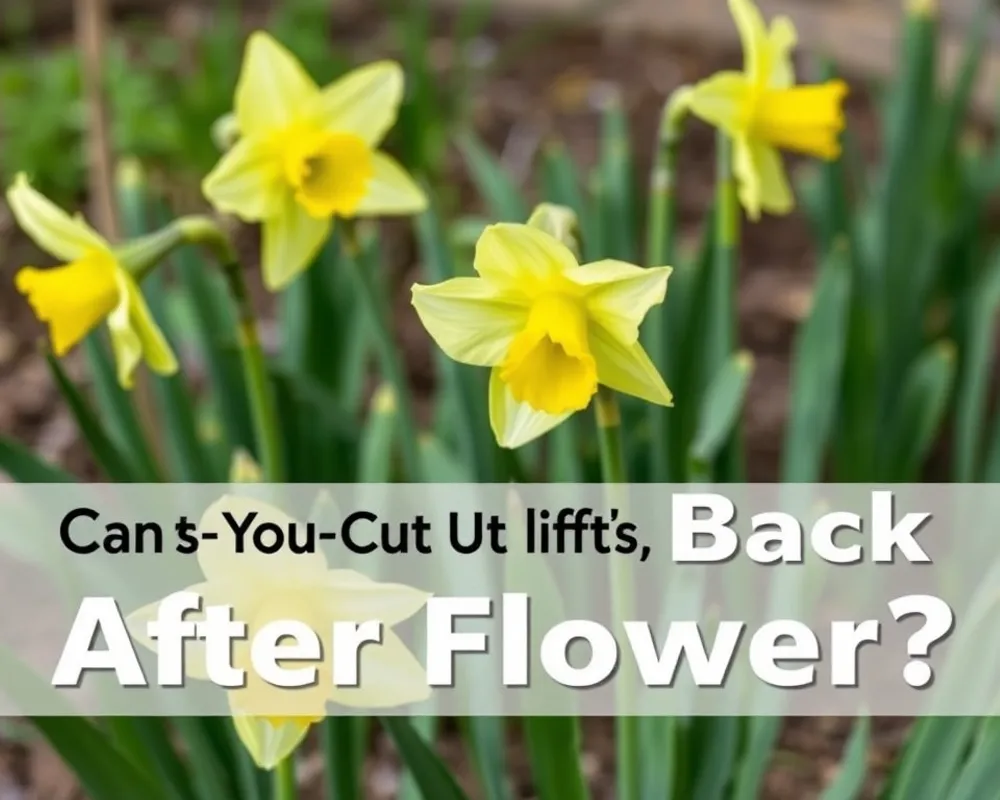
Can You Cut Daffodils Back After Flowering? Not immediately. You should wait until the daffodil leaves have turned yellow and brittle. Cutting green leaves deprives the bulb of energy.
This energy is crucial for storing nutrients for next year's blooms. Leaving the foliage until it dies back naturally ensures bulb health.
The Real Reason Your Daffodils Need Their Leaves
Those spent daffodil stalks and their leaves aren't just scenery; they're performing a vital post-flowering job. Through photosynthesis, the leaves capture sunlight and convert it into sugars. This process is essentially how the daffodil bulb replenishes its energy reserves after using them to produce those gorgeous spring flowers.
If you cut the leaves back while they're still green, you're interrupting this crucial energy transfer. The bulb doesn't get the full meal it needs to survive the summer dormancy and prepare for next year's growth cycle. Over time, this can lead to weaker plants and fewer flowers.
When Can You Actually Cut Daffodil Stalks?
The golden rule is to wait until the foliage has naturally started to yellow and soften. You'll see the green fading, and the leaves will begin to droop and turn brown. This process usually takes about six to eight weeks after the daffodils finish blooming, depending on your climate and specific daffodil variety.
Once the leaves are no longer green and are easily pulling away from the bulb with a gentle tug, they've done their job. At this point, you can snip the stalks at the base or pull the entire foliage clump away without harming the bulb's ability to store energy.
Your Goal: Seed Production? Here's What to Do
If you're interested in letting your daffodils go to seed, then it's a different story. Allowing seed heads to mature means you definitely shouldn't cut back the foliage until it has withered and browned completely. These seed pods need the leaves to remain healthy and photosynthesize for a much longer period.
The seed heads themselves will swell and eventually turn brown. Once the pods start to dry and split, showing the seeds inside, you can then pull or cut the foliage. This ensures the seeds have had the best chance to develop, and the bulb has also received enough energy for future flowering.
Your Goal: Stronger Blooms Next Year?
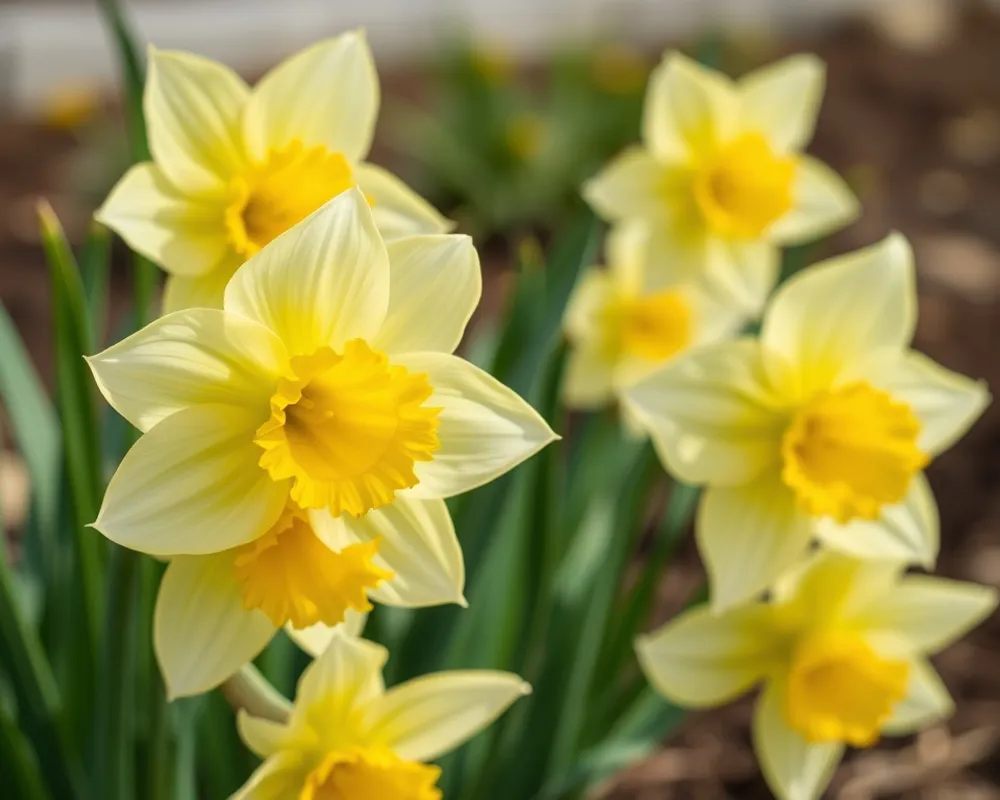
Most gardeners simply want their daffodils to return and flourish year after year. For this aim, the strategy is straightforward: let the foliage dictate the timing. As soon as the daffodil flowers fade, resist the urge to tidy up.
Instead, let the leaves continue to photosynthesize and feed the bulb.
This natural dying-back process is precisely what builds the bulb's strength. A well-fed bulb in summer translates directly into more robust flowers, a better display, and a healthier plant for the following spring season. It's a simple, effective way to ensure consistent floral beauty from your bulbs.
Simple Steps: Leaving Daffodil Foliage to Die Back Naturally
The easiest path to healthy daffodils that return year after year is to simply let nature take its course with the foliage. This means no intervention from you until the leaves have completed their work. It’s a hands-off approach that rewards patience.
You'll know it's time when the leaves have turned completely yellow or brown and become papery and dry to the touch. They'll likely be lying almost flat on the ground or detaching with the slightest pull. This entire process, from flower fading to complete die-back, can take anywhere from six to eight weeks.
Step 1: Observe Your Daffodils Post-Bloom
After the last daffodil flower has faded, take a moment to observe the foliage. Don't reach for the garden shears just yet, even if it looks a bit messy. This is the critical energy-gathering period for your bulbs.
You're looking for the leaves to slowly transition from vibrant green to a duller, yellowish hue.
What you might see is leaf senescence, which is the natural aging process of plant leaves. This usually starts from the tip of the leaf and moves downwards. It’s a visual cue that the plant is beginning to withdraw nutrients from the leaves back into the bulb.
Step 2: Decide Based on Your Gardening Goals
Your primary gardening objective will guide whether you leave the foliage or intervene. If your main goal is to have a beautiful daffodil display next spring, then leaving the leaves until they're completely spent is paramount. This maximizes the energy stored in the bulb.
However, if aesthetics are your priority and you can't stand the sight of dying foliage in your garden beds, you have options. You can carefully tie the leaves into a braid or knot, sometimes called "foliage bundling." This keeps them contained while still allowing them to photosynthesize. Just be sure not to tie them so tightly that you restrict sap flow.
Step 3: Know When Foliage is "Dead" Enough to Cut
The key indicator that daffodil foliage is ready for cutting is its condition. It should be significantly yellow or brown, not just a few faded spots. The leaves will also feel limp and papery, and a gentle tug should easily detach them from the base of the plant.
If you pull the foliage and feel resistance, or if a significant amount of green is still present, it's too early. Rushing this process can weaken the bulb for the following season, leading to fewer or smaller blooms. Patience is truly a gardener's virtue here.
Deadheading Daffodils: A Different Approach
Deadheading refers to the practice of removing just the spent flower head after the bloom has faded, but before any seeds can form. This is distinct from cutting back the entire stalk and foliage. For daffodils, deadheading is less critical for the bulb's long-term health compared to leaving the leaves.
However, deadheading can be beneficial if you want to prevent the plant from putting energy into seed production. This energy can then be directed more fully into bulb development. It also tidies up the appearance of the plant more quickly than waiting for the entire stalk to yellow.
This is a good compromise if your main concern is garden appearance right after flowering.
What Happens If You Cut Daffodil Leaves Too Soon?
Cutting daffodil leaves back while they are still green is one of the most common mistakes gardeners make. It directly impacts the bulb's ability to store enough energy for the following year. The daffodil bulb uses the sugars produced by photosynthesis in the leaves to build up its reserves.
When these leaves are removed prematurely, the bulb doesn't have enough stored energy. This can result in fewer flowers, smaller blooms, or even the bulb failing to flower altogether in the next season. It weakens the plant, making it more susceptible to diseases and pests as well.
Busting Daffodil Cutting Myths
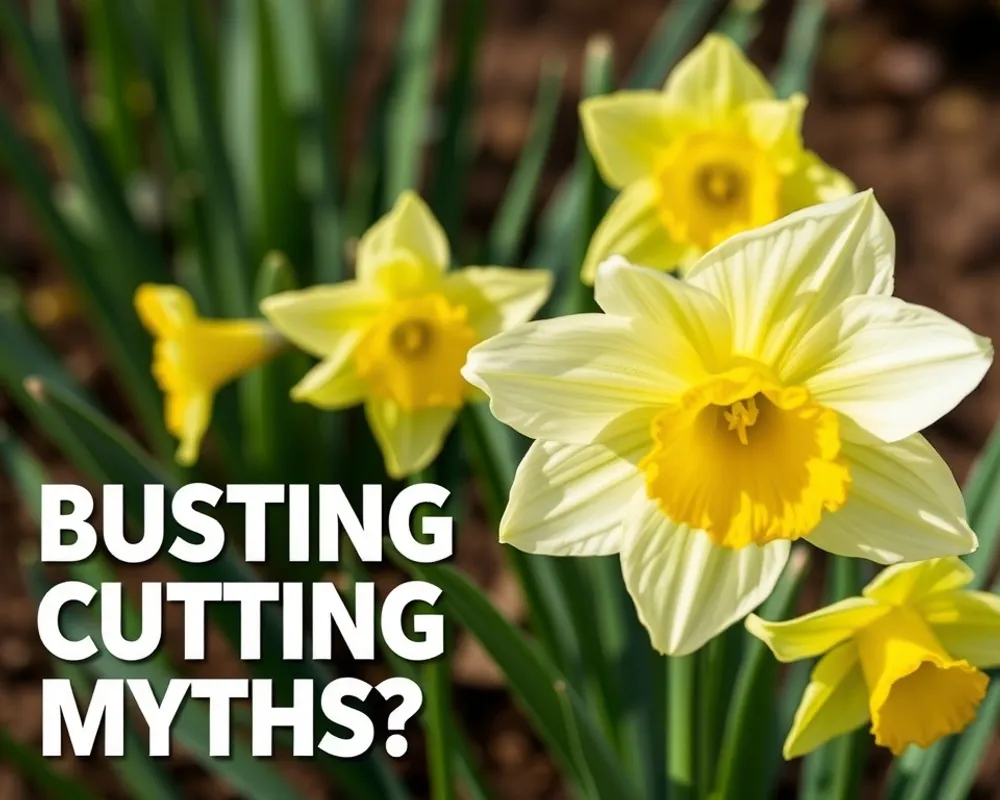
There's a persistent myth that you must cut daffodil foliage immediately after flowering to prevent disease or to make the garden tidy. While immediate cutting might satisfy an urge for order, it directly contradicts the plant's biological needs. The yellowing process is natural and part of the plant's life cycle.
Another misconception is that leaving the foliage is messy and unattractive. In informal settings, like naturalized beds or lawns, this "untidiness" is actually part of the charm. For formal gardens, techniques like foliage bundling can keep things neater while the leaves still perform their vital function.
Expert Insights for Healthier Daffodil Returns
Horticulturists and bulb experts consistently emphasize the importance of letting daffodil leaves mature. For instance, research published in journals like HortScience often details the carbohydrate reserves within bulbs and how these are replenished post-flowering. A strong bulb established in summer will produce more impressive flowers in spring.
To promote the best return, consider your soil conditions. Daffodils thrive in well-drained soil. If your soil tends to stay waterlogged, that can be a bigger issue for bulb health than foliage cutting timing.
Ensuring good drainage, as recommended by university extension offices like Cornell University's Horticulture Department, is key.
Bringing It All Together: Your Daffodil Cutting Checklist
Here's a quick rundown to help you make the right decision for your daffodils:
- Goal: Best Bloom Next Year? Leave leaves until yellow/brown and brittle. Cut at the base then.
- Goal: Seed for New Varieties? Leave leaves until foliage is completely dead and dry. Seeds need time to mature.
- Goal: Tidy Garden Immediately? Deadhead spent flowers. For foliage, tie into bundles or braids until yellowing.
- When in Doubt? Always err on the side of leaving the foliage longer.
By understanding the science behind daffodil growth, you can ensure these cheerful spring bulbs return to your garden year after year, providing stunning color with minimal fuss.
Frequently Asked Questions
When should I cut back my daffodils after they bloom?
You should wait until the daffodil's leaves have turned completely yellow or brown and become dry and brittle. This process allows the bulb to store energy for the following year's bloom. Cutting green leaves prematurely deprives the bulb of essential nutrients.