When dedicated gardeners lovingly tend their vegetable patches, the last thing they want are hungry pests munching away the hard-earned harvest. That's why many turn to products like Liquid Fence, known for deterring deer and rabbits from ornamental plants. But a crucial question arises for those growing their own food: can you spray Liquid Fence on vegetables?
The answer involves understanding not just pest deterrence, but also food safety and the specific formulation of repellents. Aggregate user feedback and manufacturer data consistently highlight the importance of checking labels for any product intended for use around edibles, and Liquid Fence is no exception. For as of 2026, the Environmental Protection Agency (EPA) regulates pesticides, and understanding their guidelines is key to protecting both your plants and your health.
What is Liquid Fence and How Does It Work?
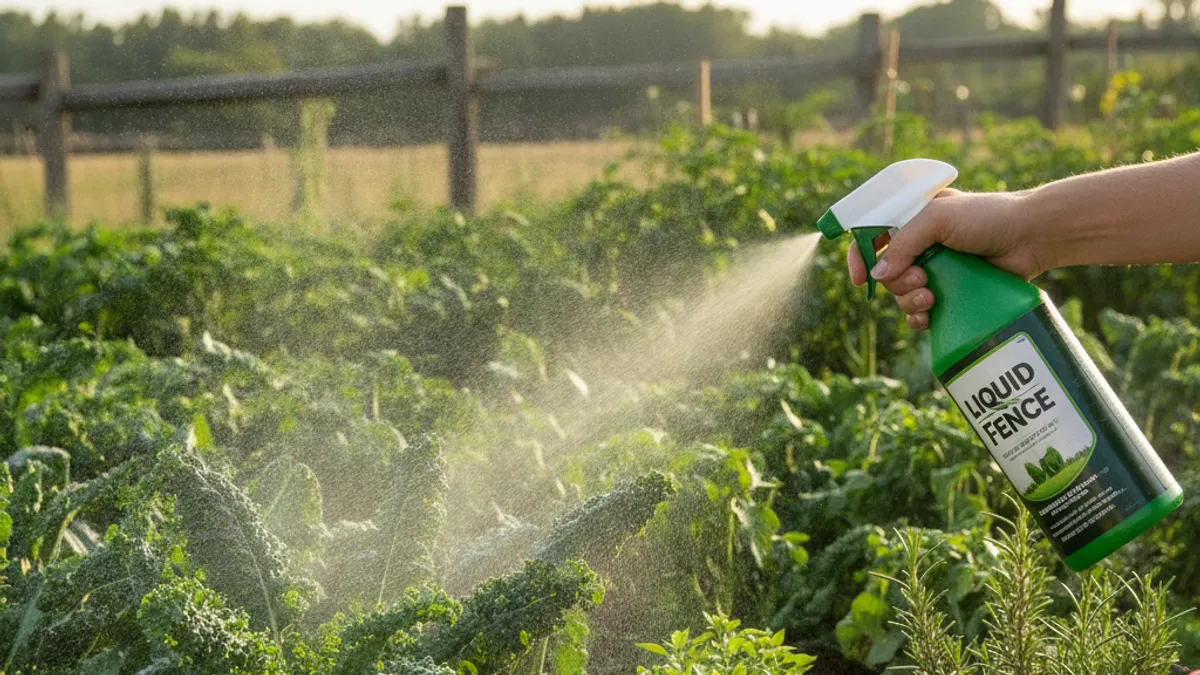
Liquid Fence is a brand of animal repellent designed to deter common garden pests like deer, rabbits, and groundhogs from feeding on plants. It typically works by creating an odor or taste barrier that animals find unpleasant. This encourages them to seek food sources elsewhere, thereby protecting your garden.
Key Ingredients in Liquid Fence
The primary active ingredients in Liquid Fence formulations often include a blend of putrescent egg solids, sodium lauryl sulfate, garlic oil, and clove oil. These components are chosen for their strong odors and tastes that are highly offensive to many mammals, including deer and rabbits. The specific combination aims to create a multi-sensory deterrent.
Mechanisms of Pest Deterrence
These ingredients work by creating an offensive smell and taste that animals associate with danger or an unpalatable food source. Putrescent egg solids, for example, release a foul odor when they decompose, which mammals instinctively avoid. Garlic and clove oils contribute a pungent aroma that deters grazing animals from even approaching the treated plants.
The Big Question: Is Liquid Fence Safe for My Edibles?
This is where things get a bit delicate. While Liquid Fence is effective at deterring pests from ornamental plants, its suitability for direct application on vegetables intended for human consumption is not straightforward. The crucial factor hinges on whether the product's active ingredients and potential residues pose a risk when consumed as part of your food.
Understanding the Risks of Chemical Residues on Vegetables
The primary concern when using any repellent on edible plants is the potential for chemical residue to remain on the produce. Even if the repellent deters pests, ingesting these substances can have unintended consequences for human health. These residues can build up on the surface or even within the plant tissues.
Why Edible Plant Safety Matters
When we grow vegetables, the goal is to produce safe, nutritious food for ourselves and our families. Introducing chemical agents, even those designed to deter animals, requires careful consideration of their impact on human dietary safety. It's about ensuring the food you harvest is as safe as it is beneficial.
Potential Health Concerns
The ingredients in some repellents, while generally considered safe for animals if not ingested in large quantities, may not be approved for direct human consumption. For instance, while putrescent egg solids might deter deer, consuming them could be unpleasant or potentially pose an unknown risk in concentrated amounts. It's essential to consider the toxicological profile of each ingredient relative to human dietary intake.
When "Deer and Rabbit Repellent" Meets Your Dinner Plate
Many commercial animal repellents, including early formulations of Liquid Fence, were primarily marketed for use on ornamental plants, shrubs, and trees, things animals might destroy but humans don't typically eat. This distinction is vital. The product label will usually specify if it is safe for use on edible crops.
If Liquid Fence's labeling explicitly states it is NOT cleared by the Environmental Protection Agency (EPA) for use on food crops, or advises against application to edible parts of plants, then it should not be used on your vegetables. The EPA's approval process for pesticides and repellents on edibles involves rigorous testing to establish safe residue limits.
Alternatives to Liquid Fence for Vegetable Gardens
Given the potential concerns, many gardeners opt for alternative methods that offer reliable pest protection without the risk of chemical residues on their produce. Exploring these options can provide peace of mind and ensure your garden yields both safe and abundant harvests.
Physical Barriers: Fencing, Netting, and Covers
One of the most consistently effective methods is creating physical barriers. This can range from sturdy fencing to keep larger animals like deer out, to fine netting or row covers that protect individual plants or entire beds from smaller pests like rabbits, cabbage moths, or flea beetles. Properly installed fencing acts as a permanent deterrent that requires no reapplication and poses zero risk to your food. These methods are often the go-to for organic gardeners or anyone prioritizing zero chemical input on their edibles.
Other Repellent Options: Natural and Organic Choices
For those who prefer a spray or granular application, several alternatives to traditional chemical repellents exist. Many commercially available organic repellents are specifically formulated and EPA-approved for use on food crops. These often rely on natural ingredients like capsaicin (from hot peppers), essential oils (like rosemary or peppermint), or predator urine. Always double-check the product label to ensure it's cleared for use on vegetables and follow application instructions diligently.
You can also explore natural deterrents like scattering human hair or soap shavings around plants, though their effectiveness can vary.
Applying Liquid Fence Safely (If You Choose To)
If, after reviewing all the information and considering the risks, you decide to use Liquid Fence on plants you intend to eat, proceed with extreme caution. The most critical step is to meticulously examine the product on the exterior of the container. This label is your primary guide from the manufacturer and is essential for determining safe usage.
Checking the Product Label is Non-Negotiable
The product label is a legal document outlining how the substance can be used safely and effectively. For Liquid Fence, this means looking for explicit statements regarding application on vegetables or food crops. If the label does not clearly state it is approved for edibles, or strongly advises against it, do not apply it to anything you plan to harvest and eat. For example, many repellent manufacturers state that their products are for ornamental plants only, meaning they haven't undergone the rigorous EPA review for food safety.
Application Zones: What's Safe, What's Not
If the label permits application on edible plants, focus applications on non-edible parts. This could include the base of the plant, surrounding soil perimeter, or sturdy stems that won't be consumed. Avoid spraying directly onto leaves, fruits, or vegetables that will be harvested. Even indirect contact can potentially lead to residue accumulation.
Reapplication and Weather Considerations
Liquid Fence, like most repellents, is not permanent and can be washed away by rain or irrigation. Following the label's instructions for reapplication frequency is key for consistent deterrence. However, each reapplication increases the potential for residue buildup. Always allow adequate drying time after spraying before expecting it to withstand weather, and factor this into your harvesting schedule.
Safeguarding Your Harvest: Best Practices for Edible Gardens
Protecting your vegetable garden from pests doesn't have to be a high-risk endeavor. By adopting a proactive, multi-layered approach, you can minimize damage from animals while ensuring the food you grow remains safe and wholesome. This means thinking beyond just sprays and considering the entire garden ecosystem.
Strategic Planting and Pest Management
Consider companion planting strategies where certain plants naturally deter pests from others. For example, marigolds are often planted with vegetables to deter nematodes, and strong-smelling herbs like rosemary or mint can confuse or deter certain insects and animals. Integrating physical barriers is also a highly effective strategy; using a garden fence can effectively keep larger browsing animals like deer away from your entire patch entirely. Careful site selection, ensuring good airflow and avoiding overly damp conditions that attract slugs and snails, also plays a role in integrated pest management.
Post-Application Harvesting Guidelines
If you have used a repellent that is approved for edibles, still exercise caution when harvesting. Always wash vegetables thoroughly under running water. For any plant where direct spraying occurred, consider allowing extra time between application and harvest, or consider those parts unsafe for consumption. When in doubt, err on the side of caution and discard any produce where you are uncertain about potential residues.
Common Mistakes Gardeners Make with Repellents on Edibles
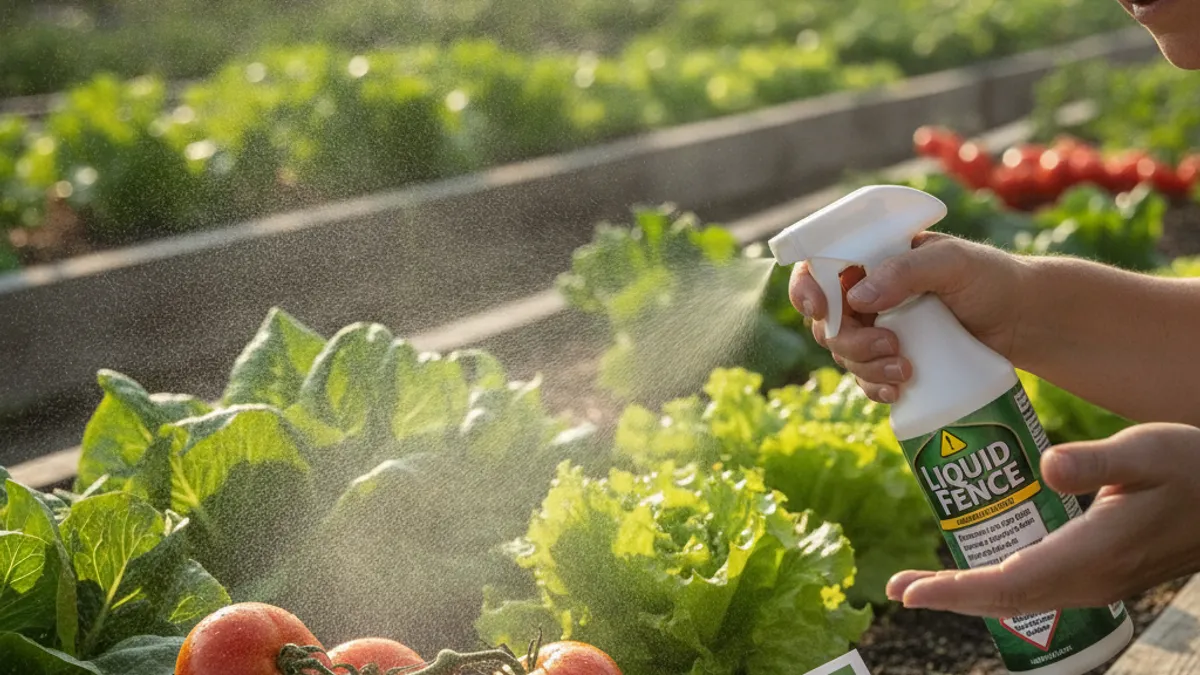
When it comes to protecting vegetable gardens, several common missteps can inadvertently put your harvest and your health at risk. One of the biggest errors is assuming that because a product repels animals, it's automatically safe for everything in your garden. This line of thinking overlooks the critical difference between ornamental and edible plants.
Another frequent mistake is not reading the product label carefully. Many gardeners quickly skim the instructions, missing vital details about application frequency, target areas, or crucial warnings against use on food crops. This can lead to direct spraying of fruits or leaves, creating an unacceptable risk.
Over-reliance on a single method is also problematic. Depending solely on a spray repellent without employing physical barriers or other deterrents can lead to disappointment when pests eventually find a way through. This often prompts more frequent or heavier application of the repellent, compounding the residue risk.
What Are the Best Alternatives to Liquid Fence for Vegetables?
For gardeners prioritizing safety and organic practices, several effective alternatives exist that don't carry the same residue concerns on edibles. These options often require a bit more planning or effort but offer peace of mind that your vegetables are safe to eat.
Physical Barriers: Fencing, Netting, and Covers
This remains the gold standard for many gardeners. Sturdy fencing, at least 8 feet high, is effective against deer. For smaller pests like rabbits or groundhogs, chicken wire or hardware cloth buried slightly underground offers protection. Row covers, lightweight fabrics draped over hoops, can shield young seedlings from insect pests and light frost.
These barriers require no chemicals and provide reliable protection season after season.
Other Repellent Options: Natural and Organic Choices
Look for repellents specifically labeled as safe for edible gardens. Many products use natural ingredients like predator urine (e.g., coyote urine), capsaicin (from hot peppers), garlic, or essential oils. These are often regulated by the EPA for use on food crops. Another option is using soap-based sprays of potassium salts of fatty acids to control soft-bodied insects.
Always verify the EPA registration number on the label, as this indicates it has undergone safety review for food-producing plants.
Companion Planting Strategies
Integrating certain plants with your vegetables can help deter pests naturally. For instance, planting dill and fennel can attract beneficial predatory insects, while strongly scented herbs like basil or mint can mask the smell of your vegetables, confusing pests. Planting marigolds among vegetables is also believed to deter nematodes in the soil. This approach builds a more resilient garden ecosystem.
Applying Repellents Safely When You Must
If, after careful consideration, you opt to use a repellent like Liquid Fence on or near your vegetables, the approach needs to be meticulous and strictly guided by the product's label. This isn't a task to approximate; precision is paramount to minimize any potential risks to yourself and your family.
Always Read and Follow the Label Instructions
This cannot be stressed enough. The product label is your legal and safety guide. It will specify concentration rates, application intervals, and, critically, whether the product is approved for use on edible crops. If the label does not grant explicit permission, do not use it on anything you intend to eat.
Many manufacturers, including those for Liquid Fence, will clearly state "for ornamental plants only."
Target Application Zones Carefully
When applying any repellent to plants intended for consumption, aim for non-edible parts. This typically means spraying the base of the plant, sturdy stems that won't be harvested, or the fencing surrounding the garden bed, rather than the leaves, fruits, or vegetables themselves. This significantly reduces the chance of harmful residues accumulating on the food you'll eventually eat.
Understand Reapplication and Weather
Repellents inevitably degrade over time, especially after rain. Follow the label's recommended reapplication schedule. However, each application increases the potential for residue. If possible, time applications so that there is a significant period between the last spray and when you plan to harvest any treated produce, allowing nature to break down the substances.
Post-Application Harvesting Guidelines
If you've used a repellent that the label permits on edible plants, a final layer of caution is still advised when harvesting. Always wash your vegetables thoroughly under cool running water. For any plant where direct spraying occurred, consider allowing extra time between application and harvest. This gives the substances time to break down further.
When in doubt about whether residues are safe, err on the side of caution and discard any produce where you are uncertain. It’s better to lose a few vegetables than to risk consuming something that could be harmful. This diligence ensures your homegrown food remains a source of health, not worry.
Common Mistakes Gardeners Make with Repellents on Edibles
Many gardeners make critical errors when trying to protect their vegetable patches with repellents, often stemming from a misunderstanding of product labels and plant safety. A primary mistake is assuming that a product works on ornamental plants, so it must be safe for vegetables too. This overlooks the vital difference in how food crops are regulated and consumed.
Another significant pitfall is failing to read and understand the product label. Many individuals skim instructions, missing key warnings against applying to edible parts or specific food crops. This oversight can lead to direct spraying of fruits, leaves, or roots that will end up on your plate.
Over-reliance on a single type of repellent, especially if it's not specifically labeled for edibles, is also a common trap. This can lead to increased applications, thus raising the risk of residue. Diversifying your pest control strategy with physical barriers or approved organic options is always a wiser approach for vegetable gardens.
What Are the Best Alternatives to Liquid Fence for Vegetables?
For those aiming for a food-safe garden, several effective alternatives to standard repellents exist that minimize residue concerns. These methods often require a different approach than simply spraying, but they offer greater peace of mind. Embracing these alternatives ensures your homegrown produce is not only delicious but also safe to eat.
Physical Barriers: Fencing, Netting, and Covers
This is frequently the most reliable method for pest control in vegetable gardens. Strong, properly installed fencing will keep larger animals like deer and groundhogs out of your entire planting area. For smaller pests such as rabbits, birds, or certain insects, fine mesh netting or floating row covers can be draped over plants or supported by hoops. These physical barriers create a complete exclusion zone without introducing any chemicals to your food supply.
Other Repellent Options: Natural and Organic Choices
When sprays are preferred, always look for products specifically marked as safe for edible gardens. These are typically formulated with natural ingredients like capsaicin from hot peppers, essential oils (such as rosemary or peppermint), or potassium salts of fatty acids, which are insecticidal soaps. You can also find repellents based on predator urine, which acts as a strong deterrent. Always check for an EPA registration number to confirm it has been approved for food crops.
Companion Planting Strategies
Integrating certain plant species within your vegetable garden can naturally deter pests. For example, planting strongly scented herbs like basil, mint, or rosemary near vulnerable vegetables can confuse or repel pests by masking the plants' scent. Marigolds are often planted to help deter soil nematodes, and dill can attract beneficial insects that prey on garden pests. This ecosystem approach enhances garden health overall.
Applying Repellents Safely When You Must
If, after thoroughly reviewing alternatives and understanding the risks, you decide to use a repellent that does carry specific instructions for use around vegetables, extreme diligence is required. The product label is your definitive guide, and meticulous adherence to its directions is paramount for both pest control and food safety.
Always Read and Follow the Label Instructions
The product label is a legal and safety document, not just a suggestion. It will clearly state whether the repellent is approved for use on edible crops. If the label indicates "for ornamental plants only" or advises against application to fruits, leaves, or vegetables, you must heed this warning. Using it on edibles risks unacceptable levels of chemical residue.
Always look for an EPA registration number as confirmation of approval for food crops.
Target Application Zones Carefully
When a repellent is approved for use on or near edibles, still focus application on non-edible parts. This typically means spraying the soil perimeter, the base of the plant, or sturdy stems that won't be eaten. Avoid directly spraying any part of the plant destined for your table, such as leaves, fruits, or root vegetables. This practice significantly minimizes the potential for harmful substances to transfer to your food.
Understand Reapplication and Weather
Repellents can be washed away by rain or heavy dew, necessitating reapplication. Follow the product's recommended schedule, but be aware that repeated applications increase the potential for residue. If you can, allow a significant drying period after application before harvesting. This provides more time for any active ingredients to degrade on plant surfaces.