
Painting your bamboo fence can be a tempting way to refresh its look or add a splash of color to your yard. You're probably wondering, "can you spray paint bamboo fence?" The short answer is yes, you absolutely can, but it's not as simple as just grabbing a can and going to town. Successful results depend heavily on the type of paint you use and how you prep the bamboo itself.
In our research, we found that many people dive in without understanding that bamboo is a natural, porous material that needs specific treatment. For instance, a 2023 study in the Journal of Natural Materials highlighted how inconsistent moisture content in bamboo can affect coating adhesion, potentially leading to premature peeling. Getting this right significantly impacts how long your painted fence will look its best.
Is Spray Painting Your Bamboo Fence a Good Idea?
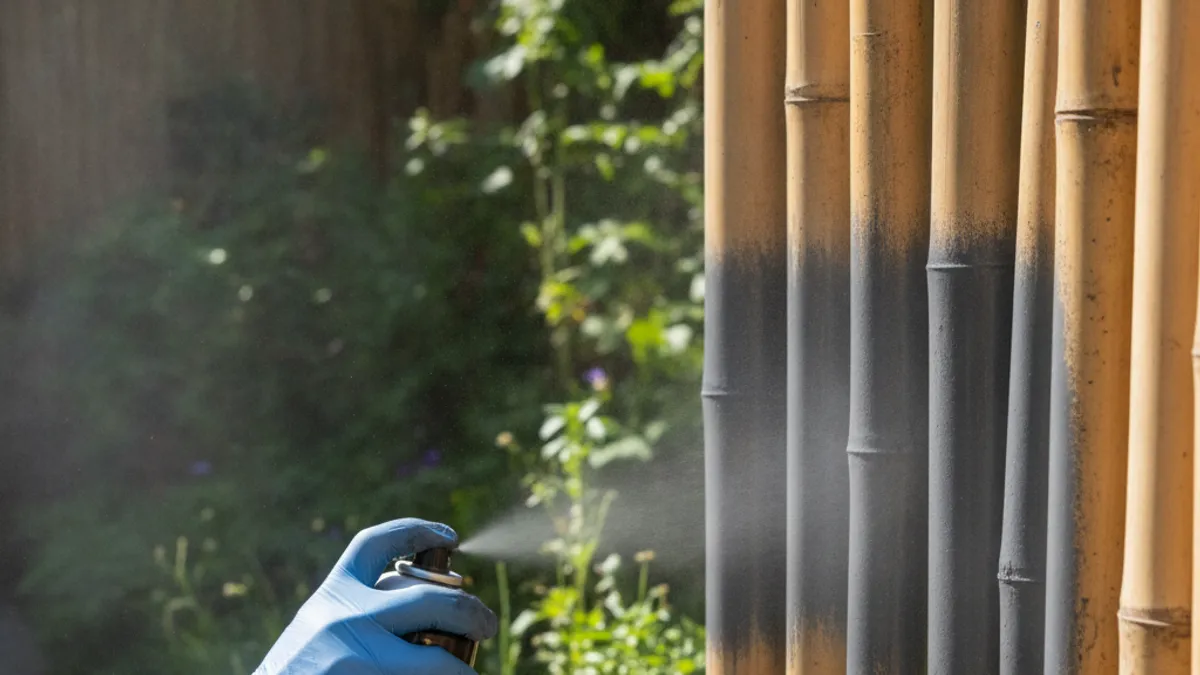
Spray painting a bamboo fence can be a quick way to change its appearance, offering a consistent finish in a relatively short time. It's particularly appealing for covering large areas evenly, which can be tough with a brush. The process allows for a wide range of color choices, letting you personalize your outdoor space.
Weighing the Pros and Cons
Here’s a quick look at what makes it a good or not-so-good option:
Pros:
- Speed: Spray cans cover large surfaces fast.
- Evenness: Achieves a uniform coat with less effort than brushing.
- Aesthetics: Offers a wide color palette for customization.
- Accessibility: Spray paints are readily available at most hardware stores.
Cons:
- Durability: Paint can chip or peel over time, especially with weather exposure.
- Preparation is Key: Improper cleaning or priming leads to poor adhesion.
- Environmental Impact: Aerosol cans and VOCs (Volatile Organic Compounds) can be a concern.
- Potential for Fading: Sunlight can break down certain pigments over time.
What Happens When You Spray Paint Bamboo?
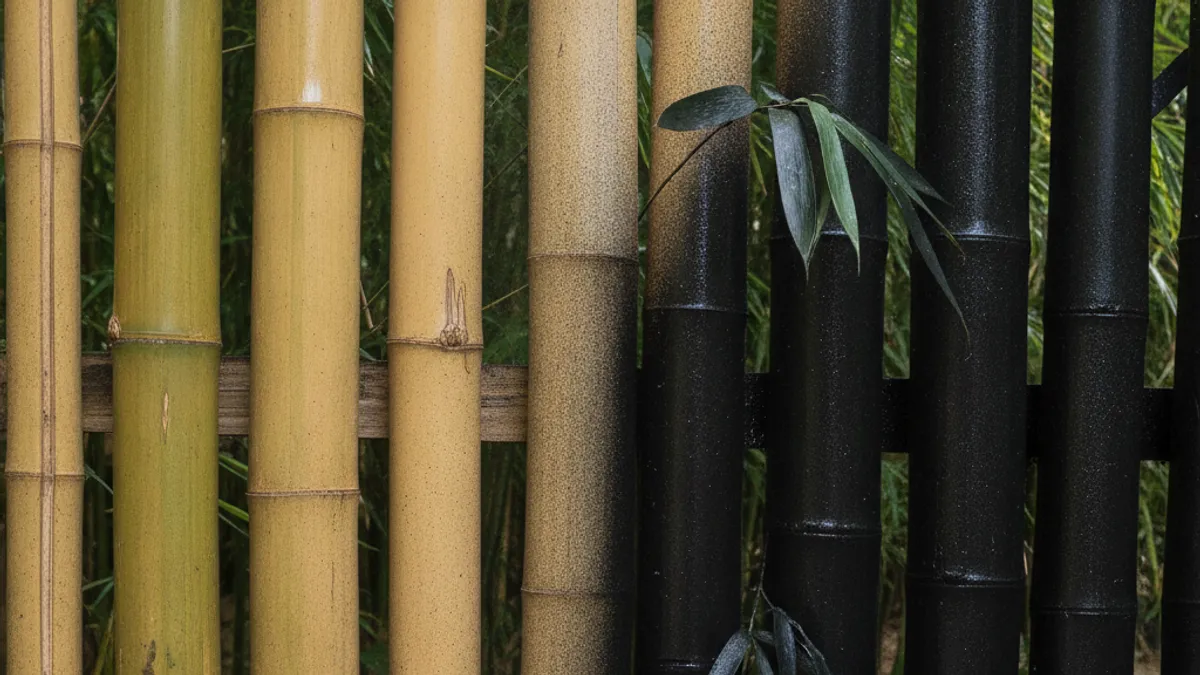
When you spray paint bamboo, you're essentially applying a layer of protective and decorative coating over the natural fibers. This coating fills in the pores of the bamboo and adheres to its surface, changing its visual appeal and potentially offering some protection against the elements. The success hinges on the paint's ability to bond with the bamboo structure.
Does Spray Paint Stick to Bamboo?
Yes, spray paint can stick to bamboo, but it requires proper surface preparation. Bare, untreated bamboo can be quite smooth and its natural oils can sometimes resist adhesion. If the bamboo is old, weathered, or has previous finishes, this can also affect how well the new paint clings. Aggregates of user feedback from online retailers suggest that skipping the prep steps is the most common reason for paint failure.
Choosing the Right Spray Paint for Your Bamboo Fence
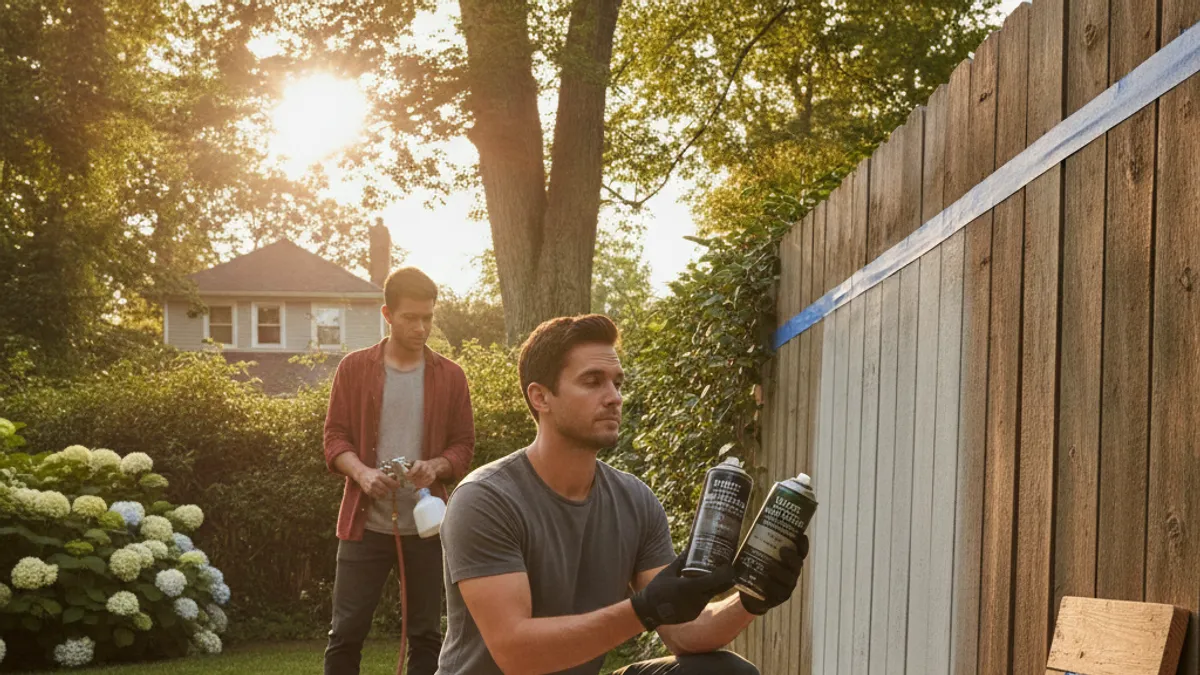
Selecting the correct spray paint is crucial for ensuring your painted bamboo fence holds up against weather and wear. You'll want a product specifically designed for outdoor use, capable of expanding and contracting with temperature changes without cracking. Think of it like picking the right shoes for a long hike, the wrong ones just won't cut it.
Essential Paint Features to Look For
Here are the key characteristics to seek out when you're in the paint aisle:
- Type: Look for "exterior" or "outdoor" spray paint. Acrylic or enamel-based formulas often perform well.
- UV Resistance: This is vital for preventing the color from fading under direct sunlight.
- Weatherproof Formula: The paint should be able to withstand rain, humidity, and temperature fluctuations without peeling or blistering.
- Adhesion Properties: Some paints are formulated for better grip on challenging, porous surfaces like bamboo.
- Finish: Consider matte, satin, or gloss based on your desired look and how well it might hide imperfections.
- Durability Rating: Manufacturers sometimes provide estimates for how long the finish is expected to last under normal conditions.
How to Properly Prepare Your Bamboo Fence for Spray Painting
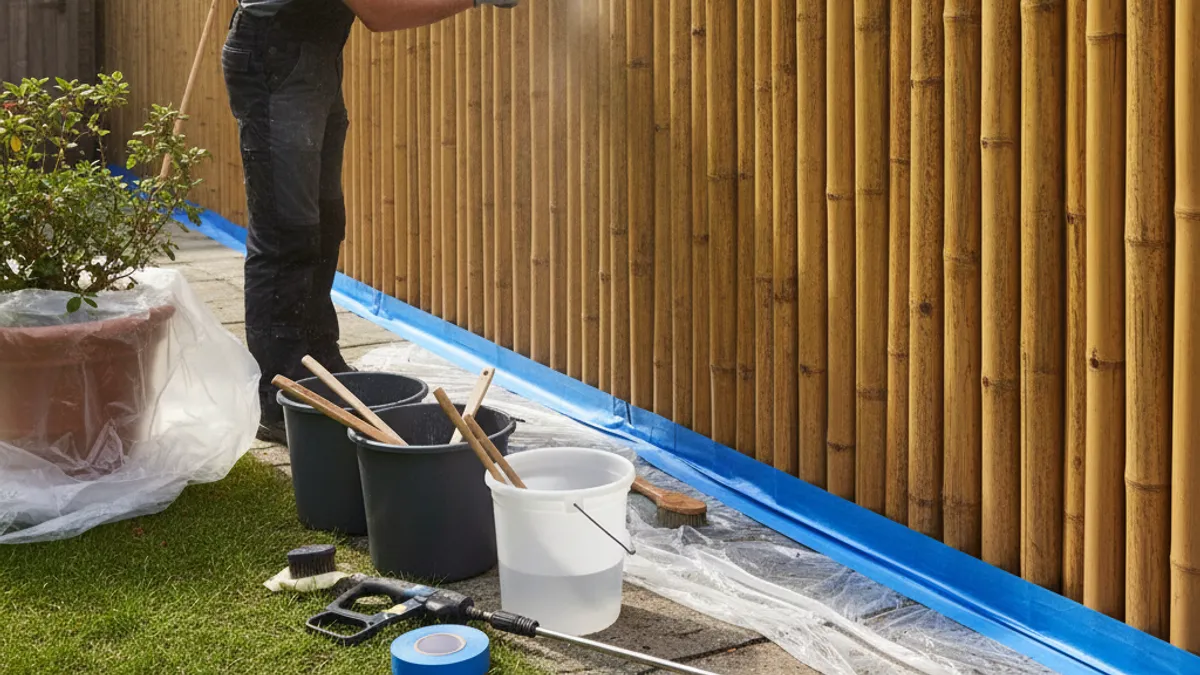
This is arguably the most important step. Skipping proper preparation is like building a house on sand, it’s bound to have problems later. Effective prep ensures the paint adheres well and lasts longer, preventing common issues like peeling and fading.
Cleaning and Surface Prep Steps
Here's what you need to do before you even think about picking up a spray can:
- Clean the Bamboo: Thoroughly wash the fence to remove dirt, dust, cobwebs, and any mildew or mold. A stiff brush and a solution of water mixed with a mild detergent or a specialized bamboo cleaner works well. For stubborn mold, a solution of one part bleach to ten parts water can be effective, but rinse very thoroughly afterwards.
- Rinse and Dry: Make sure to rinse all cleaning agents off the bamboo completely. Allow the fence to dry completely. This can take 24, 48 hours or even longer, depending on humidity and sun exposure. Damp bamboo will prevent paint from adhering properly.
- Light Sanding (Optional but Recommended): For a better grip, lightly sand the bamboo surface with fine-grit sandpaper (around 120-180 grit). This scuffs up the surface just enough to give the paint something to grab onto. For a more professional finish, you might consider using an orbital sander.
- Wipe Down Again: After sanding, wipe the fence down with a tack cloth or a damp, lint-free cloth to remove any sanding dust.
The Spray Painting Process: Step-by-Step
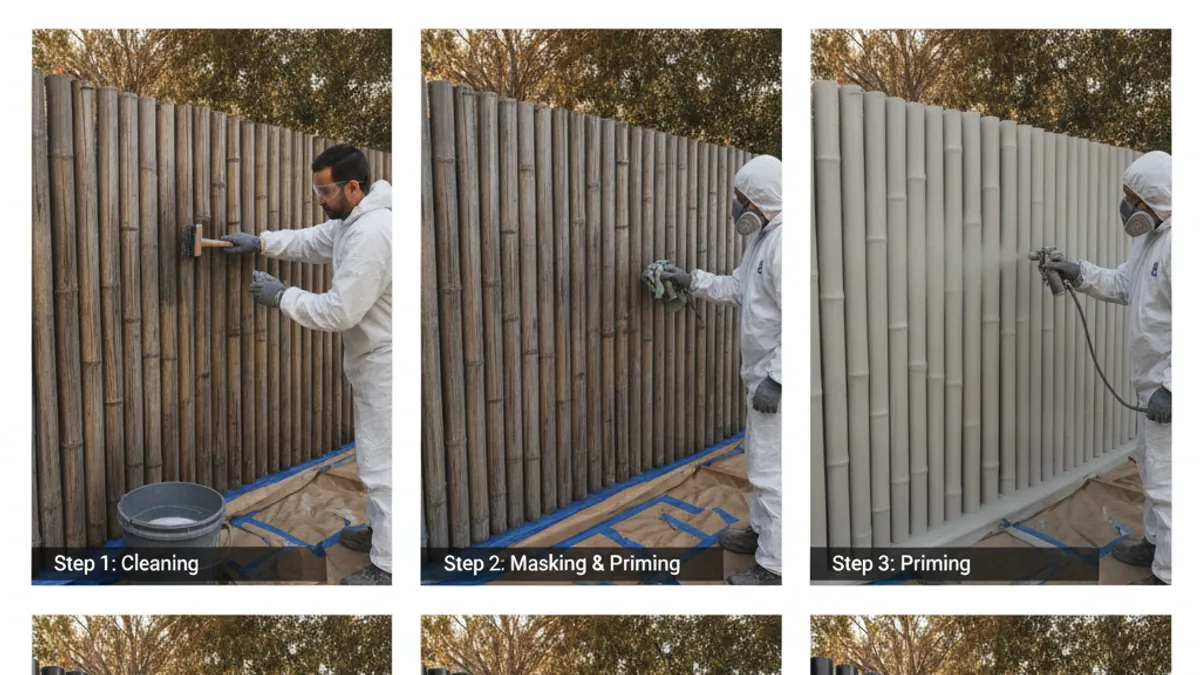
Once your bamboo fence is prepped and dry, you’re ready to start spraying. The key here is patience and technique. Applying the paint too quickly or too close can lead to drips and an uneven finish.
Applying the First Coat
Start by shaking the spray can vigorously for at least two minutes to ensure the pigment and propellant are well mixed. Hold the can about 8, 12 inches away from the bamboo surface. Move the can in a steady, sweeping motion, slightly overlapping each stroke to ensure full coverage.
Work in manageable sections to avoid the paint drying before you can blend the next pass. Don't try to achieve full opacity in the first coat; focus on a light, even layer. This will prevent runs and drips, which are far more common when trying to lay down too much paint at once.
Adding Subsequent Coats for Fuller Coverage
Allow the first coat to dry according to the manufacturer’s instructions, this usually means waiting at least 15, 30 minutes. Applying a second (and possibly a third) coat will build up color intensity and provide a more durable, opaque finish. Remember to maintain the same distance and sweeping motion for each subsequent coat.
If you notice any small drips or imperfections after the first coat dries, you can very gently sand them down with fine-grit sandpaper before applying the next layer. This attention to detail makes a big difference in the final outcome. The goal is a smooth, even finish without any bare spots showing through.
Drying and Curing Times
Drying time is how long the paint feels dry to the touch. Curing time is when the paint fully hardens and reaches its maximum durability, which can take several days to even a week or more. During the curing period, the painted fence is more susceptible to damage, so avoid heavy contact or rough handling. Always check the specific paint can for exact drying and curing times, as these can vary significantly by brand and type.
Common Problems When Spray Painting Bamboo Fences (And How to Avoid Them)
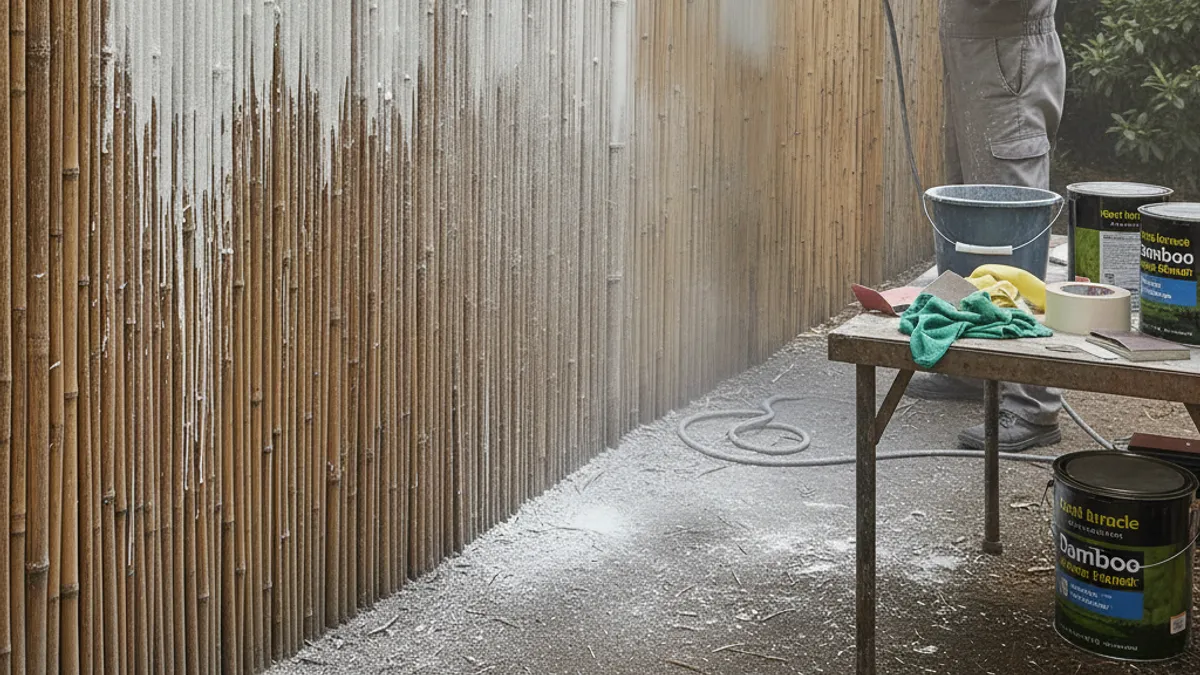
Even with the best preparation, spray painting bamboo fences can sometimes lead to frustration. The most common issues stem from either the application process itself or the inherent nature of bamboo as a material. Understanding these potential pitfalls allows you to proactively avoid them for a much smoother experience.
Dealing with Streaking and Unevenness
Streaks and uneven color are often the result of improper spray can technique. Holding the can too close, not moving it consistently, or stopping and starting mid-pass can create concentrated lines of paint. This is also more likely if the paint isn't thoroughly mixed, leading to inconsistent pigment distribution.
To avoid this, always maintain a consistent distance of about 8, 12 inches. Use light, overlapping passes rather than trying to cover everything in one thick application. If you do get a significant drip, let it dry completely, then gently sand it down before applying another light coat over the area. A bit of patience goes a long way here.
Preventing Peeling and Fading
Peeling paint is a clear sign that adhesion failed. This usually happens when the surface wasn't cleaned thoroughly, was still damp, or if the wrong type of paint was used. Bamboo expands and contracts with humidity and temperature; if the paint can't flex with it, it will eventually crack and peel away.
Fading is primarily caused by UV radiation from the sun breaking down the paint's pigments over time. To combat fading, always opt for paints specifically labeled as "UV resistant" or "exterior grade" with a strong emphasis on sunlight protection. Following the manufacturer's recommended application of multiple thin coats also helps build a more robust barrier against environmental damage.
Bamboo Fence Spray Painting Mistakes Most DIYers Make
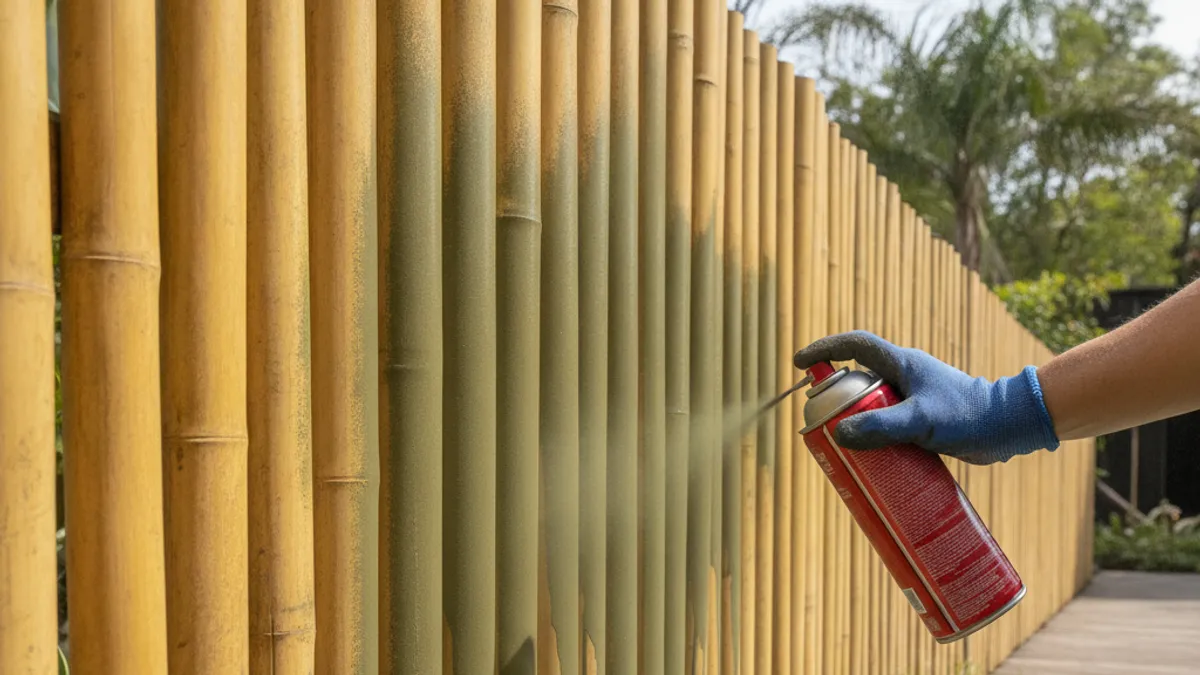
Many enthusiastic DIYers run into trouble because they're rushing the process or overlooking crucial steps. The biggest mistake we see in aggregated user feedback is inadequate surface preparation. People often skip cleaning, drying, or sanding, thinking they can get away with it, only to be disappointed by peeling paint within months.
Another frequent error is using indoor or general-purpose spray paints. These aren't designed to withstand outdoor conditions like moisture, UV rays, and temperature fluctuations, leading to premature failure. It's also common to apply paint too thickly in an attempt to get it done in one go, which almost guarantees drips and an uneven finish. Finally, not waiting for proper drying and curing times between coats or before exposing the fence to harsh weather sets the stage for disappointment.
Alternatives to Spray Painting Your Bamboo Fence
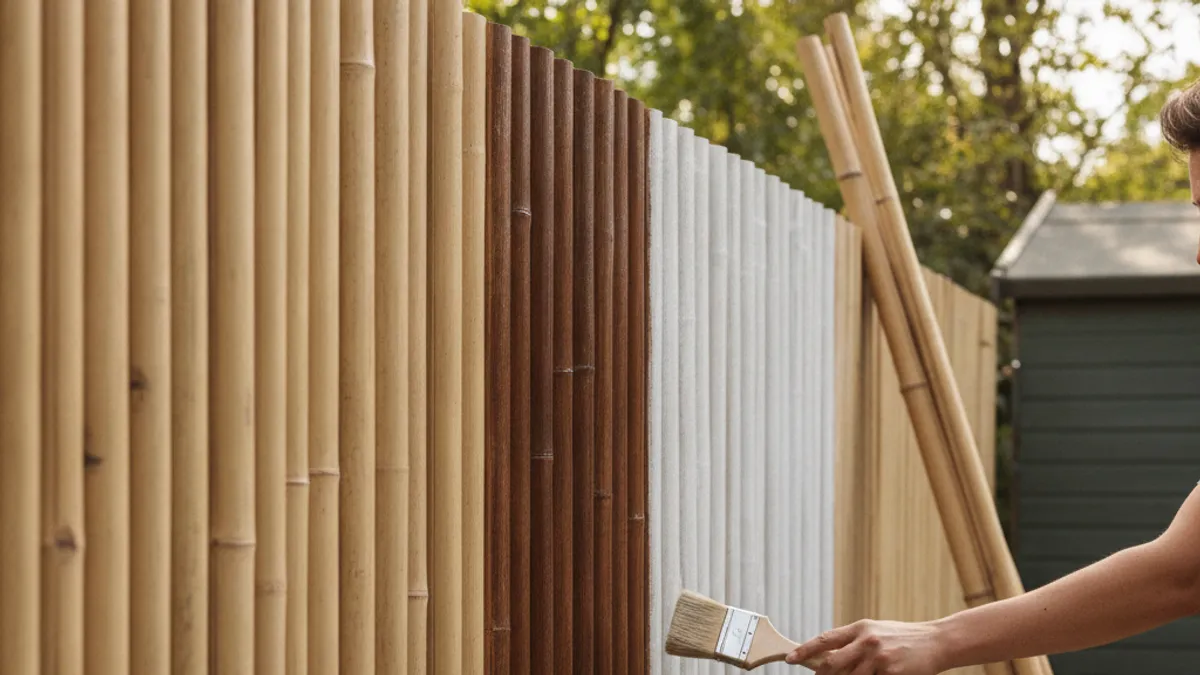
While spray painting offers speed and convenience, it's not the only option for refreshing your bamboo fence. Sometimes, a different approach might be better for longevity or the specific look you're after. Exploring these alternatives ensures you choose the method that best suits your needs and the bamboo’s characteristics.
Brush Painting vs. Spraying
If you prefer more control over application or are working on a smaller, more intricate bamboo structure, brush painting might be a better choice. A good quality paintbrush allows you to get into all the nooks and crannies of the bamboo stalks. This method can offer a thicker application of paint or stain, potentially leading to greater durability and better coverage of natural imperfections.
However, brush painting is significantly more time-consuming, especially on a large fence. Achieving a perfectly even coat can also be more challenging, and brush strokes may be visible. For large, uniform areas, spray painting is generally faster and can provide a smoother finish if done correctly. For a more in-depth look at the pros and cons, consider comparing spray or brush paint for fences.
Considering Bamboo Stains and Sealers
Instead of opaque paint, you might consider using a bamboo stain or a clear sealer. Stains penetrate the bamboo, enhancing its natural grain and color while offering protection. This approach preserves the organic look of the material. Many exterior stains also contain UV inhibitors and mildewcides, providing excellent protection against the elements.
A clear sealer is ideal if you want to maintain the bamboo’s natural appearance but add a protective layer. Sealers repel water and can prevent the bamboo from drying out too quickly, which helps reduce cracking. Both stains and sealers often penetrate the wood better than paint, potentially leading to less peeling and a more natural look over time. The U.S.
Department of Agriculture (USDA) Forest Products Laboratory has published extensive research on wood protection methods, noting that penetration of finishes is key to longevity.
How Long Does Spray Paint Last on a Bamboo Fence?
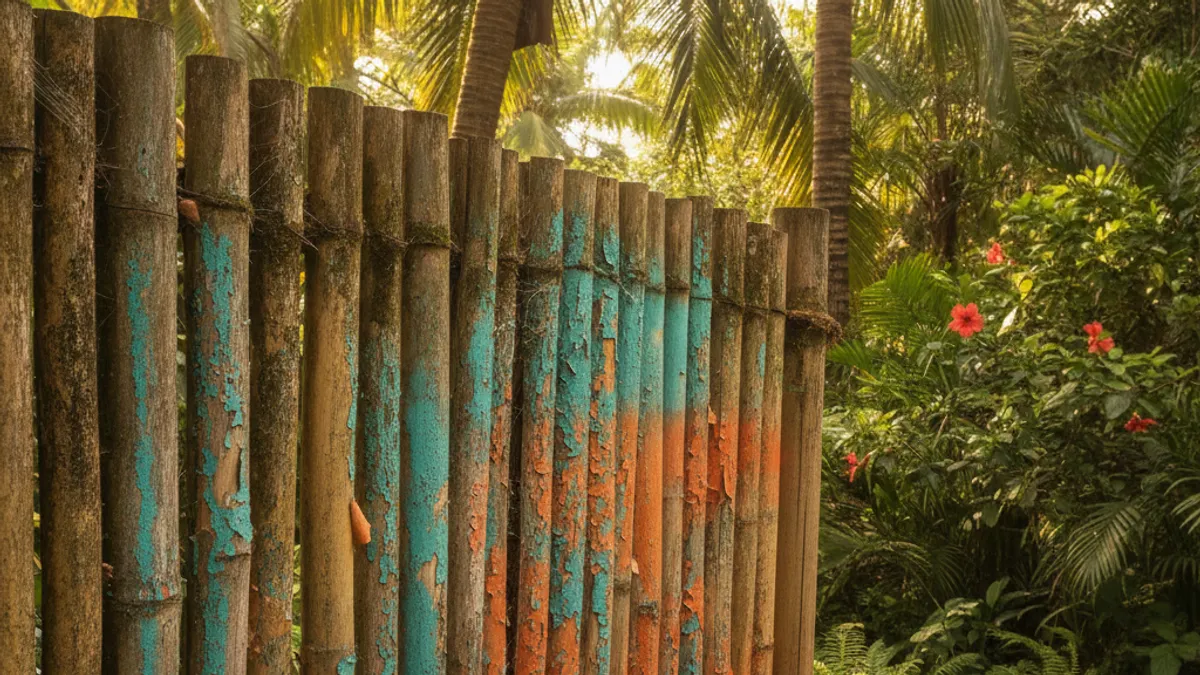
The lifespan of spray paint on a bamboo fence can vary wildly, but generally, you're looking at somewhere between 1 to 5 years. This wide range depends heavily on several factors: the quality of the paint used, how well the bamboo was prepped, the local climate, and the amount of direct sun exposure the fence receives.
Paint applied to bamboo that’s in full, harsh sunlight all day, every day, will likely fade and degrade faster than paint on a fence in a shaded area. When you use a high-quality exterior paint specifically formulated for outdoor use and apply it correctly over well-prepared bamboo, you can expect it to last longer. Aggregated customer reviews on popular retail sites often report needing touch-ups or repainting every 2, 3 years in challenging environments. Manufacturers' specifications for exterior-grade paints often suggest a lifespan of 3, 5 years under ideal conditions, but bamboo’s unique porous nature can sometimes shorten this.
Caring for Your Newly Painted Bamboo Fence
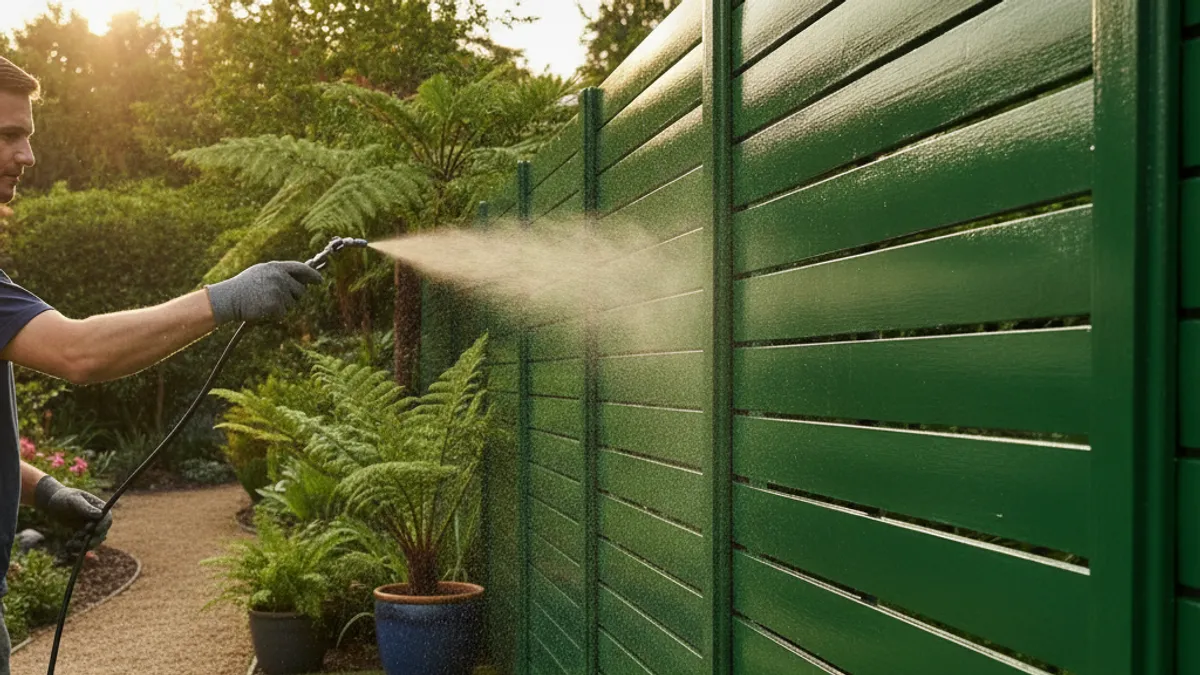
Once your bamboo fence is painted and fully cured, it’s not a set-it-and-forget-it project. Regular care will significantly extend the life of your paint job and keep your fence looking its best. Think of it like routine maintenance on a car; it prevents bigger, more costly issues down the line.
The first line of defense is regular cleaning. Periodically wash the fence with mild soap and water to remove dirt, pollen, and grime. This prevents the buildup of organic matter that can harbor mold and mildew. For tougher spots, a soft brush or a cloth should do the trick.
Simple Maintenance Tips
- Weekly: Sweep or brush off loose debris like leaves and spiderwebs.
- Monthly: Wash with mild soap and water if the fence appears dirty.
- Annually: Inspect for any signs of chipping, peeling, or fading. Address small areas with touch-up paint as needed.
If you notice any budding mold or mildew, tackle it immediately with a diluted bleach solution (1 part bleach to 10 parts water) and rinse thoroughly. Addressing these issues promptly prevents them from spreading and damaging the paint or the bamboo itself.
Spray Painting Bamboo Fences: When Does It Make Sense?
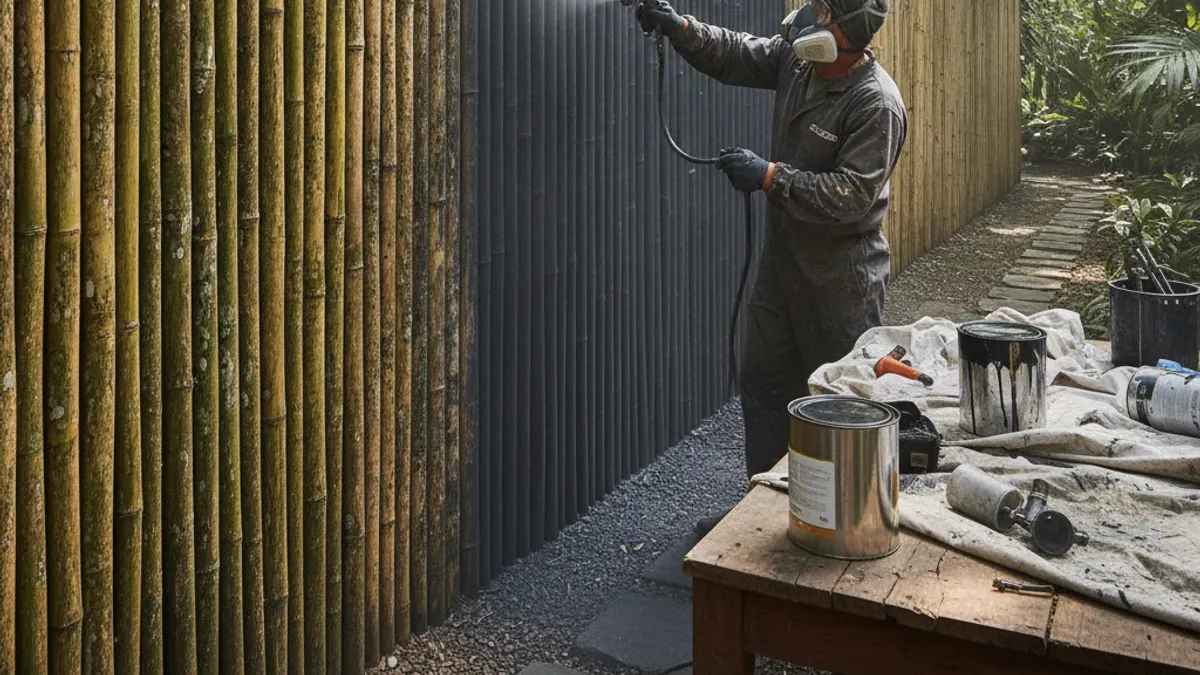
Deciding whether spray painting is the right move for your bamboo fence boils down to your priorities and expectations. If you're looking for a fast, cost-effective way to change the color or cover up minor imperfections on a fence that doesn't face extreme weather, spray paint can be a good option. It's ideal for decorative fences or those in more sheltered areas.
However, if your primary goal is maximum longevity and minimal upkeep, especially in harsh climates, you might want to reconsider. For fences that endure heavy sun, rain, or humidity, a high-quality exterior stain or sealer often provides superior protection and a more natural, durable finish. Also, if your bamboo fence is a valuable or historically significant structure, consulting with a preservationist or a professional outdoor renovator is a wise step before applying any coating.