
So, you've picked up a head of cauliflower, or maybe you found one hiding in the crisper drawer, and you've noticed some brown spots. It happens, right? Before you toss it, let's figure out if it's still good to go or if it's time to say goodbye.
Think of me as your kitchen detective, helping you make the call.
Honestly, a few brown spots on cauliflower aren't always a big deal. But understanding why they're there is key. It’s not just about the color; it’s about what that color might mean for texture and flavor.
Quick Answer
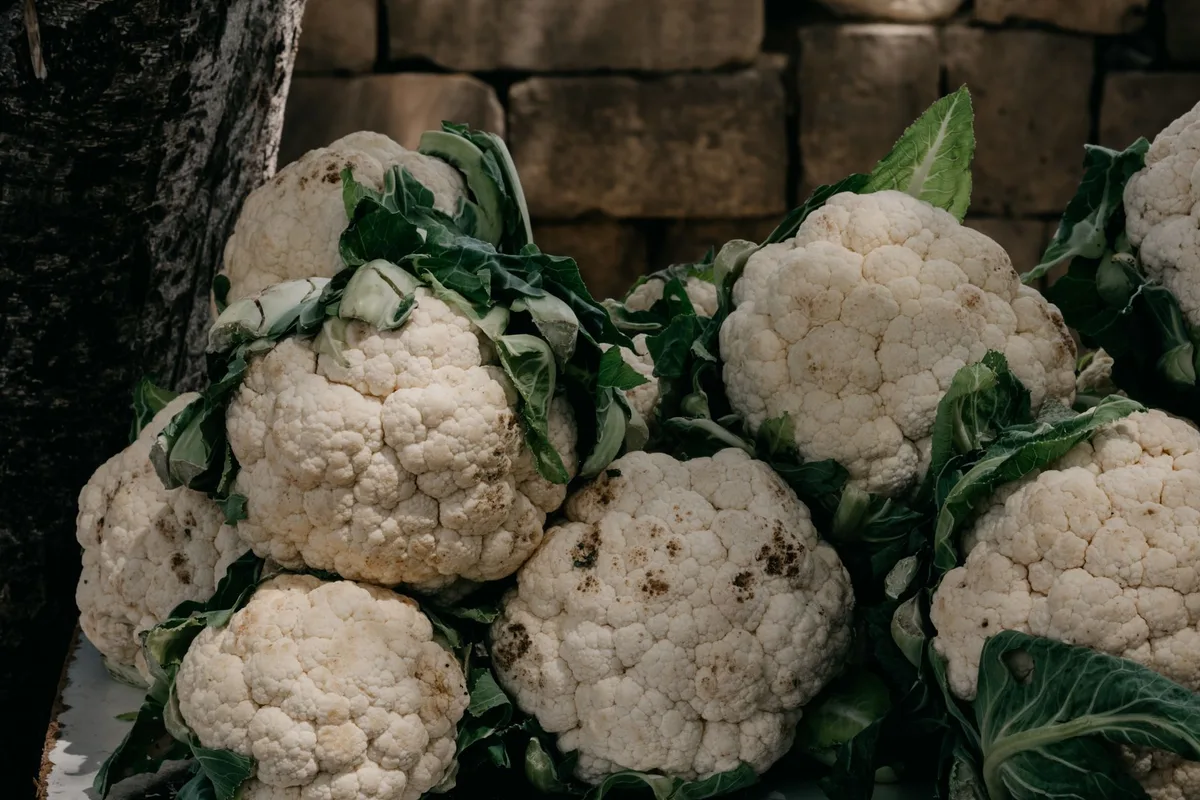
Cauliflower with brown spots is often safe to eat if the spots are small, firm, and localized, likely due to bruising or oxidation. However, if the spots are mushy, slimy, widespread, or accompanied by an off odor, it’s best to discard the vegetable. Trim away any discolored, firm areas to salvage the rest.
What Kind of Brown Spots Are We Talking About?
It usually boils down to a couple of common culprits when we see discoloration on cauliflower. Understanding these will help you make a quick judgment call.
Bruising and Oxidation Are Usually Fine
If the cauliflower got bumped around during transport or handling, a part might have bruised, kind of like an apple. This usually shows up as a slightly darker, often flat, area. Exposure to air can also cause parts of the cauliflower to turn a bit brown or tan; this is pretty similar to how a cut apple turns brown.
Think of these as superficial marks. In our research, these types of spots are frequently described as harmless if they remain firm and dry to the touch.
Early Signs of Spoilage
Sometimes, brown spots can be a sign that things are starting to go south. This is where we need to be a bit more discerning. If the brown areas are not just discolored but also feel soft, mushy, or slimy, it's a strong indicator of decay.
Aggregate user reviews and food safety guidelines suggest that a change from firm to soft texture is a key turning point. An off odor, like sourness or a musty smell, coupled with these texture changes, means the cauliflower is past its prime.
Let's Figure Out If It's Still Good: A Quick Checklist
Alright, grab your cauliflower and let's do a quick check. We're going to walk through this, so don't worry. This is a simple workflow to assess produce quality.
Are the Spots Small and Localized?
If yes: It's likely just superficial bruising or oxidation. You can usually just trim these parts away with a knife.
If no, they're widespread or large: Keep reading to the next steps.
What's the Feel of the Spots?
Your fingertips are your best tool here. A gentle press can tell you a lot about the integrity of the cauliflower.
- Firm and dry: Probably just bruising or mild oxidation. Trim and proceed.
- Mushy or slimy: Uh oh. This is a more advanced sign of spoilage and texture breakdown. It's best to toss it.
- Slightly discolored but still firm: This could be oxidation. Trim and see how the rest of the head feels and smells.
How Does the Rest of the Cauliflower Look and Smell?
This is where your senses really come into play. Beyond the spots, the overall condition matters.
- Florets look crisp, white, and the smell is fresh and clean: Even with a few trimmed spots, you're likely in the clear.
- Florets look a bit limp, yellowing, or the smell is off (sour, musty, like decay): This is a pretty strong indicator that it’s time to let it go. Don't risk using it if the overall presentation or smell is concerning.
Where Did the Spots Originate?
Consider the location. Where the discoloration starts can give clues.
- On the tough stem or base: This is often just from cutting, handling, or exposure at the market. Trim and you're likely fine.
- Deep into the florets: This warrants a closer look at the texture and smell of the affected florets, as it might indicate deeper issues.
When to Definitely Say Goodbye to Your Cauliflower
Look, we're trying to eat healthy, not take risks. If your cauliflower checks any of these boxes, it's time to move on. This is a critical step in food safety.
There's no shame in composting food that's no longer good.
- Widespread mushy or slimy texture. This indicates significant bacterial breakdown.
- An off-putting odor, sour, funky, or like it's rotting. Your nose knows.
- Mold. Any fuzzy or colored mold means it's gone too far. Manufacturer specifications generally advise discarding any produce exhibiting mold growth.
- The brown or discolored areas are oozing liquid. This is a clear sign of decay.
- The florets are significantly yellowed or darkened throughout, not just in spots. This suggests overall lack of freshness.
Final Verdict: When to Trim and When to Toss
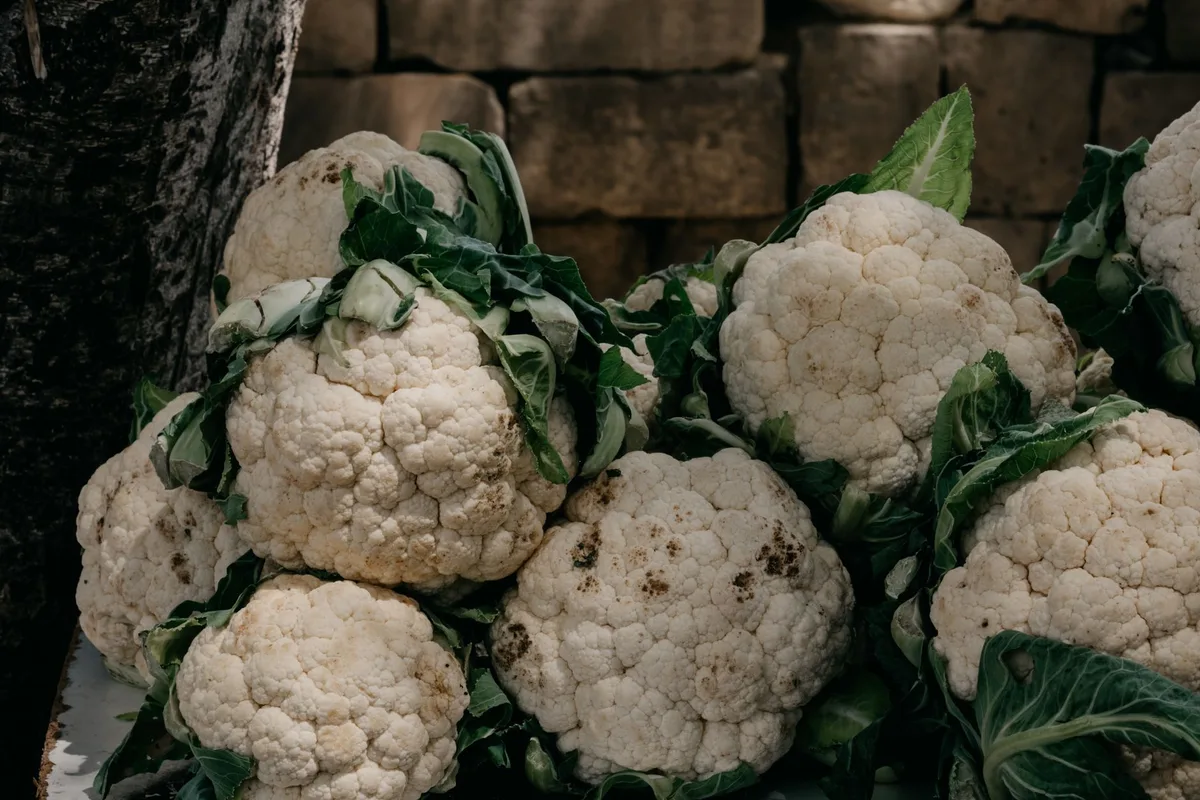
For the most part, small, firm brown spots that you can easily trim away are totally fine. They’re usually from minor bruising or just the way it reacted to air exposure. Just cut them off with a sharp knife and use the rest of the cauliflower.
Think of it like trimming an apple where you might cut out a small bruise.
But if the spots are mushy, spread out, or the cauliflower smells bad, then we listen to our noses and eyes. When in doubt, it's always safer to toss it. We want our food to be fresh, enjoyable, and safe to eat.
Remember, food spoilage can happen quickly if produce isn't stored correctly. As of 2026, maintaining good kitchen hygiene remains paramount for preventing foodborne illnesses. We can sometimes get great value from produce with minor blemishes, but it’s crucial to differentiate between cosmetic flaws and genuine spoilage.