Seeing your cherry tree's leaves drooping can be a real concern for any gardener. This drooping is almost always a sign that your tree is stressed and needs attention. It's your tree's way of telling you something isn't quite right, usually related to water, pests, or disease.
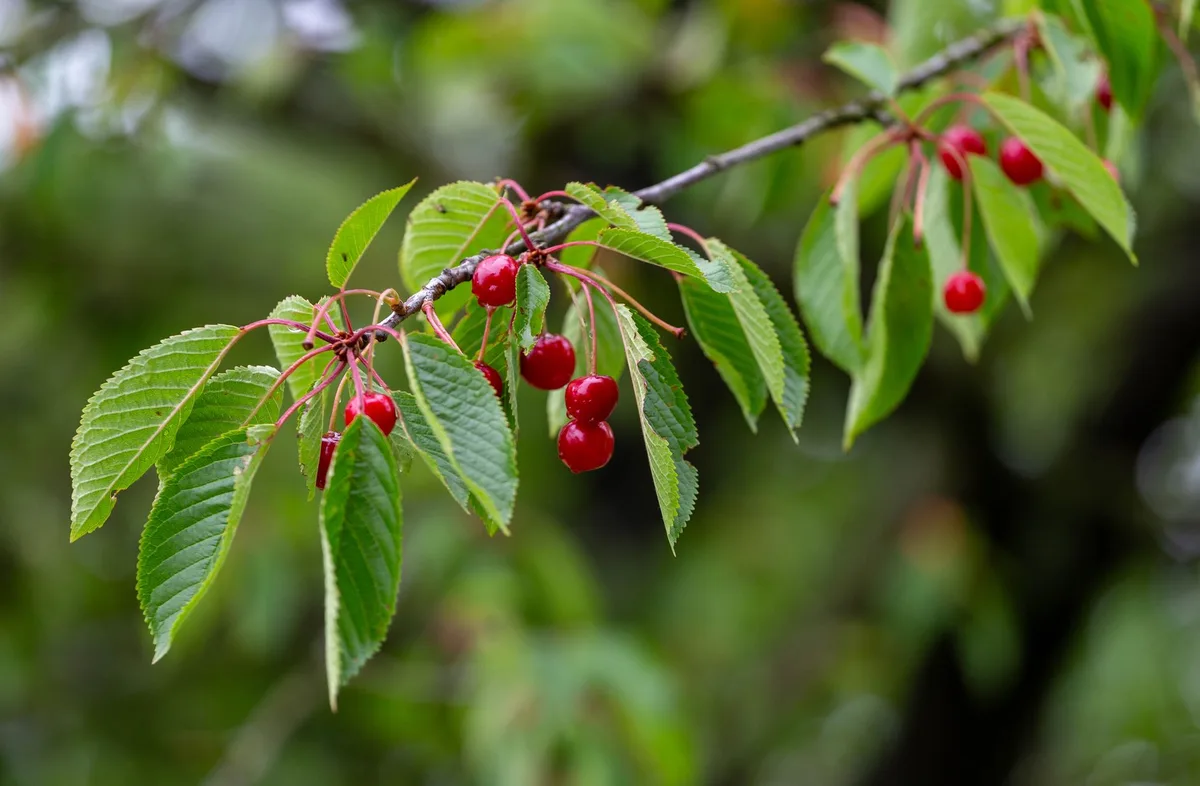
Image source: Pexels / koreha_08 (Pexels License)
Understanding the root cause is key to helping your beloved cherry tree recover quickly. Let's dive into why this happens and what you can do about it.
Understanding Cherry Tree Drooping Leaves
When cherry tree leaves droop, it means they're losing turgor pressure. Think of it like a deflated balloon. The cells in the leaves aren't holding enough water.
This can happen for a variety of reasons, from simple environmental factors to more serious problems.
The most common culprits are issues with watering, either too much or too little. Extreme temperatures, especially heat, can also cause wilting. Pests and diseases are another major cause of drooping leaves on cherry trees.
Identifying the exact reason is crucial for effective treatment.
Watering Woes: Over and Under Hydration
Water is life for any plant, but too much or too little can spell disaster for your cherry tree. Both extremes lead to drooping leaves.
Underwatered Cherry Trees: If your tree hasn't received enough water, especially during dry spells or hot weather, the leaves will start to wilt. They’ll look dry and might even curl slightly. The soil around the base will feel dry to the touch, several inches down.
Overwatered Cherry Trees: Believe it or not, too much water is just as bad. Drenching the soil constantly can suffocate the roots. This prevents them from taking up oxygen and nutrients, leading to root rot.
When roots can't function, the leaves droop because the tree can't get water. The soil will likely stay soggy, and you might even notice a musty smell.
Practical Tip: The best way to check soil moisture is to stick your finger about 2-3 inches into the ground near the tree's base. If it feels dry, it's time to water. If it's wet, hold off.
Environmental Stress: Heat and Early Frost
Cherry trees are sensitive to their environment. Sudden or extreme changes can shock them.
Heat Stress: During prolonged periods of intense heat, especially with low humidity, cherry trees can experience heat stress. Their leaves might droop to conserve moisture. It’s a survival mechanism.
Early Frost or Freeze: While not directly causing drooping in the heat of summer, unexpected cold snaps in spring or fall can damage tender new growth. This damage can manifest as wilting leaves.
Seasonal Performance Insights: Cherry trees are generally hardy, but they thrive in moderate climates. Extreme temperature fluctuations are their enemy. During peak summer heat, deep watering in the morning is best.
Providing afternoon shade for young trees can also help mitigate heat stress.
Pests That Cause Drooping Leaves
Several common garden pests love to feast on cherry trees, and their feeding can cause leaves to droop.
Aphids: These small, sap-sucking insects are notorious multitaskers. They gather in clusters, often on the undersides of leaves and on new growth. Aphids drain the plant's vital fluids, weakening it and causing leaves to curl and droop.
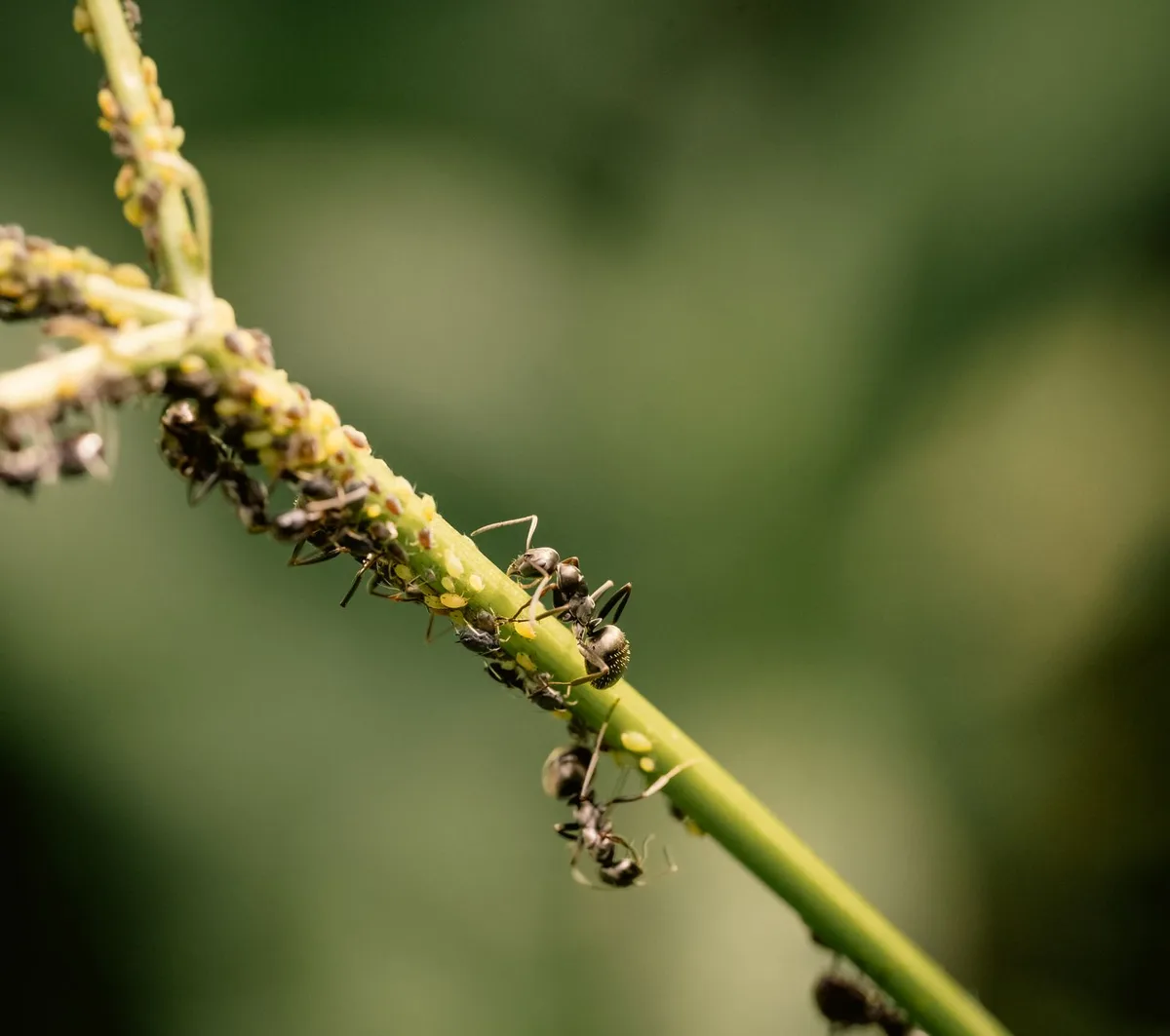
Image source: Pexels / Chris F (Pexels License)
Spider Mites: These tiny arachnids are hard to see without a magnifying glass. They spin fine webs on the leaves and suck sap, much like aphids. Infested leaves will often appear stippled (tiny yellow or white dots) before they turn yellow, then brown, and droop.
Scale Insects: Scale insects look like small bumps on branches and leaves. They also feed by sucking sap from the tree. Heavy infestations weaken the tree significantly, leading to drooping and yellowing leaves.
Common Mistakes: Many gardeners overlook early pest infestations because the bugs are small or hidden. Regular, thorough inspections of your tree are essential.
Diseases Triggering Leaf Droop
Fungal and bacterial diseases can wreak havoc on cherry trees, often showing up as wilting or drooping leaves.
Bacterial Canker: This serious disease affects cherry and other stone fruits. It's caused by the bacterium Pseudomonas syringae. Symptoms include wilting leaves, dieback of branches, and gummy ooze from infected areas.
Leaves might turn brown and droop without falling.
Crown Gall: This bacterial disease causes tumor-like galls to form on roots and stems. These galls disrupt water and nutrient flow, leading to weak growth and drooping leaves.
Verticillium Wilt: This soil-borne fungal disease can infect many types of trees, including cherries. It blocks the tree's vascular system, preventing water from reaching the leaves. One side of the tree, or even just a few branches, might wilt and droop suddenly.
Growth Rates: Symptoms of these diseases can appear quickly, especially under favorable conditions for the pathogen. For example, a wet spring can encourage fungal growth.
Soil and Nutrient Imbalances
The soil is the foundation of a healthy tree, and problems here directly impact leaf health.
Poor Drainage: As mentioned with overwatering, soil that doesn't drain well can lead to root suffocation and disease. This is common in clay-heavy soils.
Nutrient Deficiencies: While less common for causing sudden drooping, long-term deficiencies in essential nutrients like nitrogen, magnesium, or iron can weaken the tree. This makes it more susceptible to other problems and can contribute to overall poor health and a droopy appearance.
Soil pH: Cherry trees prefer slightly acidic to neutral soil (pH of 6.0-7.0). If your soil is too alkaline or too acidic, the tree can't absorb nutrients effectively, even if they are present. Testing your soil pH is a good idea if other causes are ruled out.
Identifying the Cause of Drooping Leaves
To effectively treat cherry tree drooping leaves, you need to correctly diagnose the problem. This involves careful observation and a bit of detective work.
Visual Inspection: What to Look For
Start with a thorough look at the entire tree, from the roots to the tips of the branches.
- Leaves: Are they uniformly droopy, or is it just one branch? Are there any spots, discoloration, or tiny insects on them? Check the undersides, too.
- Branches: Look for any wilting, dieback, or unusual growths. Is there any oozing sap?
- Trunk and Base: Inspect the bark for cracks, lesions, or insect activity. Check the soil around the base for moisture levels and any signs of rot.
- Surrounding Area: Note any recent weather changes or anything new in the immediate vicinity of the tree.
The Soil Test: A Crucial Step
Always check the soil before you make any drastic changes.
- Moisture Check: Use your finger or a moisture meter. Is the soil bone dry, soggy, or just right?
- Drainage Test: Dig a small hole next to the tree. Fill it with water. If it drains within a few hours, your drainage is likely good. If it sits waterlogged for a long time, you have a drainage issue.
- Soil Texture: Does it feel sandy, silty, or clay-like? This impacts how it holds water and air.
When to Suspect Pests or Diseases
If watering and environmental factors seem fine, it's time to look closer for invaders.
- Pest Signs: Tiny moving specks (aphids), webbing (spider mites), or hard bumps (scale). Look for sticky residue (honeydew) often left by sap-sucking pests, which can lead to sooty mold.
- Disease Signs: Unusual spots, lesions, wilting that isn't related to water, or dieback that moves rapidly. Bacterial canker often causes the tree to "bleed" sap.
Gardening Educator Insight: Don't forget to check neighboring plants. Sometimes pests or diseases can spread from nearby vegetation.
Practical Solutions for Drooping Cherry Tree Leaves
Once you have a good idea of what's causing your cherry tree's distress, you can implement targeted solutions.
Watering Wisely
Correcting watering habits is often the first and most impactful step.
- For Underwatered Trees: Water deeply and slowly. Aim to moisten the soil several feet down. This encourages deeper root growth. A soaker hose or drip irrigation system is ideal.
- For Overwatered Trees: Stop watering immediately. Allow the soil to dry out significantly. Improve drainage if possible by amending the soil or adding mulch around the base, keeping it away from the trunk. Ensure the planting site isn't in a low-lying area that collects water.
Table 1: Watering Management Comparison
| Feature | Underwatered Tree | Overwatered Tree | Ideal Watering |
|---|---|---|---|
| Leaf Appearance | Dry, brittle, curling edges, wilting | Yellowing, wilting, sometimes soft, limp | Plump, vibrant green, firm |
| Soil Condition | Dry several inches down, cracked may occur | Constantly wet, saturated, muddy, potential odor | Consistently moist but not soggy, crumbly texture |
| Root Health | Dry, may die back due to lack of water | Suffocated, prone to root rot, cannot absorb nutrients | Well-aerated, actively growing, able to absorb water |
| Action Needed | Deep, infrequent watering; mulch | Reduce watering, improve drainage; aerate soil | Monitor soil moisture; water when needed |
Managing Pests Effectively
A combination of methods often works best for pest control.
- Physical Removal: For small infestations of aphids, a strong blast of water from a hose can dislodge them. Knock them onto the ground where they're less likely to climb back up.
- Insecticidal Soap or Neem Oil: These are effective organic options for aphids, spider mites, and scale. They work by suffocating the pests. Always follow label instructions and spray in the early morning or late evening to avoid harming beneficial insects and to prevent leaf scorch.
- Neem Oil: This natural oil smothers insects and disrupts their feeding and reproduction. It's effective against a wide range of pests.
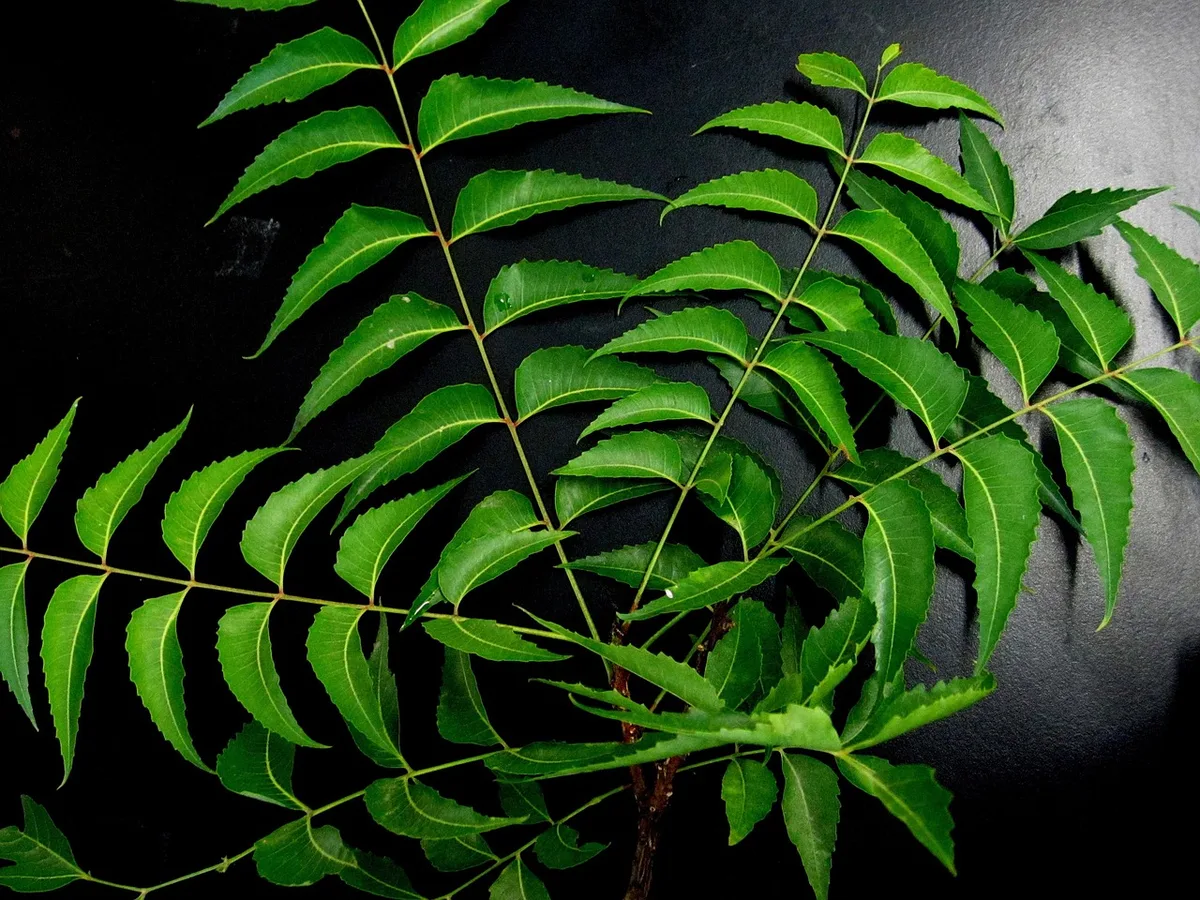
Image source: Pixabay / punnamjai (Pixabay Content License)
- Horticultural Oils: Similar to neem oil, these oils can smother overwintering insect eggs and young pests. Apply them during the dormant season for best results.
- Beneficial Insects: Encourage natural predators like ladybugs and lacewings by avoiding broad-spectrum pesticides.
Real-World Gardening Insight: I've found that a good spray of water can clear a light aphid infestation in minutes. For tougher cases, insecticidal soap made a big difference in my own garden.
Combating Diseases
Disease management is often about prevention and prompt action.
- Pruning: Remove any affected branches immediately. Make clean cuts back to healthy wood. Dispose of the diseased material away from your garden to prevent spread.
- Improve Air Circulation: Prune your tree to open up the canopy. Good airflow helps to dry leaves and reduce the conditions favorable for fungal diseases.
- Fungicides/Bactericides: For specific diseases like bacterial canker or certain fungal spots, targeted treatments might be necessary. Consult with your local nursery or extension office for the best product recommendations for your region and specific issue.
- Sanitation: Keep the area around your tree clean. Remove fallen leaves and debris, as these can harbor fungal spores and bacteria.
Correcting Soil and Nutrient Issues
Addressing underlying soil problems is vital for long-term tree health.
- Improve Drainage: If your soil is compacted or clay-heavy, consider amending the soil with compost or organic matter. For persistent issues, consider raised beds or planting on a slight mound.
- Fertilize Appropriately: If a soil test indicates nutrient deficiencies, use a balanced fertilizer formulated for fruit trees. Apply it in the spring, following package directions. Avoid over-fertilizing, which can lead to weak, leggy growth and make the tree more susceptible to pests and diseases.
- Adjust pH: If your soil pH is significantly off, you can amend it over time with lime to raise it or sulfur to lower it. Again, test your soil regularly.
Table 2: Cherry Tree Care Guide
| Condition | Optimal Range | Implications for Drooping Leaves |
|---|---|---|
| Sunlight | Full sun (6-8+ hours/day) | Insufficient light weakens tree, increasing drooping risk. |
| Soil Type | Well-drained, loamy soil | Poor drainage leads to root rot and waterlogged conditions. |
| Soil pH | 6.0 – 7.0 | Imbalanced pH hinders nutrient uptake, weakening the tree. |
| Watering | Deep watering when top 2" is dry | Both over- and underwatering cause immediate leaf droop. |
| Temperature | Varies by cultivar, but generally moderate | Extreme heat/cold causes stress and leaf wilting. |
| Fertilizing | Balanced fertilizer in early spring | Over-fertilizing causes soft growth; under-fertilizing weakens. |
| Maintenance | Annual pruning, pest/disease monitoring | Neglect makes trees vulnerable to issues causing drooping. |
Advanced Considerations for Mature Trees
For established cherry trees that continue to droop, we need to look at slightly more complex factors.
Root Health and Girdling
Problems with the root system are often the hardest to spot and fix.
- Root Girdling: This happens when a root grows around the trunk or another root, effectively strangling it. It can be caused by improper planting or root restriction in pots. Symptoms include slow growth, sparse foliage, and drooping leaves.
- Root Rot: If the soil stays constantly waterlogged, fungal diseases can set in, destroying the fine feeder roots that absorb water and nutrients.
Solution: Look for signs of girdling or compacted roots at the soil line. Sometimes, carefully excavating around the base can reveal issues. For severe root problems, advanced intervention might be needed, sometimes involving root pruning or even replacement.
Borers and Other Invasive Pests
While aphids are common, more serious pests can target the trunk and branches.
- Peachtree Borers: These are larval pests that tunnel into the trunk and main roots of stone fruit trees. They weaken the tree significantly by disrupting sap flow, leading to wilting and drooping. Look for sawdust-like frass near the base of the tree.
- Cherry Fruit Fly Larvae: While this primarily affects the fruit, severe infestations can stress the tree enough to impact leaf health.
Treatment: Borers are tough. They often require specific trunk treatments or biological controls. Early detection is key.
Fungal Diseases Deep Dive
Some fungal issues are persistent and require diligent management.
- Brown Rot: While it primarily affects the fruit, brown rot can also cause blighting of twigs and blossoms, which can lead to drooping. The infection can spread from blighted blossoms down into the branches.
- Powdery Mildew: This white, powdery fungus can appear on leaves and young shoots. Heavy infestations can weaken the plant and cause distortion and wilting.
Prevention: Proper pruning to improve air circulation and cleaning up fallen debris are your best lines of defense. Applying dormant oil sprays can also help manage overwintering fungal spores.
Data & Analytics: Understanding Cherry Tree Health Trends
Understanding general trends and data can give us context for why our trees might be acting up.
- Industry Statistics: Reports from agricultural extension services often show that watering issues (both too much and too little) account for over 60% of home garden plant stress. Pest and disease issues typically come in second and third.
- Research Findings: Studies on soil health consistently show that proper soil aeration and drainage are paramount for root function. Without healthy roots, no amount of watering at the surface will help.
- Gardening Trends: There's a growing emphasis on sustainable and organic gardening practices. This means prioritizing natural pest and disease control methods like beneficial insects, neem oil, and proper plant sanitation over chemical treatments.
- Seasonal Performance Insights: Cherry trees perform best when they experience predictable weather patterns. Unseasonable heat waves, late frosts, or prolonged wet periods can all trigger stress responses, including drooping leaves. For example, a warm spell in late winter can cause leaves to emerge prematurely, only to be damaged by a subsequent freeze, leading to wilting. We expect to see more leaf droop during extreme weather, with recovery rates depending on the tree's overall health and the severity of the stressor.
- Growth Rates: A healthy one-year-old cherry tree might add 1-2 feet in height. Mature trees grow slower. If your tree's growth rate has suddenly decreased along with leaf drooping, it indicates a significant underlying problem.
- Yield Expectations: While not directly related to drooping leaves, a stressed tree will produce less fruit. A healthy, well-managed cherry tree typically starts bearing fruit within 3-5 years and can produce anywhere from 30-50 quarts of cherries per year when mature. If your tree is drooping and not fruiting, it's a strong indicator of stress.
Expert Opinion
As a horticulturist with two decades of experience, I've seen countless cherry trees suffer from drooping leaves. The overwhelming lesson I've learned is that observation is your most powerful tool. Don't just look at the leaves; inspect the soil, bark, and surrounding environment. Many times, the problem is a simple fix related to water, but ignoring it allows pests or diseases to take hold.
A common mistake I see is gardeners immediately reaching for strong chemical treatments without understanding the root cause. This can harm beneficial organisms in the soil and make the tree more susceptible to future problems. Always start with the least invasive solutions.
For instance, if you suspect overwatering, simply stop watering and ensure good drainage before considering any sprays.
Another critical insight is the importance of proper planting. Trees planted too deep, with roots circling within the root ball, are set up for failure from day one. The root flare (where the trunk widens out to meet the roots) should be visible at or slightly above soil level. This promotes healthy root development and prevents issues like girdling and rot that can cause drooping leaves.
My advice is always: water correctly, prune wisely, and inspect regularly. That's the foundation of a healthy, happy cherry tree.
Frequently Asked Questions (FAQ)
Q: My cherry tree's leaves are drooping, but it just rained. Should I still water it?
A: No, definitely do not water it. If it just rained, the soil is likely already moist. Drooping after rain usually indicates overwatering or poor drainage, which prevents roots from getting air.
Q: Can a lack of nutrients cause my cherry tree leaves to droop?
A: While severe nutrient deficiencies can weaken a tree, they usually cause yellowing or stunted growth more than sudden, uniform drooping. However, if the tree is generally unhealthy due to poor nutrition, it's more prone to other issues that do cause drooping.
Q: How often should I fertilize my cherry tree?
A: Generally, once a year in early spring before new growth begins is sufficient for most established cherry trees. If your soil test reveals deficiencies, you might fertilize more, but always follow specific recommendations.
Q: My neighbor's cherry tree has drooping leaves too. Is it contagious?
A: It could be if the cause is a widespread disease or pest issue affecting the area, or if environmental conditions (like a drought or heatwave) are impacting all trees. However, water stress is very common and not contagious.
Q: What is the best time of day to water my cherry tree?
A: Early morning is the best time. This allows the water to soak in deeply before the heat of the day causes too much evaporation, and it gives leaves time to dry before nightfall, reducing the risk of fungal diseases.
Q: When is the best time to prune my cherry tree?
A: The best time to prune most cherry trees is in late winter or early spring, just before new growth begins. This helps wounds heal quickly and reduces the risk of disease spread. However, you should always prune out dead or diseased branches immediately, no matter the season.
Q: My cherry tree is young and its leaves are drooping after planting. What's wrong?
A: Newly planted trees often experience transplant shock, which can manifest as drooping leaves. Ensure they are watered appropriately, not too much or too little, and provide some temporary shade if heat is extreme. Avoid fertilizing until the tree shows signs of established growth.
Conclusion
Seeing your cherry tree’s leaves drooping is a clear signal that something needs your attention. By carefully observing your tree, checking the soil, and considering environmental factors, you can usually pinpoint the cause. Whether it’s a simple matter of adjusting your watering schedule or addressing a pest or disease, prompt action is key.
Remember that a healthy tree is a resilient tree. Focusing on good soil health, proper watering, and regular monitoring will help prevent many issues before they start. Don't hesitate to seek advice from local gardening experts or your agricultural extension office if you're struggling to identify the problem.
With a little care and attention, your cherry tree can bounce back and continue to thrive for years to come.