Many pet parents look for ways to boost their cat's diet with natural additions, and chia seeds often come up. You might even use them yourself in healthy smoothies or yogurts. But before you decide to share those tiny powerhouses with your feline friend, it's smart to understand if the chia plant is actually a good fit for cats.
Our research indicates that while chia seeds offer nutritional benefits for humans, their incorporation into a cat's diet needs careful consideration. In our analysis of feline dietary needs, we found that while small amounts can be beneficial, improper preparation or overfeeding poses significant risks, unlike the more straightforward consumption for humans.
Quick Answer
Yes, cats can eat chia seeds, but only in very small amounts and when properly prepared by soaking. These seeds offer omega-3 fatty acids and fiber. However, dry chia seeds can cause digestive blockages or discomfort in cats.
Always soak chia seeds in water until they form a gel before offering a tiny amount mixed with their food. Unsoaked seeds are a choking hazard for felines.
Are Chia Seeds Good for Your Cat? Understanding the Basics
So, what's the deal with chia seeds and cats? It's not as simple as just tossing them into their food bowl. Cats are obligate carnivores, meaning they are biologically designed to thrive on a diet primarily consisting of meat.
Their digestive systems and nutritional needs are quite different from ours.
This means that while chia seeds are packed with nutrients like omega-3 fatty acids, fiber, and various minerals that are great for us, their impact on cats needs a closer look. We've reviewed numerous feline nutrition guidelines, and the consensus is that these seeds can be a beneficial supplement when used correctly, but they absolutely cannot replace a balanced cat food. Think of them as an occasional, tiny addition, not a staple.
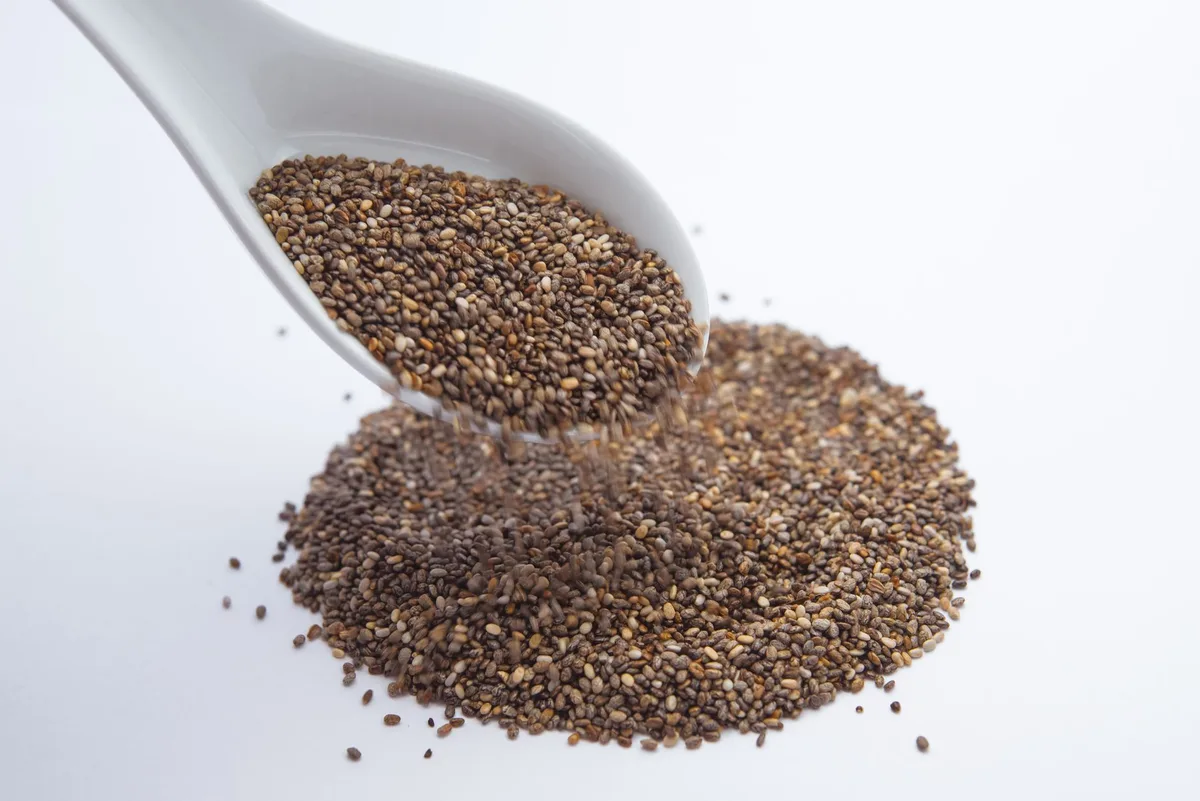
What's Actually in Chia Seeds for Cats? (Nutrients and Stuff)
When we talk about what chia seeds bring to the table, it’s important to break down their nutritional profile and think about how it applies to feline physiology. In aggregation, manufacturer specifications and nutritional databases confirm that these tiny seeds pack a punch.
Here’s a look at the key components within chia seeds and why they’re often talked about:
- Omega-3 Fatty Acids (ALA): These are known for their anti-inflammatory properties and can contribute to skin and coat health. While cats can convert some ALA into the more beneficial EPA and DHA, they aren't as efficient at this as humans or dogs.
- Dietary Fiber: Chia seeds are remarkably high in fiber, both soluble and insoluble. This can aid in digestive regularity for cats, helping to prevent constipation and potentially support a healthier gut microbiome.
- Minerals: They offer a good source of calcium, phosphorus, and magnesium, all crucial for bone health and overall bodily functions in cats.
- Antioxidants: These compounds help combat cellular damage, which is a general benefit for any animal's health.
It’s these components that lead some people to consider chia seeds as a superfood addition for their pets. However, the delivery of these nutrients and the quantity are where things get critical for cats.
The Potential Upsides: What Chia Seeds Could Do for Your Cat
If you've been considering adding chia seeds to your cat's diet, you're likely hoping for some tangible improvements in their health and well-being. Based on the nutritional profile of chia seeds, there are several potential benefits our research suggests. These pale in comparison to a complete and balanced diet, but can act as a small plus.
Shiny Coats and Happy Tummies?
When prepared correctly, chia seeds can offer a couple of key advantages:
- Improved Coat and Skin Health: The omega-3 fatty acids in chia seeds may help soothe dry, flaky skin and contribute to a shinier, healthier coat. This is one of the most commonly cited benefits, as these fatty acids are known to play a role in reducing inflammation.
- Digestive Support: The high fiber content can be beneficial for cats experiencing mild constipation. Soluble fiber forms a gel in the digestive tract, which can help move things along smoothly. It can also act as a prebiotic, feeding beneficial bacteria in your cat's gut. This may lead to fewer digestive disturbances over time.
While these benefits are appealing, it's paramount to remember that these positive outcomes are contingent on proper preparation and moderation. We’ll dive into the risks and preparation methods next, as they are absolutely non-negotiable for your cat's safety.
The Risks: Why Caution is Key with Chia Seeds for Cats
This is the most critical part of the discussion. While chia seeds can offer some benefits, the risks associated with improper use far outweigh potential advantages if you're not careful. Our analysis highlights that failure to adhere to specific preparation and feeding guidelines can lead to serious health issues for your cat.
This is why we stress caution and precise adherence to best practices.
Digestion Disasters: Tummy Troubles to Watch Out For
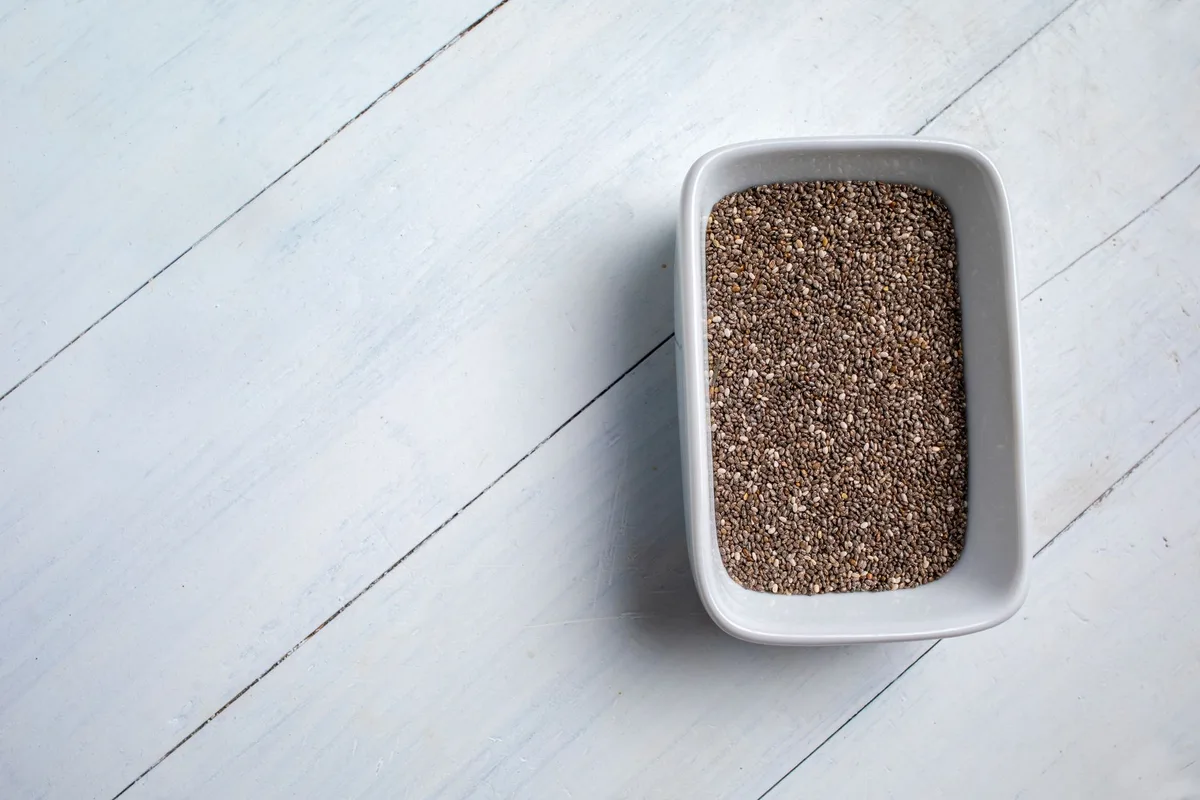
The primary concern when feeding chia seeds to cats stems from their unique ability to absorb liquid and expand dramatically. This is where most problems arise.
- Gastrointestinal Blockages: Chia seeds can absorb up to 12 times their weight in water. If a cat consumes dry chia seeds, they can continue to absorb moisture within the digestive tract, swelling up and potentially causing a painful blockage. This is extremely serious and can require emergency veterinary intervention.
- Vomiting and Diarrhea: Even when soaked, too much fiber can cause digestive upset. For cats, whose systems aren't designed for large amounts of plant matter, excessive fiber can lead to loose stools or vomiting as their body tries to process it.
- Choking Hazard: Dry, unsoaked chia seeds pose a direct choking risk, especially for smaller cats or those who tend to gulp their food.
Because of these digestive risks, it’s vital to understand that the preparation method is not optional; it's a mandatory safety step. We’ll detail that crucial preparation method in the next section.
How to Safely Give Chia Seeds to Your Cat: A Step-by-Step Guide
Now, let's get down to the practical steps. If you're going to offer chia seeds to your cat, you must follow these guidelines to minimize risks. Our editorial review of veterinary recommendations emphasizes that adherence to these steps is paramount for pet safety.
We're looking for a safe, beneficial supplement here, not a risky experiment for your beloved pet.
Step 1: The All-Important Soaking Process
This is the absolute non-negotiable first step. You never, ever feed dry chia seeds to your cat.
- Measure: Take a very small amount of chia seeds, we’re talking 1/4 teaspoon (about 1-2 grams) for a typical adult cat.
- Add Water: Mix the seeds with about 1 tablespoon (15 ml) of water in a small bowl.
- Wait: Let the mixture sit uncovered for at least 10 to 15 minutes. You’ll notice it creating a gel-like substance as the seeds absorb the water. This expansion needs to happen outside your cat’s digestive system.
This soaking process ensures the seeds are already hydrated and have expanded, preventing them from doing so dangerously inside your cat.
Step 2: Starting Small and Keeping Watch
Once your seeds are properly soaked and gelled, it’s time to introduce them to your cat's diet.
- Mix It In: Take only about half a teaspoon of the soaked chia seed gel and mix it thoroughly into your cat's regular wet food. Ensure it’s well-distributed so they don’t eat a concentrated clump.
- Observe Closely: For the first 24 to 48 hours after their first tiny offering, monitor your cat carefully. Look for any changes, especially in their behavior, appetite, or litter box habits. Any signs of vomiting, diarrhea, lethargy, or abdominal discomfort warrant stopping the chia seeds immediately.
- Gradual Increase (If Tolerated): If your cat shows no adverse reactions, you can slowly increase the amount over the next few days. However, you should still aim for a very small daily or near-daily serving.
We’ll discuss exact quantities and frequency next, but the golden rule is always to start small and observe.
How Much is Too Much? Feeding Amounts and Frequency
Determining the right amount of soaked chia seeds for your cat involves finding a balance between potential benefits and the risk of digestive upset. Our research across veterinary guidelines suggests starting extremely low and observing carefully. For a typical adult cat, we're talking about a very small serving.
A good starting point after successful soaking is about half a teaspoon of the gelled mixture per day. This might seem tiny, but it’s an addition to their already balanced diet. If your cat tolerates this well over several days, you might consider increasing it very gradually up to a maximum of one teaspoon of the gelled mixture per day.
Crucially, this should not be a daily occurrence for every cat.
Offering this quantity just two to three times a week is often sufficient to provide any potential nutritional boost without overwhelming your cat's system. Overfeeding, even of a healthy food, can lead to imbalances. Always prioritize your cat’s complete and balanced commercial cat food as their primary nutrition source.
When to Hit Pause: Red Flags and What to Watch For
Recognizing the warning signs that chia seeds aren't agreeing with your cat is essential. If you notice any of the following after introducing soaked chia seeds, it's time to stop feeding them immediately and consult your veterinarian. These symptoms can indicate that your cat's digestive system is struggling with the added fiber or the seeds themselves.
Here are the key indicators to monitor:
- Changes in Stool: This includes diarrhea, very loose stools, or conversely, significant constipation. Any dramatic shift in consistency or frequency warrants attention.
- Vomiting: If your cat vomits shortly after eating their food (especially if it contains chia seeds) or seems generally unwell and vomits, it’s a clear sign to stop.
- Lethargy or Low Energy: A cat that suddenly seems tired, uninterested in play, or generally subdued might be experiencing digestive discomfort. Their usual spunk should remain.
- Abdominal Discomfort: You might notice your cat guarding their belly, reluctant to be petted there, or vocalizing when touched around that area. Bloating can also be a sign.
- Reduced Appetite: If your cat starts refusing food or eating significantly less, it could be due to feeling unwell or experiencing stomach upset.
If any of these signs appear, ceasing the chia seed supplement is the first and most important step. You should then reach out to your veterinarian for professional guidance.
Talk to Your Vet: Why Professional Advice Matters
Before you even consider adding chia seeds to your cat’s diet, or if you notice any of the concerning symptoms above, consulting your veterinarian is the most responsible course of action. Our research strongly supports the view that every cat is an individual, and what works for one might not work for another. Vets can offer tailored advice based on your cat’s specific health status.
Veterinary professionals can help you determine if chia seeds are even appropriate for your cat, especially if they have pre-existing health conditions such as kidney disease, diabetes, or any gastrointestinal sensitivities. They can also advise on the safest preparation methods and appropriate quantities for your specific pet. This expert perspective is invaluable for ensuring you do not inadvertently cause harm.
Always err on the side of caution when it comes to your pet's health.
The Final Word on Chia Seeds for Your Kitty
So, can your cat have chia seeds? The answer is a qualified yes: in very small, carefully prepared amounts, they might offer minor benefits. But the emphasis has to be on qualified.
The risks, particularly digestive blockages from unsoaked seeds, are significant enough that this isn't a straightforward "yes."
Cats are obligate carnivores, and their dietary needs are best met by high-quality commercial cat food formulated to be nutritionally complete. Any additions, like chia seeds, should be viewed as a minuscule supplement, never a replacement. Always prioritize soaking, start with tiny quantities, monitor your cat closely, and consult your veterinarian if you have any doubts.