
Seeing dark spots appear on the usually pristine, coin-like leaves of your Chinese Money Plant can be alarming. These spots often make the plant look unhealthy and can signal underlying issues that need addressing. Properly identifying the cause is the first step to restoring your Pilea’s vibrant appearance and ensuring its long-term health.
As of 2026, horticultural research consistently points to several common factors that contribute to these unwelcome blemishes. Understanding these causes means you can act quickly and effectively to help your plant recover, rather than just guessing at solutions. Let's break down what those black spots might be telling you.
Quick Answer
Chinese Money Plant black spots typically result from overwatering, poor drainage, or inconsistent light. They can also indicate fungal or bacterial infections, or pest infestations. Identifying the exact cause involves examining the spot's appearance, the plant's watering habits, and its environment to determine the best course of corrective action.
Seeing Black Spots: Spotting the Problem
When you notice black spots on your Chinese Money Plant (Pilea peperomioides), the first thing to do is a close inspection. Think of it like a detective showing up at a crime scene, details matter. Are the spots small and numerous, or large and spreading?
Do they look sunken, raised, or like a smudge? The answers lie in observing the visual evidence.
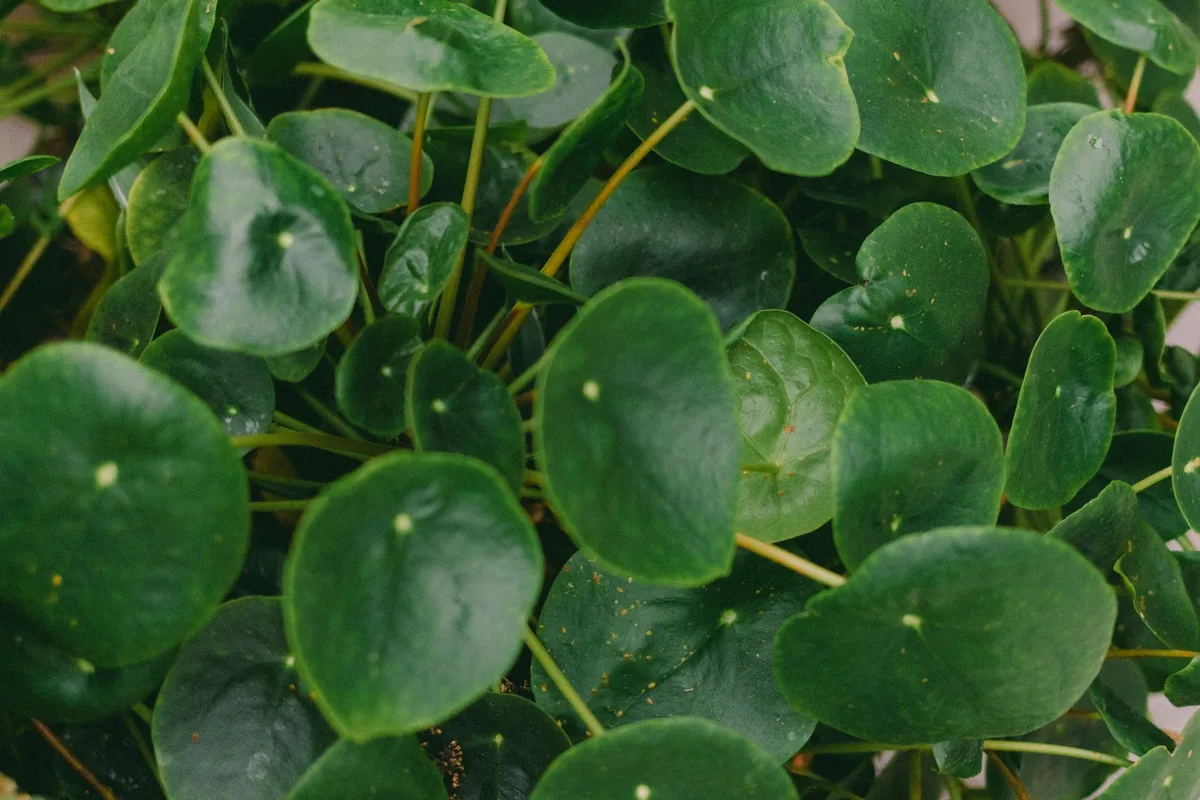
These visual clues help differentiate between the most common culprits. For instance, spots caused by fungal issues often have a distinct ring or texture, while pest damage might appear alongside actual insects or webbing. Understanding these visual cues is your primary tool for accurate diagnosis.
Why Pictures Matter for Diagnosing Pilea Spots
Trying to describe plant problems with words alone can get confusing fast. What one person calls a "dark spot," another might describe as "inky blotching." That's where clear, well-labeled images become indispensable. In horticulture, visual identification is often the fastest and most reliable way to pinpoint a problem.
For issues like black spots on your Pilea, comparing what you see on your plant to reference photos is key. A picture can show you the subtle variations in color, size, and shape that distinguish between a simple water spot and the early stages of a fungal disease. This saves you time and prevents you from trying the wrong treatments.
Overwatering: The Most Common Culprit for Black Spots
By far, the most frequent reason for black spots on a Chinese Money Plant is overwatering. These plants, while liking consistent moisture, are very sensitive to sitting in soggy soil. Excess water suffocates the roots, making them unable to take up nutrients and water effectively, which then manifests as dark, often soft or mushy spots on the leaves.
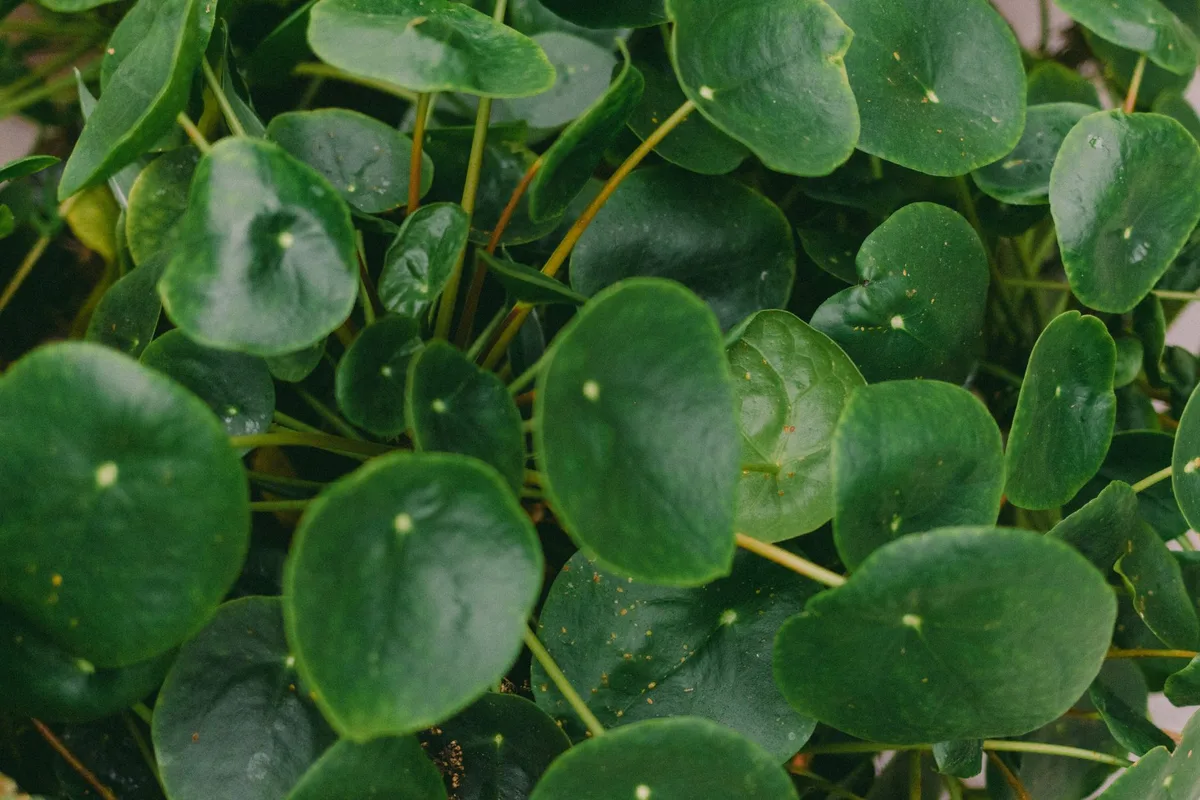
How to Tell if Overwatering is the Issue:
- Soil Condition: The soil feels consistently wet, even days after watering. You might even see mold on the soil surface.
- Leaf Texture: Spots are often soft, dark, and may have a slightly waterlogged appearance. Leaves might also turn yellow and droop.
- Root Rot: The most serious consequence of overwatering is root rot. If you gently slide the plant out of its pot, mushy, dark, and smelly roots are a clear sign.
If you've ever wondered what kind of fertilizer for grass to use, you know that the right balance is crucial. It’s similar with houseplants: too much of a good thing, like water, can be detrimental. Ensuring your Pilea has good drainage is paramount for preventing these issues.
If your pot doesn't have drainage holes, it’s time to repot into one that does or add them yourself.
Signs of Overwatering on Your Pilea
Beyond just the black spots, overwatering shows itself in a few distinct ways. You'll often see the lower leaves of the plant turn yellow, then develop those aforementioned soft, dark spots that can eventually spread and merge. The leaves might feel limp and weak, instead of firm and crisp.
Sometimes, the spots can appear almost black and slightly greasy on the surface. If you gently touch the infected area, it might feel a bit spongy compared to the healthy parts of the leaf. This visual and tactile feedback is important for confirming overwatering as the source of your Pilea’s woes.
How to Fix an Overwatered Chinese Money Plant
The first and most critical step is to stop watering immediately. Let the soil dry out considerably. If the soil is waterlogged, gently slide the plant from its pot.
Remove as much of the wet soil as possible from the roots. Trim away any roots that are black, mushy, or smell foul using clean scissors or shears.
Repot the plant in fresh, well-draining potting mix. Ensure the new pot has adequate drainage holes. For a quick fix once repotted, you can add a small amount of horticultural charcoal to the soil to help absorb excess moisture and toxins.
Avoid fertilizing for at least a month after repotting to allow the plant to recover.
Lighting Issues: Too Much Sun, Too Little Light
Sunlight plays a crucial role in a plant's health, and for the Chinese Money Plant, finding that sweet spot is key. Both too much direct sun and too little light can cause problematic spots on its leaves. It’s about understanding what your Pilea needs to thrive, not just survive.
Black Spots from Sunburn
Direct, intense sunlight, especially when it's hot, can actually scorch the leaves of your Pilea. This is similar to how we can get sunburned if we stay in the sun too long without protection. The result is often small, dry, papery spots that turn brown or black.
They can appear anywhere on the leaf where the sun's rays are strongest.
These sunspots are typically different from those caused by overwatering. They're usually drier, feel brittle to the touch, and don't have the soft, mushy quality. The edges are often well-defined, indicating a specific area where the leaf tissue was damaged by heat and intense light.
If your plant is in a window that gets blazing afternoon sun, this is a likely culprit.
Black Spots from Low Light Conditions
While not as direct a cause of "black spots" in the same way as sunburn or disease, insufficient light can weaken your Pilea to the point where it becomes more susceptible to other issues, which might then present as dark blemishes. A plant that isn't getting enough light will struggle to photosynthesize efficiently. This can make its leaves thinner and paler.
When a plant is stressed due to low light, its natural defense mechanisms can weaken. This makes it an easier target for opportunistic fungal or bacterial pathogens. So, while low light might not directly create the black spots, it can be an indirect contributing factor by making your plant more vulnerable.
It's important to place your Pilea in bright, indirect light to keep it healthy and strong. For those building their own grow rooms, understanding light intensity and spectrum is particularly important; for more on this complex topic, check out considerations while building your own grow room.
Fungal and Bacterial Concerns: When Disease Strikes
Fungal and bacterial infections are common plant ailments, and your Chinese Money Plant is not immune. These diseases often thrive in conditions of high humidity, poor air circulation, and when the plant is already stressed from other factors like improper watering or light. They can cause a variety of leaf spots, including black ones.
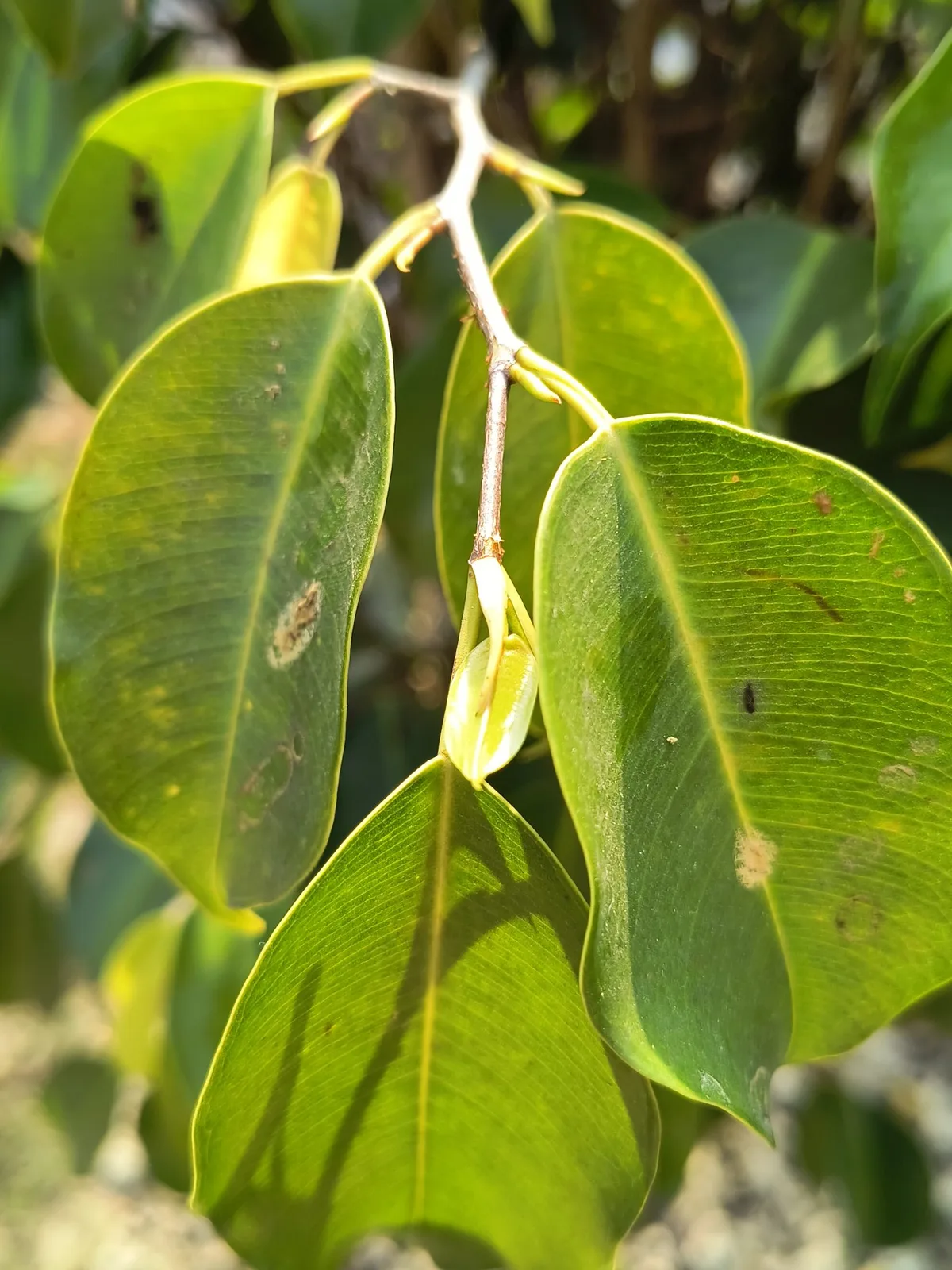
Identifying whether a spot is fungal or bacterial can be tricky, but there are some general indicators. Fungal spots often start small and may spread outwards, sometimes developing a distinct border or concentric rings. Bacterial spots are typically more irregular, might ooze a sticky substance, and can spread rapidly, especially in wet conditions.
Identifying Fungal Spots
Fungal spots on Pilea leaves often appear as small, discrete lesions. They might start as light brown or tan before darkening to black. Sometimes, you can see a subtle outline or a difference in texture between the spot and the healthy leaf tissue around it.
If you look very closely, particularly in humid conditions, you might even see tiny fungal spores developing on the surface of the spot.
These spots can occur on both the top and underside of the leaves. They are more likely to appear if the plant is kept too wet, especially if its leaves remain damp overnight. Good air circulation is key to preventing fungal growth.
If you're dealing with a persistent fungal issue, consider how you're watering; many gardeners find a watering schedule similar to the recommendations for when to fertilize lawn areas can be adapted.
When to Suspect Bacterial Issues
Bacterial leaf spot diseases on Pilea can be more aggressive. The spots are often angular, following the veins of the leaf, and might have a water-soaked appearance around the edges, even if they are drying out. In some cases, a bacterial infection can cause the affected area to turn black and mushy very quickly.
A key indicator of bacterial problems is the presence of exudate, a sticky or watery substance that can ooze from the infected spots. This exudate is teeming with bacteria and can easily spread to other parts of the plant or to other plants via water droplets or contaminated tools. If you suspect a bacterial issue, it's crucial to isolate the affected plant immediately and sterilize any tools you use before handling healthy plants.
Pests Hiding in Plain Sight
Sometimes, those dark spots aren't from water or disease, but from tiny critters making a meal of your plant. Common pests like spider mites or mealybugs can damage plant tissues, leaving behind discolored spots where they've fed. These spots might appear alongside other signs of infestation, such as fine webbing, sticky residue (honeydew), or the pests themselves.
Common Pests Causing Leaf Spots
Spider mites are microscopic and often found on the underside of leaves. They suck the sap from the plant cells, causing stippling that can eventually darken and coalesce into larger spots. Mealybugs are small, white, cottony insects that also feed on plant sap, leading to yellowing and spotting.
Both can weaken the plant considerably if left unchecked.
The Right Soil and Drainage Make a Difference
The foundation of a healthy plant is its environment, and for a Pilea, that means the right soil and impeccable drainage. These plants are native to moist, well-draining forest floors, so mimicking those conditions indoors is key. Using a potting mix that retains too much water or a pot with no way for excess liquid to escape is a recipe for disaster.
How Poor Drainage Leads to Spots
When soil stays saturated, roots can't breathe. This lack of oxygen damages the root tissues, preventing them from absorbing nutrients and water. The plant then becomes stressed, and this stress can manifest as brown or black spots on the leaves.
It’s a direct consequence of waterlogged conditions, often the precursor to root rot.
Making the Fix: Your Pilea Recovery Plan
Dealing with black spots on your Chinese Money Plant requires a systematic approach. First, accurately diagnose the problem using the visual cues and situational factors we’ve discussed. Once you know the cause, you can implement the appropriate corrective actions.
Step-by-Step: Treating Black Spots
- Isolate the Plant: If you suspect pests or disease, move the affected Pilea away from other plants to prevent spread.
- Assess Watering: Check the soil moisture. If it's too wet, withhold water. If bone dry and the spots are from dryness, water thoroughly.
- Inspect for Pests: Look closely at the undersides of leaves and in stem crevices for any signs of insects or webbing. Treat with an appropriate insecticide or horticultural oil if pests are found.
- Address Environmental Factors: Adjust light exposure, improve air circulation, or repot if the soil is compacted or drainage is poor.
- Remove Affected Leaves: For fungal or bacterial spots, carefully prune away any leaves showing significant damage. Sterilize your pruners between cuts to avoid spreading pathogens.
This recovery process is much like undertaking simple DIY repairs on a piece of equipment; focusing on the immediate issue before moving to broader maintenance. You can learn how to repair a lawn mower without a technician by following similar diagnostic steps.
When to Prune Affected Leaves
Pruning is an essential part of managing leaf spots. If a leaf is heavily affected, with spots covering more than half of its surface, it's often best to remove it entirely. This helps the plant redirect its energy to growing new, healthy foliage.
Always use clean, sharp pruning shears, and sterilize them with rubbing alcohol between cuts to prevent disease transmission.
For less severe spots, you can sometimes prune just the affected portions of the leaf. However, be aware that the remaining leaf might scar over or turn brown at the cut edge. It’s often cleaner and more effective for the plant’s overall health to remove the entire leaf if the spotting is widespread.
Preventing Future Black Spots on Your Pilea
Prevention is always better than cure, especially with houseplants. By maintaining optimal growing conditions, you can keep your Chinese Money Plant healthy and resilient against common problems. This involves a consistent approach to care that addresses its fundamental needs.
- Water Wisely: Allow the top inch or two of soil to dry out between waterings. Stick your finger in the soil to check; don't water on a rigid schedule.
- Ensure Good Drainage: Always use pots with drainage holes and a well-draining soil mix. Avoid letting the pot sit in a saucer full of water.
- Provide Bright, Indirect Light: A spot near an east or west-facing window is usually ideal. Avoid harsh, direct afternoon sun.
- Maintain Airflow: Good air circulation helps prevent fungal and bacterial issues. Avoid crowding your plants too closely.
- Monitor Regularly: Inspect your plant weekly for any early signs of pests or disease. Catching issues early makes them much easier to manage.
This consistent care is similar to how you’d approach seasonal lawn maintenance; regular attention prevents larger problems down the line. Consider the advice on what fertilizer to use in spring at your garden for a similar principle of proactive care.
Expert Tips for a Healthy Chinese Money Plant
To truly set your Pilea up for success, consider these expert insights. Often, the smallest adjustments can make the biggest difference in plant health. Think about how a precise tool, like the right size trimmer line, impacts efficiency; plant care is similar.
- Humidity Matters: While not as critical as for some tropical plants, Pileas appreciate moderate humidity. Misting occasionally or placing the pot on a pebble tray with water can help, especially in dry indoor environments.
- Rotate the Plant: Turn your Pilea a quarter turn every time you water. This ensures all sides receive even light exposure, promoting balanced growth.
- Inspect New Plants: Always quarantine new plants for a few weeks before introducing them to your existing collection. This helps prevent the spread of pests or diseases.
- Clean the Leaves: Dust can accumulate on Pilea leaves, hindering photosynthesis. Gently wipe them down with a soft, damp cloth periodically.
When You Might Need More Help
While most black spot issues on a Chinese Money Plant can be resolved with careful attention to watering, light, and pest control, there are times when professional advice or a change in approach is warranted. If you've tried all the above steps and the spots persist or worsen, it's time to re-evaluate.
Persistent, aggressive spotting that doesn't respond to treatment might indicate a more serious or rare pathogen. In such cases, consulting a local horticulturalist or your regional university extension office can be invaluable. They can often help identify specific diseases or pests that are harder to diagnose.
If you're struggling with plant health, remember that sometimes, as with fixing equipment, the right expertise can save you a lot of time and frustration.
Frequently Asked Questions
What are the first signs that my Chinese Money Plant has black spots?
The initial signs are usually small, dark discoloration on the leaves. These might appear as tiny dots that can gradually enlarge or spread horizontally. Often, they are accompanied by a change in leaf texture, becoming softer or more brittle depending on the cause.
Can black spots on my Pilea be deadly?
Black spots themselves aren't usually fatal, but the underlying conditions causing them can be. Severe root rot from overwatering or extensive fungal infections can kill a plant if left untreated. Prompt diagnosis and action are crucial for its survival.
How often should I water my Chinese Money Plant?
Water your Pilea when the top inch or two of soil feels dry. This typically means watering every 7-14 days, depending on light, temperature, and humidity. Always check the soil moisture by touch rather than sticking to a strict schedule.
Should I fertilize a Pilea with black spots?
No, you should not fertilize a plant that is actively showing signs of stress like black spots or root rot. Fertilizing can add further stress to the plant. Wait until the plant has recovered and new, healthy growth appears before resuming a feeding schedule.
Are black spots contagious between Pilea plants?
Yes, if the black spots are caused by fungal or bacterial infections, they can be contagious. It's essential to isolate affected plants to prevent spread. Cleaning tools used on the infected plant is also critical.