
When you’re dreaming of homegrown zucchini or a patch of winter squash, the first thing that comes to mind might be sun, water, and maybe some good soil. But if you're planning to grow these hungry plants in containers, one crucial detail often gets overlooked: the exact container size for squash. Getting this right is more than just a suggestion; it’s foundational for thriving plants and a generous harvest.
Manufacturer specifications and horticultural research consistently point to the importance of adequate root space for robust squash growth. For larger vining varieties, for instance, aggregate reviews report that a minimum diameter of 24 inches is often recommended to prevent plants from becoming root-bound, a common issue that severely stunts growth.
Quick Answer
The right container size for squash depends on variety. Bush types need at least 15-18 inches in diameter. Vining types require significantly more space, ideally 24-30 inches or larger.
Depth is also critical, with 12-18 inches being a minimum for most.
Why Container Size is a Big Deal for Your Squash Plants
Think of your squash plant’s roots as its engine. They’re responsible for drinking up water and soaking in nutrients from the soil. If those roots don't have enough room to spread out and explore, the whole plant suffers.
In our research, we’ve seen that when roots are confined in a pot that’s too small, they can become “root-bound,” circling around the inside of the container. This severely limits the plant’s ability to access the water and food it needs to produce those big, beautiful squash you’re looking for.
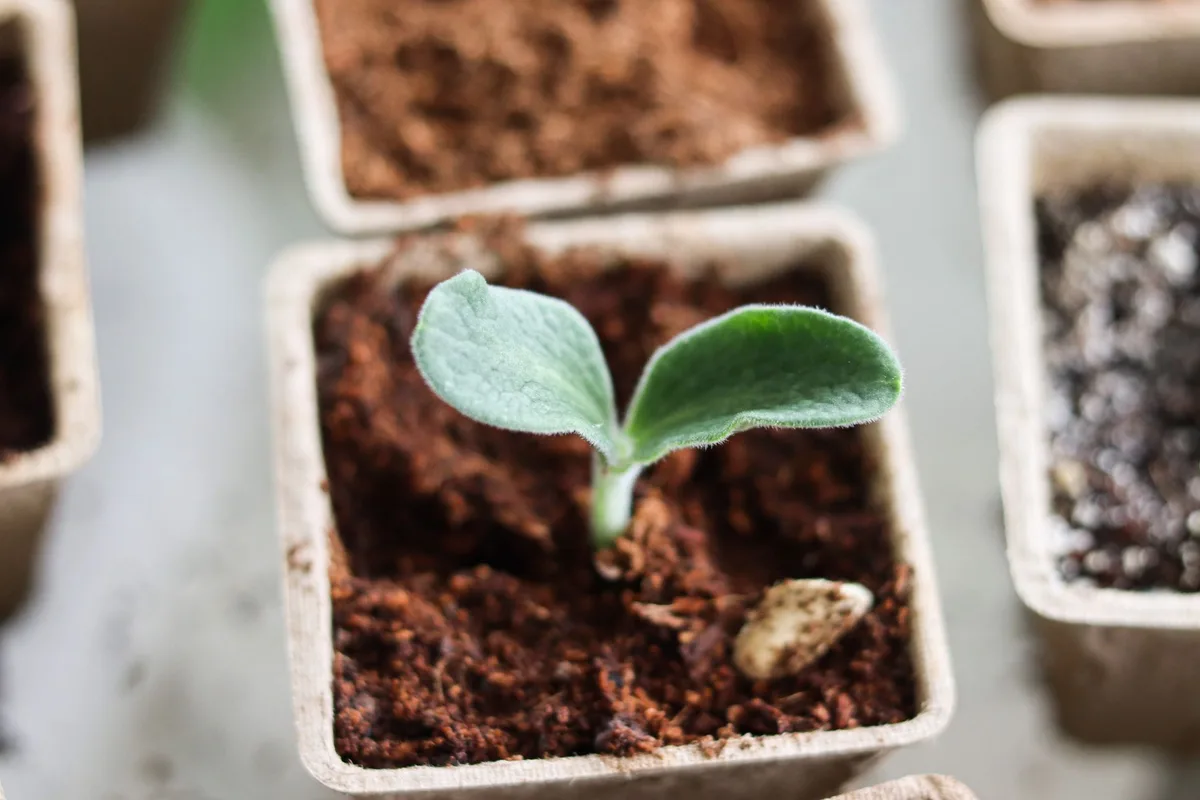
A pot that’s too small also dries out much faster, especially when the sun is beating down. This means you’ll be watering constantly, and even then, you might struggle to keep the soil consistently moist. It's like trying to run a marathon on an empty stomach; the plant just can't perform at its best.
Understanding Squash Growth Habits: Bush vs. Vining
Before you pick out a pot, you’ve got to know what kind of squash you’re growing. Squash plants aren't all the same; they fall into two main categories based on how they grow: bush types and vining types. Each has dramatically different space requirements, and choosing the wrong size container can lead to real problems.
Bush Squash Needs
Bush varieties, like many common zucchini and some types of acorn or scallop squash, grow more compactly. They tend to stay within a certain footprint, sending out leaves and fruit from a central, shrub-like structure. Their root systems are less extensive than their vining cousins.
Because of this more contained growth habit, they are a bit more forgiving when it comes to container size, but they still need adequate room to avoid stress and ensure good fruit production.

Vining Squash Needs
Now, vining varieties are a whole different beast. Think butternut, most pumpkins, Hubbard squash, and many other large winter squashes. These guys are built to spread.
Their vines can easily grow 10 to 20 feet long, and their root systems are correspondingly vast and deep. If you plan on growing these in containers, you absolutely must account for their sprawling nature and significant need for nutrient and water uptake. Trying to cram a vining squash into a small pot is a recipe for disappointment.

How Different Container Sizes Impact Squash Growth
The size of the container directly influences how well your squash plants can establish a strong root system, how consistently they receive moisture, and their overall health and productivity. Getting this wrong is a common pitfall for beginner container gardeners.
The Problem with Pots That Are Too Small
When a squash plant is placed in a container that’s too small, its roots can quickly become constricted. This "root-bound" condition prevents efficient nutrient and water absorption. As of 2026, horticultural research still highlights this as a major limiting factor, leading to stunted growth, smaller fruits, and potentially attracting more pests or diseases.
Insufficient soil volume also means the container dries out rapidly, creating significant stress for the plant. This often leads to wilting, even with regular watering, as the plant can't draw up moisture fast enough.
The Advantage of Ample Space
Conversely, giving your squash ample room in a larger container offers several key advantages. A big pot holds more soil, which means more moisture retention and a more stable environment for root growth. This reduces the frequency of watering needs and provides a buffer against fluctuations in temperature and moisture.
Furthermore, a spacious container allows for a more extensive root system to develop, which translates to a healthier, more vigorous plant capable of producing a greater abundance of fruit. This extra space also helps with soil aeration, which is vital for healthy root function.
Essential Container Dimensions for Your Squash
To truly succeed with container squash, you need to match the container size to the specific type and variety you’re growing. It’s not just about width; depth plays a crucial role in supporting those deep root systems.
Bush Summer Squash Container Specs
For bush varieties of summer squash, like most zucchinis, aim for a container that is at least 15 to 18 inches in diameter. Importantly, ensure it has a depth of about 12 inches. This provides enough soil volume to support the plant's growth and fruit production without its roots becoming too restricted.
A container of this size can typically support one healthy bush squash plant.
Bush Winter Squash Container Specs
While still considered "bush" types, some winter squash varieties can be more vigorous than summer bush types. For these, it’s wise to step up the container size. A minimum diameter of 20 inches is recommended, with a depth of at least 12 to 15 inches to accommodate a slightly more robust root system.
Vining Summer Squash Container Specs
Vining summer squash types will require more space than their bush counterparts, though perhaps not as much as the largest vining winter squash. Plan for a container that is at least 20 to 24 inches in diameter. The depth should ideally be 12 to 15 inches to support the vines and their developing fruit well.
Vining Winter Squash Container Specs
Here’s where you need the biggest pots. Vining winter squash varieties, like butternut or pumpkins, need significant space for their extensive root systems. Manufacturer guidance and independent horticultural studies suggest a minimum diameter of 24 to 30 inches, and ideally even larger.
A depth of 15 to 18 inches is highly recommended to ensure those deep roots have ample room to grow and access nutrients and water. For these types, think large fabric grow bags or half whiskey barrels rather than standard plastic pots.
Choosing the Right Container Material for Squash
While the size is paramount, the material of your container also impacts how well your squash will grow. Different materials have varying properties regarding water retention, drainage, and temperature regulation.
- Plastic Pots: These are generally lightweight and retain moisture well, which can be beneficial in hot climates. However, they can also heat up significantly in direct sun, potentially stressing roots. Ensure they have plenty of drainage holes.
- Terra Cotta Pots: These are porous, allowing for good air circulation to the roots, but they also dry out very quickly, requiring more frequent watering. They can be a good option in cooler, damper climates if you’re diligent with watering checks.
- Fabric Grow Bags: These are excellent for container gardening, especially for squash. They provide superior aeration, preventing roots from circling and promoting healthier growth. They also offer good drainage and can help regulate soil temperature. For large vining squash, fabric bags in 25-gallon or larger sizes are often ideal.
- Wooden or Half-Whiskey Barrels: These can be very attractive and offer significant volume. Ensure they are made from rot-resistant wood or have been treated appropriately for outdoor use. Check for adequate drainage holes at the bottom.
Common Mistakes When Sizing Squash Containers
When it comes to container size for squash, a few common errors can significantly hinder your gardening success. Avoiding these pitfalls ensures your plants get the best start and reach their full productive potential.
Underestimating Vining Needs: The most frequent mistake is using a pot that is too small for vining varieties. Their massive growth habit requires substantial root space, and a standard 10- or 15-gallon pot is simply not enough for pumpkins or butternut squash.
Forgetting Depth: Many gardeners focus on diameter but overlook container depth. Squash plants develop deep taproots. A shallow pot, even if wide, will restrict root development and lead to the issues mentioned earlier, like rapid drying and root binding.
Overcrowding: While not strictly a container size issue, it’s related. Planting more than one squash plant in a container, particularly a vining type, is a mistake. Even in a large pot, overcrowding leads to competition for resources, stressing all plants involved and reducing individual yields. Per horticultural guidelines, each vining squash plant typically requires its own dedicated, large container.
Using Repurposed Containers Without Drainage: While creative repurposing is great, old buckets, barrels, or other containers must have adequate drainage holes drilled. Without them, water will pool, leading to root rot, a sure death sentence for your squash.
Essential Container Dimensions for Your Squash
To truly succeed with container squash, you need to match the container size to the specific type and variety you’re growing. It’s not just about width; depth plays a crucial role in supporting those deep root systems.
Bush Summer Squash Container Specs
For bush varieties of summer squash, like most zucchinis, aim for a container that is at least 15 to 18 inches in diameter. Importantly, ensure it has a depth of about 12 inches. This provides enough soil volume to support the plant's growth and fruit production without its roots becoming too restricted.
A container of this size can typically support one healthy bush squash plant.
Bush Winter Squash Container Specs
While still considered "bush" types, some winter squash varieties can be more vigorous than summer bush types. For these, it’s wise to step up the container size. A minimum diameter of 20 inches is recommended, with a depth of at least 12 to 15 inches to accommodate a slightly more robust root system.
Vining Summer Squash Container Specs
Vining summer squash types will require more space than their bush counterparts, though perhaps not as much as the largest vining winter squash. Plan for a container that is at least 20 to 24 inches in diameter. The depth should ideally be 12 to 15 inches to support the vines and their developing fruit well.
Vining Winter Squash Container Specs
Here’s where you need the biggest pots. Vining winter squash varieties, like butternut or pumpkins, need significant space for their extensive root systems. Manufacturer guidance and independent horticultural studies suggest a minimum diameter of 24 to 30 inches, and ideally even larger.
A depth of 15 to 18 inches is highly recommended to ensure those deep roots have ample room to grow and access nutrients and water. For these types, think large fabric grow bags or half whiskey barrels rather than standard plastic pots.
Choosing the Right Container Material for Squash
While the size is paramount, the material of your container also impacts how well your squash will grow. Different materials have varying properties regarding water retention, drainage, and temperature regulation.
- Plastic Pots: These are generally lightweight and retain moisture well, which can be beneficial in hot climates. However, they can also heat up significantly in direct sun, potentially stressing roots. Ensure they have plenty of drainage holes.
- Terra Cotta Pots: These are porous, allowing for good air circulation to the roots, but they also dry out very quickly, requiring more frequent watering. They can be a good option in cooler, damper climates if you’re diligent with watering checks.
- Fabric Grow Bags: These are excellent for container gardening, especially for squash. They provide superior aeration, preventing roots from circling and promoting healthier growth. They also offer good drainage and can help regulate soil temperature. For large vining squash, fabric bags in 25-gallon or larger sizes are often ideal.
- Wooden or Half-Whiskey Barrels: These can be very attractive and offer significant volume. Ensure they are made from rot-resistant wood or have been treated appropriately for outdoor use. Check for adequate drainage holes at the bottom.
Choosing the Right Container Material for Squash
While the size is paramount, the material of your container also impacts how well your squash will grow. Different materials have varying properties regarding water retention, drainage, and temperature regulation.
- Plastic Pots: These are generally lightweight and retain moisture well, which can be beneficial in hot climates. However, they can also heat up significantly in direct sun, potentially stressing roots. Ensure they have plenty of drainage holes.
- Terra Cotta Pots: These are porous, allowing for good air circulation to the roots, but they also dry out very quickly, requiring more frequent watering. They can be a good option in cooler, damper climates if you’re diligent with watering checks.
- Fabric Grow Bags: These are excellent for container gardening, especially for squash. They provide superior aeration, preventing roots from circling and promoting healthier growth. They also offer good drainage and can help regulate soil temperature. For large vining squash, fabric bags in 25-gallon or larger sizes are often ideal.
- Wooden or Half-Whiskey Barrels: These can be very attractive and offer significant volume. Ensure they are made from rot-resistant wood or have been treated appropriately for outdoor use. Check for adequate drainage holes at the bottom.
Common Mistakes When Sizing Squash Containers
When it comes to container size for squash, a few common errors can significantly hinder your gardening success. Avoiding these pitfalls ensures your plants get the best start and reach their full productive potential.
Underestimating Vining Needs: The most frequent mistake is using a pot that is too small for vining varieties. Their massive growth habit requires substantial root space, and a standard 10- or 15-gallon pot is simply not enough for pumpkins or butternut squash.
Forgetting Depth: Many gardeners focus on diameter but overlook container depth. Squash plants develop deep taproots. A shallow pot, even if wide, will restrict root development and lead to issues like rapid drying and root binding.
Overcrowding: While not strictly a container size issue, it’s related. Planting more than one squash plant in a container, particularly a vining type, is a mistake. Even in a large pot, overcrowding leads to competition for resources, stressing all plants involved and reducing individual yields. Per horticultural guidelines, each vining squash plant typically requires its own dedicated, large container.
Using Repurposed Containers Without Drainage: Creative repurposing is great, but old buckets, barrels, or other containers must have adequate drainage holes drilled. Without them, water will pool, leading to root rot, a sure death sentence for your squash.
What Kind of Soil Do Container Squash Need?
Beyond the pot’s dimensions, the medium it holds is vital. Squash plants are hungry and need nutrient-rich soil that also drains well. A common mistake is using heavy garden soil in containers; this compacts too easily and suffocates roots.
For optimal results, our research indicates a good potting mix is essential. This is typically a blend of peat moss or coir, perlite or vermiculite, and compost. This combination provides aeration, moisture retention, and the necessary nutrients to get your squash plants growing strong.
For container gardening specifically, avoid using native soil as it compacts easily and does not drain well enough for potted plants.
A well-draining potting mix is key. If you're using compost, ensure it’s well-rotted. Uncomposted material can burn young roots.
Adding a balanced organic fertilizer at planting time is also a good practice to give your plants an initial nutrient boost. Your soil mix should feel light and airy, clumping slightly when squeezed but breaking apart easily.
Watering Your Container Squash Correctly
Watering is where many container gardeners falter. Squash plants are thirsty, especially during hot weather and when setting fruit. However, overwatering is just as detrimental as underwatering, particularly in containers.
- Check Soil Moisture: The best way to know if your squash needs water is to feel the soil. Stick your finger about two inches into the soil. If it feels dry at that depth, it’s time to water. If it’s moist, hold off.
- Water Deeply: When you do water, water thoroughly until you see water draining from the bottom of the container. This encourages deep root growth. Light, frequent watering only wets the top layer of soil.
- Water the Soil, Not the Leaves: Wetting the foliage can encourage fungal diseases. Aim to water the base of the plant. Early morning is the best time for watering, allowing leaves to dry before nightfall.
- Adjust for Weather: During hot, dry spells, you might need to water daily. On cooler, cloudy days, you might go several days between waterings. Keep a close eye on your individual plant and its soil.
Supporting Your Growing Squash Plants
As squash plants grow, especially vining varieties, they’ll need support. This isn't just about managing their sprawl; it’s also about preventing damage to the plant and fruit. This is where careful planning, even beyond just the container size, comes into play.
- Trellising: For vining squash, a sturdy trellis is often necessary. This can be anything from a simple wooden A-frame to a commercially available garden trellis. Ensure it's strong enough to support the weight of the mature plant and its fruit. If you’re growing in a large fabric bag, a stake or cage can help keep it stable.
- Fruit Support: As squash begin to mature, their weight can strain the vines. For heavier fruits, like pumpkins, you might need to provide extra support. Slinging the developing fruit with netting or cloth tied to the trellis or a sturdy stake can prevent the vine from breaking and keep the fruit off the potentially damp soil (which can lead to rot).
- Pruning (Optional): In some cases, advanced gardeners might prune excess vines to focus the plant's energy on fruit production. This is a technique best informed by specific variety needs and is often more relevant for in-ground systems, but can be considered for very large container setups.
Frequently Asked Questions
How much space do pumpkin plants need in a pot?
Pumpkin plants, particularly vining varieties, require a considerable amount of space. A minimum container diameter of 24-30 inches, with a depth of 15-18 inches, is strongly recommended to accommodate their extensive root systems and sprawling vines.
Can I grow two zucchini plants in one large pot?
It’s generally not recommended to grow more than one bush or vining squash plant per container, even in large pots. Squash plants can become quite large and require ample individual space for their roots and overall growth. Overcrowding leads to nutrient and water competition, resulting in weaker plants and reduced yields.
What's the best depth for a squash container?
The ideal depth for a squash container is at least 12 inches for bush varieties and 15-18 inches for vining types. This depth allows for robust root development, which is critical for water and nutrient uptake, supporting the plant’s vigorous growth and fruit production.