Slugs are a common garden visitor, and if you've ever admired a delicate mushroom popping up, you've probably wondered if it's destined to become their next meal. The simple truth is that slugs are indeed attracted to mushrooms and will consume them under the right conditions. For anyone looking to cultivate fungi or simply understand garden ecosystems better, knowing this relationship is key.
Mushrooms offer slugs a moist, nutrient-rich food source that's relatively easy to digest. Our research shows that certain species of mushroom can be a preferred food, especially when environmental factors like humidity and temperature are favorable. As of 2026, understanding these interactions remains crucial for gardeners and naturalists alike.
Quick Answer
Yes, slugs definitely eat mushrooms. They are drawn to the moisture and nutrients mushrooms provide. Young, tender mushrooms are particularly appealing.
Slugs leave characteristic slime trails when they feed. Not all mushrooms are equally targeted, but many species are consumed.
Slugs and Mushrooms: The Unbeatable Combo?
It's a question that pops up every spring and fall: will that lovely mushroom I just spotted in the garden or on a nature walk become a slug's breakfast? The answer is a resounding yes. Slugs, those slimy mollusks, are opportunistic eaters, and mushrooms often rank high on their culinary wish list.
They're particularly fond of the soft flesh and high moisture content, making a fresh cap a prime target.

This dietary preference isn't unique to one type of slug or mushroom. Across various species, this interaction is a common occurrence in damp environments where both slugs and fungi thrive. Understanding this relationship helps explain why sometimes your prized fungi disappear overnight.
Do Slugs Actually Eat Mushrooms?
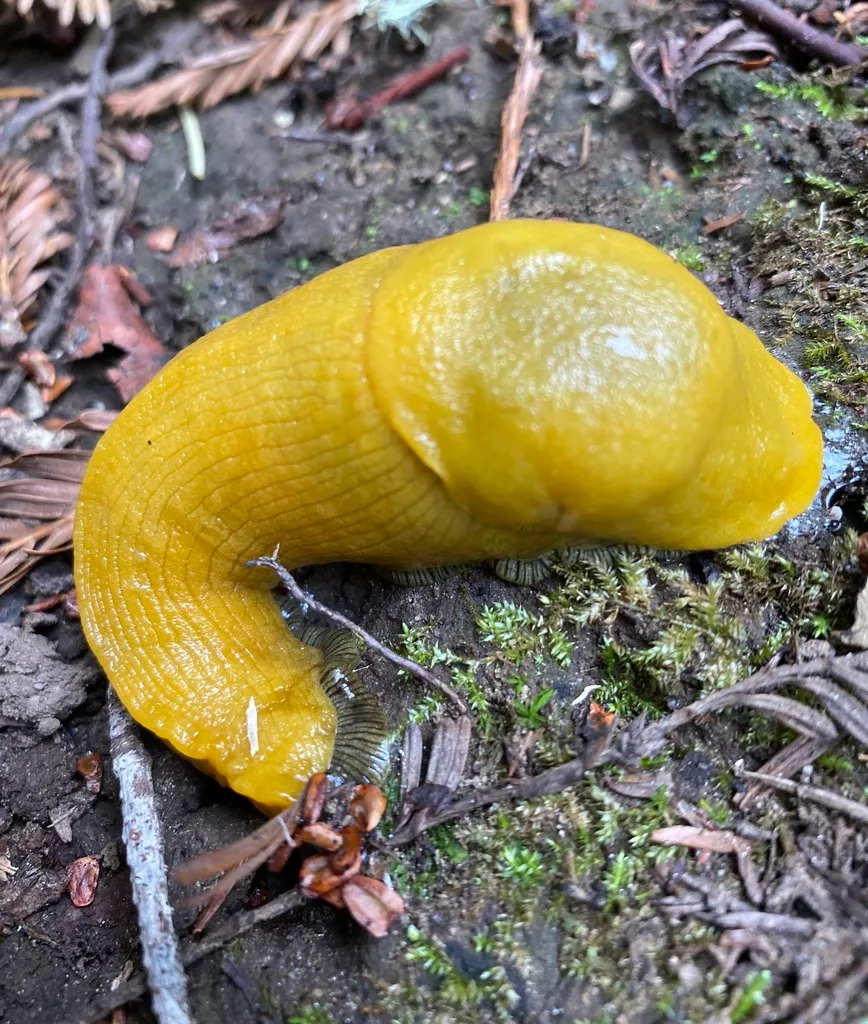
The straightforward answer is that slugs absolutely do consume mushrooms. You can often find evidence of their feasts in the form of gnawed caps and tell-tale slime trails leading to or from the fungal fruiting bodies. Slugs use their radula, a toothed ribbon, to scrape away at the mushroom's flesh, making them an effective, albeit often unwelcome, consumer of fungi.
It's not a rare phenomenon; it’s a regular part of the food web in many ecosystems. From the delicate oyster mushrooms to more robust varieties, if a slug encounters one, it's a strong possibility it will be eaten. This consumption is driven by the mushroom's appeal as a readily available source of hydration and sustenance for the gastropod.
What Makes Mushrooms Irresistible to Slugs?
Several factors make mushrooms an attractive meal for slugs. First and foremost is their high water content. Slugs themselves are highly susceptible to dehydration, so they seek out moist environments and foods.
Mushrooms, often composed of 80-90% water, are an excellent source to maintain their hydration levels.
Beyond moisture, mushrooms are packed with nutrients. They provide carbohydrates, proteins, and various minerals that slugs require for energy and growth. The texture of most mushrooms, especially younger ones, is soft and yielding, making them easy to process with a slug's specialized feeding apparatus, the radula, effectively scraping off food particles.
Are Any Mushrooms Slug-Proof?
While it's tempting to look for a magic bullet, there aren't many mushroom species that are completely "slug-proof" in the way some plants deter insects with toxic compounds. However, some mushrooms are less appealing due to their physical or chemical characteristics. For instance, mushrooms with very tough, leathery textures or those that possess extremely bitter or acrid flavors are less likely to be chosen by slugs.
Some wild mushroom species may have evolved certain compounds that are unpalatable to common slug species, but this is more of a deterrent than complete immunity. For example, some research indicates that certain species might contain compounds that slugs find unpleasant, leading them to choose easier targets. It's a bit of a biological arms race, with slugs generally preferring the path of least resistance and most palatability.
Real-World Sightings: How and When Slugs Attack Mushrooms
Observing slugs in action reveals a clear pattern of feeding. They are most active during damp conditions, typically at dawn, dusk, or on overcast, rainy days. This is when the humidity is high, and their slime trails can be maintained, allowing them to travel across surfaces without drying out.
A mushroom patch that appears overnight can be significantly diminished by morning if slugs are active in the area.
Professional mycologists and amateur foragers alike will often report finding slime trails on or around mushroom caps, a definitive sign of slug activity. You can often see how they graze, leaving irregular holes or gouges in the cap and stem. This type of damage is distinct from other potential mushroom nibblers, like certain insects.
The Taste Test: Which Mushrooms Are Top Picks?
Slugs tend to favor mushrooms that are young, tender, and high in moisture. This often means that newly emerged fruiting bodies are the first to be targeted. Species known for their soft caps and pliable stems, like Shaggy Manes or certain Agaricus species (cousins to the common button mushroom), are frequently found to be attractive.
While specific preferences can vary between slug species and the local fungal population, generally, the easiest food sources are the most appealing. If a mushroom is particularly dense, rapidly growing, or has a less watery composition, slugs might pass it over for softer, more easily consumed alternatives nearby. For instance, some aggressive weed control strategies might involve understanding a pest's preference, similar to how one might consider [hoes to get rid garden weeds].
Signs You've Got Slug Damage on Your Mushrooms
Identifying slug damage is primarily about looking for two key indicators: slime trails and the pattern of consumption. Slime trails are the most obvious clue. These silvery, glistening paths are made from mucus secreted by the slug to help it move and protect itself.
You'll often find them smeared on the ground leading to the mushroom, or directly on the cap and stem.
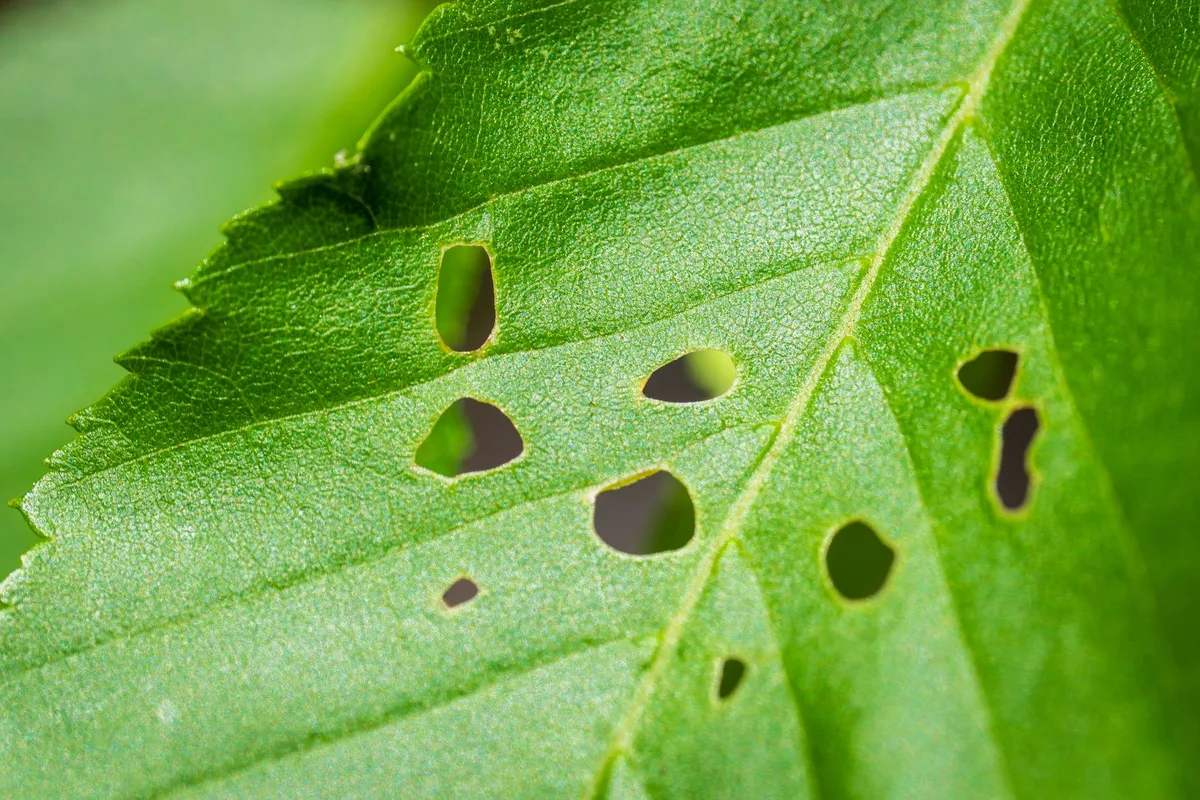
The damage itself typically appears as irregular holes, gouges, or chewed edges on the mushroom. Unlike insect damage, which might involve small, round holes from larvae boring into the flesh, slug damage is usually more superficial and ragged. If you see these signs, especially after a damp night, it's highly probable that slugs are the culprits.
Are Any Mushrooms Slug-Proof? (Revisited)
As we've touched upon, complete slug-proofing is rare. However, some mushrooms are definitely less prone to attack. For instance, woody fungi like shelf mushrooms (Polypores) are tough and fibrous, making them difficult for slugs to consume.
Their texture and composition simply aren't as palatable or easy to digest as the soft fleshy mushrooms.
Similarly, some wild mushrooms may have deterrents. Certain species contain alkaloids or other compounds that can make them bitter or even mildly toxic to slugs. While a desperate or hungry slug might still try, these mushrooms are generally avoided.
It’s a bit like how certain plants have natural defenses against pests, which is a key consideration when you're aiming for a healthy garden, potentially influencing choices about what fertilizer for grass to use.
What Makes Mushrooms Irresistible to Slugs? (Revisited)
The primary driver for a slug’s interest in mushrooms is their extremely high moisture content. Slugs lose water through their skin and require a consistently moist environment to survive and move effectively. Mushrooms, especially the gills and cap, can be up to 90% water, presenting themselves as veritable water stations for these gastropods.
This makes them a vital food source during dry spells or for slugs that are active during periods when other water sources might be scarce.
Beyond simple hydration, mushrooms offer a readily available buffet of digestible nutrients. They are rich in carbohydrates and proteins, providing the energy slugs need for locomotion, reproduction, and growth. The cellular structure of most fleshy mushrooms is also soft and easily broken down by the slug's radula, meaning less energy is expended on consumption, making it an efficient food choice.
Real-World Sightings: How and When Slugs Attack Mushrooms (Revisited)
In the wild, slugs are most active during humid periods, often after rainfall or in foggy conditions, typically during the cooler parts of the day like early morning or late evening. This is when they can move most freely without the risk of desiccation. If you're foraging for mushrooms, you might notice that clusters found in shaded, damp ravines or under dense canopy cover are more likely to show signs of slug activity than those in more exposed, drier locations.
The evidence is usually quite clear: a slimy trail leading directly to a mushroom with sections missing, often with the edges of the cap appearing nibbled away. This feeding style is highly characteristic and differentiates slug damage from other potential feeders, such as insect larvae which might leave smaller, more contained boreholes. It’s a visual testament to nature’s intricate food web, where even delicate fungi play a role.
The Taste Test: Which Mushrooms Are Top Picks? (Revisited)
When it comes to a slug's palate, freshness and texture are paramount. Young, developing mushrooms are almost always preferred because their flesh is tender and packed with moisture. As mushrooms mature, their tissues can become tougher, and their water content might decrease slightly, making them less appealing.
This means that emerging caps are prime targets.
For example, varieties like the Agaricus bisporus (the common button mushroom) are highly susceptible when young. The less developed the mushroom, the softer the texture and the more easily it is processed by the slug's radula. This preference for easy meals is a universal trait among many foraging creatures, influencing what you might find left intact in your garden.
Gardeners' Woes: The Impact on Homegrown Fungi
For home mushroom growers, slug damage can be incredibly frustrating. If you're cultivating mushrooms indoors, in raised beds, or even in a dedicated growing space, slugs can be a genuine threat to your harvest. They can decimate a crop overnight, leaving you with little to show for your efforts.
This is particularly problematic for those using specialized environments that might inadvertently provide ideal slug habitats, such as humid grow rooms. While building your own grow room requires attention to detail, like ensuring proper ventilation, managing pests like slugs is a crucial part of the process. The performance of cheap grow tent kits can also be impacted if they don't offer adequate pest exclusion.
This can be disheartening, especially after investing time and resources into your mushroom cultivation setup. Understanding the slug's behavior is the first step in preventing significant losses. It's a battle that requires vigilance, as unchecked slug populations can quickly overwhelm delicate fungi.
Foragers' Forewarnings: What to Look Out For in Nature
If you're out foraging for wild mushrooms, recognizing the signs of slug damage can be useful. While slugs might deter you from harvesting a damaged specimen for consumption, their presence can also indicate a healthy, thriving ecosystem. A patch of mushrooms showing active feeding might mean there are plenty more nearby that haven't been discovered yet, but which may also be on the slugs' menu.
It also serves as a reminder that you are part of a larger ecological cycle. The mushrooms you find are sustenance for wildlife, just as they are for you. Being aware of these interactions can deepen your appreciation for the natural world.
This awareness is similar to understanding the specific needs of your lawn, like knowing [what kind of fertilizer for grass to use] or [when to fertilize lawn].