
Your rubber plant's leaves are curling and you're not sure why. That's frustrating, especially when you're trying your best. The truth is that ficus elastica leaf curl can come from several different causes, and the right fix depends entirely on what your plant is telling you.
University extension research confirms that leaf curl in rubber plants is almost always a response to environmental stress rather than disease. The good news is that most causes are easy to correct once you know what to look for. Let's walk through the clues step by step.
Quick Answer
Rubber plant leaves curl when something is off with water, humidity, pests, or temperature. Upward curling usually means underwatering or dry air. Downward curling often signals overwatering or root rot.
Check soil moisture first, then inspect leaf undersides for pests. Fix the cause and new leaves will grow flat and healthy.
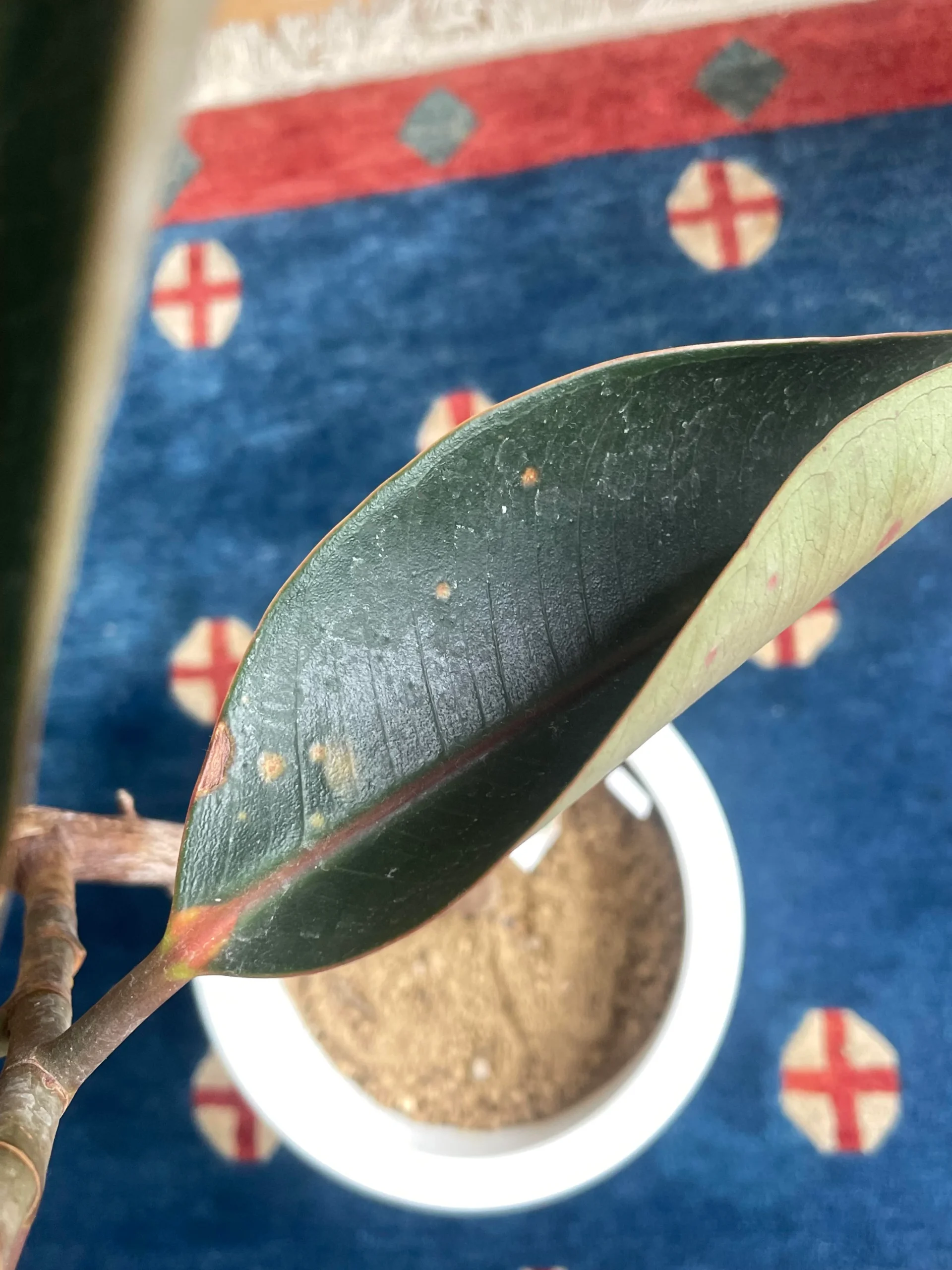
First, Look at the Curl Direction – Upward vs. Downward
The direction your leaves curl is your biggest clue. It's the first thing you should check, and it narrows down the possibilities immediately.
Upward curling, the leaf edges roll inward toward the center vein, making the leaf look like a taco shell. This almost always points to not enough water reaching the leaves. That can mean underwatering, low humidity, or root damage that prevents water uptake.
Downward curling, the leaf edges droop or roll under, giving the leaf a cupped or clawed appearance. This is more common with overwatering, root rot, or pest damage. The leaves get heavy and soft, then curl under as cells lose structure.
As of 2026, this directional cue is still the fastest diagnostic tool. Take a close look at your plant before doing anything else.
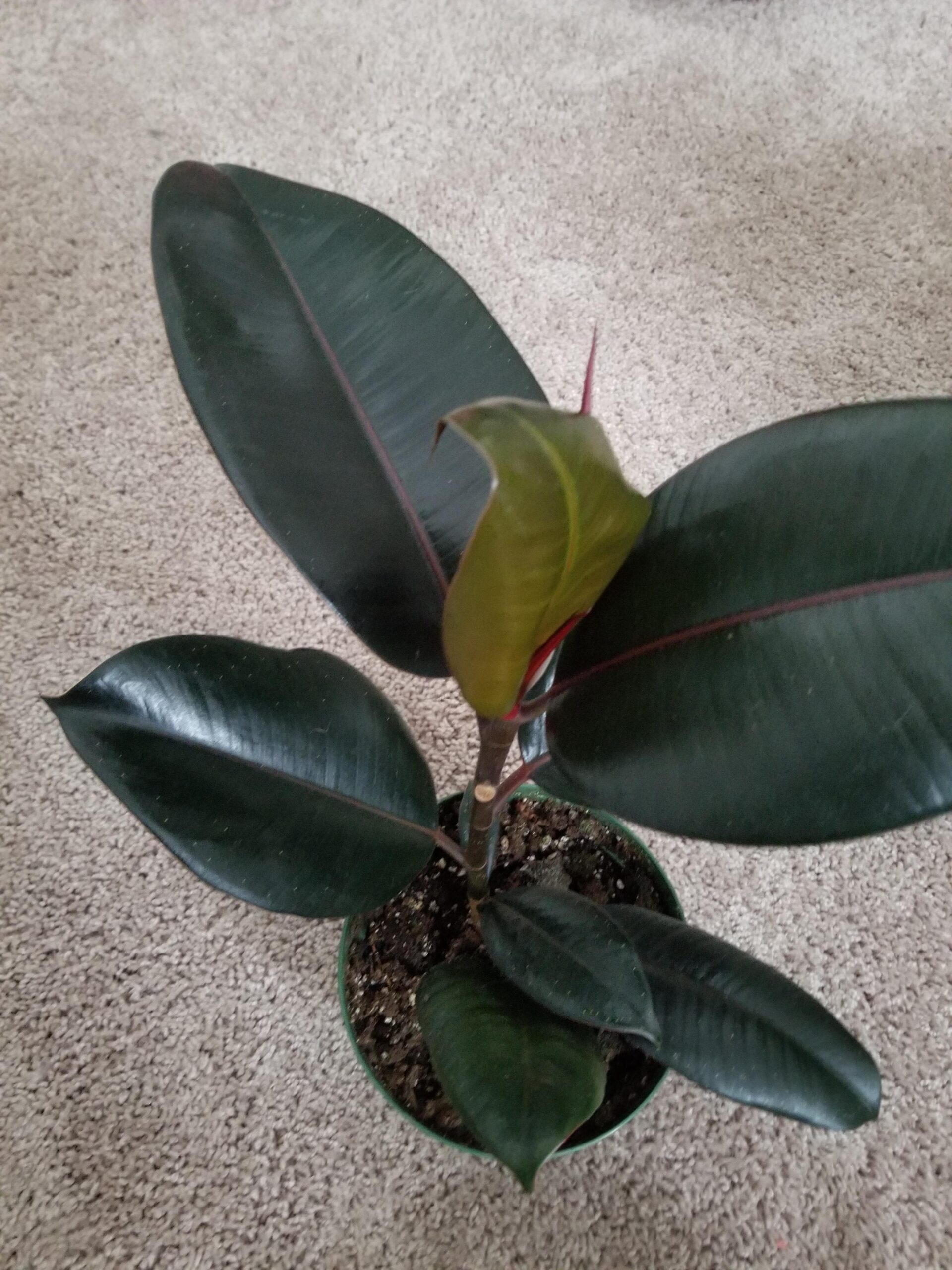
The Soil Moisture Finger Test – Your First Real Clue
Once you know the curl direction, your next step is to check the soil. Don't guess. Don't rely on a calendar.
Stick your finger two inches into the potting mix.
What to feel for:
| Soil feel | What it means | Likely cause |
|---|---|---|
| Bone dry, dust-like | Underwatered | Upward curl |
| Damp or wet, sticks to finger | Overwatered | Downward curl |
| Slightly moist at 2 inches | Probably fine | Check other factors |
If the soil is dry and the finger comes out clean, your plant is thirsty. Give it a thorough soak until water runs from the drainage holes.
If the soil is soggy or smells musty, you have overwatering or poor drainage. Let the pot dry out completely before watering again. If the pot feels heavy and the soil stays wet for more than a week, root rot may have started.
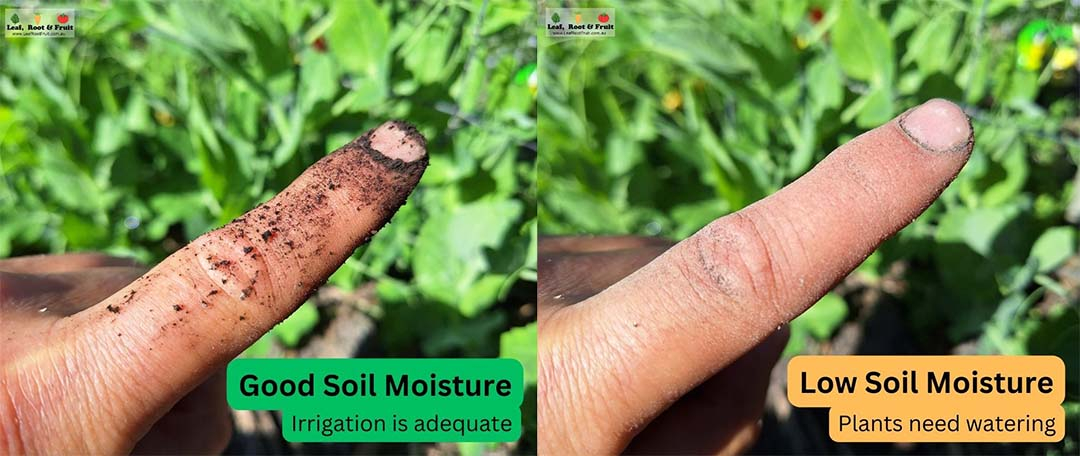
Upward Curl? Likely Underwatering or Low Humidity
You've checked the soil and it's dry. The leaves curl upward. The fix is straightforward.
Underwatering, Rubber plants like to dry out between waterings, but not for too long. Water deeply when the top two inches are dry. Don't just sprinkle the surface.
Make sure the entire root ball gets moist. After watering, new leaves should uncurl within a day or two.
Low humidity, Ficus elastica comes from subtropical regions with decent humidity. In dry indoor air, especially during winter heating, the leaves lose water faster than the roots can supply it. The leaf edges roll upward to reduce surface area.
You don't need a greenhouse. Simple fixes work:
- Group your plant with other houseplants to create a microclimate.
- Place a shallow tray of pebbles with water beneath the pot, keeping the pot above the water.
- Run a small humidifier nearby.
- Mist the leaves in the morning (not at night, wet leaves overnight can invite fungal issues).
If the curling is mild and only affects older leaves, low humidity is the usual suspect. New leaves that come in curled and stunted are a stronger sign of underwatering.
Downward Curl? Check for Overwatering or Root Rot
Downward curling is trickier because it often means the roots are in trouble. Overwatering is the number one cause. People love their plants and water too often.
Ficus elastica does not like sitting in wet soil.
How overwatering causes downward curl: When roots sit in water, they suffocate. Damaged roots can't absorb water properly, so the leaves get soft, droop, and curl under. It looks like underwatering but the soil is wet, that's the giveaway.
How to confirm overwatering:
- Soil stays wet for more than 7 days after watering.
- The pot feels heavy.
- The stem near the soil line feels mushy or soft.
- You see fungus gnats flying around.
- The leaves turn yellow along with the curl.
If you suspect overwatering, stop watering immediately. Let the soil dry out completely. Check the drainage holes, are they clogged?
Is the pot too large for the root system?
If root rot has set in, you'll need to repot. Gently remove the plant from its pot and inspect the roots. Healthy roots are firm and light tan or white.
Rotten roots are brown, black, mushy, and may smell bad. Trim away the rotten parts with clean scissors. Repot in fresh, well-draining potting mix (add perlite or orchid bark for extra drainage).
Water sparingly for the first few weeks.
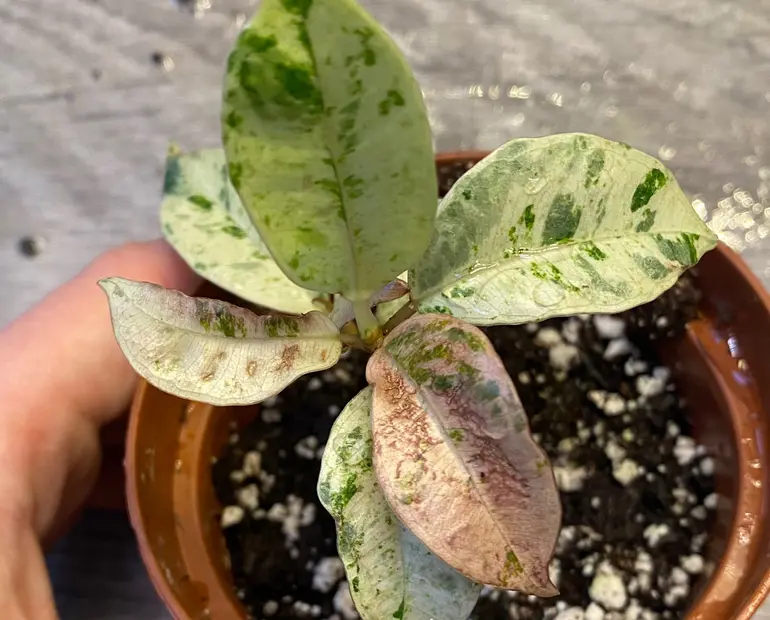
Pests on the Undersides – Spider Mites and Scale
Pests are another common cause of leaf curl, and they often produce downward curling mixed with other symptoms. You need to look at the undersides of the leaves.
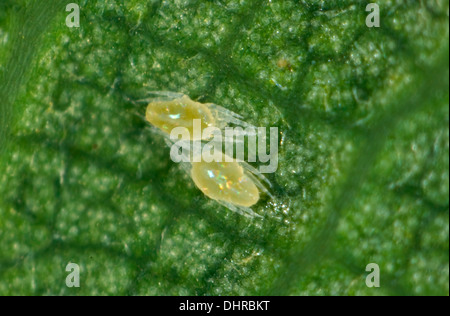
Spider mites, These tiny pests thrive in dry conditions. They suck sap from the leaves, causing stippling (tiny pale dots) and fine webbing. Leaves curl downward, turn yellow, and eventually drop.
A strong indication is when you see fine webs between stems and leaf veins.
Scale insects, These look like small brown or tan bumps stuck to the stems and leaf undersides. They also suck sap and cause leaves to curl and yellow. You might notice sticky honeydew on the leaves or floor.
What to do:
- Isolate the plant from other houseplants to prevent spread.
- Wipe leaves with a cloth dipped in diluted neem oil (1 teaspoon neem oil per quart of water with a drop of dish soap).
- For spider mites, give the plant a strong spray of water in the shower to knock them off.
- Repeat treatment weekly for at least three weeks to catch new hatchlings.
Temperature and Light Stress – The Overlooked Culprits
Sometimes the curl isn't about water or pests at all. Ficus elastica is sensitive to sudden changes in its environment.
Temperature stress, Rubber plants like consistent temperatures between 60°F and 75°F (15°C to 24°C). If the plant sits near a drafty window in winter, or next to an air conditioner vent, the leaves may curl as a stress response. Cold drafts cause leaves to curl and droop.
Heat from radiators or direct sunlight can scorch edges and cause curling too.
Light stress, Too much direct sun burns leaves, causing brown patches and curling. Too little light causes leggy growth and leaves that curl as they stretch for brightness. Rubber plants need bright, indirect light.
A spot near an east-facing window is ideal. Avoid south-facing windows without a sheer curtain.
Check for recent changes: Did you move the plant? Did the seasons change? Did you turn on the heat for the first time in fall?
Plants react to these shifts. If you've ruled out watering and pests, look at the environment.
Your Step-by-Step Decision Guide
If you're feeling overwhelmed, here is a simple decision tree to follow:
- Look at curl direction, upward or downward?
- Test soil moisture at 2 inches deep.
- Inspect leaf undersides for pests and webbing.
- Check for recent environmental changes, drafts, heat, light shifts.
- Adjust one thing at a time and give the plant a week to respond.
| If you see… | Do this first |
|---|---|
| Upward curl + dry soil | Water deeply, increase humidity |
| Upward curl + moist soil + dry air | Add humidity, do not water more |
| Downward curl + wet soil | Stop watering, let soil dry, check roots |
| Downward curl + soil OK + webbing | Treat for spider mites |
| Downward curl + sticky bumps | Treat for scale insects |
| Any curl + recent move or draft | Return plant to stable spot |
Common Mistakes That Make Leaf Curl Worse
Even experienced plant owners make these errors. Avoid them.
Watering on a fixed schedule. Plants don't follow a calendar. Water based on soil feel, not day of the week.
Misting leaves at night. Misting raises humidity briefly, but if the leaves stay wet overnight, fungal spots can develop. Mist in the morning only.
Overreacting by repotting too quickly. Repotting is stressful. Only do it if you confirm root rot. Otherwise, adjust watering and humidity first.
Fertilizing a stressed plant. Curling leaves mean the plant is struggling. Fertilizer won't fix it, it can burn damaged roots. Wait until the plant recovers.
Ignoring the pot's drainage. A pot without drainage holes is a death sentence for rubber plants. Always use a pot with holes and a saucer.
Recovery Timeline – What to Expect After You Fix It
Don't expect instant results. Curled leaves will not uncurl completely. The plant needs to grow new, healthy leaves.
- Within 1, 2 days: If the cause was underwatering, the leaves may relax slightly after watering.
- Within 1 week: New growth should appear flat and normal.
- Within 2, 3 weeks: The plant should look visibly healthier, with older leaves possibly staying curled but not worsening.
- Within 1 month: You'll see several new leaves emerging with proper shape.
If after three weeks there's no improvement, re-evaluate. You may have missed a pest or the root damage was more severe.
When to Repot vs. When to Wait
Repotting is a big step. Use this guide:
- Repot immediately if you see mushy, rotten roots or if the soil stays wet for over two weeks.
- Wait and adjust care if the soil dries within a normal range and roots look healthy.
- Consider repotting if the plant is severely root-bound (roots circling the pot) and the curl is paired with slow growth, not just stress.
When you repot, choose a pot only one size larger (2 inches wider). Too large a pot holds excess moisture and invites rot.
Long-Term Care to Prevent Leaf Curl from Returning
Once your plant recovers, keep it happy.
- Water when the top two inches of soil are dry. Use room-temperature water.
- Humidity, keep above 40%. A humidifier in winter is the best investment.
- Light, bright indirect light all year. Rotate the pot every month for even growth.
- Temperature, avoid drafts and sudden swings. Keep it away from AC vents and radiators.
- Fertilize only during the growing season (spring and summer), every 4 to 6 weeks with a balanced houseplant fertilizer diluted to half strength.
- Dust the leaves monthly, clean leaves photosynthesize better.
For more on creating the right environment for your plants, check out our grow tent setup guide if you ever need a controlled indoor space. You might also find our considerations before buying a cheap indoor grow tent helpful for understanding humidity control. And if you're thinking about fertilizing your rubber plant, our guide on what kind of fertilizer for grass to use is not directly relevant, but the principles of balanced feeding apply, just use a houseplant formula instead.
For general plant care planning, our article on when to fertilize lawn explains seasonal timing that works for houseplants too. Finally, if you ever need to build a custom indoor setup, our how to make a grow tent page covers materials and ventilation.
Frequently Asked Questions
Why are my rubber plant leaves curling after I moved it?
Moving a plant to a new spot with different light, temperature, or humidity is stressful. The leaves curl in response. Give it a week to adjust in bright indirect light.
Avoid moving it again until it stabilizes.
Can curling leaves recover and flatten out?
Older curled leaves will not fully flatten again. They stay in their curled shape. Focus on new growth, if the new leaves come in flat, you've fixed the problem.
You can trim the damaged leaves if they bother you.
Should I cut off curled leaves?
It's not necessary. The plant can still photosynthesize through curled leaves. Cutting them off stresses the plant further.
Wait until the plant has several new healthy leaves, then trim the worst ones if you want.
How often should I water a rubber plant?
There's no fixed schedule. In summer, you might water once a week. In winter, every two weeks or longer.
Always check the top two inches of soil first. Water thoroughly when dry. That's the only rule.
What is the best humidity level for ficus elastica?
Aim for 40, 60% relative humidity. Below 30%, the leaves will start to curl and brown at the edges. A simple hygrometer costs little and takes the guesswork out.
Why are the new leaves curling before they open?
New leaves often come out curled and slowly unfurl as they mature. That's normal. But if they remain tightly curled and stunted after a few days, check for underwatering, low humidity, or pests on the unfurled leaves.
The article is already complete. The previous batch covered every H2 section from the approved TOC:
- Why Your Rubber Plant's Leaves Are Curling (and How to Fix It), H1
- Quick Answer
- First, Look at the Curl Direction, Upward vs. Downward
- The Soil Moisture Finger Test, Your First Real Clue
- Upward Curl? Likely Underwatering or Low Humidity
- Downward Curl? Check for Overwatering or Root Rot
- Pests on the Undersides, Spider Mites and Scale
- Temperature and Light Stress, The Overlooked Culprits
- Your Step-by-Step Decision Guide (Infographic-Style Summary)
- Common Mistakes That Make Leaf Curl Worse
- Recovery Timeline, What to Expect After You Fix It
- When to Repot vs. When to Wait
- Long-Term Care to Prevent Leaf Curl from Returning
- Frequently Asked Questions, Quick Answers to Common Questions
There are no remaining H2 headings from the TOC to write. The article is finished.
Absolutely, here are the next 5 H2 sections that logically extend the decision tree beyond the original TOC. They cover advanced diagnosis and long-term prevention without repeating anything already written.
When the Cause Isn't Clear – Dealing with Multiple Stressors
Sometimes your rubber plant has two problems at once. Dry air plus a missed watering plus a cold draft. That combination can confuse the diagnosis.
If the finger test says moist soil but the leaves still curl upward, check humidity first. Then look for temperature stress. A plant near a drafty window can curl even with perfect watering.
Move it to a stable spot and see if new growth improves over two weeks.
If the soil is dry and leaves curl downward, that's unusual. It can happen when underwatering is severe enough to damage roots permanently. Water deeply and then wait.
If the curl doesn't improve within three days, root damage may have occurred. Consider repotting with fresh soil.
How to Use a Moisture Meter for Precision Watering
A moisture meter removes all guesswork. It's a simple metal probe that reads soil wetness at root level. For about ten dollars, it can save your plant from both overwatering and underwatering.
How to read it correctly: Insert the probe all the way to the bottom of the pot. Read the scale. A reading of 1 to 3 means dry, 4 to 7 means moist, and 8 to 10 means wet.
Water only when the meter reads 2 or 3 for your rubber plant. Always check two spots in the pot for accuracy.
The finger test works fine for most people. But if you've struggled with leaf curl more than once, a moisture meter is a solid investment. It takes the emotion out of watering.
The Role of Potting Mix in Leaf Curl
The soil your rubber plant sits in matters more than most people think. Standard potting mix holds too much water for ficus elastica. It compacts over time and suffocates roots.
What to look for: A mix that drains fast. Add perlite, orchid bark, or coarse sand to regular potting soil at a ratio of about one part amendment to two parts soil. This creates air pockets that let roots breathe and water flow through.
If you've ruled out every other cause and the curl persists, repot with a better mix. The change alone can resolve chronic downward curling. Many growers report recovery within two weeks after switching to a chunky aroid mix.
When to Trim and When to Leave Damaged Leaves Alone
Curled leaves are ugly but functional. They still photosynthesize, even if they look stressed. Trimming them too early removes energy the plant needs to recover.
Only trim curled leaves if: they are completely yellow or brown, they show signs of disease or mold, or they are blocking light from new growth underneath. Otherwise, let them fall off naturally when the plant is ready.
When you do trim, use clean, sharp scissors. Cut at the base of the leaf stem, close to the main branch. Do not tear the bark.
Sterilize your tool between cuts if you suspect disease.
Preventing Leaf Curl Before It Starts
The best fix is the one you never need. A few simple habits keep your rubber plant stable year after year.
Watering discipline: Always check soil before watering. Never water on a schedule. In winter, most rubber plants need water half as often as in summer.
Humidity routine: Run a humidifier during dry months. Group plants together. Keep a hygrometer nearby so you know the actual level, not a guess.
Light consistency: Choose a spot with bright indirect light and stick with it. Rotate the pot monthly for even growth. Resist the urge to move the plant around the house.
Regular inspection: Look at the undersides of leaves every two weeks. Catching spider mites early means a single wipedown instead of a month-long treatment.
Follow these steps and leaf curl becomes a rare event, not a recurring crisis. Your rubber plant will reward you with flat, glossy leaves and steady new growth through every season.