Tired of basic planters cluttering your space? Repurposing glass bottles offers a unique, sustainable way to bring greenery into your home and garden. These charming containers can transform discarded bottles into miniature worlds, vibrant herb gardens, or eye-catching decorative accents.
With a little creativity, you can craft stunning pieces that are as eco-friendly as they are beautiful.
These upcycled gardens aren't just about aesthetics; they're a nod to resourceful living. As of 2026, the interest in sustainable home practices continues to grow, making projects like these increasingly popular. Ready to explore how you can turn empty bottles into plant-filled treasures?
Let's dive into some inspiring glass bottle garden ideas that are sure to spark your imagination.
Quick Answer
Glass bottle gardens offer creative ways to display plants using repurposed containers. Ideas include closed terrariums for miniature ecosystems, open planters for small herbs, and vertical garden structures from stacked bottles. These projects prioritize sustainability and unique garden decor.
Key considerations involve proper bottle preparation, plant selection, and careful watering to ensure plant health.
Why Visuals Make Glass Bottle Gardens Shine
When we talk about creative gardening, seeing is believing. Glass bottle gardens, in particular, are topics where visuals truly make all the difference. It’s one thing to describe a concept, but it’s another to actually see the stunning transformations that are possible.
These projects aren't just about function; they’re about form, light, and how a simple bottle can become a stage for vibrant plant life.
Showcase: Stunning Bottle Planter Designs
You can find an incredible range of inspirations just by looking at how others have reimagined glass bottles. From sleek, modern terrariums that mimic a natural enclosed environment to colorful, whimsical arrangements that add character to a patio, the possibilities are vast. When you look at examples, you’ll notice how different bottle shapes, like wine bottles, spirit bottles, or even old mason jars, lend themselves to unique gardening applications.
The way light plays through the glass is a key part of their charm, highlighting the plants within and casting interesting shadows.
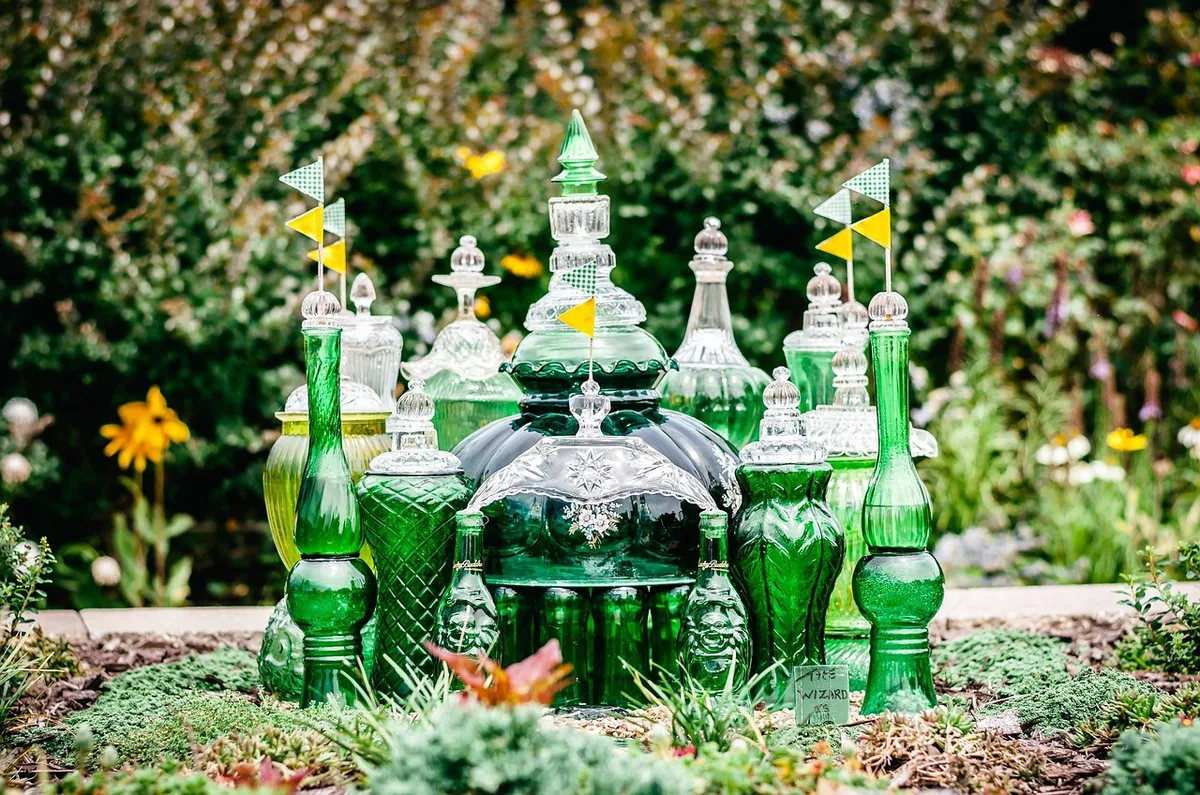
Showcase: Whimsical Bottle Garden Accents
Beyond just planters, glass bottles can become playful decorative elements in your garden. Think about creating pathways lined with bottle bottoms, or assembling them into garden sculptures that catch the sun. Even simple arrangements of bottles filled with colorful pebbles and a single succulent can add a pop of unexpected charm.
These touches often become conversation starters and demonstrate a personal flair for eco-conscious décor.
Getting Started: Prepping Your Glass Bottles
Before you can turn a discarded bottle into a blooming success, proper preparation is key. It might seem straightforward, but a little extra care during this initial stage can prevent future problems and ensure your plant's environment is clean and healthy. This involves more than just a quick rinse; it's about creating a safe and sterile home for your new plant friends.
Cleaning and Sanitizing Bottles for Planting
The first step is thorough cleaning. You want to remove any residue from the bottle's original contents, as well as dirt, dust, or grime. A good scrub with warm, soapy water is essential.
For tougher residues, a gentle scrub brush can help. After washing, it's crucial to sanitize. Many common household germs or mold spores can linger on glass.
Immersing the bottles in a solution of one part bleach to nine parts water for about 10 minutes is an effective way to sanitize them. Rinse thoroughly with clean water afterward to remove any bleach scent. Letting them air dry completely, preferably upside down on a rack, ensures no moisture is trapped inside.
Handling Glass Safely (If Cutting is Involved)
If your glass bottle garden ideas involve cutting the bottles to create wider openings or specific shapes, absolute safety is paramount. This process should only be attempted with the right tools and proper precautions. Specialized glass cutters are required, and it’s vital to follow manufacturer instructions precisely.
Always wear thick, sturdy gloves and safety glasses to protect your hands and eyes from sharp glass shards. A consistent scoring line is crucial for a clean break. After cutting, sandpaper or a grinding tool should be used to smooth any sharp edges, preventing injuries when you handle the bottle or during planting.
If you're not experienced with glass cutting, it's often safer to opt for designs that don't require modifying the bottle's shape.
Crafting Your Glass Bottle Garden: Key Approaches
Once your bottles are prepped, you can start thinking about the actual garden design. The type of glass bottle garden you create will depend on the plants you want to grow and the aesthetic you're aiming for. There are a few main pathways you can take, each offering a different experience and requiring slightly different techniques.
Terrarium Bottles: Building a Miniature Ecosystem
A closed terrarium is essentially a self-sustaining miniature ecosystem sealed within a glass bottle. These are fantastic for plants that love high humidity and don't require frequent watering, like mosses, ferns, and some tropical plants. The process involves creating distinct layers: first, a base of gravel or pebbles for drainage, followed by a thin layer of activated charcoal to help filter water and prevent odors.
Next comes a layer of potting mix, specifically formulated for terrariums, which should be slightly moist but not soggy.
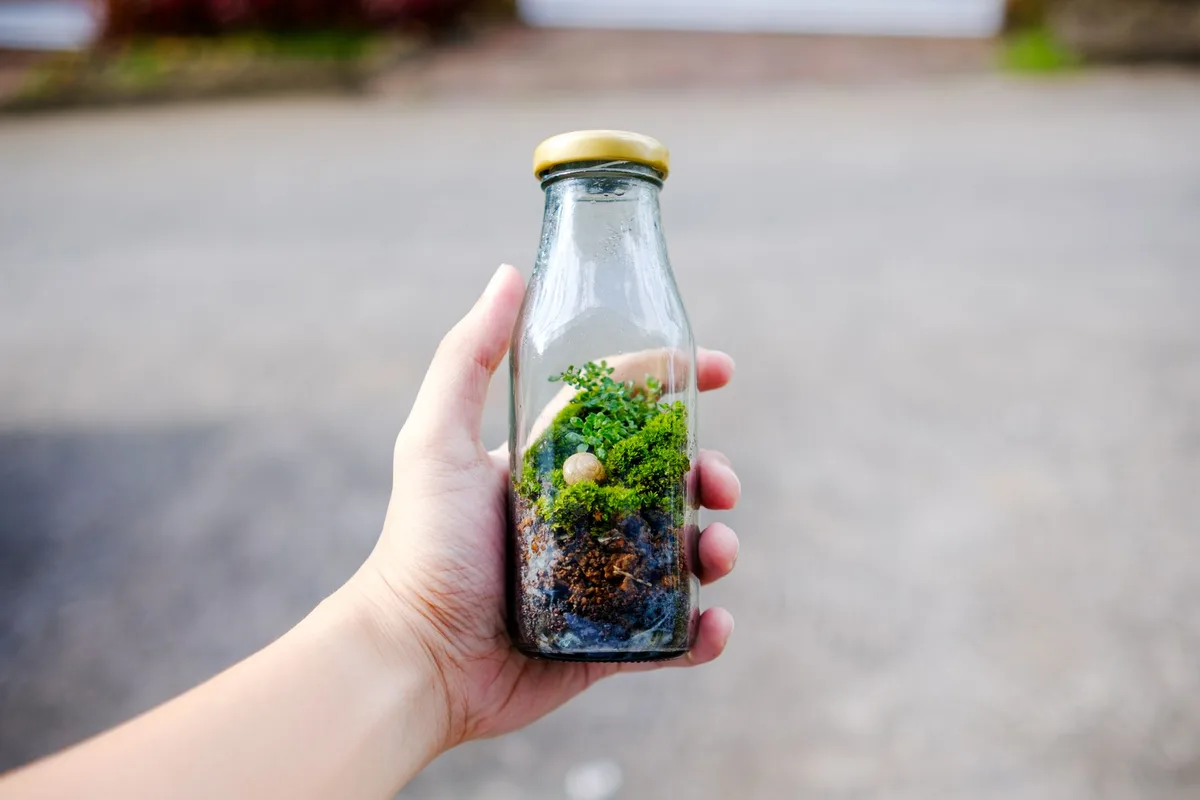
Once the layers are in place, you carefully introduce your chosen plants. Small, slow-growing varieties are best. After planting, give it a light misting of water, then seal the bottle.
Over time, condensation will form on the inside walls, illustrating the plant's natural water cycle. If too much condensation builds up, you might need to open the bottle for a few hours to let it air out. These sealed gardens can thrive for years with minimal intervention.
Open Bottle Planters: For Herbs and Small Blooms
For plants that prefer drier conditions or need more airflow, an open bottle planter is a better choice. This approach typically involves cutting the top off a bottle to create a wider opening. This allows for easier access for watering, pruning, and better air circulation, which is crucial for succulents, cacti, or small flowering plants.
Similar to terrariums, you'll want to ensure good drainage. A layer of gravel at the bottom is still a good idea, even without a seal.
When planting, use a well-draining potting mix suitable for your chosen plants. For succulents, a cactus-specific mix works wonderfully. Ensure you don't overwater; these plants are more prone to root rot if kept too wet.
Watering should be done sparingly, allowing the soil to dry out completely between waterings. These open planters are excellent for windowsills or small tabletops, bringing a touch of green to compact spaces.
Vertical Bottle Garden Structures
If space is really at a premium, or you're looking to make a striking visual statement, a vertical bottle garden might be your answer. This involves arranging multiple bottles one above the other, often creating a cascade effect. This can be achieved by cleverly cutting bottles to fit together, or by using frames, wires, or even sturdy shelving to support them.
Each bottle can house a different plant, creating a living tapestry of greenery.
The key to a successful vertical garden is stability and an effective watering system. You'll want to secure the bottles so they don't topple. For watering, consider how water will flow from one level to the next.
Some designs incorporate a drip system or a method where watering the top bottle allows excess water to drip down to the ones below. This approach is fantastic for growing small herbs or trailing plants, making excellent use of wall space.
Choosing the Right Plants for Your Bottle Garden
The success of your glass bottle garden hinges significantly on selecting the right plants. Not every plant will thrive in the confined and often unique conditions that a glass bottle presents. Understanding what works best will save you a lot of frustration and ensure your miniature garden flourishes.
Small Plants That Thrive in Bottles
For closed terrariums, think miniature and moisture-loving. Mosses are ideal as they stay small and love humidity. Small ferns, like button ferns or maidenhair ferns, also do well.
Certain slow-growing varieties of creeping plants, such as Pilea glauca or creeping fig, can add a lovely texture. Avoid anything that grows large or quickly, as it will quickly outgrow the space and require maintenance that's difficult in a closed environment. Per the standards for growing in contained environments, humidity-loving plants are best suited for sealed systems.
For open bottle planters, succulents and cacti are excellent choices. Their arid-loving nature means they can tolerate the dryness that often comes with limited watering, and they don't mind the good airflow. Small varieties of air plants (Tillandsia) can also be placed inside bottles, provided they are well-ventilated and removed for soaking periodically.
Miniature orchids or small, dwarf flowering plants can also work, but they’ll require more specific care and potentially more frequent watering.
Light and Water Needs for Bottle Garden Flora
Understanding each plant's specific light and water requirements is crucial. In closed terrariums, plants receive filtered light as the sun’s rays pass through the glass, which can sometimes intensify. Direct, harsh sunlight can scorch plants inside a glass container.
Therefore, bright, indirect light is usually best. Watering is minimal; the goal is to maintain consistent moisture without waterlogging the soil, mimicking the natural water cycle.
For open planters, especially with succulents, you’ll want to mimic their native arid or semi-arid environments. This often means bright light, sometimes including a few hours of direct sun, depending on the species. Watering frequency is much lower than for terrarium plants, and it's essential to let the soil dry out completely between waterings.
Overwatering is the most common killer of succulents, so err on the side of caution.
The Good and The Not-So-Good: Pros and Cons
Like any gardening project, glass bottle gardens come with their own set of advantages and disadvantages. Weighing these out will help you decide if they're the right fit for your gardening ambitions and your available space.
Benefits: What Makes Bottle Gardens Great
- Unique Aesthetics: They offer a distinctive look that standard planters just can't match, transforming waste into decorative art.
- Sustainability: Repurposing glass reduces landfill waste and gives old bottles a new lease on life.
- Space Efficiency: Ideal for small apartments, balconies, or windowsills where traditional pots might not fit.
- Low Maintenance (for some): Closed terrariums can be very low-maintenance once established, requiring watering only a few times a year.
- Conversation Starters: Their unusual nature makes them interesting focal points and talking points.
Drawbacks: Challenges to Watch Out For
- Watering Difficulty: Overwatering or underwatering can be challenging to manage, especially in closed systems or bottles with narrow openings.
- Drainage Issues: Lack of proper drainage can lead to root rot, a common problem if not addressed with a gravel layer.
- Bottle Breakage: Glass can break, posing a safety risk and destroying the garden.
- Limited Plant Choices: The size and shape of the bottle restrict the types and sizes of plants that can be grown.
- Algae Growth: In clear bottles exposed to excessive light, algae can form on the glass, obscuring the view and potentially harming plants.
- Cleaning Hassles: Thoroughly cleaning the inside of a bottle, especially after periods of use, can be difficult.
Common Glass Bottle Garden Mistakes to Skip
To help you get the most enjoyment from your glass bottle garden projects, it’s worth knowing about the pitfalls others have encountered. Avoiding these common errors will set you up for success and help your plants thrive.
Watering Woes: Over and Underwatering
This is probably the most frequent issue. In a closed terrarium, the water cycle is self-contained. If you see heavy condensation covering the glass all day, it’s too wet.
You need to open the bottle for a few hours to let excess moisture evaporate. If you rarely see condensation and the soil looks dry, it needs a light watering. For open planters, especially with succulents, the rule of thumb is to let the soil dry out completely between waterings.
Use a long, slender watering can or a spray bottle to direct water to the soil around the plant's base, avoiding soaking the leaves.
Drainage Dilemmas and How to Solve Them
Lack of drainage is a critical failure point. If water can't escape the soil, it saturates the roots, leading to root rot. Every glass bottle garden, whether open or closed, benefits from a drainage layer.
This typically involves adding about an inch or two of gravel, pebbles, or LECA (lightweight expanded clay aggregate) at the very bottom of the bottle. This layer creates a reservoir for excess water to collect, keeping it away from the plant's roots. On top of the drainage layer, a thin barrier of horticultural charcoal helps prevent stagnant water from becoming smelly and filters impurities.
Plant Selection Slip-Ups
Choosing plants that are too large, grow too fast, or have vastly different needs is a recipe for disaster. For closed terrariums, prioritize small, humidity-loving plants. For open planters with succulents, select drought-tolerant, relatively slow-growing varieties.
Always check the mature size of a plant before you put it into a bottle. If you're combining plants, ensure they have similar light and watering requirements. Researching plant suitability for confined environments is far more effective than experimenting blindly.
Expert Tips for Beautiful Bottle Gardens
Beyond the basics, a few expert insights can elevate your glass bottle gardens from simple projects to stunning displays. Consider how light interacts with the glass and plants. For example, positioning an open bottle garden with succulents in a spot that gets morning sun can encourage vibrant colors.
In closed terrariums, rotating the bottle occasionally can ensure even growth and prevent plants from leaning too heavily in one direction.
When dealing with narrow openings, using long-handled tools like tweezers or specialized terrarium tools becomes essential for precise planting and arrangement. Think about adding decorative elements like small stones, driftwood, or even tiny figurines to create a miniature landscape within the bottle. These details can turn a simple planter into an intricate work of art.
Ideas for Every Space: Where to Place Your Bottle Gardens
The beauty of glass bottle gardens is their versatility. They can fit into almost any space, transforming overlooked corners into vibrant green oases. Whether you have a sprawling garden or just a tiny windowsill, there’s a bottle garden solution for you.
Balcony and Small Space Solutions
For urban dwellers or those with limited outdoor space, balconies and windowsills are prime real estate. A vertical bottle garden can adorn a bare wall, adding greenery without taking up floor space. Even a few well-placed open bottle planters on a railing can create a charming miniature herb garden.
These solutions bring life and color to compact areas, making them feel more inviting and personalized. For those looking to create more contained growing environments, understanding grow tent size guide can offer inspiration for managing limited spaces indoors.
Indoor Windowsill Displays
Windowsills are natural hotspots for light, making them perfect for plant displays. A collection of varied glass bottles, each housing a small succulent or a tiny air plant, can create a dynamic and visually interesting arrangement. Closed terrariums also thrive on windowsills, offering a glimpse into a self-contained natural world.
Just be mindful of direct, intense sunlight, which can overheat glass containers and harm sensitive plants. If you're looking to improve indoor growing conditions, exploring how to make a grow tent might offer insights into controlled environments.
Outdoor Garden Accents
Your garden or patio can also benefit from the charm of glass bottle creations. Imagine lining a garden path with bottles, their colored glass catching the sunlight, or using them as whimsical borders around flower beds. Larger spirit bottles, perhaps cut and stacked, can form unique decorative structures.
For a slightly different approach to garden enhancement, learning about the performance of cheap grow tent kits might inspire ideas for creating sheltered microclimates outdoors. Even simple arrangements on an outdoor table can add a touch of handmade elegance.
Frequently Asked Questions
What type of plants work best in glass bottle gardens?
For closed terrariums, small, humidity-loving plants such as mosses, ferns, and certain creeping varieties are ideal. For open planters, succulents, cacti, and air plants are good choices due to their tolerance for drier conditions and need for airflow.
How often should I water a closed glass bottle garden?
Closed terrariums require very infrequent watering, often only a few times a year. Watch for condensation levels; heavy condensation means it might be too wet and needs airing. If there's no condensation and the soil looks dry, a very light misting might be needed.
Can I cut glass bottles for my garden projects?
Yes, you can cut glass bottles, but it requires specific tools and safety precautions. Always wear heavy gloves and safety glasses. A glass cutter is necessary for scoring the glass, and a smooth, consistent break is key.
Sanding sharp edges afterward is crucial for safety.
What should I do if mold or algae grows inside my glass bottle garden?
If mold or algae appears, the environment might be too moist or have insufficient light. For closed terrariums, open the bottle for a few hours to increase airflow and reduce humidity. You may need to clean the inside if it's severe.
For open planters with algae on the glass, try wiping it with a long-handled brush. Adjusting light exposure is also important.
How do I ensure proper drainage in a glass bottle garden?
Always start with a drainage layer at the bottom of the bottle. This typically consists of about an inch or two of gravel, pebbles, or LECA. Above this, a thin layer of activated charcoal can help filter water and prevent odors.
This base prevents water from pooling around plant roots, which can lead to rot.