
Figuring out how long you should leave your plants in the rain isn't a simple, one-size-fits-all answer. It depends quite a bit on the specific plant, its location, and how heavy the downpour is. Getting this balance right is super important for preventing root rot and keeping your green pals thriving.
As of 2026, horticultural research confirms that overwatering is a leading cause of plant death, even from natural sources like rain. Understanding these nuances helps you avoid common pitfalls and provide the best environment. Let’s break down what you need to consider before the next storm hits.
Quick Answer
Most established plants in well-draining soil can handle light to moderate rain for a day. However, sensitive plants or those in pots with poor drainage should be moved after a few hours of heavy rain. Always check soil moisture before deciding.
Why Not All Rain is a Treat for Your Plants
Rain can be a fantastic, natural watering source, and for many plants, it's pure bliss. It washes leaves clean and provides essential hydration. But, and this is a big but, too much of a good thing can quickly turn from beneficial to detrimental.
Think about it like us; we enjoy a good swim, but being submerged in water for days on end without coming up for air isn't exactly healthy or comfortable. The same applies to your plants.
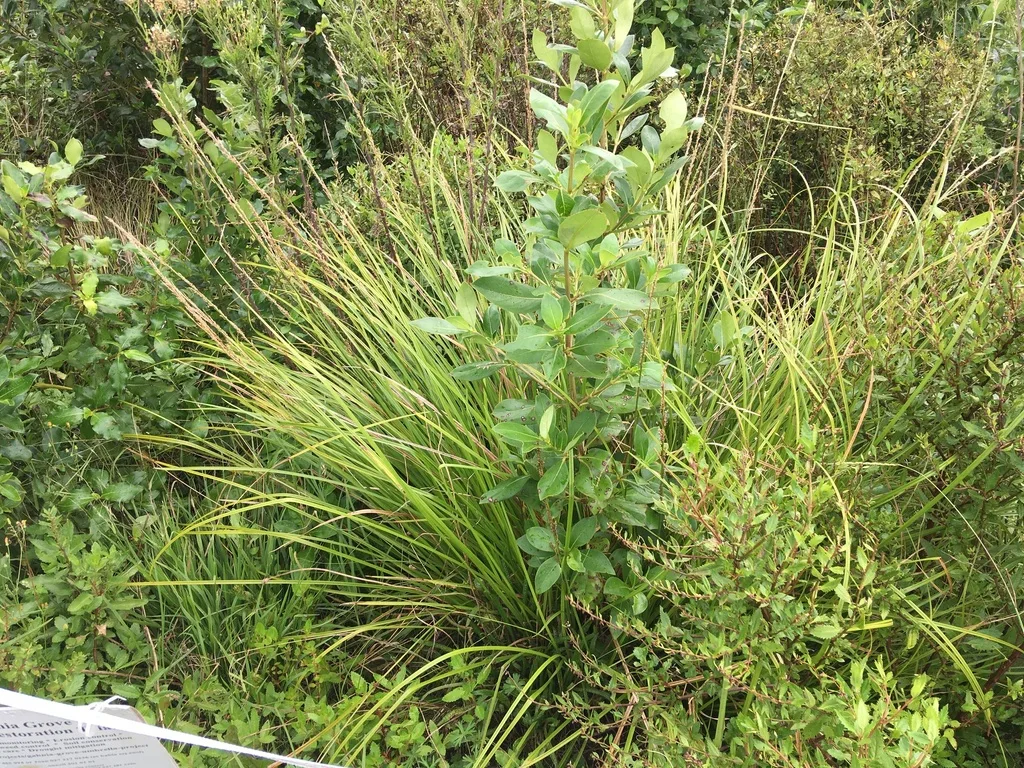
When plants sit in waterlogged soil for too long, their roots can’t get the oxygen they need to survive. This lack of air leads to a condition called anaerobic respiration, which is basically the start of root rot. Some plants are much more susceptible to this than others, making it crucial to know your plant's preferences.
For example, many desert-dwelling species, like cacti and succulents, are adapted to arid conditions and can suffer severe damage from prolonged wetness, with some research indicating root damage can begin within just 24 hours of constant saturation.
Your Plant's Needs: The First Big Variable
The most critical factor in deciding how long to leave plants in the rain is understanding what your specific plant actually needs. Different species have evolved in vastly different environments, and their requirements for water and drainage vary dramatically. What's a welcome drink for one might be a death sentence for another.
What Kind of Plant Is It? (Tropical vs. Desert vs. Seedling)
- Desert Dwellers (Cacti, Succulents, and their ilk): These plants are built for dry conditions. They store water in their leaves, stems, or roots, which means they're highly prone to rot if their roots stay consistently moist. For these tougher-looking but delicate-rooted plants, even a full day of steady rain might be too much, especially if they aren't in extremely well-draining soil. Many succulent species, for instance, prefer their soil to dry out completely between waterings.
- Tropical and Foliage Plants: Many of these plants come from environments with regular rainfall. They generally appreciate consistent moisture but can still suffer from waterlogged conditions. If your tropical plants are in pots, you'll want to be more watchful during prolonged downpours.
- Fruiting and Flowering Plants: Some plants benefit from a good soaking before they put energy into producing fruit or flowers. However, this doesn't mean they can sit in puddles. A gentle rain might be perfect, but a prolonged soaking could still lead to issues with flower or fruit drop.
- Seedlings and Young Plants: These are your most vulnerable crops. Their root systems are not yet well-established, making them less able to tolerate excess moisture and more prone to disease. They need careful monitoring and often benefit from being moved to a protected spot during heavy rains.
The Drainage Factor: How Water Leaves (or Stays)
Next up, let’s talk about drainage. This is absolutely fundamental to plant health, perhaps even more so than the rain itself. If water can't escape the root zone efficiently, you're setting yourself up for trouble, regardless of how much it rains.
Ground vs. Pot: A Crucial Difference
- In the Ground: Plants grown directly in the earth benefit from the soil's natural ability to absorb and drain water. If you have healthy soil with good aeration and organic matter, water typically percolates down away from the roots fairly quickly. Mature, established plants in well-amended garden beds are generally quite resilient to rain. However, if you have heavy clay soil that doesn't drain well, even plants in the ground can suffer from prolonged saturation.
- In Pots: This is where drainage becomes critical and often tricky. Potted plants rely entirely on the drainage holes in the container and the porosity of the potting mix. If the holes are blocked, or if the potting mix becomes compacted and waterlogged, the roots have nowhere to go. This is why it's vital to inspect your pots and the potting medium regularly. A common potting mix specification from horticultural suppliers recommends a blend that allows for at least 20% of its volume to be air space when saturated, ensuring good oxygen availability.
Rain Intensity: Light Drizzle vs. Deluge
The character of the rain itself plays a significant role. A gentle, consistent shower is very different from a sudden, torrential downpour. Think about how you’d feel: a light sprinkle might be pleasant, but being caught in a flash flood is dangerous and overwhelming.
- Light Shower: This is usually a welcome watering. Most plants, regardless of whether they're in pots or the ground, can handle this without issue.
- Steady Rain: A moderate, consistent rain for a few hours is generally fine for most plants, provided they have adequate drainage. Plants that appreciate consistent moisture will especially love this.
- Torrential Downpour: This is when you need to pay close attention, particularly to potted plants. The sheer volume of water can overwhelm even decent drainage systems. If your pots are sitting in saucers, these saucers will fill up quickly, effectively creating a mini-pond around the roots. In these situations, it's often best to move potted plants to a sheltered location.
Reading Your Plant: Signs It's Had Enough
Your plants are pretty good at communicating their needs, but sometimes their signals can be confusing. You might see wilting, which usually means thirst, but plants can also wilt when they’re overwatered. Learning to distinguish between these signals is key to responsive plant care.
Yellow Leaves and Mushy Stems: Overwatering Alert
This is perhaps the most classic sign that your plant is getting too much water and its roots are suffering. When roots are constantly saturated, they can't get enough oxygen. This leads to the roots dying off, and the plant can no longer absorb water or nutrients effectively.
As a result, leaves may turn yellow, often starting from the bottom of the plant, and may feel soft or mushy to the touch. Stems can also become soft and discolored.
Wilting When Wet: A Confusing Signal
It sounds completely counterintuitive, but a plant can wilt even when the soil is soaking wet. This happens when the root system has been damaged by prolonged waterlogging. The roots, unable to function properly due to lack of oxygen or outright rot, can no longer take up water.
Your plant essentially starves for water, even though it's sitting in a puddle. This is a critical indicator that the roots are compromised and need immediate attention, usually by moving the plant to a drier location and improving drainage.
The Decision Workflow: Letting Nature Take Its Course
So, how do you actually decide what to do? It's about putting all these pieces together. The goal is to let your plants enjoy the natural benefits of rain without succumbing to the risks of waterlogging.
Think of it as a step-by-step process to make the best call.
When to Let Them Soak It Up
For many established, healthy plants that are in the ground with good soil drainage, a normal rain event is usually a positive thing. If your soil is sandy or has plenty of organic matter, water will drain away efficiently. Plants that appreciate consistent moisture, like many vegetables and most flowering shrubs, can often benefit from several hours of rain.
Even some drought-tolerant species can handle a good soaking if their roots are in well-draining soil and the rain isn't continuous for days. If your area experiences regular rainfall patterns and your plants are adapted to them, letting nature water them can be ideal. For instance, during moderate to heavy spring rains, fertilizing your lawn with a spring formula is often timed to coincide with natural watering cycles.
When to Make a Move: Potted Plant Rain Management
This is where you need to be most proactive. Potted plants have a finite amount of soil and rely solely on the pot's drainage. If your plants are in containers and it’s raining heavily, or if the rain is forecast to be continuous for more than 24 hours, it’s often wise to move them.
For smaller plants, this might mean simply shifting them under an overhang, a porch, or into a garage or shed. Larger plants might need to be carefully repositioned to a spot where rain runoff is minimal or nonexistent. The key is to prevent them from sitting in standing water for extended periods.
This is particularly true for plants that are part of advanced gardening setups, such as those in specialized indoor grow rooms; while these control environments, moving plants outdoors for rain exposure still requires careful planning.
When to Let Them Soak It Up
For many established, healthy plants that are in the ground with good soil drainage, a normal rain event is usually a positive thing. If your soil is sandy or has plenty of organic matter, water will drain away efficiently. Plants that appreciate consistent moisture, like many vegetables and most flowering shrubs, can often benefit from several hours of rain.
Even some drought-tolerant species can handle a good soaking if their roots are in well-draining soil and the rain isn't continuous for days. For instance, during moderate to heavy spring rains, fertilizing your lawn with a spring formula is often timed to coincide with natural watering cycles.
When to Make a Move: Potted Plant Rain Management
This is where you need to be most proactive. Potted plants have a finite amount of soil and rely solely on the pot's drainage. If your plants are in containers and it’s raining heavily, or if the rain is forecast to be continuous for more than 24 hours, it’s often wise to move them.
For smaller plants, this might mean simply shifting them under an overhang, a porch, or into a garage or shed. Larger plants might need to be carefully repositioned to a spot where rain runoff is minimal or nonexistent. The key is to prevent them from sitting in standing water for extended periods.
This is particularly true for plants that are part of advanced gardening setups, such as those in specialized indoor grow rooms; while these control environments, moving plants outdoors for rain exposure still requires careful planning.
Common Mistakes: What Not to Do in a Downpour
Failing to consider your specific plant's needs is a big one. Blindly assuming all plants love prolonged rain is a recipe for disaster, especially for succulents and other drought-tolerant species. Another frequent oversight is not checking the drainage of pots, or assuming that just because a pot has holes, it can handle unlimited water.
Compacted soil, whether in the ground or in containers, drastically reduces drainage and increases the risk of waterlogging. It’s a bit like trying to drink through a clogged straw; the water simply won’t flow.
Mistakes also happen when people don't account for the duration of the rain. A few hours might be fine, but a full day or multiple days can be too much for even moderately tolerant plants. It's also easy to confuse general weather patterns with specific plant needs.
What works for a robust tomato plant in the garden isn't what works for a delicate fern in a terracotta pot.
Expert Advice for Rainy Days
Horticulturalists often emphasize the importance of "listening" to your plants and observing their environment. This means not just looking at the leaves, but also feeling the soil and understanding the plant's native habitat to infer its needs. For instance, if you know your Sansevieria (snake plant) hails from arid regions, you intuitively know it will not tolerate sitting in wet soil.
Manufacturer specifications for potting mixes often highlight aeration and drainage properties, with many commercial blends achieving a poros-ity of 25-30% to allow for essential root respiration.
When in doubt, err on the side of caution, particularly with potted specimens. Providing a temporary dry spot during extended wet periods is a simple preventive measure. This is no different for those managing specific horticultural environments; for example, when setting up specialized indoor grow rooms, careful consideration is given to drainage and ventilation systems, much like preparing for outdoor rain control.
For those building their own grow space, understanding these principles is crucial.
Your Rainy Day Plant Action Guide
Here’s a straightforward approach for managing your plants during rainy weather:
- Assess the Forecast: How heavy and how long will the rain last? A light sprinkle is different from a multi-day deluge.
- Know Your Plant: Is it a succulent needing dry feet, a tropical that likes moisture, or a seedling that’s extra sensitive? If you're unsure about a specific type, a quick search for its native climate can offer clues.
- Check Drainage:
- In Pots: Make sure drainage holes are clear. If pots are sitting in saucers, empty those after the rain stops.
- In Ground: Feel the soil. Does water pool, or does it drain within a few hours? Heavy clay soils drain poorly.
- Observe the Plant: Look for signs of distress like yellowing leaves or wilting.
- Decide:
- Light rain, good drainage, resilient plant: Leave it be.
- Heavy rain / prolonged rain, potted plants, sensitive plants: Move them to a sheltered area or ensure they are lifted out of standing water.
- Multi-day continuous rain: Even most outdoor plants can become waterlogged. Consider moving potted plants to a dry location.
This guided approach helps you respond appropriately and prevent damage before it occurs. It's about proactive care rather than reactive rescue.
When to Seek Expert Help
If you've tried to manage your plants' exposure to rain and they still show significant signs of distress, like rapid wilting, widespread leaf drop, or rot that you can't control, it might be time to consult a professional. This is especially true if you're dealing with valuable or rare specimens. A local master gardener, a horticulturalist at a nursery, or even a university extension office can offer tailored advice for your specific climate and plant collection.
They can help diagnose persistent issues that might stem from more than just rain, like soil-borne diseases or underlying nutrient deficiencies that are exacerbated by wet conditions.
For those managing more complex plant environments, like specialized indoor grow tents, issues with environmental control, pests, or disease management can also warrant expert consultation. Experts in controlled environment agriculture can offer insights into fine-tuning ventilation and irrigation management, ensuring plants thrive regardless of external weather.
When to Let Them Soak It Up
For many established, healthy plants that are in the ground with good soil drainage, a normal rain event is usually a positive thing. If your soil is sandy or has plenty of organic matter, water will drain away efficiently. Plants that appreciate consistent moisture, like many vegetables and most flowering shrubs, can often benefit from several hours of rain.
Even some drought-tolerant species can handle a good soaking if their roots are in well-draining soil and the rain isn't continuous for days. For instance, during moderate to heavy spring rains, fertilizing your lawn with a spring formula is often timed to coincide with natural watering cycles.
When to Make a Move: Potted Plant Rain Management
This is where you need to be most proactive. Potted plants have a finite amount of soil and rely solely on the pot's drainage. If your plants are in containers and it’s raining heavily, or if the rain is forecast to be continuous for more than 24 hours, it’s often wise to move them.
For smaller plants, this might mean simply shifting them under an overhang, a porch, or into a garage or shed. Larger plants might need to be carefully repositioned to a spot where rain runoff is minimal or nonexistent. The key is to prevent them from sitting in standing water for extended periods.
This is particularly true for plants that are part of advanced gardening setups, such as those in specialized indoor grow rooms; while these control environments, moving plants outdoors for rain exposure still requires careful planning.
Common Mistakes: What Not to Do in a Downpour
Failing to consider your specific plant's needs is a big one. Blindly assuming all plants love prolonged rain is a recipe for disaster, especially for succulents and other drought-tolerant species. Another frequent oversight is not checking the drainage of pots, or assuming that just because a pot has holes, it can handle unlimited water.
Compacted soil, whether in the ground or in containers, drastically reduces drainage and increases the risk of waterlogging. It’s a bit like trying to drink through a clogged straw; the water simply won’t flow.
Mistakes also happen when people don't account for the duration of the rain. A few hours might be fine, but a full day or multiple days can be too much for even moderately tolerant plants. It's also easy to confuse general weather patterns with specific plant needs.
What works for a robust tomato plant in the garden isn't what works for a delicate fern in a terracotta pot.
Expert Advice for Rainy Days
Horticulturalists often emphasize the importance of "listening" to your plants and observing their environment. This means not just looking at the leaves, but also feeling the soil and understanding the plant's native habitat to infer its needs. For instance, if you know your Sansevieria (snake plant) hails from arid regions, you intuitively know it will not tolerate sitting in wet soil.
Manufacturer specifications for potting mixes often highlight aeration and drainage properties, with many commercial blends achieving a porosity of 25-30% to allow for essential root respiration.
When in doubt, err on the side of caution, particularly with potted specimens. Providing a temporary dry spot during extended wet periods is a simple preventive measure. This is no different for those managing specific horticultural environments; for example, when setting up specialized indoor grow rooms, careful consideration is given to drainage and ventilation systems, much like preparing for outdoor rain control.
For those building their own grow space, understanding these principles is crucial.
Your Rainy Day Plant Action Guide
Here’s a straightforward approach for managing your plants during rainy weather:
- Assess the Forecast: How heavy and how long will the rain last? A light sprinkle is different from a multi-day deluge.
- Know Your Plant: Is it a succulent needing dry feet, a tropical that likes moisture, or a seedling that’s extra sensitive? If you're unsure about a specific type, a quick search for its native climate can offer clues.
- Check Drainage:
- In Pots: Make sure drainage holes are clear. If pots are sitting in saucers, empty those after the rain stops.
- In Ground: Feel the soil. Does water pool, or does it drain within a few hours? Heavy clay soils drain poorly.
- Observe the Plant: Look for signs of distress like yellowing leaves or wilting.
- Decide:
- Light rain, good drainage, resilient plant: Leave it be.
- Heavy rain / prolonged rain, potted plants, sensitive plants: Move them to a sheltered area or ensure they are lifted out of standing water.
- Multi-day continuous rain: Even most outdoor plants can become waterlogged. Consider moving potted plants to a dry location.
This guided approach helps you respond appropriately and prevent damage before it occurs. It's about proactive care rather than reactive rescue.
When to Seek Expert Help
If you've tried to manage your plants' exposure to rain and they still show significant signs of distress, like rapid wilting, widespread leaf drop, or rot that you can't control, it might be time to consult a professional. This is especially true if you're dealing with valuable or rare specimens. A local master gardener, a horticulturalist at a nursery, or even a university extension office can offer tailored advice for your specific climate and plant collection.
They can help diagnose persistent issues that might stem from more than just rain, like soil-borne diseases or underlying nutrient deficiencies that are exacerbated by wet conditions.
For those managing more complex plant environments, like specialized indoor grow tents, issues with environmental control, pests, or disease management can also warrant expert consultation. Experts in controlled environment agriculture can offer insights into fine-tuning ventilation and irrigation management, ensuring plants thrive regardless of external weather.