
Thinking about giving your fence a facelift with a fresh coat of spray paint? You're probably wondering, "how much does it cost to spray paint a fence?" It’s a smart question, as the final price can swing quite a bit depending on what you're looking at.
Generally, budget anywhere from $200 to $1,000, but that's a broad range. For instance, a basic DIY job on a smaller wooden fence might only set you back $50-$150 in materials. On the other hand, hiring professionals for a large, complex metal fence could easily climb to $1,000 or more. Paint and primer costs for a typical 100-foot fence can run from $50 to $150, while professional labor could add another $150 to $850, according to industry estimates.
Let's dig into the details to help you pinpoint your project's cost.
Is Spray Painting Your Fence the Right Choice for Your Budget?
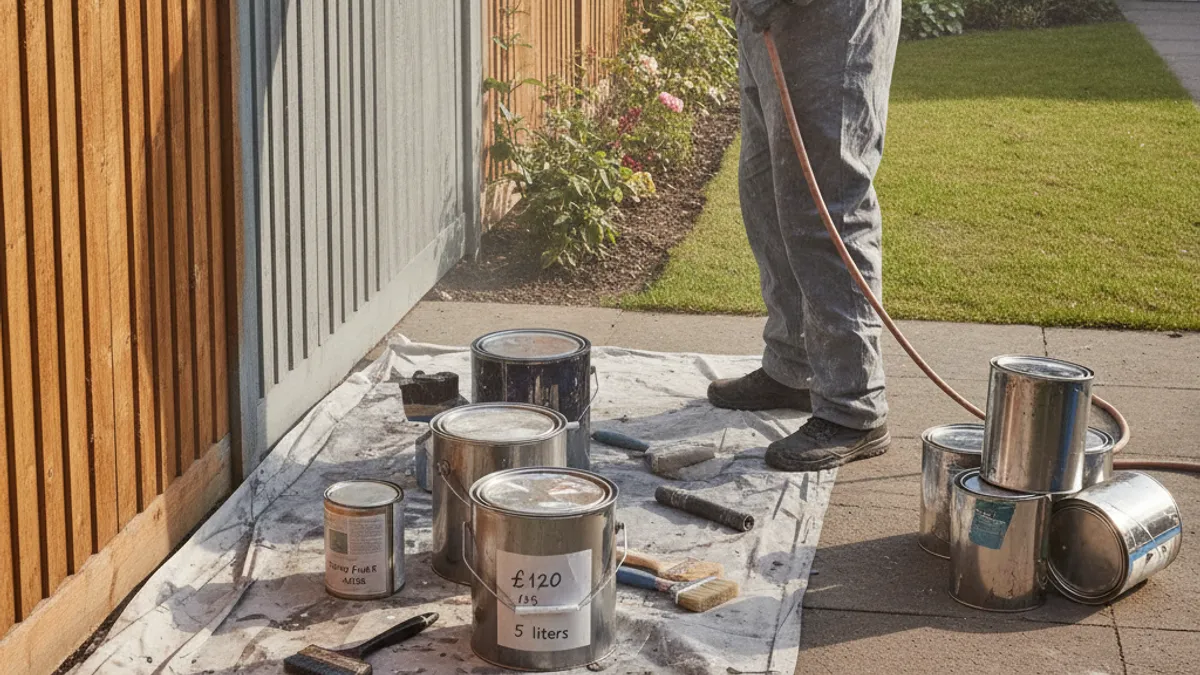
Choosing how to finish your fence comes down to a few key decisions, and budget is often the biggest one. Spray painting offers a smooth, uniform look that brushing or rolling can't always match, especially on textured surfaces like wood grain or corrugated metal. This can significantly boost curb appeal, potentially adding value to your property.
However, the costs aren't just about the can of paint. You need to factor in the equipment, preparation time, and potential for overspray that requires careful masking off of surrounding areas. Understanding these nuances will help you decide if spray painting aligns with what you're willing to spend, both in terms of money and your own time investment.
Understanding the Key Price Factors for Fence Spray Painting
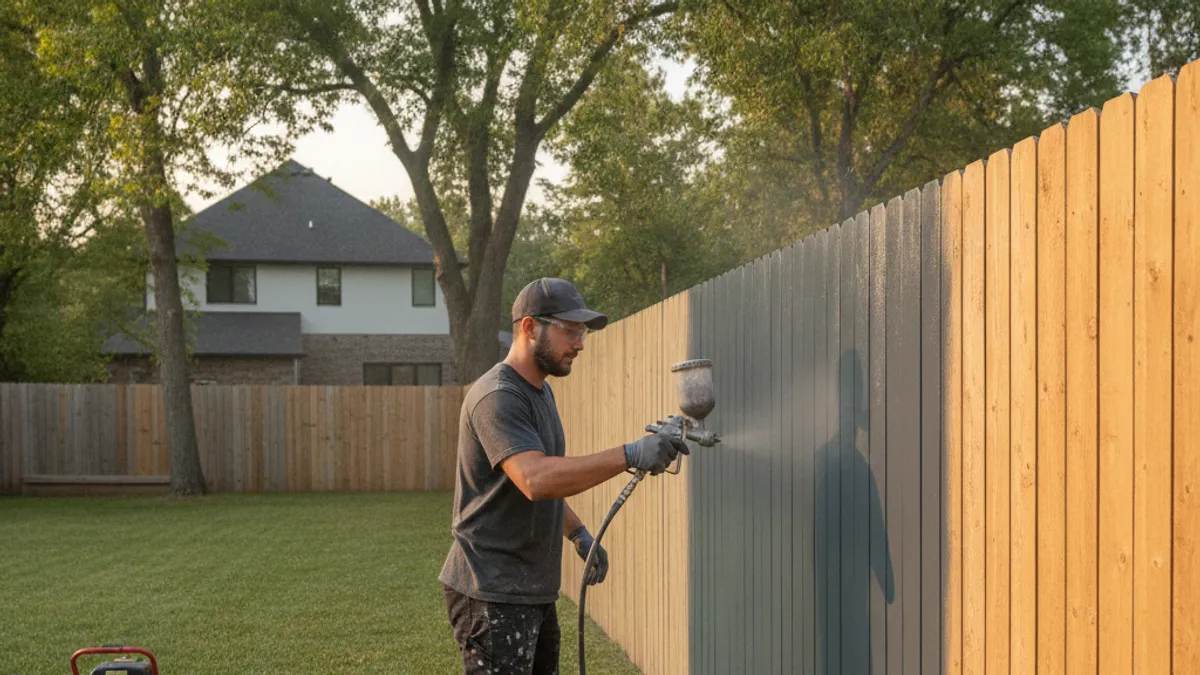
Several elements directly influence how much you'll spend on spray painting your fence. Ignoring any of these can lead to unexpected cost increases, so it’s smart to consider them upfront.
Fence Material and Its Impact on Cost
The type of fence you have makes a big difference in both preparation difficulty and paint adhesion, which affects cost. Wood fences, for example, often require more thorough cleaning and potential repairs than vinyl. Metal fences might need special rust-inhibiting primers. Composite fences can be straightforward but might require specific paint formulations.
Our research shows that the porosity and texture of the material dictate the amount of paint and primer needed, and how well the finish will adhere long-term.
Fence Size: Length and Height Matters
This is a no-brainer, but still crucial. A longer fence naturally requires more paint and more time, whether you're doing it yourself or hiring someone. A taller fence means more surface area to cover, increasing both material and labor costs. For reference, a standard 6-foot tall, 100-foot long fence has about 600 square feet of surface area, and that number climbs fast with taller or more intricate fence designs.
The Role of Paint, Primer, and Finish
The quality and type of paint and primer you choose are major cost drivers. High-quality exterior latex paints designed for fences offer better durability and UV resistance, but they cost more per gallon than basic interior paints. You might also need a specific primer, especially for metal or previously unpainted wood, to ensure proper adhesion and prevent stains from bleeding through. The finish you select, like matte, satin, or gloss, can also slightly alter pricing.
Surface Preparation: The Hidden Cost
This is often overlooked but can be a significant expense and time sink. Before you even think about spraying, the fence needs to be clean, dry, and free from loose paint or debris. This might involve pressure washing, cleaning with specialized solutions (which can cost $20-$50 per gallon), sanding, and repairing any rotted or damaged sections. Neglecting prep work can lead to peeling and an uneven finish, making the paint job a waste of money.
DIY Fence Spray Painting Costs: What to Expect
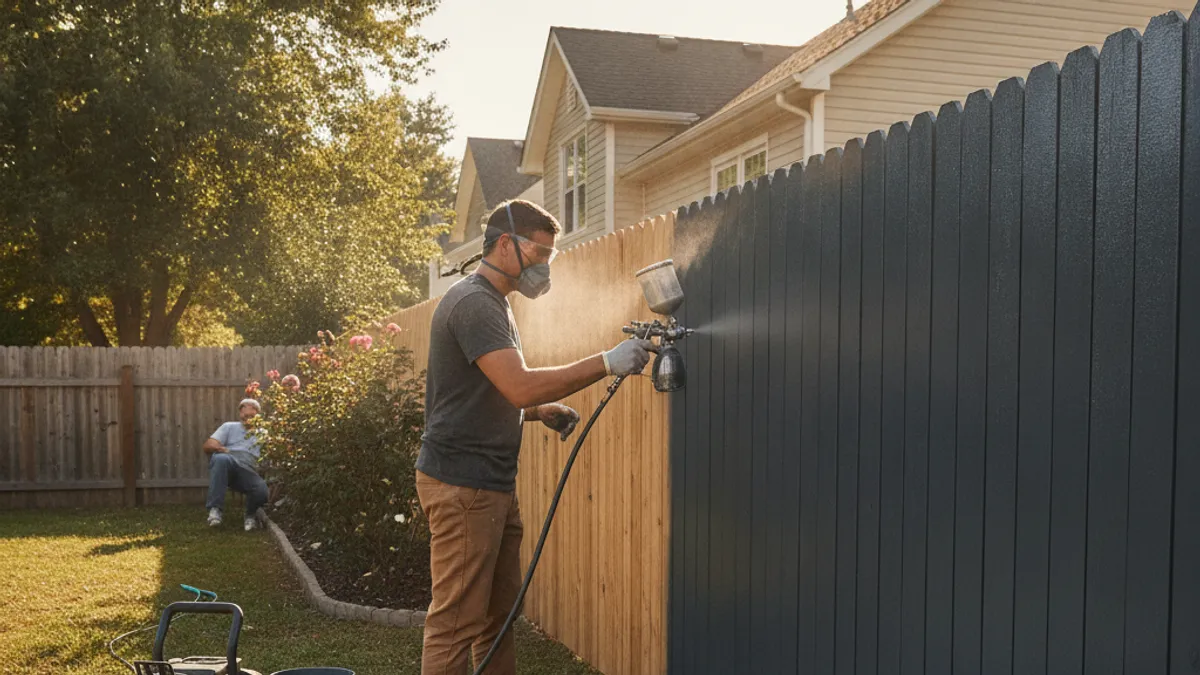
Tackling fence spray painting yourself can seem like the most budget-friendly option, and often, it is. However, it’s essential to be realistic about all the costs involved beyond just the paint.
The Price of Tools and Supplies
If you don't already own a paint sprayer, you'll need to factor in its cost, whether you buy one (ranging from $75 for basic models to $300+ for more robust units) or rent one ($20-$60 per day). Beyond the sprayer, you’ll need masking tape ($10-$20 per roll), plastic sheeting or drop cloths ($20-$50), painter’s poles, brushes for touch-ups, and cleaning supplies. These items add up, easily reaching $100-$200 before you even buy paint.
Paint and Primer Costs for DIY
For a typical 100-foot fence (about 600 square feet of surface area), you'll likely need 2-3 gallons of paint, assuming two coats. Good quality exterior latex fence paint can cost $40 to $70 per gallon. If a primer is necessary, budget another $30 to $50 per gallon for that. So, for paint and primer alone, a DIY project could hover between $100 and $300, depending on product choices and fence size.
Underestimating Your Time Investment
While not a direct monetary cost, your time is valuable. Preparing the fence, masking, spraying, and cleaning up can easily consume an entire weekend, or even longer for larger projects. Add in potential rain delays, and you've invested significant personal time. It’s worth comparing this time commitment against the hourly rate you might otherwise be earning to see if DIY truly saves you money in the long run.
Hiring a Professional for Fence Spray Painting: The Investment
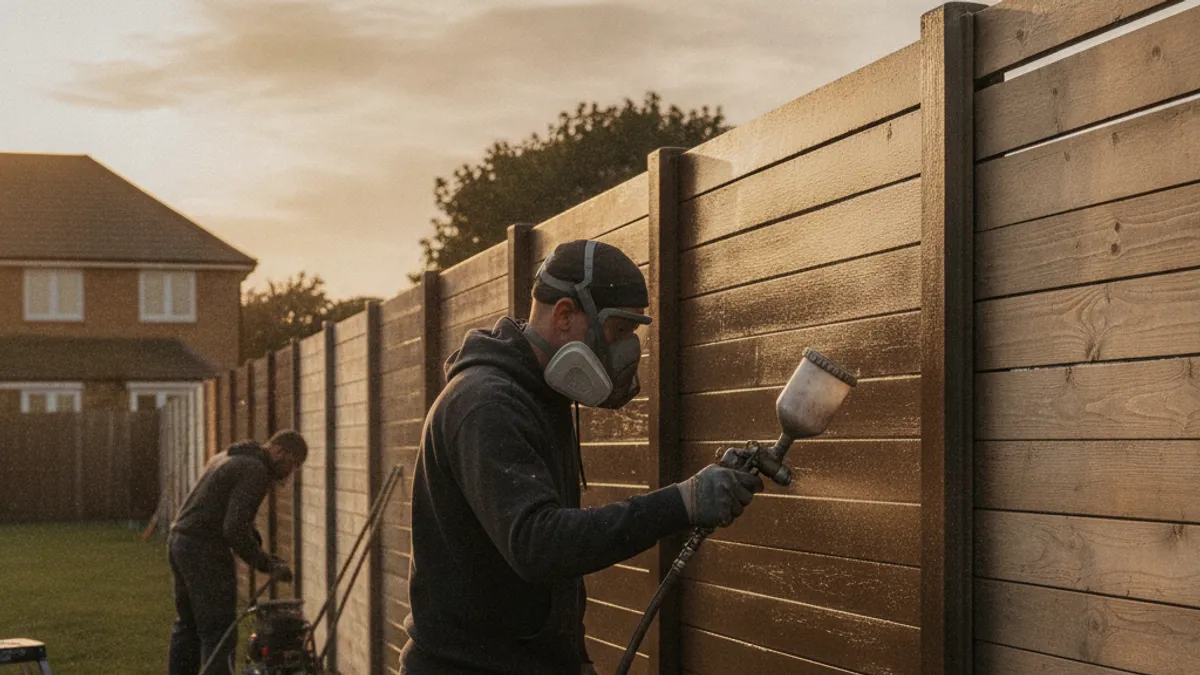
When you decide to hire a professional painting service, you're paying for expertise, efficiency, and a guarantee of quality. This usually means a higher upfront cost, but it can save you time, stress, and potential mistakes.
Average Professional Labor Costs
Professional painters often charge by the linear foot or by the hour, with rates varying significantly by location and the complexity of the job. Based on industry data from various home service platforms, you can expect to pay anywhere from $5 to $15 per linear foot of fence to have it professionally spray painted. For a standard 100-foot fence, this translates to a labor cost of $500 to $1,500, on top of material costs. Some companies may offer a bundled price including materials.
Factors Influencing Professional Quotes
Several factors will cause professional quotes to fluctuate. The accessibility of your fence, whether it’s easy to walk around or has landscaping that needs careful protection, plays a role. The condition of the fence is also key; extensive repairs will add to the bill. The type of paint chosen also impacts the quote, as premium paints cost more for the contractor to supply.
Don't be afraid to get multiple quotes to compare.
Getting Accurate Fence Painting Estimates
To get the most accurate estimate, have your fence measurements ready (length, height) and be clear about the desired outcome, including the number of coats and finish. Pros will usually conduct an on-site assessment. Ask if their quote includes surface preparation, materials, and cleanup. A reputable painter will also provide a written contract detailing the scope of work, timeline, and payment schedule.
Look for painters who are licensed and insured for peace of mind.
Spray Painting vs. Other Fence Finishing Methods: A Cost Comparison
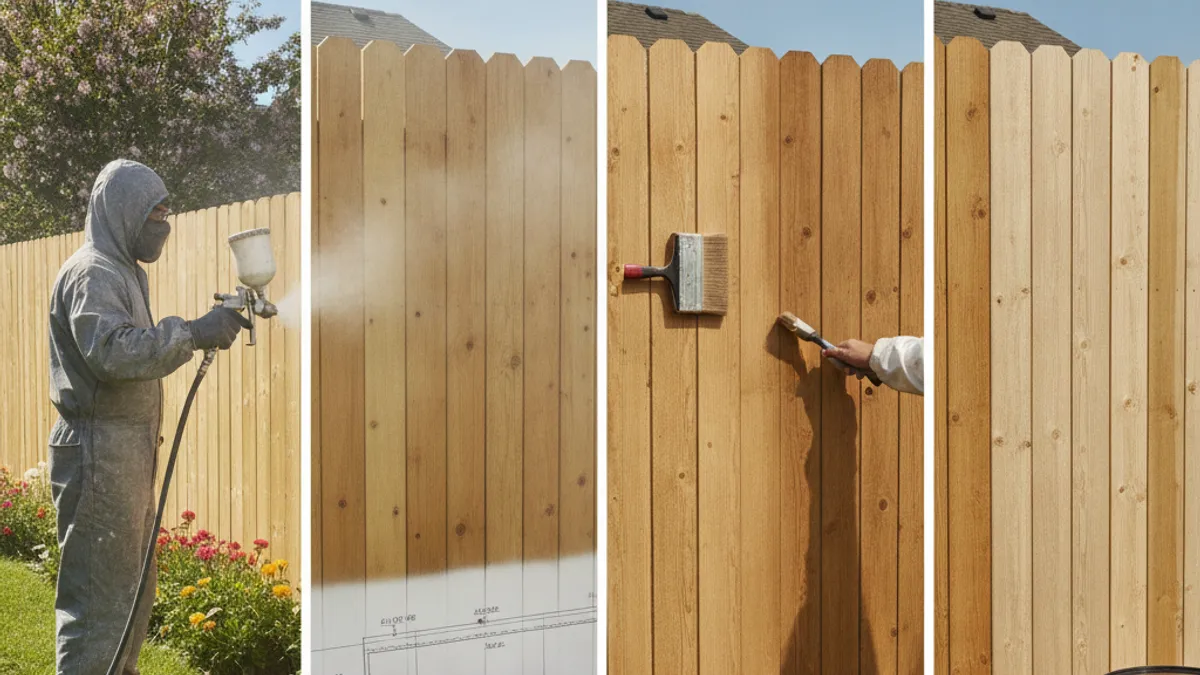
When you're ready to update your fence, spray painting is just one option in your arsenal. Understanding how its costs stack up against alternatives helps you make the most informed decision for your specific needs. Each method has its own price point tied to materials, labor, and required skill.
Brush and Roller Painting vs. Spraying
Brush and roller painting is often perceived as the most budget-friendly DIY approach, primarily because you might already have the basic tools. A good quality exterior brush can cost $10-$20, and a roller kit $15-$30. The main trade-off here is time; it's significantly slower than spraying, especially for larger fences. While the material cost might be slightly lower, the extensive labor can push the total cost higher if you value your time.
Staining Your Fence: A Cheaper Alternative?
Staining is another popular fence finish, and it's often less expensive than painting, especially if you opt for a semi-transparent stain. A gallon of high-quality stain might cost $30-$60 and can cover roughly 200-400 square feet. This is generally less than paint. Stains protect wood by penetrating it, rather than forming a surface layer, and they typically allow the wood grain to show through.
Maintenance for stains can also be more frequent than for a well-applied paint job.
When to Consider Replacing Your Fence Instead
Sometimes, the cost of extensive repairs plus painting or staining can approach, or even exceed, the cost of a new fence. If your fence is severely rotted, structurally unsound, or riddled with damage, investing in a full replacement might be more cost-effective in the long run. New fence installation costs vary wildly based on material and height, but basic wooden picket fences can start around $20-$30 per linear foot, with more complex options like vinyl or wrought iron costing significantly more. It's worth getting quotes for replacement if your fence is in dire shape.
Real-World Fence Spray Painting Cost Scenarios
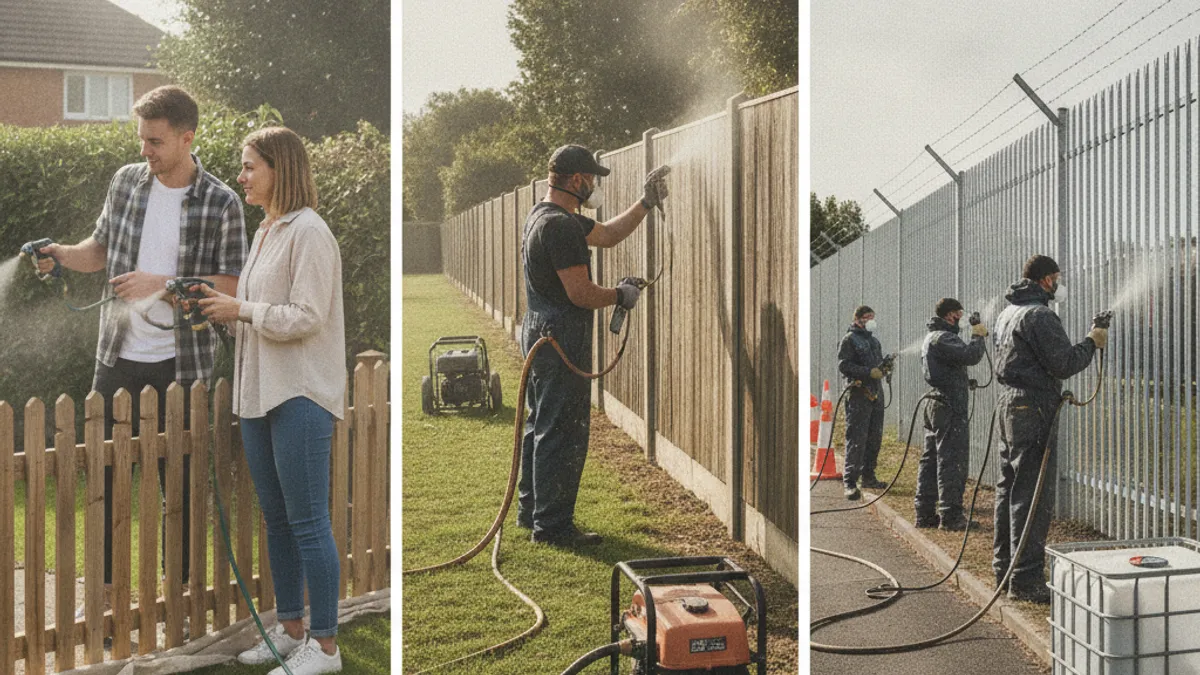
To give you a clearer picture, let's look at a few common scenarios and their estimated costs. These examples help illustrate how different factors combine to influence the final price tag.
Scenario 1: Small Wood Fence Refresher
Imagine a homeowner with a 50-foot long, 6-foot high wooden fence in decent condition. They decide to go the DIY route for a budget-friendly refresh.
- Materials: 1.5 gallons of exterior latex paint ($60), 1 gallon of wood primer ($40), cleaning supplies ($20), masking tape and sheeting ($30).
- Tools: Paint sprayer rental for one day ($40).
- Estimated Total DIY Cost: Around $190.
- Professional Cost: A professional might charge $7-$12 per linear foot ($350-$600 total, including materials), offering a faster, more polished finish.
Scenario 2: Large Vinyl Fence Transformation
Consider a property with a 200-foot long, 5-foot high vinyl fence. The owner wants a dramatic color change and hires a professional service. Vinyl is known for its durability but can be trickier to paint for a lasting finish if not prepped correctly.
- Materials: 4 gallons of specialized vinyl-safe exterior paint ($240) plus cleaner.
- Labor: Professional service at $10 per linear foot for 200 feet ($2,000).
- Estimated Total Professional Cost: Around $2,240.
- DIY Alternative: Buying a sprayer ($150) and paint ($240) would total $390, but vinyl paint application requires precision to avoid peeling.
Scenario 3: Metal Fence Protection Project
A property owner needs to protect a 75-foot long, 4-foot high metal fence from rust and the elements. They opt for professional spray painting with a rust-inhibiting primer and a durable topcoat.
- Materials: 2 gallons of rust-inhibiting primer ($100), 2 gallons of metal-specific topcoat ($120).
- Labor: Professional service at $12 per linear foot for 75 feet ($900).
- Estimated Total Professional Cost: Around $1,120.
- DIY Alternative: Renting a sprayer ($40), plus primer ($100) and paint ($120), would cost $260, but proper surface prep (metal cleaning, rust removal) is critical and time-consuming for DIY.
Common Pitfalls and Costly Mistakes to Avoid
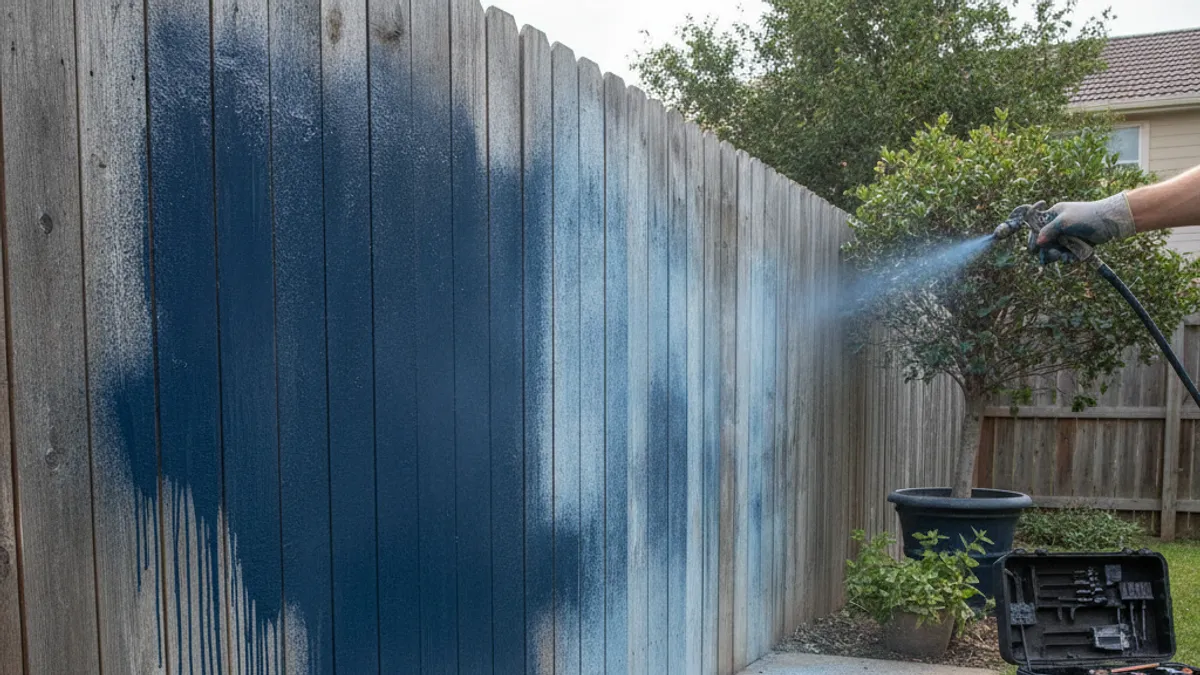
When you're investing time and money into painting your fence, you want it to last and look good. Unfortunately, several common mistakes can lead to premature failure and cost you more in the long run through repairs or re-painting.
Neglecting Proper Surface Prep
This is the number one culprit for paint failure. If the fence isn't thoroughly cleaned and free of dirt, mildew, or peeling paint, your new coat will likely start to blister and flake within a year. Pressure washing is often necessary, but if done incorrectly, it can damage soft wood. Using the right cleaning agents, like TSP (trisodium phosphate) for tough grime, or a dedicated mildew cleaner, is key to a lasting finish.
Choosing the Wrong Paint for Your Fence
Not all exterior paints are created equal, and using the wrong type can be a costly error. For wood, you’ll want a flexible paint that can expand and contract with temperature changes. For vinyl, you need a paint specifically formulated for plastics to ensure adhesion and prevent the paint from flaking off. Using a paint not designed for your fence material is a gamble that usually doesn't pay off.
Overspray Issues and Cleanup Hassles
Spray painting is fantastic for speed, but it generates overspray. If you don't meticulously mask off surrounding plants, patios, siding, or even your roofline, you could end up with paint where you don't want it. This can lead to expensive cleaning bills or even costly damage to landscaping. Proper masking using plastic sheeting and painter's tape is non-negotiable and adds to the overall preparation time and material cost.
Unforeseen Weather Delays
The weather is a wild card in any exterior painting project. Most exterior paints require specific temperature ranges (typically between 50°F and 85°F) and low humidity for proper application and drying. Extreme heat, cold, high winds, or rain can halt your project, forcing you to store supplies and reschedule. This can disrupt your timeline and potentially lead to paint drying unevenly if applications are spaced too far apart due to weather.
Essential Safety Gear and Environmental Considerations
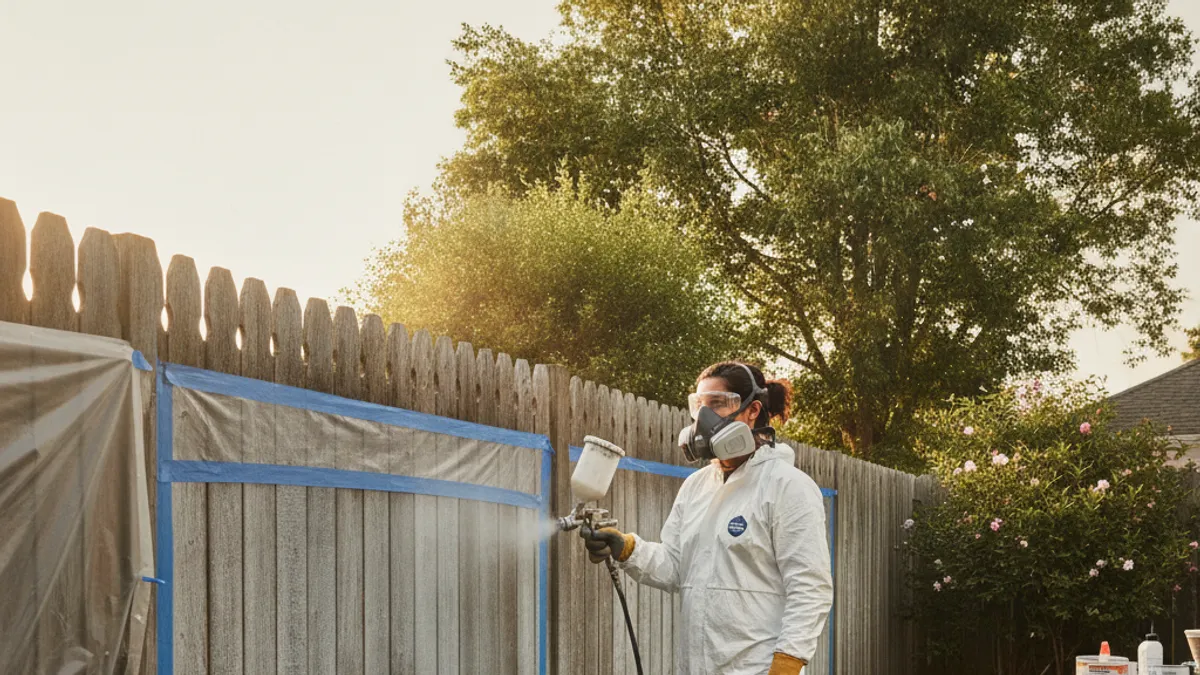
Spray painting involves working with chemicals and pressurized equipment, so safety is paramount. Beyond protecting your fence and property, you need to protect yourself.
- Respiratory Protection: Always wear a respirator mask specifically designed for painting, particularly when spraying. This protects you from inhaling paint fumes and fine mist, which can cause respiratory irritation or long-term health issues. Look for masks with organic vapor cartridges.
- Eye Protection: Safety glasses or goggles are essential to prevent paint spray from entering your eyes. Ensure they fit snugly to keep out fine mist.
- Skin Protection: Wear old clothing, gloves, and a hat. Paint can be difficult to remove from skin and fabric, and prolonged exposure to chemicals should be avoided.
- Ventilation: Even outdoors, be mindful of wind direction to avoid spraying yourself or others and to prevent overspray from drifting onto unwanted surfaces.
- Disposal: Properly dispose of leftover paint, empty cans, and used supplies. Check with your local waste management or hazardous waste facility for guidelines on disposing of paint products, as they are often not suitable for regular trash. Many areas have specific collection days for hazardous household waste.
Expert Tips for Saving Money on Fence Spray Painting
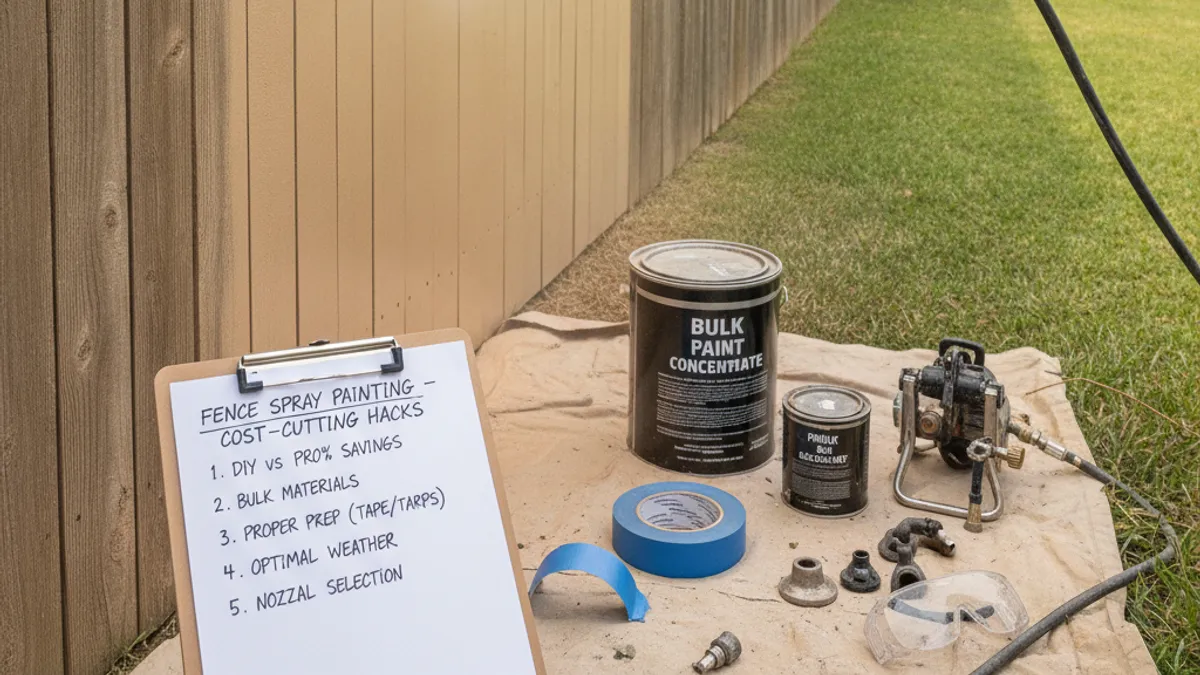
Even with professionals, you can find ways to reduce the overall cost of your fence spray painting project without sacrificing quality. Being smart about your approach can make a noticeable difference in your final bill.
- Schedule During the Off-Season: Like many outdoor services, fence painting often sees higher demand during peak spring and summer months. If you can schedule your project for late fall or early spring, you might find contractors offering slightly lower rates to keep their teams busy. This timing also often coincides with more stable weather patterns in many regions.
- Bundle Services: If you have other exterior painting needs, like a deck or trim, ask if bundling these services with your fence project can lead to a discount. Contractors are often willing to offer package deals that provide savings for them on materials and logistics, which they can pass on to you.
- DIY Some Prep Work: While you might hire professionals for the actual spraying, you could save money by doing some of the initial prep work yourself. This might include clearing the area around the fence, washing it down, or even doing minor repairs on damaged pickets. Discuss this with your chosen painter beforehand to ensure your work meets their standards.
Making Your Spray-Painted Fence Last: Maintenance Tips
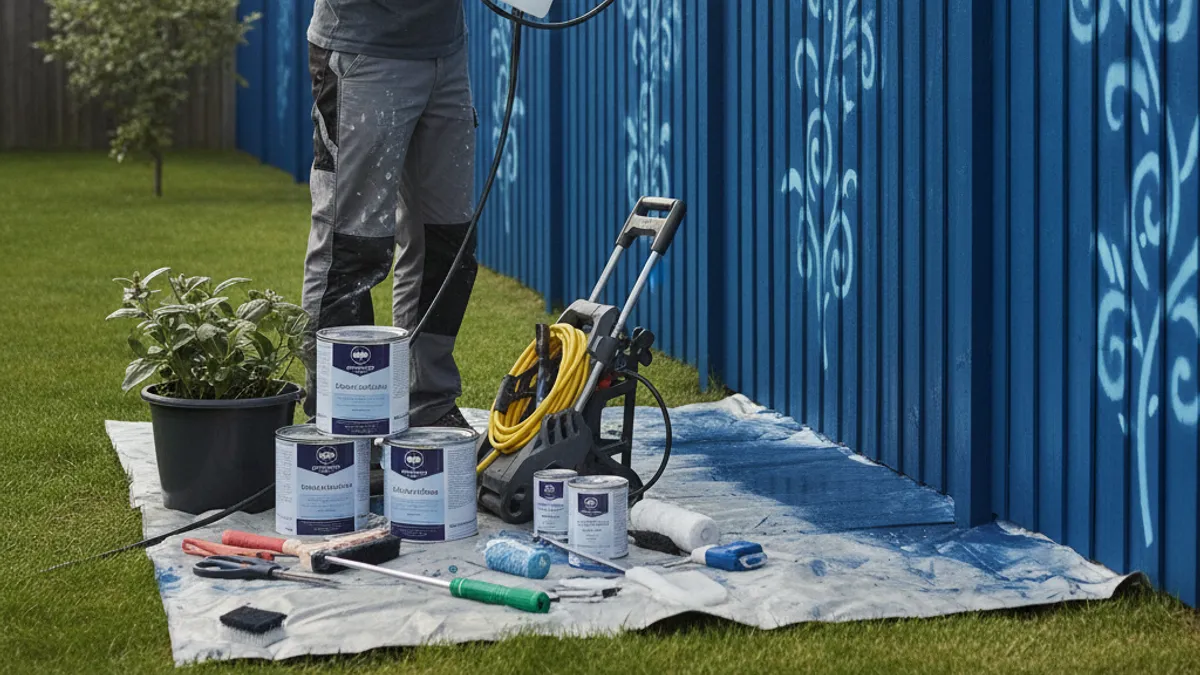
Once your fence is beautifully spray painted, you'll want to keep it looking its best for as long as possible. Proper maintenance is key to extending the lifespan of your paint job and protecting your investment.
- Regular Cleaning: Periodically wash your fence to remove dirt, mildew, and cobwebs. A gentle wash with a soft brush and mild soap solution, followed by a rinse, is usually sufficient. Avoid high-pressure washing, as it can strip paint and damage wood.
- Inspect Annually: Once a year, walk the length of your fence and look for any signs of wear, such as peeling, chipping, or fading. Pay close attention to areas prone to moisture, like the base of posts or shaded spots. Early detection of minor issues makes them easier and cheaper to fix.
- Prompt Repairs: If you spot any damage, like a cracked picket or a loose board, address it immediately. Small repairs can prevent more significant structural problems from developing that might require costly replacements or a full re-coat sooner than expected. A small touch-up job is far less expensive than painting the entire fence again.