
Deciding how often to spray Liquid Fence is more art than exact science, but once you know the key factors, it becomes straightforward. The goal is continuous protection without over-applying, ensuring your plants stay safe from hungry critters. Understanding the product's limitations and triggers is your best bet for an effective and efficient garden.
Liquid Fence® Deer & Rabbit Repellent, a popular choice for gardeners, relies on scent to deter animals. Manufacturer specifications often suggest reapplication every few weeks, but real-world results, based on aggregate user feedback and environmental conditions, mean you'll likely need to adjust that schedule. This guide breaks down when and why to spray for optimal plant protection.
How Often to Spray Liquid Fence: Your Guide to Keeping Pests Away
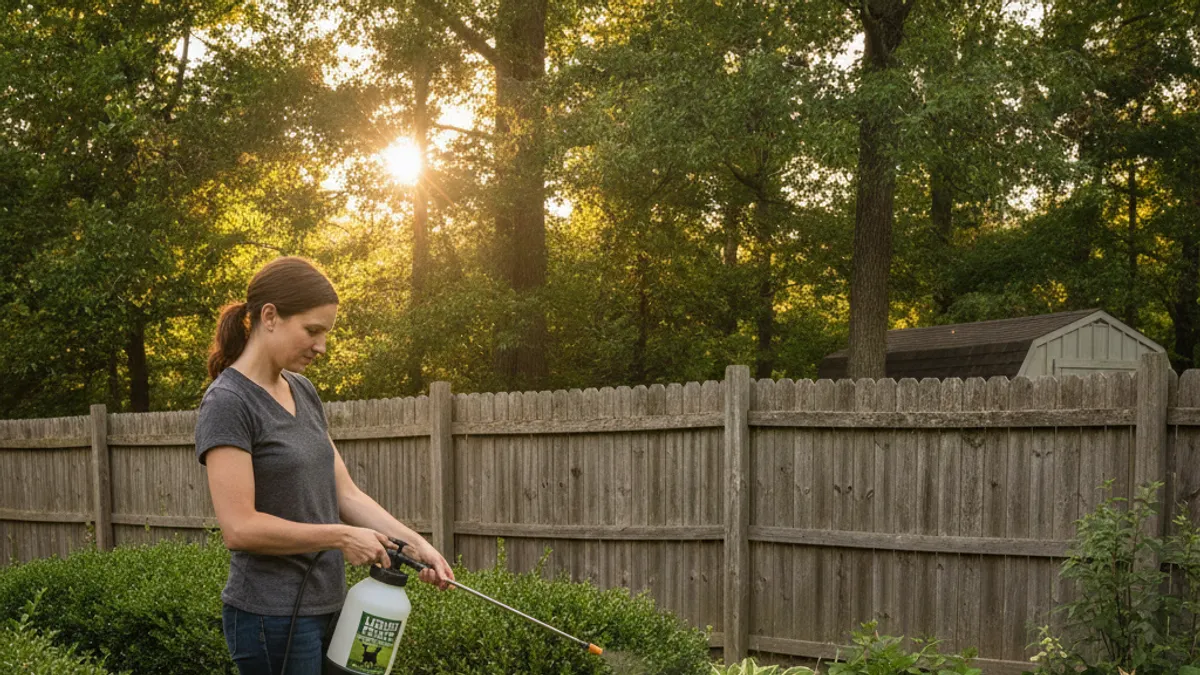
Why Reapplication is Key for Liquid Fence
Liquid Fence® isn't a one-and-done solution. Its effectiveness diminishes over time as the deterrent scent naturally breaks down or is washed away. Think of it like sunscreen; you need to reapply it to maintain protection, especially after exposure. Without consistent reapplication, you leave your precious plants vulnerable to pests like deer, rabbits, squirrels, and chipmunks.
This product is designed to work by making plants unappealing through smell. When the scent fades, the barrier is gone. For continuous defense, especially during peak pest activity or when plants are most susceptible, like newly planted beds or delicious vegetable harvests, a strategic reapplication schedule is essential. Aggregate buyer feedback consistently points to reapplication as the main driver of success.
Decoding Liquid Fence's Effectiveness: Factors That Matter
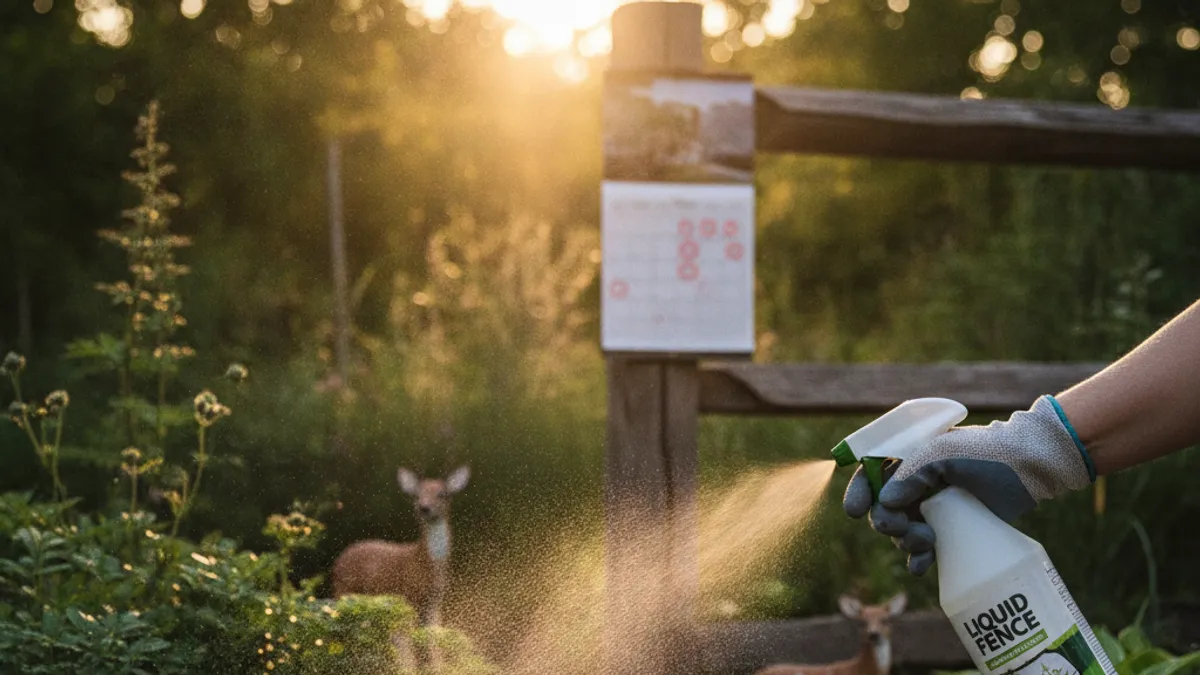
Several environmental factors significantly influence how long Liquid Fence's protection lasts on your plants. It's not just about the calendar; it's about what your garden is enduring. Understanding these triggers will help you decide when it's time to grab the sprayer again, rather than sticking to a fixed but potentially ineffective schedule.
Remember, the goal is to keep the deterrent scent strong enough that pests actively avoid your garden. When that scent fades due to one of these factors, potential damage can begin. Paying attention to these conditions means you're always one step ahead of hungry herbivores.
Rain and Dew: The Biggest Reapplication Triggers
Rain is Liquid Fence’s biggest enemy, simply put. Even a moderate shower can wash away a significant portion of the repellent, rendering it less effective. The manufacturer’s guidelines often mention “rainfastness” after a certain drying period, but heavy or sustained rain will always necessitate a respray.
Heavy morning dew can also dilute the spray's scent. While not as impactful as rain, if your region experiences consistently damp mornings, you might find your protection wears off faster. You'll want to reapply after any significant downpour or prolonged wet spell to ensure your plants remain unappealing to garden visitors.
New Growth: Protecting Your Expanding Garden
As plants grow, they produce new leaves, stems, and flowers that are completely unprotected by previous applications. Liquid Fence needs to be applied to these new areas to maintain its barrier. This is particularly true for fast-growing vegetables and flowering annuals that expand quickly.
Consider your plants' growth rate. A young tomato plant might need a spray treatment every week or two as it shoots upwards. Established shrubs might have longer intervals between application, but you still need to cover any new shoots or buds that emerge. This ensures no tasty new growth becomes an easy meal.
Pest Pressure: When to Step Up Your Spraying
The intensity of pest activity in your area directly impacts how often you need to reapply. If you live in a region known for abundant deer or rabbit populations, you'll likely need to spray more frequently than someone in a less-populated area. Observing local wildlife habits is key.
If you've noticed increased sightings of deer nibbling on plants at the edge of your property, or rabbits making a meal of your lettuce, it's a clear signal to ramp up your spraying schedule. Don't wait for visible damage; proactive spraying based on observed pest presence is the most effective strategy. Look for signs of animal activity around your garden.
Your Liquid Fence Reapplication Checklist: When Exactly Should You Spray?
This checklist focuses on observable triggers rather than just waiting for a product label's general recommendation. Think of it as your go