
A flat tire on your wheelbarrow can bring your gardening, hauling, or DIY project to a frustrating halt. If you're wondering how to change a wheelbarrow wheel, you're in the right place. It's a common issue that can usually be fixed without too much hassle, getting you back to work quickly.
Our research shows that a typical replacement wheel or tire can cost between $20 and $50, depending on the type and where you purchase it. Manufacturer specifications often detail the exact size and type of wheel needed for specific models, ensuring a proper fit. This guide will walk you through the process, common problems, and what you need to know.
Why Is My Wheelbarrow Wheel Flat? Common Causes

A flat tire is the most common reason a wheelbarrow wheel needs attention. These issues usually stem from punctures, slow leaks, or simply old, brittle rubber that can no longer hold air. For pneumatic tires, even a small puncture from a sharp nail or thorn can lead to a gradual loss of pressure over time.
Old age is another culprit. Over years of use, the rubber degrades, cracks form, and the tire can eventually fail. This is especially true if the wheelbarrow is stored outdoors year-round, exposing the tire to sun and temperature fluctuations. Identifying the cause helps you choose the right fix, whether it's a simple tube patch or a full wheel replacement.
Pneumatic vs. Solid Wheelbarrow Tires: Which Is Right For You?
When it's time for a change, you'll likely encounter two main types of wheelbarrow wheels: pneumatic and solid. Pneumatic tires are air-filled, much like car or bike tires. They offer excellent shock absorption, making them ideal for rough terrain and providing a smoother ride for you and your load.
Solid tires, on the other hand, are made of solid rubber or foam and never go flat. They require zero maintenance and are incredibly durable. However, they don't offer the same cushioning as pneumatic tires and can make the wheelbarrow feel bumpier on uneven ground. The choice often comes down to your typical workload and the terrain you navigate most often.
For example, if you're constantly hauling heavy loads over bumpy fields, a solid tire might be worth the trade-off for peace of mind.
What You'll Need: Tools for Changing a Wheelbarrow Wheel
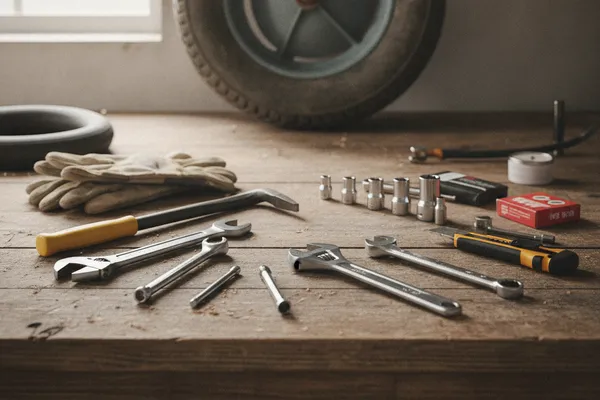
Before you start, gather the right tools to make the job go smoothly. For most wheelbarrow wheel changes, you'll need a wrench or socket set to remove the axle nuts and bolts. The size will vary by manufacturer, so check your wheelbarrow’s hardware first. You might also need a tire lever or two, similar to those used for bicycle tires, if you're replacing just the tire or tube on a pneumatic wheel.
A small amount of dish soap or lubricant can help the tire bead slide onto the rim more easily. Don't forget a pump to reinflate a new pneumatic tire to the correct pressure, which is usually printed on the sidewall of the tire itself. Having a sturdy block of wood or a jack can also be helpful to lift and support the wheelbarrow securely.
How to Identify the Right Replacement Wheelbarrow Wheel or Tire
Getting the correct replacement is crucial for a successful repair. The most important measurement for a wheelbarrow wheel is its diameter, often listed in inches (e.g., 8-inch, 10-inch). This refers to the overall diameter of the wheel. You'll also need to know the width of the tire and the diameter of the axle hole, which is the opening where the axle passes through.
Check the sidewall of your current tire for size information. Manufacturers often list dimensions like "4.00-8" or "3.50-4," where the first number is the tire width and the second is the rim diameter. If you're unsure, it's often best to measure your existing wheel or consult your wheelbarrow's manual. Many brands, like Ames or True Temper, have specific replacement parts listed on their official websites, which can be found by searching for your wheelbarrow model number.
Step-by-Step: Changing a Pneumatic Wheelbarrow Tire and Tube
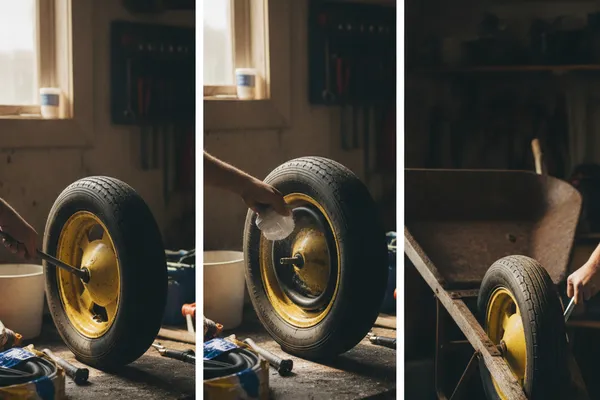
This process is for pneumatic tires that have gone flat and need a new tube or tire. First, if your tire is still inflated, release all the air. You can do this by pressing down on the valve stem inside the cap.
Removing the Wheel from the Wheelbarrow
To get the wheel off, you'll typically need to loosen and remove one or two nuts securing the axle. Place your wheelbarrow on a stable, level surface, and use your wrench or socket to unscrew these nuts. Once the nuts are off, slide the axle out from the wheel. You might need to wiggle the wheel a bit to free it from the frame.
Keep track of any washers or bushings that come off, as they'll need to go back on.
Separating the Tire and Rim
With the wheel off the frame, you can now work on the tire. If it's a tubeless design, this step is different, but most wheelbarrow tires have an inner tube. Use your tire levers to carefully pry one edge of the tire bead away from the rim, working your way around. Once one side is off, you can pull out the old inner tube.
Then, you can usually pull the rest of the tire off the rim.
Replacing the Inner Tube
Before putting the new tube in, examine the inside of the tire and the rim for any sharp objects or debris that caused the original flat. Make sure the rim is clean and free of burrs. Slightly inflate the new inner tube, just enough to give it some shape, which makes it easier to position inside the tire. Place the new tube inside the tire, making sure the valve stem is properly lined up with the hole in the rim.
Mounting the New Tire onto the Rim
Now, work the tire back onto the rim. Start by seating one bead of the tire all around the rim. Then, begin working the second bead over the rim's edge. This can be the trickiest part.
Using tire levers can help, but be careful not to pinch the new tube between the tire bead and the rim. A little dish soap on the tire bead can help it slide into place.
Inflating the New Tire
Once the tire is fully seated on the rim, you can inflate it. Use a bicycle pump or a standard air compressor. Inflate the tire to the pressure recommended on its sidewall, usually between 20-30 PSI (pounds per square inch). Check that the tire is evenly seated on the rim all the way around as you inflate.
Reattaching the Wheel
With the new tire inflated, slide the axle back through the wheel and then through the wheelbarrow's frame. Re-attach any washers and then screw the axle nuts or bolts back on securely. Tighten them firmly but avoid over-tightening, which could damage the axle or bearings. Give the wheel a spin to ensure it rotates freely.
How to Install a Solid Wheelbarrow Tire (No Flats!)
If you're tired of dealing with flats, a solid wheelbarrow tire is a fantastic alternative. These are usually made of a dense rubber or a foam composite that won't lose air. Installing one is generally straightforward and doesn't involve tubes or air pressure. You'll often find they come as a complete wheel assembly, meaning the tire is already mounted to the rim.
The process is usually as simple as removing the old wheel assembly from the frame, as described earlier. Then, slide the new solid wheel onto the axle and secure it with the nuts and washers. Because there's no air involved, you can skip the inflation step entirely. Many users report that solid tires offer a slightly bumpier ride than pneumatic ones, but they significantly reduce maintenance.
Troubleshooting Common Wheelbarrow Wheel Problems
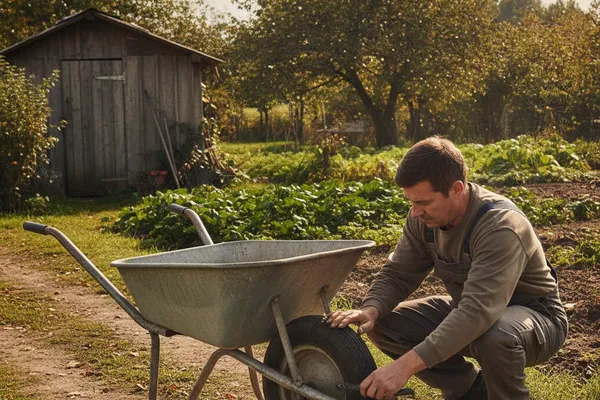
Even with the right tools and a new part, sometimes things don't go perfectly. A common issue is a stuck axle, especially on older wheelbarrows. The metal can rust and seize up, making it difficult to remove the wheel. If you can't budge a stubborn nut, try spraying it with a penetrating lubricant, like WD-40, and let it sit for at least 15-30 minutes.
Another problem is when a new tire doesn't seem to fit the rim, or the wheel itself doesn't fit back onto the frame. Double-checking the size specifications from your old tire and the new one is key. Ensure you have the correct diameter and axle bore size. Sometimes, seating the tire bead correctly requires a bit of patience and wrestling, especially if the tire is stiff.
Dealing with a Stuck Axle
If the nuts and bolts holding your wheelbarrow wheel in place are rusted solid, you'll need some extra help. Penetrating oil is your first line of defense. Apply it generously to the threads and let it soak in. You might need to tap the bolt or nut gently with a hammer to help the oil work its way in.
If that doesn't work, you may need to use more force. A breaker bar can provide extra leverage for stubborn nuts. In extreme cases, you might have to cut the bolt or nut off. A hacksaw or an angle grinder can do the job, but always wear safety glasses and gloves when using cutting tools.
Remember to replace any hardware you cut off with new parts.
What If the New Tire Doesn't Fit?
This is usually a sizing issue, but sometimes it’s about how you’re trying to fit it. If the new tire’s bead won't sit properly on the rim, ensure you have the correct tire size for that rim diameter. A tire that's too large or too small won't seat correctly. Also, try lubricating the tire bead with dish soap or a rubber lubricant to help it slide into place.
If the whole wheel assembly won't fit back onto the frame, re-examine the axle diameter and the frame's mounting width. Sometimes, slight damage to the frame's supports can occur over time. In such cases, you might need to gently widen the frame's opening or carefully adjust the axle placement. Always try to match the exact specifications of your old wheel.
Safety First: Protecting Yourself During Wheelbarrow Wheel Replacement
Working on any equipment, even something as simple as a wheelbarrow, requires attention to safety. Always wear sturdy gloves to protect your hands from sharp edges, rust, and grease. Eye protection is also a must, especially when dealing with potentially gritty parts or if you encounter rust that could fly off.
Ensure your wheelbarrow is stable before you start. If you're lifting it to get the wheel off, use a solid block of wood or a jack to support it securely. This prevents it from falling and causing injury. Always use the correct tools for the job; forcing bolts or trying to pry parts with inadequate tools can lead to slips and injuries.
Keeping Your Wheelbarrow Rolling: Maintenance Tips
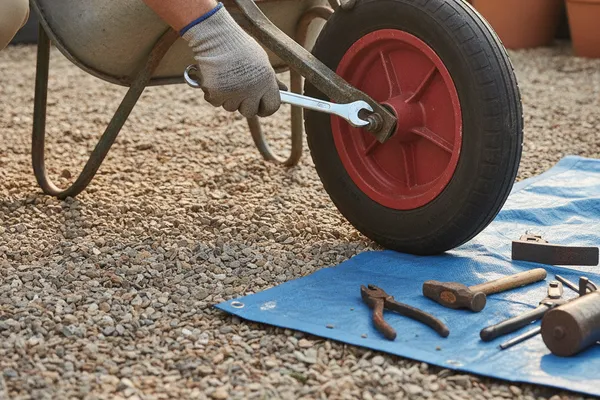
Regular maintenance can prevent many common wheelbarrow wheel problems. For pneumatic tires, checking the air pressure periodically is essential. Most manufacturers recommend maintaining a specific PSI, typically between 20 and 30 PSI, as indicated on the tire's sidewall. Underinflated tires wear out faster and make the wheelbarrow harder to push.
It's also a good idea to rinse your wheelbarrow and check the wheel area after use, especially if you've been working in muddy or debris-filled conditions. Gently cleaning around the axle and any bearings can prevent grit from causing premature wear. Periodically inspect the tire for any signs of cracking, cuts, or embedded objects. Catching small issues early can save you from a major breakdown.
When to Replace Your Whole Wheelbarrow vs. Just the Wheel
Deciding whether to replace just the wheel or the entire wheelbarrow often comes down to cost and the overall condition of your equipment. If your wheelbarrow's frame is rusty, bent, or damaged, and the handles are cracked, replacing just the wheel might not be the most economical long-term solution. In such cases, investing in a new wheelbarrow altogether makes more sense.
However, if the frame and handles are in good shape, but the wheel is flat and beyond repair, or the tire is severely worn, replacing the wheel assembly is a smart choice. Replacement wheels are typically much cheaper than a new wheelbarrow. For instance, a sturdy solid wheel replacement might cost around $30, while a new, basic wheelbarrow can range from $70 to $150 or more, depending on capacity and features.