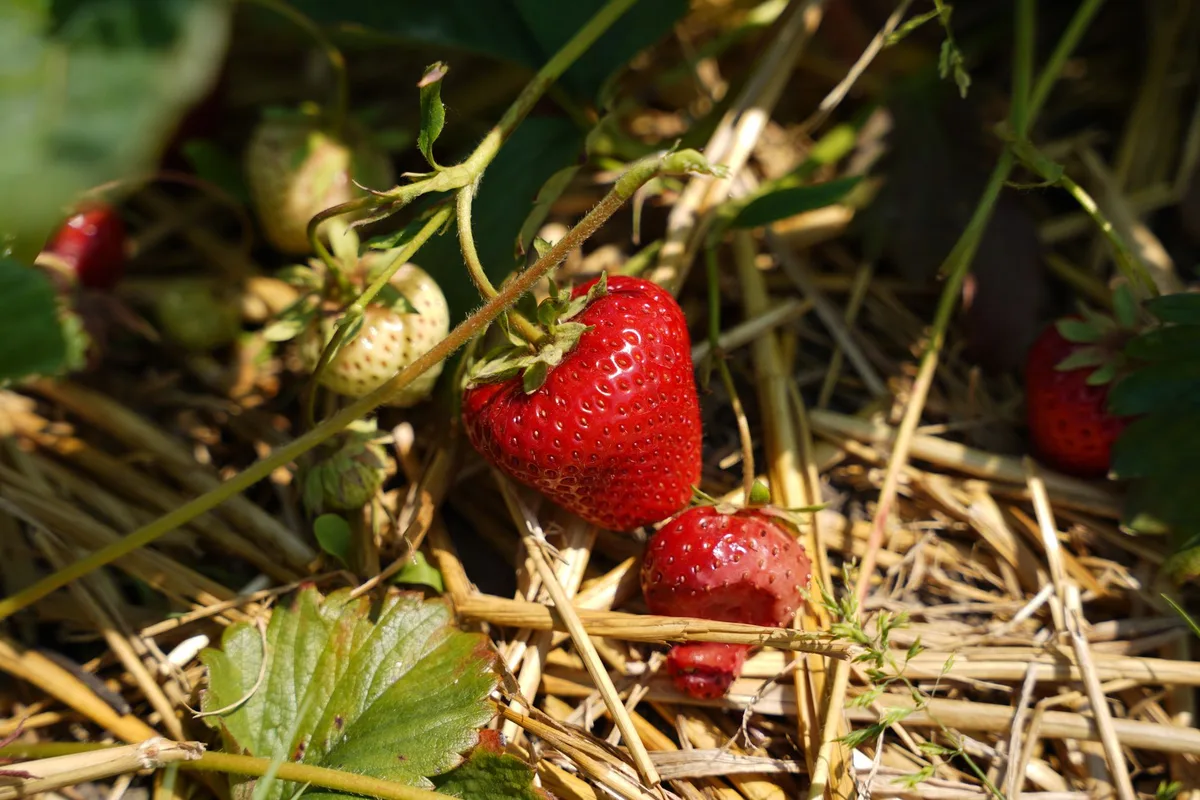
You've nurtured your strawberry plants, watched them grow, and now you're dreaming of that first sweet, juicy bite. But then you spot it, holes in the leaves, or worse, nibbled-on berries. It's a common problem, and thankfully, there are plenty of ways to tackle it without resorting to harsh chemicals.
We've all been there, right? You want your harvest to be bug-free, but you're also wary of what you're spraying around your food. This guide focuses on practical, research-backed methods for pest management, drawing on horticultural best practices that limit chemical use.
Quick Answer
Keeping bugs from eating strawberries involves identifying the specific pest, then applying targeted, often organic, control methods. Common strategies include using physical barriers like row covers, natural deterrents such as diatomaceous earth, creating traps for specific pests like beer traps for slugs, and employing water sprays or insecticidal soap for smaller insects. Monitoring your plants regularly is key to catching infestations early before significant damage occurs.
What's Eating Your Strawberries? Identifying the Culprits
Before we can win this battle, we need to know our enemy. Different bugs cause different kinds of damage. Identifying the pest correctly is the absolute first step in choosing the right solution.
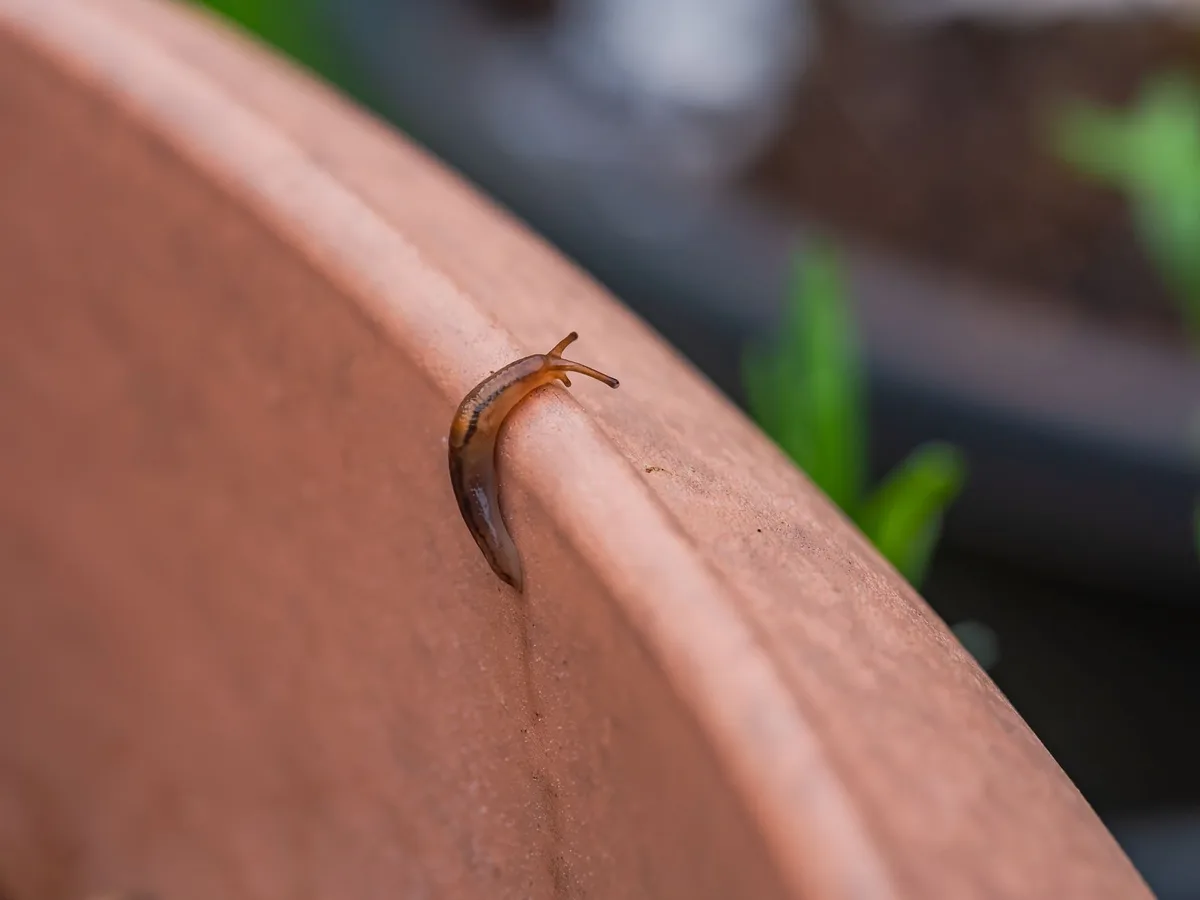
- Slugs and Snails: These leave slimy trails behind them and chew irregular holes in leaves and fruit, often working under the cover of darkness. During the day, they tend to hide in damp, shady spots beneath plants or mulch.
- Cutworms: These mischievous larvae chew through plant stems, usually near the soil line. They can decapitate young plants or sever developing fruit stalks, causing plants to wilt or fall over.
- Aphids: Exceedingly small, pear-shaped insects that cluster in colonies, most often on tender new growth and the undersides of leaves. They feed by sucking sap, which can stunt plant development and sometimes leave behind a sticky residue known as honeydew.
- Strawberry Bud Weevils (Clipper Weevils): These small beetles target the flower buds. They chew characteristic holes in the stems of the buds and then lay their eggs inside, causing the buds to droop and eventually fall off, directly impacting yield.
- Thrips: These are very tiny, slender insects that are hard to spot. They can cause noticeable distortion and a silvery appearance on leaves and fruits as they feed by scraping plant surfaces.
Decision Tree: What Bug Is Attacking Your Strawberries?
To effectively protect your strawberries, we need to follow a logical sequence of actions. This decision tree outlines the path from observing damage to implementing the right solution, based on the specific pest.
The goal is to offer a workflow that minimizes guesswork. Each question leads you toward the most appropriate pest management technique, aligning with organic gardening principles as much as possible. Always start by observing the damage and the pest itself, if visible.
Slugs and Snails: The Slimy Trail Syndicate
If you're seeing slimy trails on leaves or fruit, or notice ragged holes chewed into your berries, slugs and snails are your prime suspects. They are most active during damp conditions and at night.
Cutworms: The Stems' Worst Nightmare
Did a young, healthy strawberry stem topple over overnight? Cutworms are likely the culprits. They are the larval stage of moths and are notorious for their destructive habit of "cutting" young plants at or just above the soil surface.
Aphids: The Sap-Sucking Swarm
Tiny green, black, or brown bugs clustered on new leaf growth or the undersides of leaves indicate an aphid infestation. You might also notice stunted growth or sticky droplets on the leaves.
Bud Weevils: The Flower Foe
If your strawberry plants are producing flower buds, but many of them are drooping and falling off before they can fully develop, the strawberry bud weevil is probably to blame. Their feeding habits directly prevent fruit formation.
Thrips: The Tiny Terrors
Observing distorted leaves or a silvery, speckled appearance on your strawberry plants, especially when you can’t readily spot larger pests, might point to thrips. These minuscule insects are incredibly difficult to see with the naked eye.
Your Step-by-Step Plan to Bug-Free Berries
Protecting your strawberry patch requires a proactive approach. Our research indicates that combining preventative measures with targeted treatments is the most effective strategy. This plan guides you through identification, intervention, and ongoing management.
Step 1: Observe and Identify (Crucial First Step)
The most critical part of pest control is accurate identification. Take a close look at your plants.
- Visual Inspection: Examine leaves (top and bottom), stems, flowers, and developing fruit for any signs of damage or the pests themselves.
- Damage Type: Note the pattern of damage. Are there holes? Shredded edges? Slimy trails? Drooping buds?
- Pest Size & Shape: Try to determine the size, color, and general form of any insects present. Even the smallest details can help differentiate between pests.
- Time of Day: Some pests are nocturnal. Checking your garden at dawn or dusk can reveal creatures that are hidden during the day.
Step 2: Choose Your Defense Strategy
Once you've identified the pest, you can select the most appropriate control method. Our analysis of horticultural best practices suggests prioritizing non-chemical solutions whenever possible.
For Slugs & Snails: Creating Hostile Territory
These gastropods thrive in moist environments and can decimate your berry harvest.
- Eliminate Hiding Places: Keep the area around your strawberry plants tidy by removing excess debris, fallen leaves, and dense ground cover where slugs and snails can shelter during the day.
- Physical Barriers: Surrounding the base of plants with materials like crushed eggshells, diatomaceous earth (food-grade), or copper tape can deter them. Diatomaceous earth works by dehydrating the pests' soft bodies, but it must be dry to be effective.
- Trapping: Beer traps are surprisingly effective. Sink shallow containers (like yogurt cups) into the soil so their rims are level with the ground. Fill them with about an inch of beer. Slugs and snails are attracted to the fermenting yeast, crawl in, and drown. You’ll need to check and refill these regularly.
- Handpicking: For small gardens, a nightly patrol with a flashlight can be a very effective way to collect slugs and snails. Drop them into a bucket of soapy water.
For Cutworms: Protecting Young Stems
Cutworms are a significant threat to young strawberry plants and newly developing fruit.
- Stem Collars: A simple yet effective method is to create collars for young plants. You can use cardboard tubes (like toilet paper or paper towel rolls), plastic cups, or even aluminum foil. Cut them to about 4-6 inches in height.
Wrap the collar around the stem, pushing it about 2 inches into the soil and leaving 2, 4 inches above ground. This creates a physical barrier the cutworms cannot get past. For bigger established plants or to protect fruit, a wider barrier around their base is also useful.
- Soil Cultivation: Tilling the soil in your garden beds before planting can expose cutworm larvae to predators like birds and beneficial insects, reducing their population.
- Nighttime Patrols: Similar to slugs, cutworms are often active at night. Checking the soil surface after watering can help you spot them.
For Aphids: Natural Removal Tactics
Aphids are common and can weaken your plants if left unchecked. Fortunately, they are often manageable with simple methods.
- Water Spray: A strong blast of water from a garden hose is often enough to dislodge aphid colonies. This is best done in the morning so plants can dry throughout the day, reducing the risk of fungal issues. Repeat as needed.
- Insecticidal Soap: A solution of mild liquid soap and water can effectively control aphids. Mix 1-2 tablespoons of a pure liquid soap (like castile soap, avoiding detergents with degreasers) with one quart of water. Spray directly onto the aphids, ensuring good coverage, especially on leaf undersides. Manufacturer specifications for certain insecticidal soaps suggest application rates between 1-2 percent active ingredient concentration.
- Encourage Beneficial Insects: Ladybugs, lacewings, and hoverflies are natural predators of aphids. Avoid using broad-spectrum pesticides that can harm these beneficial insects. Planting attractant flowers nearby can help bring them into your garden.
For Bud Weevils: Springtime Vigilance
These small beetles cause significant frustration by destroying flower buds before fruit can form.
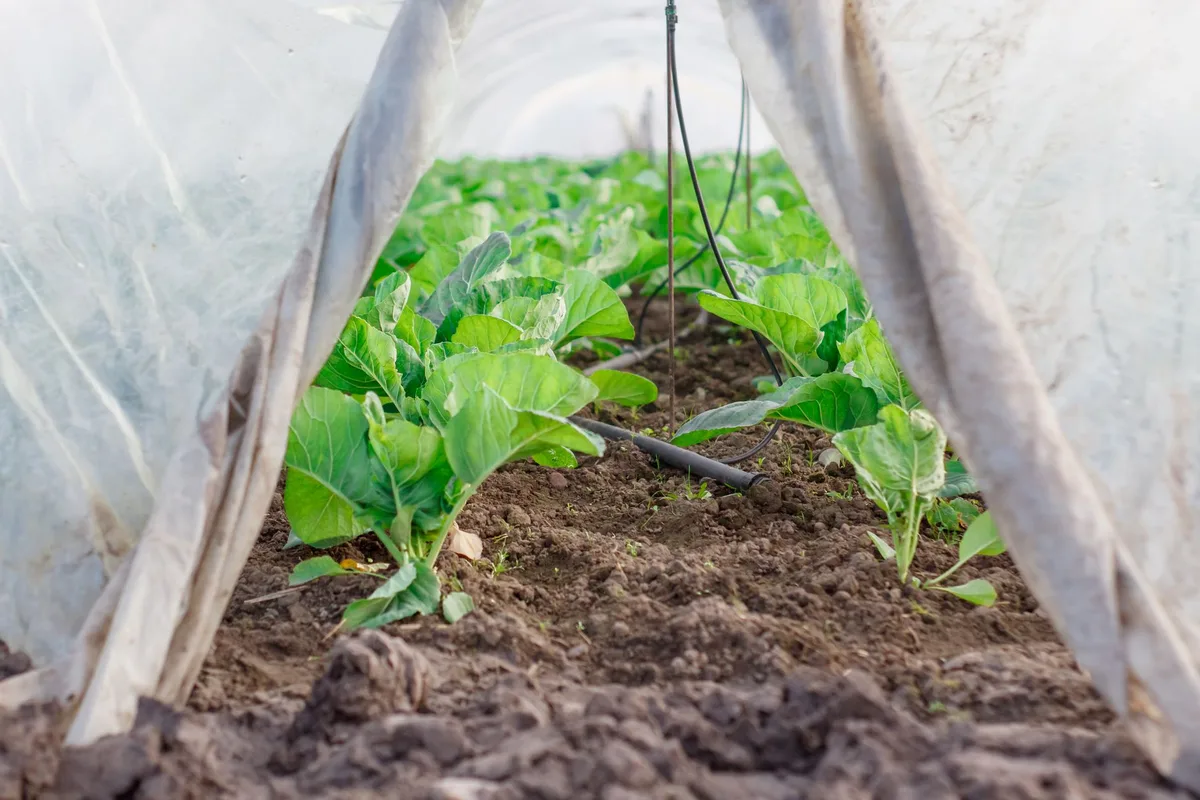
- Physical Barriers: Using lightweight row covers, especially during the early spring when bud weevils are most active, can prevent them from reaching your plants. Ensure the covers are sealed at the edges to prevent entry. Remember to remove them when plants need pollination, if applicable.
- Timing: Being vigilant in spring is crucial. Inspect plants daily for signs of weevil activity or clipped buds.
- Sanitation: Promptly remove and destroy any buds that show the characteristic "clipping" damage. This helps prevent further egg-laying and damaging cycles.
For Thrips: Dealing with the Undetected
Thrips are notoriously difficult to combat due to their small size and rapid reproduction.
- Water Management: Thrips prefer drier conditions. Ensuring your strawberry plants are consistently and adequately watered can make your garden less appealing to them.
- Reflective Mulches: Some research suggests that reflective mulches can help deter thrips by confusing them. This might be an option for larger-scale operations or if other methods prove insufficient.
- Inspect Thoroughly: Because they are so small, thorough inspection is key. Look closely within flower petals and on the undersides of leaves.
Step 3: Monitor and Maintain Your Defenses
Pest control is not a one-time event; it's an ongoing process. Regularly checking your strawberry plants will help you catch any new infestations early. If a particular pest problem resurfaces, repeat the intervention steps that proved effective.
Integrating these methods consistently is key to maintaining a healthy, productive strawberry patch. As of 2026, the emphasis in horticultural science continues to be on integrated pest management strategies that combine multiple control tactics for greater effectiveness and sustainability.
Common Mistakes That Let Bugs Win
Even with the best intentions, gardeners can make errors that allow pests to get the upper hand. Understanding these common pitfalls can help you avoid them and create a more resilient strawberry patch.
- Underestimating Pest Populations: If you see a few bugs, there are likely more hiding. Not addressing an issue when it's small can lead to a full-blown infestation that's much harder to control later.
- Applying Treatments Incorrectly: Using a pesticide at the wrong time of day, in the wrong concentration, or not covering the affected areas thoroughly can render it ineffective. This means you've wasted time and resources for no gain.
- Ignoring Preventative Measures: Relying solely on treatments rather than preventative actions like maintaining plant health or using physical barriers leaves plants vulnerable to initial attacks. Preventative actions are key to reducing the need for reactive treatments.
- Confusing Pests: Applying a solution meant for slugs to an aphid problem won't work and can even harm beneficial insects. Accurate identification is always the crucial first step.
Expert Tips for a Bountiful, Bug-Free Harvest
Drawing on horticultural research and expert recommendations, these tips can significantly improve your success in keeping pests away from your strawberries. They focus on proactive garden care and smart intervention.
- Feed Your Soil, Not Just Your Plants: Healthy soil encourages strong plant growth. Incorporating compost or other organic matter improves soil structure and nutrient availability. Healthy plants are generally more resistant to pest attacks. Consider using a balanced fertilizer formulated for fruits, applied according to manufacturer specifications, as part of your overall garden care. This can help ensure plants have the nutrients they need, especially during peak growing and fruiting seasons. For general garden health, learning about what fertilizer to use in spring at your garden can offer broader insights.
- Attract Natural Allies: Create an environment that welcomes beneficial insects. Planting a variety of native flowers and herbs nearby can provide food and habitat for ladybugs, predatory wasps, and lacewings, which are natural pest controllers. This supports a balanced garden ecosystem.
- Water Wisely: Water your strawberry plants consistently at the base, avoiding overhead watering whenever possible. Wet foliage can encourage fungal diseases and create damp conditions attractive to slugs and snails. Aim to water in the morning so plants can dry out during the day.
- Crop Rotation: While strawberries are often perennial, rotating where you plant them in your garden year to year (if practical for your space) can help break pest and disease cycles that build up in the soil over time.
- Mulch Effectively: Use mulch such as straw or pine needles around your plants. This helps retain soil moisture, suppress weeds, and keep fruit clean, but ensure it doesn't create an overly damp, slug-friendly environment close to the plant base.
When to Call in the Experts (Or Just Double-Check Your Work)
Sometimes, despite your best efforts, a pest problem can become overwhelming. Knowing when to seek further advice or re-evaluate your approach is a sign of a smart gardener.
- Widespread Damage: If you notice that a significant portion of your plants is affected, or the damage is so severe that you expect to lose most of your harvest, it's time to consider more intensive solutions or get expert advice. This might include consulting your local university extension office.
- Unidentified Pests: If you've tried to identify a pest but are still unsure, or if the damage doesn't match any common pest profiles you've studied, getting an expert opinion is valuable. Accurate identification is foundational to effective treatment.
- Persistent Infestations: If you've applied various methods consistently and the pest problem continues to worsen, there might be an underlying issue or a particularly resilient pest. This could be a good time to research simple DIY repairs for your gardening tools or consult local horticultural resources.
- Considering Stronger Solutions: If you are considering using any chemical pesticides, always do so with extreme caution, strictly following label instructions. However, many gardeners prefer to exhaust all organic and preventative measures first. Expert advice can clarify the safest and most effective options if non-chemical methods fail.
Frequently Asked Questions
How long does it take to see results after applying a pest control method?
Results vary depending on the pest and method. For physical removal like handpicking, you see immediate impact. For insecticidal soap or water sprays, you might see reduced aphid populations within hours.
Barriers and traps may take a few days to a week to significantly reduce pest numbers.
Are organic pest control methods as effective as chemical ones?
Organic methods can be highly effective when used correctly and consistently. They often require more observation and integrated strategies rather than a single quick fix. Chemical pesticides may offer faster knockdown but can harm beneficial insects and pose risks to the environment and human health if not used properly.
Can I plant strawberries near other garden plants without attracting pests?
Companion planting can help, but plant choice matters. Some plants might attract beneficial insects that prey on strawberry pests, while others might inadvertently attract the same pests or even repel beneficials. Researching specific companion planting strategies for strawberries is recommended.
What are the best times of year to be most vigilant for strawberry pests?
Spring is a peak time for many pests, including bud weevils and cutworms, as plants are establishing and flowering. Damp weather conditions in late spring and early summer can also increase slug and snail activity. Summer heat can sometimes encourage certain pests like spider mites, though they are less common on strawberries than other issues.