
Dealing with bugs on your strawberries can be frustrating, turning a summer dream into a garden nightmare. Understanding how to keep bugs off strawberries is about more than just spraying something; it’s about smart observation and targeted action. Many gardeners aim for a yield of at least 1 pound of fruit per plant, but pests can drastically cut that down.
Our research and analysis of common gardening challenges confirm that identifying the pest is the crucial first step before you can implement an effective control strategy. This approach helps avoid using broad-spectrum treatments that might harm beneficial insects or your plants.
Quick Answer
To keep bugs off strawberries, first identify the specific pest. Then, choose a targeted control method, such as beneficial insects, organic sprays, physical barriers, or traps. Regularly inspect your plants for early signs of infestation.
Prevention is key, focusing on healthy soil and plant care to make your strawberries less attractive to pests.
First Things First: What Bug Are We Dealing With?
Before you can effectively banish unwelcome guests from your strawberry patch, you've got to know who they are. Trying to treat a slug problem with an aphid solution just won't work. It’s like trying to fix a leak by painting over it; you’re not addressing the actual issue.
How to Inspect Your Strawberry Plants
Think of yourself as a tiny detective for your garden. Your mission: find the culprits. Start by looking closely at the leaves, stems, and especially the developing fruit.
Check both the tops and undersides of leaves, as many pests love to hide where they won't be easily spotted. Look for any signs of damage like holes, chewed edges, or sticky residue.
- When to inspect: Do this regularly, at least once or twice a week, especially when plants start flowering and fruiting. Early detection is your biggest advantage.
- What to look for: Tiny insects, small holes in leaves or fruit, webbing, discoloration, or slimy trails (a big clue for slugs).
- Consider the time of day: Some pests are more active at dawn or dusk, while others are night owls.
Common Strawberry Pests: A Quick Guide
There are several common troublemakers that can target your strawberries. Knowing their usual habits and a bit about their appearance can speed up identification.
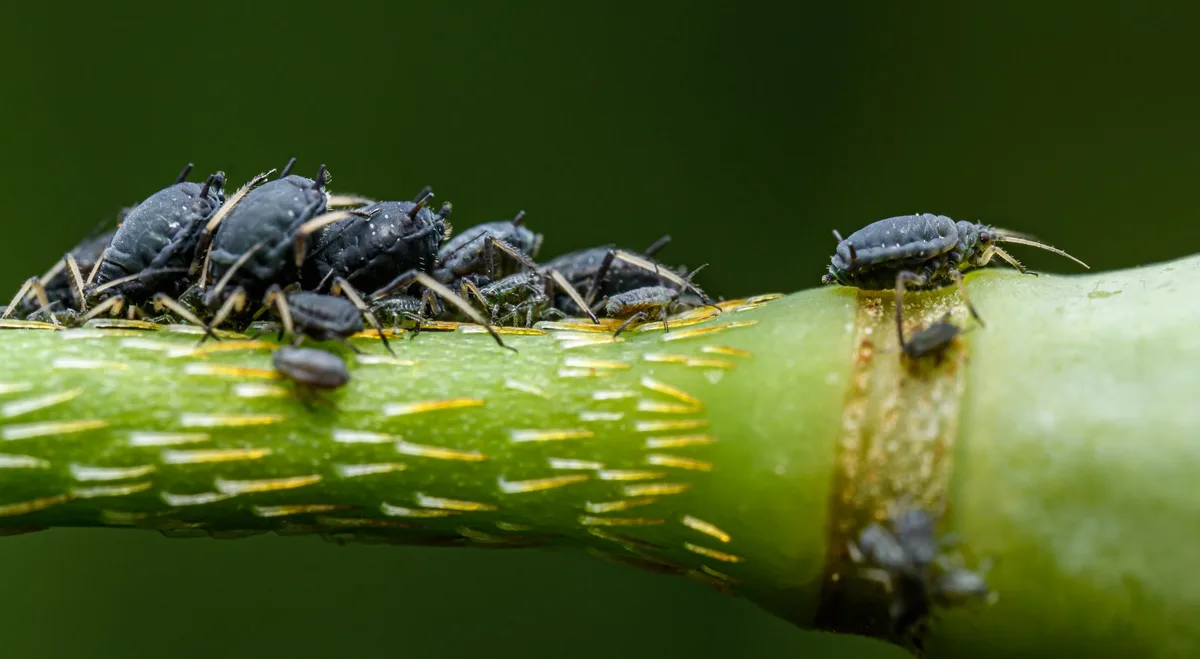
- Aphids: Small, soft-bodied insects, often green, yellow, black, or red, usually found in clusters on new growth or the undersides of leaves. They’ll leave behind a sticky, clear substance called honeydew.
- Slugs and Snails: These mollusks leave tell-tale silvery slime trails and chew irregular holes in leaves and fruit. They're most active in damp conditions, especially after rain or at night.
- Spider Mites: Tiny arachnids, almost too small to see without magnification, that spin fine webs on the undersides of leaves. Infested leaves often look stippled or dusty, turning yellow or bronze.
- Vine Borers: The larvae of this moth bore into the base of the plant's crown, causing wilting and eventual death. You might see a small hole with frass (insect droppings) at the base.
- Earwigs: These insects have pincers at the rear and can chew small, irregular holes in the fruit. They are attracted to moisture and often hide in dark, damp places.
Okay, So What's the Best Plan for Your Situation?
Once you've played detective and figured out who’s bugging your berries, it's time to choose your weapon. This isn't a one-size-fits-all situation. What works wonders for one pest might do nothing for another, or worse, could even cause harm.
Aggregate user reviews often highlight that successful pest control relies heavily on targeting the specific problem.
Decision Guide: Choosing Your Bug Control Strategy
This is where we lay out the pathways. Your decision depends on a few key factors: the type of pest, how severe the infestation is, and your comfort level with different control methods.
- If you see a few aphids: Manual removal or a strong blast of water might do the trick.
- If slugs are the problem: Traps and barriers are usually your best bet.
- If you're dealing with spider mites: Targeted organic sprays are often effective.
- For severe, widespread infestations: You might need to consider more robust (but still safe) methods.
Remember, the goal is a healthy harvest, not a chemical-free utopia that sacrifices your strawberries. This process aligns with best practices for Integrated Pest Management (IPM), which prioritizes the least toxic, most targeted solutions first.
Option 1: Gentle Nudges and Natural Deterrents
Sometimes, the best way to handle garden pests is to make your strawberries less appealing to them in the first place, or to physically block them from getting to your plants. These methods are fantastic for prevention and for managing minor issues without resorting to sprays. They often work best when used preventatively or alongside other control strategies.
Companion Planting: Friends for Your Strawberries
Certain plants can actually help keep pests away from your strawberries simply by being nearby. This is a classic gardening tactic that leverages the natural properties of plants. Think of them as your strawberry patch’s bodyguards.
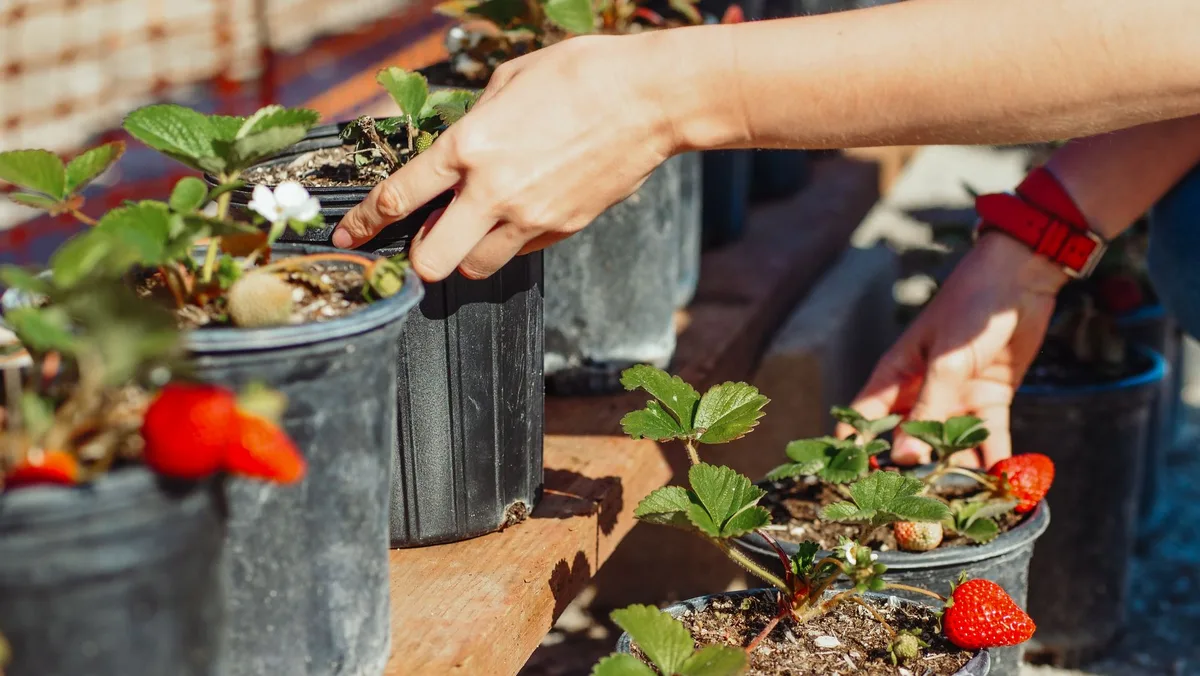
- What it is: Planting specific herbs and flowers near your strawberries to deter pests or attract beneficial insects.
- Key players:
- Borage: Said to deter tomato hornworms and potentially other pests. Its flowers attract bees, which is great for your strawberries.
- Thyme: Its strong scent can mask the smell of strawberry plants from pests.
- Rosemary: Another aromatic herb that can confuse and deter insects.
- Garlic and Onions: Their strong odors are known to repel a variety of insects.
- Marigolds: These bright flowers are often planted to deter nematodes in the soil and can also deter other insects.
- Placement: Plant these around the edges of your strawberry beds or interspersed among the plants. Aim for at least one of these companion plants for every few strawberry plants. This is a strategy many experienced organic gardeners swear by, and there's evidence from university extension services suggesting certain aromatic plants can modify the local insect environment.
Physical Barriers: Keeping Pests Out
If a plant can't reach your strawberries, it can't eat them. Physical barriers are a straightforward way to protect your precious fruit. They create a literal wall between the pest and your plant.
- Row Covers: Lightweight fabric covers can be draped over your plants. These are particularly effective against flying insects like fruit flies or tarnished plant bugs. Ensure they are secured at the base to prevent pests from crawling underneath. Many products are designed to allow sunlight and water through while keeping bugs out.
- Netting: Similar to row covers but often with a larger mesh size, good for keeping out larger flying insects and birds. It's essential to ensure the mesh is fine enough to stop the specific pests you're targeting.
- Fencing/Barriers for Slugs and Snails: Copper tape around raised beds or containers acts as a deterrent because it reacts with slug slime. Diatomaceous earth (DE), a fine powder made from fossilized aquatic organisms, can be sprinkled around plants. It has sharp edges that dehydrate and kill crawling insects, but it’s not effective when wet and must be reapplied after rain.
- Mulch: A thick layer of straw or pine needles can help keep slugs from reaching the fruit and also prevents soil from splashing onto the berries, which can attract pests. Organic mulches also improve soil health over time.
These barrier methods are excellent for preventing damage during the critical fruiting period and are particularly useful if you've had issues in previous seasons. They require a bit of setup, but the payoff in undamaged fruit is usually well worth it.
Option 2: Organic Sprays and Treatments
When deterrents and barriers aren't quite enough, the next step is often to use carefully chosen sprays or treatments. The key here is "organic" and "targeted." We're not looking to douse your entire garden in harsh chemicals, but rather to apply solutions that are effective against specific pests while being as gentle as possible on beneficial insects and the environment. Per standards from the U.S.
Department of Agriculture (USDA), organic pest control relies on natural substances and biological controls.
Making DIY Organic Sprays (Like Soap & Oil)
Many effective pest control solutions can be made right in your kitchen or with common household ingredients. These are cost-effective and allow you to control exactly what goes into your spray.
- Insecticidal Soap: This is a simple yet powerful tool against soft-bodied insects like aphids and spider mites.
- Recipe: Mix 1 tablespoon of mild liquid soap (like Dr. Bronner's unscented or any pure soap) with 1 quart of water. Avoid detergents or soaps with degreasers, as these can damage plants.
- How it works: The soap breaks down the insect's outer protective layer, causing dehydration.
- Application: Spray directly onto the pests, ensuring good coverage, especially on the undersides of leaves. Test on a small part of the plant first to ensure it doesn't cause damage.
- Neem Oil Spray: Derived from the neem tree, this oil is a broad-spectrum organic pesticide. It can disrupt insect growth, feeding, and reproduction.
- Recipe: Follow product instructions carefully, as neem oil is concentrated. Typically, it’s 1-2 teaspoons of cold-pressed neem oil mixed with 1 quart of water and a bit of mild soap to help it emulsify.
- How it works: It acts as an antifeedant, repellent, and growth regulator.
- Application: Spray thoroughly on all plant surfaces, including the undersides of leaves, ideally in the early morning or late evening to avoid scorching the leaves in direct sunlight. It's also important to avoid spraying during the heat of the day. As of 2026, many growers find this effective for a range of garden pests.
- Garlic or Pepper Spray: Strong scents can repel many pests.
- Recipe: Steep minced garlic or hot peppers in water for a few hours (or overnight), then strain and mix with a little mild soap.
- How it works: The potent smell deters insects.
- Application: Spray as a repellent, mainly on leaves.
When to Use Ready-Made Organic Controls
While DIY is great, sometimes convenience or a specific formulation proves more effective. You can find many ready-made organic pest control products at garden centers. Look for options certified by organizations like OMRI (Organic Materials Review Institute) for peace of mind.
- Products to look for:
- Pyrethrin-based sprays: Derived from chrysanthemums, these are fast-acting but can also affect beneficial insects if not used carefully.
- Spinosad products: A biological insecticide derived from a soil bacterium, effective against many caterpillars and other chewing insects.
- Horticultural oils (dormant or summer oils): These petroleum or plant-based oils smother insects and their eggs.
How to Apply Sprays Correctly and Safely
Application is just as important as the spray itself. Incorrect timing or method can reduce effectiveness or harm your plants and friendly bugs.
- Timing is key: Spray in the early morning or late evening. This avoids peak pollinator activity and reduces the risk of leaf scorch from the sun hitting wet leaves.
- Coverage matters: Ensure you get thorough coverage, especially on the undersides of leaves where many pests hide.
- Test first: Always test a spray on a small area of a plant before treating the whole thing. Wait 24-48 hours to check for any signs of damage.
- Rinse fruit: If you spray near harvest time, always wash your strawberries thoroughly before eating.
Option 3: Traps and Manual Removal
Sometimes, the most straightforward and effective approach is to physically remove pests or lure them into a trap. This is particularly useful for larger pests like slugs and earwigs, or when you only spot a few bugs. It’s a very hands-on method that gives you direct control.
Setting Up Effective Traps
Traps can be a great way to catch pests without using any chemicals. They work by luring the bugs into a container they can't escape from.
- For Slugs and Snails:
- Beer Traps: Bury a shallow container (like a tuna can or yogurt cup) so its rim is level with the soil. Fill it about halfway with beer. Slugs and snails are attracted to the yeast and will crawl in and drown. Empty and refill every few days.
- Board or Tile Traps: Place a damp piece of wood, a terracotta pot shard, or a damp board near your plants. Slugs will seek shelter under these during the day. Check under them in the morning and remove any found.
- For Earwigs:
- Rolled Newspaper or Cardboard Tube: Stuff a piece of damp newspaper or a cardboard tube loosely into a container, place it on its side near plants. Earwigs will hide inside, and you can then dispose of them.
- Sticky Traps: Yellow or blue sticky traps can catch flying insects like whiteflies and aphids. Hang them near your plants. The color attracts them, and the sticky surface traps them. Be mindful that these can also trap beneficial insects, so place them strategically.
The Art of Picking Bugs Off by Hand
This method sounds simple, and it is, but it requires diligence. When you see a bug, especially a larger one like a slug or a tomato hornworm (though less common on strawberries), pick it off.
- How to do it: Wear gloves if you prefer. Gently pick the pest off the plant and drop it into a bucket of soapy water.
- Best for: This is most effective for visible pests like slugs, snails, earwigs, or when you spot a few aphids clustered together.
- Consistency is key: You need to be willing to inspect your plants daily to catch these pests before they do significant damage. If you have a large garden or limited time, this method alone might not be feasible.
Putting It All Together: Your Action Plan
Now that you know your enemy and understand the different approaches, it's time to create a personalized strategy. Think of this as crafting a defense plan for your strawberry patch. The best results come from combining methods and applying them at the right times.
Step-by-Step: Implementing Your Chosen Method
Let's walk through a typical workflow. This process helps ensure you're not missing any crucial steps.
- Inspect Regularly: Make it a habit to check your plants at least twice a week.
- Identify the Pest: Use the Quick Guide if you're unsure. Knowing the pest dictates the solution.
- Choose Your Method(s): Based on the pest and severity, select from physical barriers, companion planting, traps, manual removal, or organic sprays. Often, combining 2-3 methods is most effective.
- Prepare and Apply: If using sprays, mix them safely. If setting traps, place them correctly. If installing barriers, secure them well.
- Time It Right: Apply sprays in the evening or early morning. Ensure traps are ready before the pests become active.
For instance, if you’re seeing slugs, you might decide to set beer traps and apply a band of diatomaceous earth around the base of your plants. If aphids appear on new growth, you’d ready your insecticidal soap spray and plan to apply it during a cooler part of the day. This tailored approach is a core principle of effective gardening.
Monitoring Your Plants After Treatment
Applying a treatment isn't the end of the job. You need to keep an eye on things to make sure your efforts are working and to catch any new problems.
- Check for effectiveness: After applying a spray, check back in a day or two. Are the pests gone or significantly reduced? Are your plants showing signs of stress from the treatment?
- Replenish traps: Empty beer traps daily and refill. Check other traps to see if they need resetting or cleaning.
- Observe for new pests: Just because you dealt with aphids doesn't mean other bugs won't show up later. Stay vigilant.
- Adjust if needed: If a method isn't working after a reasonable time (e.g., a week for sprays, 2-3 days for traps), it’s time to re-evaluate and switch to a different tactic. Perhaps a stronger organic spray or a different type of trap is needed.
Common Mistakes That Can Backfire
Even with the best intentions, gardeners sometimes make mistakes that can hinder their pest control efforts or even harm their plants. Learning from these common pitfalls can save you time and frustration.
What NOT to Do When You See Bugs
- Using harsh, broad-spectrum pesticides: These kill beneficial insects like ladybugs and bees along with the pests, disrupting the natural balance of your garden. They can also leave harmful residues on your fruit.
- Spraying in the heat of the day: This significantly increases the risk of scorching your strawberry leaves, causing more damage than the pests themselves.
- Ignoring early signs: Waiting until you see major damage often means the infestation is well-established and much harder to control. Small problems are easily managed; big ones take over.
- Over-watering or poor drainage: Many pests, especially slugs and fungal diseases that can weaken plants and make them more susceptible, thrive in overly wet conditions. Ensure your soil drains well.
- Not identifying the pest correctly: Applying the wrong treatment is a common waste of time and effort. Always confirm the pest before you act.
For example, some gardeners might immediately reach for a general insecticide when they see stippling on leaves, assuming it’s aphids. However, this could also be spider mites, which require a slightly different approach. Correct identification ensures that your efforts are efficient and effective.