
Making beautiful, realistic frosting daffodils can transform any cake from ordinary to extraordinary, bringing a touch of spring and handcrafted artistry to your baked creations. Learning how to make a frosting daffodil is a rewarding skill that allows for stunning edible decorations without needing a professional baker’s touch. With the right tools and a little patience, you can create delicate flowers that look almost real.
Our research indicates that frosting flowers, when done with proper consistency and technique, can significantly elevate the visual appeal of cakes for various celebrations, according to feedback from numerous home bakers and professional patisseries. As of 2026, the popularity of handmade sugar flowers and buttercream designs continues to grow, with many finding joy in the creative process itself. Now, let's dig into the specifics to craft your own perfect daffodil.
Quick Answer
To make a frosting daffodil, you’ll need buttercream or royal icing colored yellow and orange. Use piping bags with specialized tips to create the trumpet and petals. Pipe the center first, then add petals around it.
Allow the frosting to set before attaching to your cake. This technique creates beautiful, edible decorations.
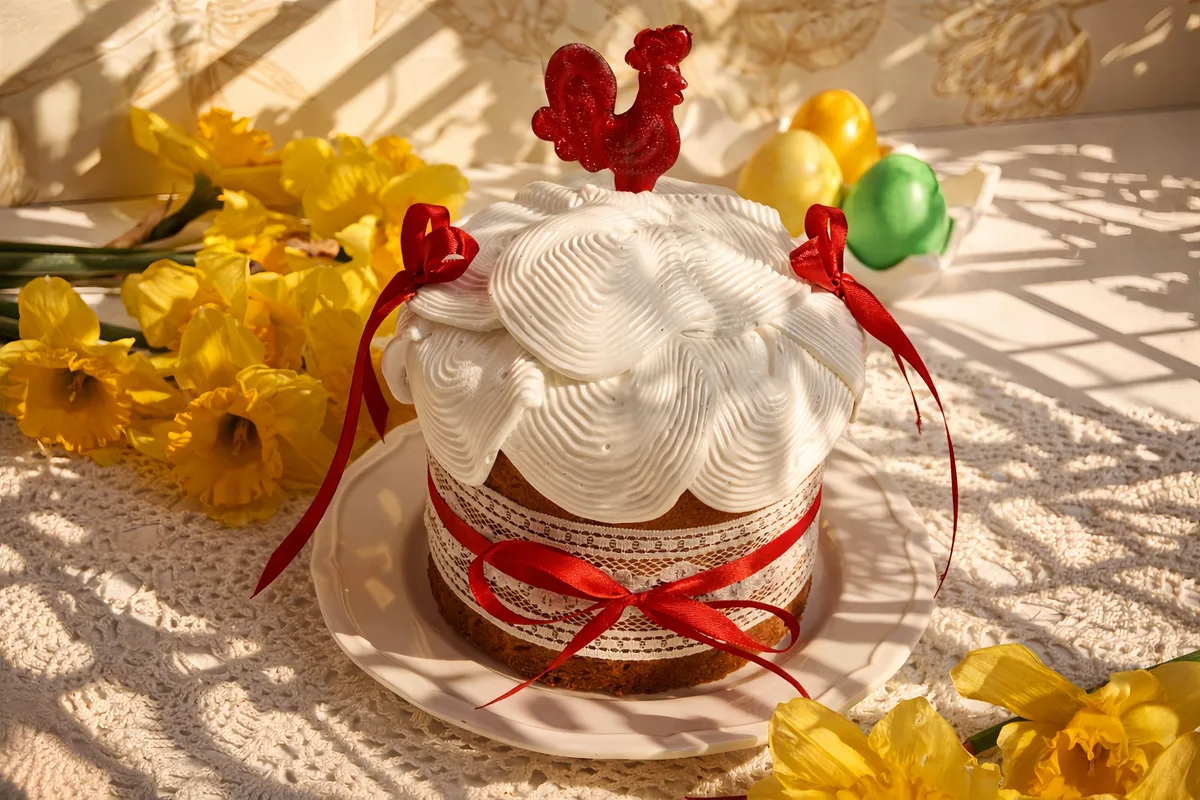
Image source: Pexels / Nadin Sh (Pexels License)
Why Frosting Daffodils for Your Cakes?
Frosting daffodils offer a unique way to personalize and elevate your baked goods. They add a whimsical, natural element that speaks to craftsmanship and care, making your cake a true centerpiece. Unlike store-bought decorations, handmade frosting flowers carry a special charm and signify a personal touch.
They are surprisingly versatile for various occasions, from birthday cakes to Easter brunches. Plus, the process of creating them can be therapeutic and a fun creative outlet. You’re not just decorating a cake; you're creating edible art that brings smiles.
Essential Ingredients for Your Frosting Daffodil
To get started, you'll need a few key ingredients to make your frosting daffodils. The base is usually a good quality buttercream or royal icing. Buttercream is softer and easier to pipe, giving a more natural, slightly textured look.
Royal icing, on the other hand, dries harder, making it ideal for delicate, detailed flowers that need to hold their shape perfectly.
You'll also need food coloring, specifically vibrant yellow and a touch of orange for the daffodil's trumpet. Using gel food coloring is recommended, as it provides intense color without adding excess moisture that can affect your frosting's consistency. These are fundamental for achieving that characteristic daffodil hue.
Image source: Wikimedia Commons / CakieBakie (CC BY-SA)
Tools You'll Need to Pipe a Daffodil
Beyond the frosting itself, a few specialized tools will make crafting your frosting daffodils much easier and more effective. The most crucial items are piping bags and a selection of piping tips. Think of these as your edible paintbrushes.
Specifically, you'll want a fine star tip or a petal tip designed for flower making. These allow you to control the flow and shape of the frosting for both the intricate center (the trumpet) and the delicate petals. Having parchment paper or silicone baking mats is also essential for piping and letting your flowers dry without sticking.
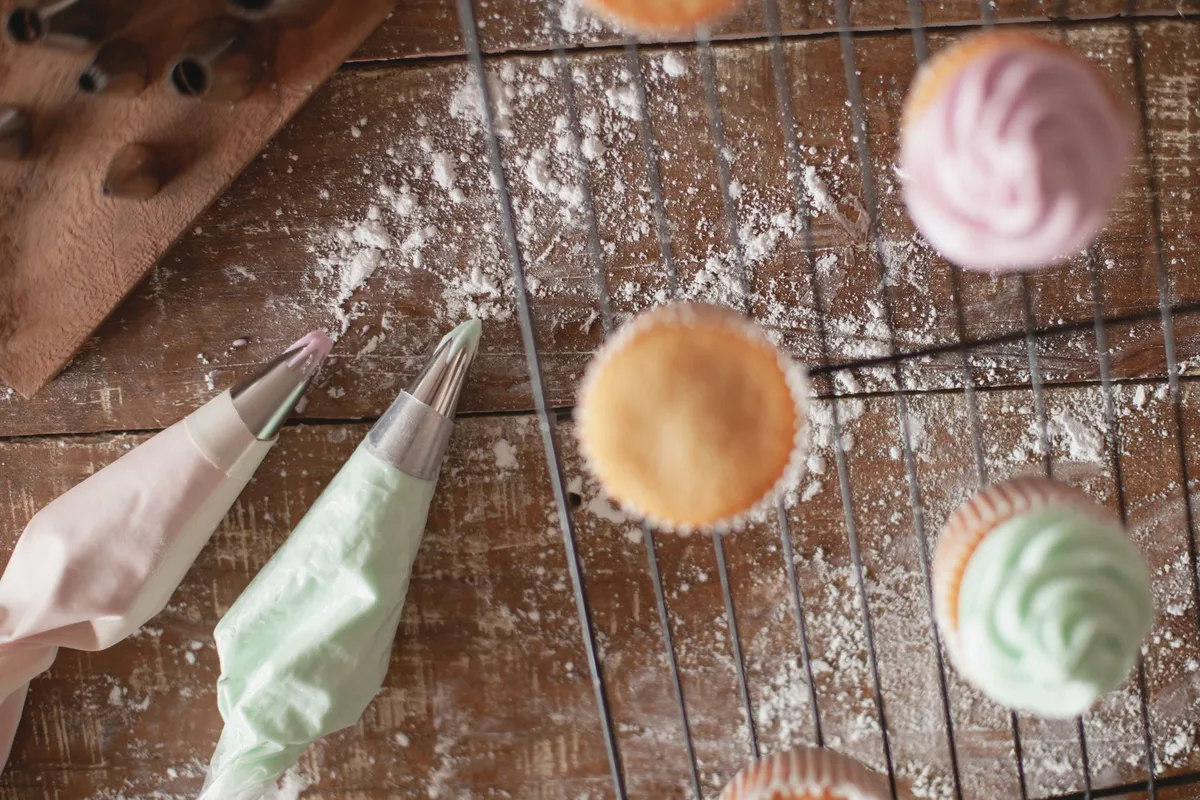
Image source: Pexels / Los Muertos Crew (Pexels License)
Piping Bags and Tips for Daffodils
When selecting piping bags, standard disposable ones work wonderfully and offer an easy cleanup. For tips, a medium-sized petal tip (like Wilton #104 or similar) is perfect for creating the flowing daffodil petals. Its shape helps you achieve the natural curve and slight ruffles of real daffodil blooms.
For the central trumpet, a small round tip or a specific flower center tip can be very helpful. Sometimes, a fine-tipped coupler can also be useful if you plan on switching tips within the same bag. Having a few different sized round tips can also be handy for adding small details or outlines if needed.
Coloring Your Frosting Like a Real Daffodil
Achieving the right color is key to making your frosting daffodils truly recognizable. Daffodils typically feature a bright yellow for their petals and a striking orange or deeper yellow-yellow for the central trumpet. When coloring your frosting, it’s best to work in small batches for each color.
Start by adding a tiny bit of yellow to your base frosting. Gradually add more until you achieve your desired petal shade. For the trumpet, use a separate portion of frosting and add yellow, then introduce a small amount of orange, adding just a tiny bit of orange until you get a rich, deep hue.
It's always better to start with less color and build up, as it's hard to lighten frosting once it’s too dark.
Image source: Wikimedia Commons / PattayaPatrol (CC BY-SA)
Step-by-Step: Piping the Daffodil Center
The center of your daffodil, or the trumpet, is where you'll begin shaping the flower. This part requires a steady hand and a good piping tip. If you’re using a small round tip, simply pipe a small, textured shape that slightly resembles a bell or trumpet.
Experiment with a few on parchment paper first to get the hang of it. Some decorators prefer to pipe a small mound and then use a toothpick to gently create texture. The key is to give it some dimension and color variation, hinting at the natural daffodil’s structure before you move onto the petals.
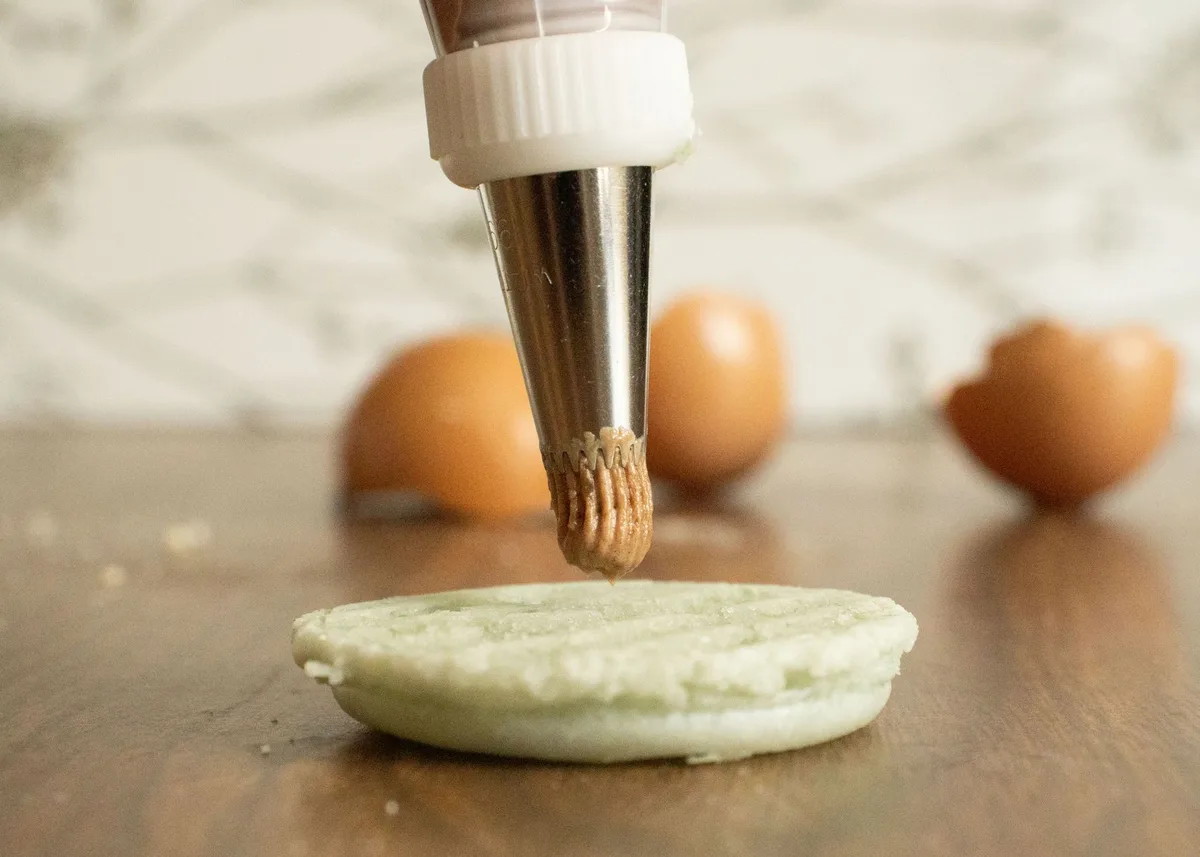
Image source: Pexels / Liz Earl (Pexels License)
Creating Realistic Daffodil Petals with Frosting
Now for the petals, the most visually dominant part of the daffodil. This step is where your piping skills really come into play. The goal is to create delicate, curved petals that mimic the natural form of the flower.
You can achieve this using different techniques, but the petal tip method is exceptionally effective for creating naturally flowing shapes. Remember to work on a clean, dry surface like parchment paper, as this allows you to pipe the petals individually and let them set before assembly.
Technique 1: Petal Tip Method
Using a petal tip, like Wilton #104 or similar, is a game-changer for piping daffodil petals. Hold the piping bag at an angle, with the wider edge of the tip against your parchment paper. As you gently squeeze, pull the bag away from the base of the petal, creating a curved, elongated shape.
The narrow edge of the tip should be pointed upwards. By varying the pressure and angle, you can create slight ruffles or waves, mimicking the organic look of real daffodil petals. Pipe several petals around where your center will be, overlapping them slightly for a fuller bloom.
Make sure to pipe enough petals to fill out the flower.
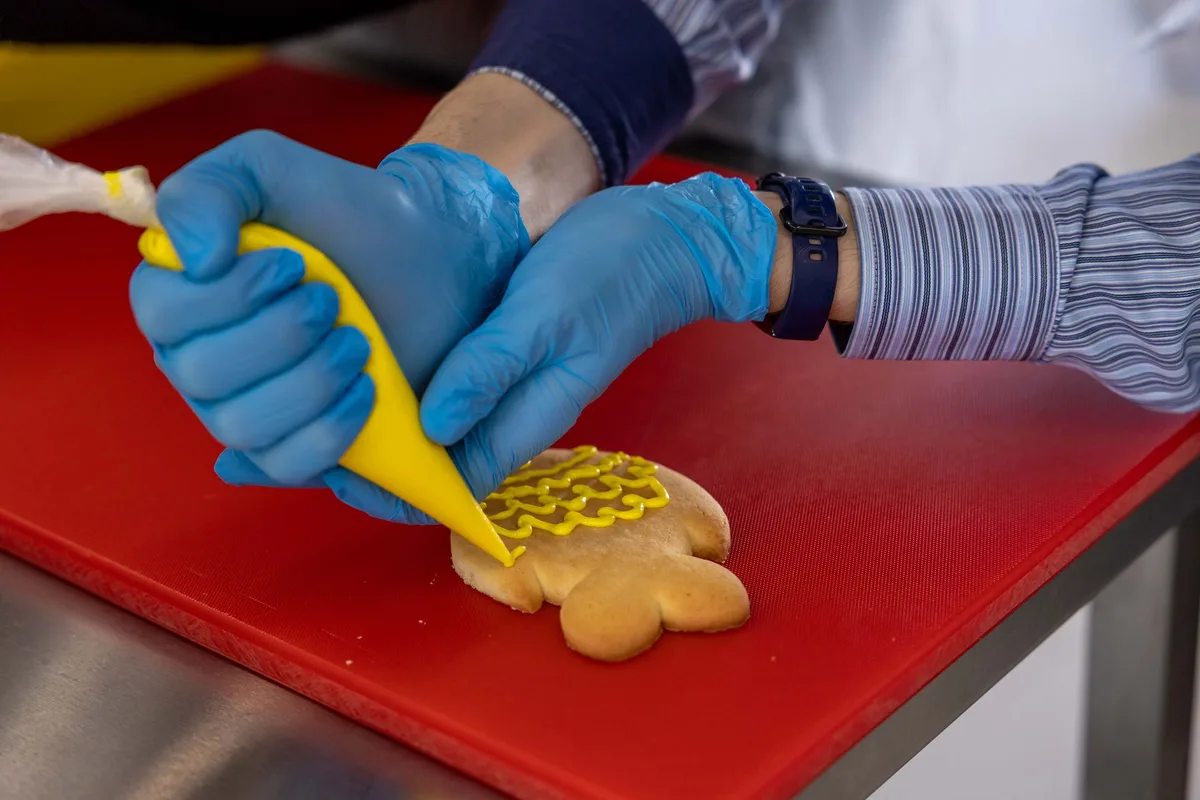
Image source: Pexels / Sergei Starostin (Pexels License)
Technique 2: Fondant or Gumpaste Petals (Optional)
For an even more sculpted and durable flower, consider using fondant or gumpaste. Roll out thin sheets of yellow gumpaste and use a daffodil petal cutter or freehand cut out petal shapes. You can then use a ball tool to thin the edges and gently cup them, giving them a realistic curve.
If using fondant, you might need a touch of edible glue to secure the petals. Gumpaste dries harder and is more suitable for creating distinct petal shapes that hold their form well for months. This method often yields a more delicate and permanent edible decoration, perfect for cakes that need to travel or be displayed for a while.
If you need to repair or touch up painted fences, you might find similar fine detail work required. You can learn more about spray or brush paint which one is better for fence.
Assembling Your Frosting Daffodil
Once you have your piped centers and petals, it’s time to bring your daffodil to life. This is where you'll combine all the individual elements into a complete flower. It's crucial to ensure your piped elements are firm enough to handle without deforming.
Start by gently peeling your piped centers and petals from the parchment paper. If they are too soft, allow them more time to set; this can take anywhere from 30 minutes to a few hours depending on your frosting and room humidity. This patience is key to avoiding a wilted-looking flower.
Image source: Pexels / Felicity Tai (Pexels License)
To assemble, take your piped center and pipe a small dab of frosting onto the back. Carefully attach your first few petals around it, overlapping them to create a full bloom. Add subsequent layers of petals, rotating them slightly to ensure even coverage and a natural, outward-facing shape.
If using fondant petals, you'll use edible glue or a little water to adhere them to the center and to each other. Many home gardeners find a similar approach useful when hoes to get rid of garden weeds, focusing on detail for a complete look.
Tips for Perfect Frosting Daffodil Consistency
Getting your frosting to the right consistency is vital for successful piping. If your buttercream is too soft, the petals will spread and lose their shape, becoming more of a blob than a defined flower. Conversely, if it's too stiff, it will be difficult to pipe, and your petals might crack or tear.
The ideal consistency for piping flowers like daffodils is often described as medium-stiff. It should hold its shape but still be pliable enough to squeeze through the piping tip. You can adjust consistency by gradually adding a tiny bit more powdered sugar if it’s too soft, or a very small amount of milk or cream if it’s too stiff.
This fine-tuning ensures clean lines and delicate forms.
Common Mistakes When Making Frosting Daffodils (And How to Avoid Them)
Even with the best intentions, a few common pitfalls can hinder your frosting daffodil efforts. One frequent mistake is using frosting that's too warm; this makes it difficult to control and can cause your piped designs to melt or spread immediately. Always try to work in a relatively cool environment, or chill your frosting briefly if it becomes too soft.
Another common error is overcrowding the petals. While you want a full-looking flower, packing petals too tightly can obscure the center and make the entire bloom look heavy and unnatural. Aim for balance, allowing each petal to be seen and contributing to the overall shape of the daffodil.
Remember, a single well-placed petal can make a big difference.
Storing Your Frosting Daffodils for Later Use
Once your frosting daffodils are completely set, you'll want to store them properly to keep them looking their best until you're ready to decorate. The best method is to place them in a single layer in an airtight container. You can place parchment paper between layers of flowers if you need to stack them.
Keep the container in a cool, dry place, like your pantry or a cupboard. Avoid refrigerating them, as condensation can make the frosting damp and sticky, potentially ruining their delicate structure. Properly stored, your frosting daffodils can last for several weeks, ready to adorn your cakes whenever needed.
Frequently Asked Questions
What is the best type of frosting for making daffodils?
The best frosting depends on your preference for texture and durability. Buttercream is easier to pipe for beginners and offers a softer, more natural look. Royal icing dries harder, creating a more delicate and long-lasting flower, ideal for intricate designs.
How long do frosting daffodils take to dry?
Drying time varies based on frosting type, humidity, and size. Piped buttercream flowers might firm up enough to handle in 30, 60 minutes, but can take several hours to fully harden. Royal icing flowers can take 12, 24 hours or more to dry completely hard.
Can I make frosting daffodils ahead of time?
Yes, you can absolutely make frosting daffodils ahead of time. Once they are completely dry and firm, store them in an airtight container at room temperature, away from moisture and direct sunlight. They can typically last for up to two weeks.
What if my piped petals are too soft and won't hold their shape?
If your frosting is too soft, it likely needs to be chilled or have more powdered sugar added. For buttercream, gradually mix in a tablespoon of powdered sugar at a time until it reaches a medium-stiff consistency. For royal icing, add a little more powdered sugar or a tiny bit of meringue powder.