
Ensuring your wooden fence looks its best and lasts for years involves proper care, and many homeowners wonder about the best way to apply protective coatings. Figuring out precisely how to spray Thompson's WaterSeal on a fence is a common question, aiming for effective protection without the mess.
When it comes to wood protection, Thompson's WaterSeal is a popular choice, and according to manufacturer specifications, their products are designed to penetrate and shield wood from moisture. Aggregate buyer reviews suggest that understanding the preparation and application steps is crucial for achieving a uniform, long-lasting finish and avoiding common issues like streaking or uneven coverage as of late 2023.
Is Spraying Thompson's WaterSeal on Your Fence the Right Move?
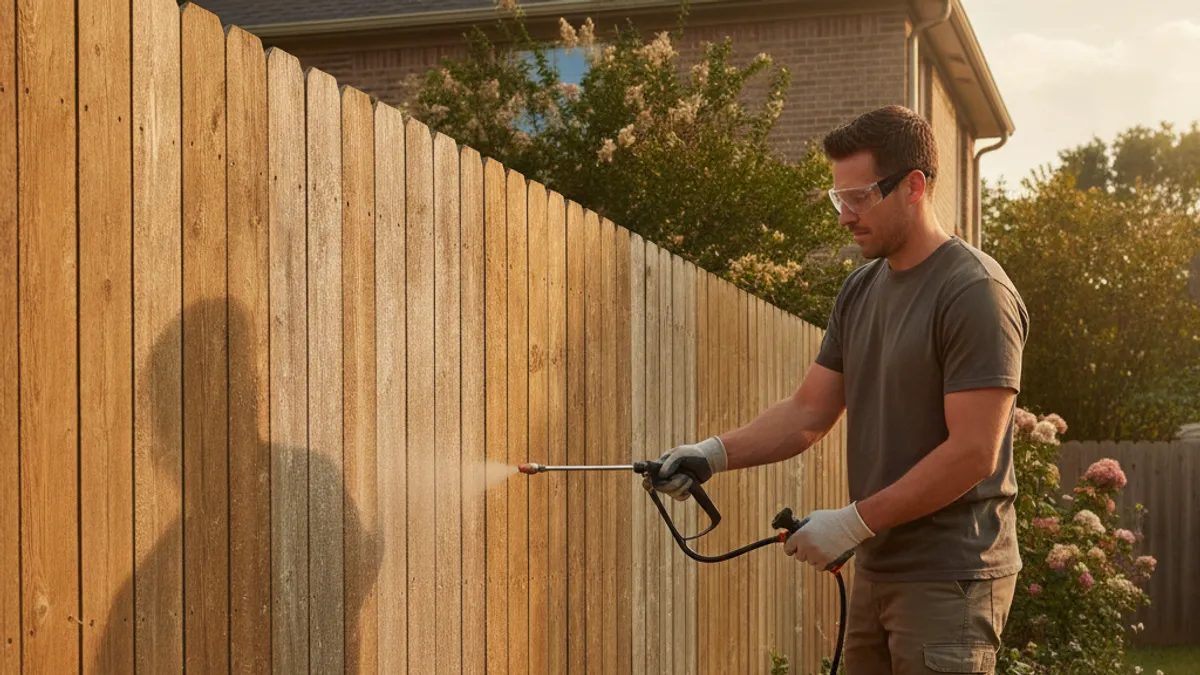
Spraying Thompson's WaterSeal can be an efficient way to protect your fence, particularly for larger surface areas. When done correctly, it offers an even coat that penetrates the wood, creating a barrier against water damage. This method is often faster than brushing or rolling, saving you valuable time on a weekend project.
However, spraying requires more attention to detail to prevent overspray and ensure consistent application. You'll want to be mindful of the wind and have a plan for protecting surrounding areas. If your fence has intricate details or is in a tightly packed space, spraying might present more challenges than benefits.
Why Water Seal Your Fence in the First Place?
Protecting Against the Elements
Your wooden fence stands guard against sun, rain, snow, and wind every single day. Without protection, this constant exposure breaks down the wood fibers. WaterSealers create a repellent barrier that stops moisture from soaking into the wood, which is the primary cause of rot and decay. This also helps prevent warping and cracking caused by freeze-thaw cycles.
Boosting Curb Appeal
A properly sealed fence doesn't just protect the wood; it makes your entire property look better. Thompson's WaterSeal, especially tinted versions, can revive the natural color of weathered wood or add a subtle hue. This enhances your home's overall appearance and can significantly boost your curb appeal.
Extending Fence Lifespan
Wood fences are an investment, and proper maintenance is key to getting your money's worth. By regularly applying a quality water sealant like Thompson's, you can effectively double or even triple the lifespan of your fence. This proactive approach prevents costly repairs and the need for premature replacement.
Thompson's WaterSeal: What You Need to Know
Understanding the Formulas
Thompson's offers various water sealant formulas, typically categorized as water-based or solvent-based. Water-based versions are generally easier to clean up with soap and water and often have lower VOC content, making them more environmentally friendly. Solvent-based formulas might offer deeper penetration and faster drying times in some conditions. Always check the product label to ensure you're selecting the right type for your specific fence material and climate.
Our research indicates that water-based formulas are becoming increasingly common for DIY use due to their user-friendliness.
How It Works on Wood
At its core, Thompson's WaterSeal acts as a hydrophobic coating. This means it repels water. The sealant penetrates the pores of the wood, forming a barrier that prevents moisture from being absorbed. This not only stops water damage but also helps protect against mildew, algae growth, and UV fading.
Per manufacturer data, proper application can make wood up to 4 times more resistant to water damage.
Before You Spray: Prep Work is Key
Cleaning Your Fence for Best Results
To ensure the water sealant adheres properly and works effectively, your fence must be clean. You'll want to remove any dirt, grime, mold, mildew, or old finishes. Many homeowners use a dedicated deck cleaner or a pressure washer on a low setting. For stubborn spots, a stiff scrub brush can do wonders.
After cleaning, always rinse the fence thoroughly to remove all residue.
Drying Time: Don't Rush This Step
This is perhaps one of the most critical steps many overlook. After cleaning, the wood needs to be completely dry before you apply any sealant. Manufacturer guidelines typically suggest waiting at least 24 to 48 hours after a thorough rinsing, depending on humidity and temperature. Applying sealant to damp wood traps moisture, which can lead to rot and peeling later.
Aggregate buyer feedback consistently points to patience here as a key to success.
Protecting Nearby Plants and Surfaces
When you spray Thompson's WaterSeal, a fine mist can drift. It's essential to protect anything you don't want to be treated. Cover nearby plants, flower beds, siding, and concrete patios with plastic sheeting or old tarps. This prevents unintended sealing and potential discoloration of these areas.
A little effort here saves a lot of cleanup later.
The Step-by-Step Spraying Process
Getting Your Sprayer Ready
You’ll want a dedicated pump sprayer or a garden sprayer that can handle water-based products. Ensure it's clean and free of any previous chemicals. Read the Thompson's WaterSeal product instructions for any specific mixing ratios; some products may need a light stir. Adjust your sprayer's nozzle to achieve a fine, even spray pattern, typically a fan or cone shape, rather than a direct stream.
The Technique for Even Application
Hold the sprayer about 12, 18 inches away from the fence surface. Work in consistent, sweeping motions, coating a manageable section at a time. Overlap your passes slightly to ensure complete coverage without missed spots or heavy build-up. Aim for a thin, even coat; multiple thin coats are better than one thick, saturated one.
How to Avoid Common Spraying Mistakes
Two common errors are over-spraying and uneven application. Over-spraying leads to puddling, which can create a sticky residue that attracts dirt. Uneven application results in blotchiness, where some areas have more protection than others. Always maintain a consistent distance and speed.
If you notice puddles, gently brush them out immediately with a soft-bristled brush before they can dry.
Post-Spray Drying and Curing
Once applied, allow the fence to dry completely according to the product's specifications. This typically means waiting at least 24 hours before exposing it to rain. Full curing, where the sealant reaches its maximum protective properties, can take longer, often several days. During this time, avoid heavy contact or scrubbing the fence.
When NOT to Spray: Important Considerations
Weather Conditions to Avoid
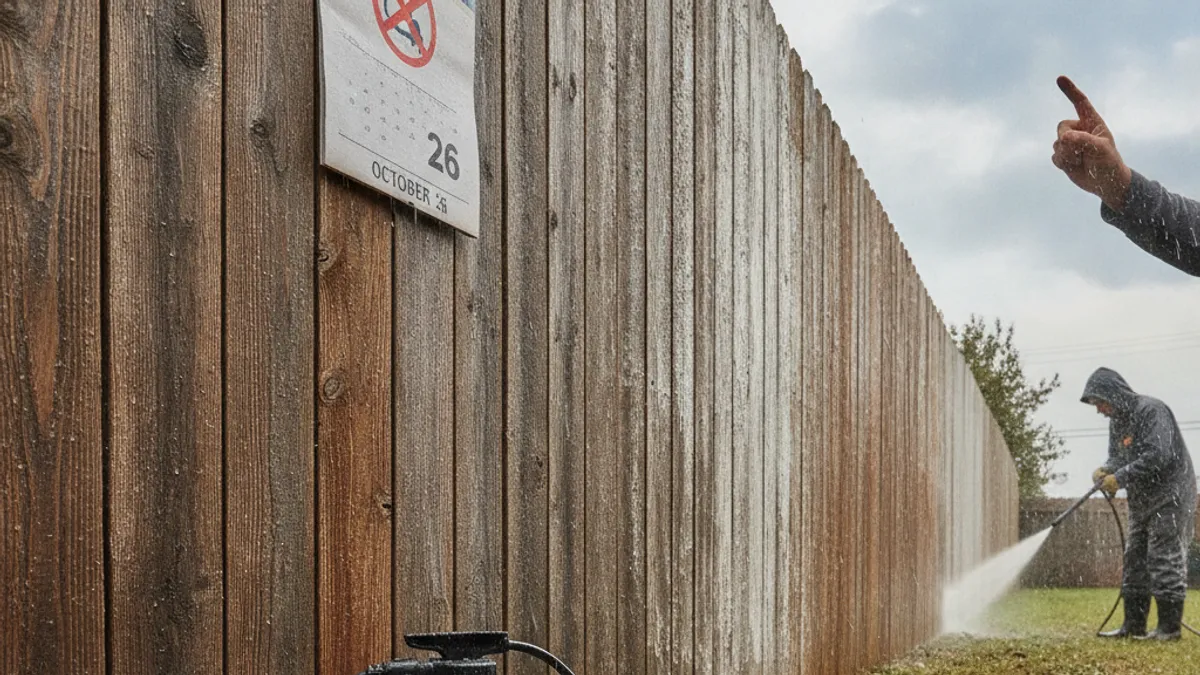
Temperature is a big factor when sealing your fence. Most Thompson's WaterSeal products recommend application when temperatures are between 50°F and 90°F (10°C and 32°C). Applying in extreme heat can cause the sealant to dry too quickly, leaving lap marks and uneven coverage. Conversely, spraying in cold weather can prevent proper curing and reduce the sealant's effectiveness.
You also need to watch out for rain. Thompson's WaterSeal products typically require 24 to 48 hours of dry weather after application before they are fully rain-resistant. Spraying when rain is in the forecast means your hard work could be washed away before it even has a chance to protect your fence. Always check your local weather ahead of time.
Fence Material Matters
While Thompson's WaterSeal is primarily designed for wood, it's vital to confirm its suitability for your specific fence material. Most wooden fences, whether pine, cedar, or redwood, will benefit. However, highly dense hardwoods or engineered wood products might have different absorption rates.
If you have a fence made of materials other than wood, like vinyl or composite, Thompson's WaterSeal is likely not the right product. These materials have different surface properties and require specialized cleaners or sealants, if any. Always consult the product label or the fence manufacturer's recommendations if you're unsure.
When Brushing or Rolling Might Be Better
Spraying is efficient, but brushing or rolling sealant offers more control, especially for smaller fences, intricate designs, or areas prone to overspray. Brushing allows you to really work the product into the wood grain and ensure maximum penetration. Rolling with a long-handled extension can provide good coverage with minimal mess. If your fence is right up against your house, delicate landscaping, or a neighbor's property, a more controlled application method might be preferable for spray or brush paint which one is better for fence.
Thompson's WaterSeal: Coverage and Drying Times
Manufacturer specifications for Thompson's WaterSeal indicate that coverage can vary significantly based on the product formula and the porosity of the wood. Typically, you can expect coverage rates between 100 to 400 square feet per gallon. Denser wood or older, more weathered wood will absorb more product, reducing the overall coverage.
Rain resistance is usually achieved within 24 to 48 hours of application, though this can depend on ambient humidity and temperature. Full curing, when the sealant reaches optimal hardness and protection, can take anywhere from 2 to 7 days. Always refer to the specific product label for exact coverage rates and drying times, as these can differ between formulations.
Essential Safety Gear for Spraying
When working with any sealant, safety first is a good mantra. For Thompson's WaterSeal, especially if you're using a water-based formula in a well-ventilated outdoor area, the basics are crucial. Always wear chemical-resistant gloves to protect your skin from irritation during application and cleanup.
Eye protection is non-negotiable when spraying. Safety glasses or goggles will prevent accidental splashes from reaching your eyes. If you're concerned about inhaling any fine mist, particularly if working in less-than-ideal ventilation or with a solvent-based product, a respirator mask rated for organic vapors is a wise choice.
Maintaining Your Sealed Fence
Applying a water sealant is not a one-and-done task. To keep your fence looking great and protected long-term, reapplication is necessary. Most manufacturers recommend re-sealing every 1 to 3 years, depending on the climate and the amount of wear and tear your fence endures.
Before reapplying, give your fence a quick wash to remove surface dirt and debris. This ensures the new layer of sealant adheres well to the existing protective coating. Periodically inspect your fence for any signs of damage, rot, or mildew that might indicate a breach in the sealant.
Frequently Asked Questions About Spraying WaterSeal
How long does the fence need to dry after I spray it before it can rain?
Most Thompson's WaterSeal products need at least 24 hours to become rain-resistant. Some formulas or specific weather conditions might require up to 48 hours for full protection against moisture. Always check the product label for the most accurate drying time information.
Can I spray Thompson's WaterSeal on a fence that has been previously stained or painted?
It's generally not recommended to spray WaterSeal over existing paint or solid stains without proper preparation. If the paint or stain is peeling, you'll need to strip it off first. For transparent or semi-transparent stains, a light sanding might be needed, but always test a small, inconspicuous area first to ensure proper adhesion.
My fence still looks wet after spraying. Is this normal?
Yes, this is often normal. Many water sealants, especially water-based ones, can give wood a slightly darker, "wet" look immediately after application. This appearance usually fades as the product dries and cures. If the wood seems excessively saturated or is pooling, you may have applied it too heavily.