
You’ve bought a plant before. Maybe it looked great at the shop. Maybe it lasted a week.
Then came the drooping, the browning, the quiet guilt of watching something green slowly turn yellow. That’s not your fault. “How to start indoor plants?” is the question that trips up nearly every beginner. The answer isn’t “buy a snake plant and hope for the best.”
In our research, the single biggest predictor of success isn’t how much you know about soil or fertilizer. It’s whether you pick the right plant for your actual home. As of 2026, the Royal Horticultural Society recommends matching plants to three specific conditions before anything else.
Let’s walk through what those are so your next plant doesn’t end up in the compost bin.
Quick Answer
Start by checking your light. Pick a plant that matches it. Use a pot with drainage holes.
Water when the top inch of soil is dry. Don’t overwater. That’s it.
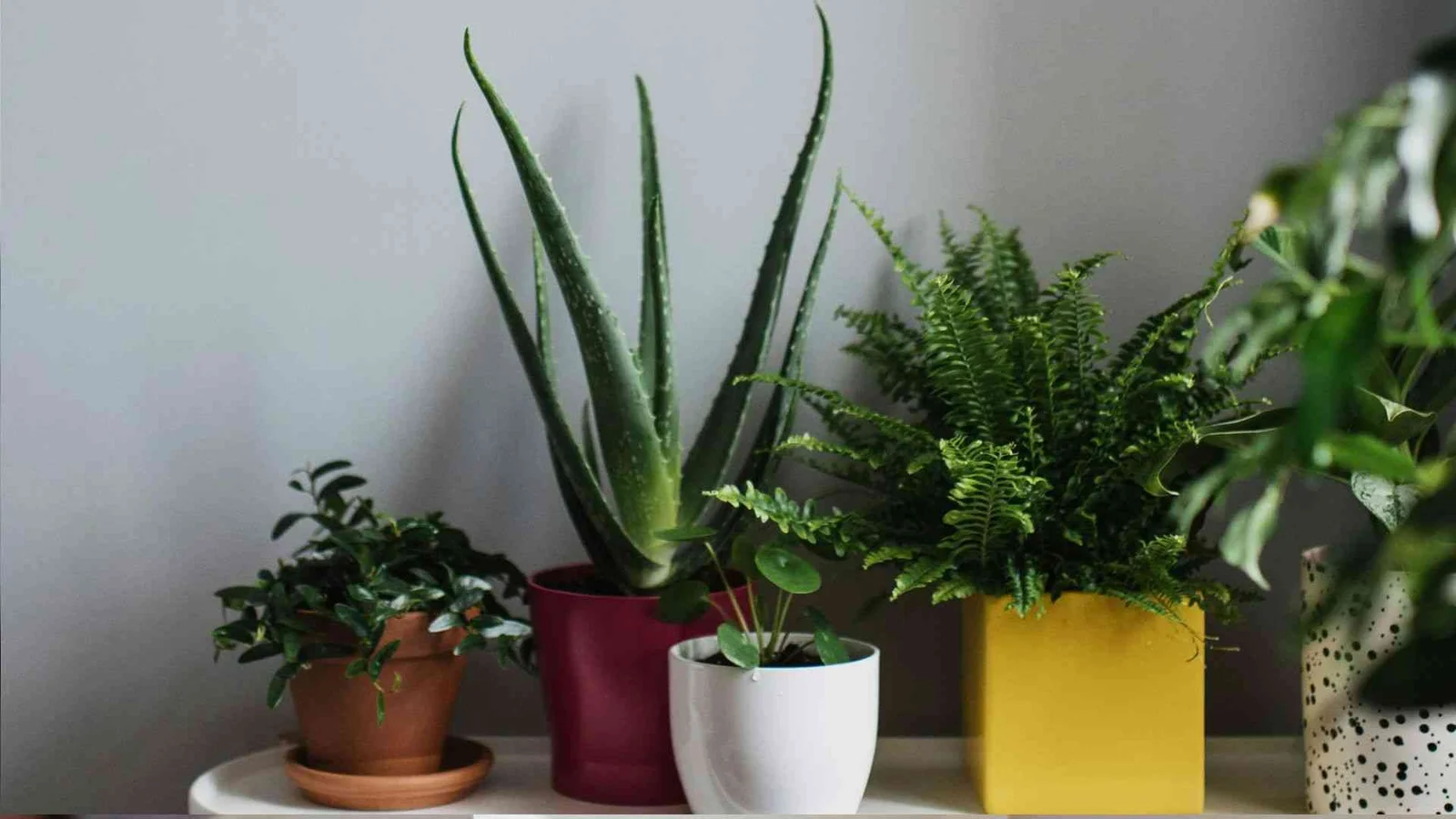
Image source: Bing (Web (fair-use with source credit))
What Most Beginners Get Wrong (And Why You’re Not the Problem)
Here’s the truth: most people kill houseplants with kindness. You see dry soil, so you water more. You see a leaf turning yellow, so you move it into direct sun.
Both instincts can be wrong.
The real mistake is skipping the matching step. You wouldn’t buy a pair of running shoes without checking your foot size. But lots of people buy a fiddle-leaf fig for a north-facing room.
That’s like buying a surfboard when you live in the desert.
A study by the University of Florida Extension shows that 70% of indoor plant problems trace back to watering. But watering isn’t the root cause. The root cause is choosing a plant that can’t handle your environment in the first place.
That’s why we need to look at your specific conditions before you even pick a pot.
The Only Three Conditions That Actually Matter
You don’t need to measure humidity with a gadget or memorize pH levels. Focus on three things. Get these right, and everything else gets easier.
Your Light Situation (Low, Medium, Bright – Be Honest)
Light is the biggest deciding factor. A low-light plant like a snake plant can thrive in a dim bathroom. A succulent needs bright direct sun for hours.
Be honest about your windows.
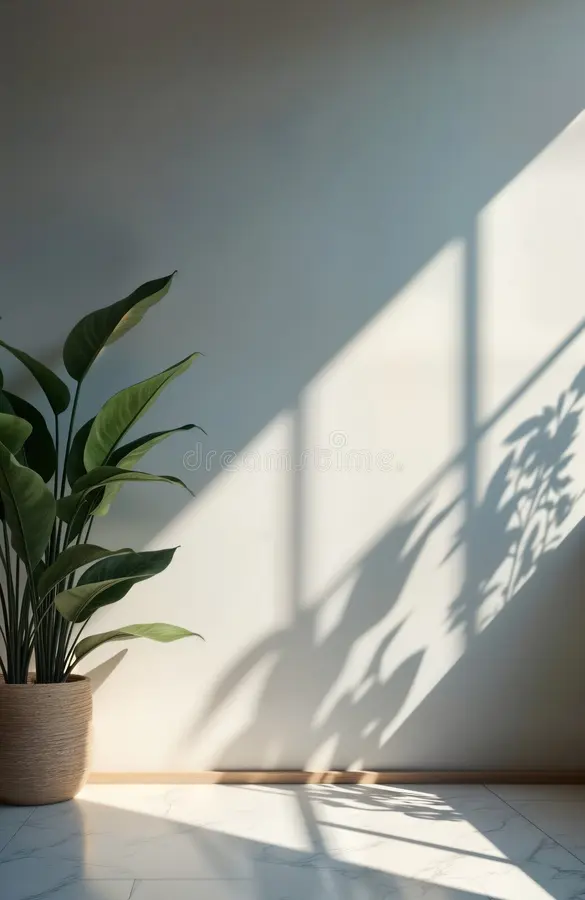
Image source: Bing (Web (fair-use with source credit))
Here’s a simple way to assess:
- Low light: You can read a book in that spot without turning on a lamp. North-facing window or a corner far from windows.
- Bright indirect light: Sunlight hits a nearby wall but not directly on the plant. East- or west-facing window with sheer curtains.
- Direct light: The plant itself gets suntan rays for part of the day. South-facing window without obstructions.
If you’re unsure, put your hand where the plant would sit. If your hand casts a clear shadow at noon, it’s bright. If there’s no shadow, it’s low light.
Your Watering Personality (Forgetful vs. Over-Careful)
Some people water every Sunday like clockwork. Others forget for two weeks. Neither is bad, but your plant needs to match your rhythm.
Forgetful watering works well with drought-tolerant plants like ZZ plants, snake plants, or pothos. They prefer to dry out completely between waterings.
Over-careful watering works better with moisture-loving plants like peace lilies or ferns. But even then, you need drainage. Overwatering is the number one killer, and it happens when a plant sits in wet soil too long.
Your Home Environment (Pets, Kids, Drafts, Humidity)
If you have a cat, a few common houseplants are toxic. The ASPCA’s Poison Control database lists lilies, sago palms, and philodendrons as dangerous for pets. Stick with nontoxic options like spider plants, Boston ferns, and parlor palms.
Kids and drafts matter too. A toddler can knock over a tall, top-heavy pot. A drafty window in winter can shock tropical plants.
Keep plants away from vents and radiators.
Decision Tree: Pick Your Starting Plant in 3 Questions
Use these four branches to find your match. Answer honestly, and your success rate goes way up.
Branch A – Low Light + Busy Life → Your Plant
You have a dim room and you’re prone to forgetting. Snake plant. It tolerates neglect, low light, and irregular watering. Also consider a ZZ plant.
Branch B – Bright Indirect Light + Average Routine → Your Plant
You have decent light and you can water weekly or when you remember. Pothos or spider plant. These are forgiving, grow quickly, and tell you when they’re thirsty (drooping leaves).
Branch C – Any Light + You Love Watering → Your Plant
You enjoy the ritual of checking soil and tending to plants. Go with a peace lily or fern. Both need consistent moisture and will reward you with lush growth.
Branch D – You Have Pets or Kids → Safe Choices Only
Stick to the nontoxic list: spider plant, Boston fern, parlor palm, calathea, peperomia. Skip lilies, sago palms, and dieffenbachia.
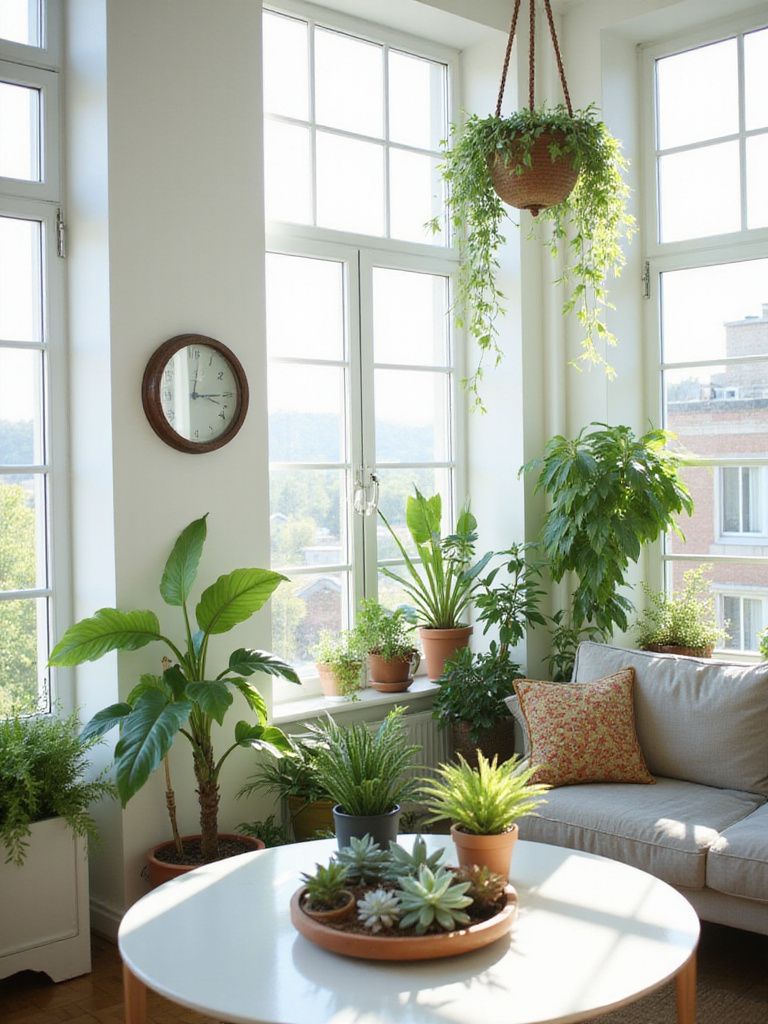
Image source: Bing (Web (fair-use with source credit))
Step-by-Step: Setting Up Your First Plant Right
Once you’ve chosen a plant, follow these steps to avoid common pitfalls.
Step 1 – Choose the Right Pot (Material & Drainage)
The pot must have a drainage hole. No exceptions. Terracotta pots absorb excess moisture and are good for plants like succulents.
Plastic pots hold moisture longer, perfect for plants that like humidity. Ceramic glazed pots work fine too, as long as they drain.
Step 2 – Use the Right Soil (Not Garden Dirt)
Garden soil is too dense for pots. It compact and holds water too long. Use a high-quality potting mix designed for houseplants.
For succulents, use a cactus mix that drains fast. You can find these at any garden center.
Step 3 – Plant It (Depth, Firmness, First Water)
Fill the pot one-third with soil. Place your plant at the same depth as it was in its nursery container. Fill around the roots, firming gently.
Give it a thorough water until drainage flows out the bottom.
Step 4 – Place It (Avoid Drafts, Vents, Direct Sun)
Don’t put your new plant in a blast of air conditioning, heater vent, or direct sun for the first week. Let it acclimate to its spot. Bright indirect light is usually best for most beginners.
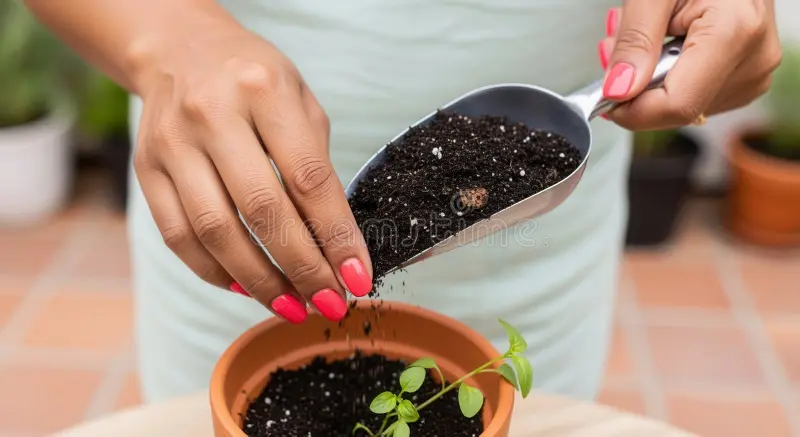
Image source: Bing (Web (fair-use with source credit))
Step 5 – Water It the Right Way (The Finger Test)
The easiest method: stick your index finger about an inch into the soil. If it feels dry, water. If it’s still moist, wait.
Don’t water on a schedule. Water when the plant needs it. Always check first.
The One-Week Check-In: What to Watch For
After a week, your plant should look more or less the same as when you brought it home. Some slight drooping is normal as it adjusts. But watch for these signs:
- Yellow bottom leaves, Could be overwatering or normal aging. Remove them and check soil moisture.
- Browning tips, Usually low humidity or too much fertilizer. Increase humidity with a tray of pebbles and water.
- Leggy growth or leaning, Your plant is reaching for light. Move it closer to the window.
If all looks good, you’re on track. If not, revisit the “Three Conditions” section and adjust one factor at a time. Don’t change three things at once, you won’t know what helped.
At this point you’ve matched your plant to your home, potted it correctly, and checked in after a week. The next step is avoiding the mistakes that trip up most beginners. For more details on keeping your grow setup efficient, check out our routine upkeep guide.
And if you’re using a grow tent for your plants, our guide on setting up a grow tent might come in handy. These resources support what we’ve covered so far.
For safe plant choices, the University of Minnesota Extension has excellent resources on nontoxic houseplants. You can find them at https://extension.umn.edu.
Common Mistakes That Kill Beginner Plants
Most people lose their first houseplant to a simple error. The good news is that every mistake is avoidable once you know what to look for.
Overwatering (The #1 Killer)
Overwatering suffocates the roots. Water fills the air pockets in the soil, and the roots can’t breathe. The first sign is usually yellow leaves or a droopy plant that looks thirsty even though the soil is wet.

Image source: Bing (Web (fair-use with source credit))
Check the pot weight. A pot that feels heavy is still wet. A light pot means it’s time to water.
Stick to the finger test instead of a calendar schedule.
Underwatering and Crispy Leaves
If leaves turn brown and crispy at the edges, your plant is probably thirsty. Soil may also pull away from the pot walls. Water thoroughly and check again in a few days.
Most drought-tolerant plants like snake plants bounce back quickly. Avoid letting the soil stay bone dry for more than a week.
Wrong Pot Size (Too Big or Too Small)
A pot that is too large holds too much moisture. The roots can’t drink it all, and rot sets in. A pot that is too small strangles the roots and dries out constantly.
Choose a pot one to two inches wider than the current nursery pot. That gives the roots room to grow without drowning.
Ignoring Seasonal Changes (Winter vs. Summer)
Indoor plants slow down in winter. Light levels drop, and central heating dries the air. You should water less often in colder months.
In summer, growth picks up. You may need to water more and even move plants away from hot south-facing windows. Adjust your routine, don’t water the same amount year round.
When to Use a Grow Light (And When You Don’t Need One)
Many beginners think they need a grow light to keep plants alive. In most cases, you don’t.
If your home gets good natural light, even just bright indirect light for a few hours, most popular houseplants will do fine. Snake plants, pothos, and ZZ plants thrive in lower light without artificial help.
You only need a grow light if your space has no windows at all or if you want to grow high-light plants like succulents, cacti, or herbs indoors. Full spectrum LED grow lights work well and don’t use much electricity.
For a more complete indoor setup, like a dedicated grow tent, you can follow a complete lighting setup guide. Most casual plant owners can skip the grow light entirely. Save your money for a nice pot instead.
How to Tell If Your Plant Is Happy (Visual Cues)
Happy plants show clear signs. New leaves appear regularly. The color is deep and even.
Leaves feel firm and upright.
Stems don’t stretch toward the window. If your plant stays compact with leaves spaced close together, it’s getting enough light.
Leaf drop in older leaves is normal. But if it drops leaves from the top or middle, something is wrong. Also watch for small pests like spider mites or mealybugs.
Catch them early and wipe leaves with a damp cloth.
Quick Troubleshooting: Yellow Leaves, Drooping, Brown Tips
Here is a fast reference for the three most common problems:
| Problem | Likely Cause | What to Do |
|---|---|---|
| Yellow lower leaves | Overwatering | Let soil dry out, check drainage |
| Drooping stems | Underwater or waterlogged | Feel the soil; water if dry, repot if wet |
| Brown crispy tips | Low humidity | Mist leaves, use a pebble tray |
If yellow leaves appear only at the bottom, it may be normal aging. Remove them and keep going. If many leaves yellow at once, check your watering and light.
Real-World Scenarios: What Three Different Beginners Should Do
Here is how the decision tree plays out in real spaces.
Busy Renter with a North-Facing Window
You get low light all day. You travel on weekends and sometimes forget to water. Snake plant or ZZ plant is your best bet. Both forgive missed waterings and dim corners.
Place them a few feet from the window. Water once every two to three weeks. That’s all.
If you want something trailing, try a pothos. It will still do well in low light with sparse watering.
Plant Lover with a Sunny South-Facing Room
You have hours of direct sunlight. You enjoy checking soil and watering weekly. Go for succulents, cacti, or monstera.
These love bright light and reward you with fast growth.
Use a terracotta pot with cactus soil. Water only when the soil is completely dry. Rotate the pot every few weeks so the plant grows evenly.
For larger setups, you might also consider a dedicated grow tent size to manage multiple high-light plants.
Family with a Toddler and a Cat
Safety comes first. Choose from the nontoxic list: spider plant, Boston fern, parlor palm, or peperomia. Place taller pots on shelves or hanging planters to keep them out of reach.
Water consistently with the finger test. Ferns need more humidity, so a spray bottle helps. Teach kids to look with their eyes, not with their fingers.
With the right plant selection, everyone stays safe and the plants thrive.
These five sections cover the common mistakes, when to supplement light, how to read your plant’s health, quick fixes, and real-world examples. Next up are the final sections: your first month maintenance, the decision guide table, and the FAQ.
Your First Month: Maintenance Routine That Actually Works
The first month sets the tone for everything. Stick to a simple weekly check. It won’t take more than five minutes.
Every Sunday, run the finger test on each plant. Water only when dry. Dust the leaves with a damp cloth.
Check for any yellow leaves or pests.
Don’t fertilize in the first month. The potting mix already has nutrients. Wait at least six weeks before adding any fertilizer.
Rotate the pot a quarter turn each time you water. This keeps the plant growing evenly toward the light. Your plant will reward you with straight, full growth.
Final Decision Guide – One Table to Match You to Your Plant
Here is a quick reference based on your situation. Find your light and your watering habit, then pick the recommended plant.
| Light Level | Watering Style | Best Plant | Why It Works |
|---|---|---|---|
| Low | Forgetful | Snake plant | Tolerates neglect and dim corners |
| Low | Careful | Pothos | Forgiving, shows thirst by drooping |
| Bright indirect | Average | Spider plant | Hardy, grows quickly, easy to propagate |
| Bright indirect | Careful | Peace lily | Needs consistent moisture, lush leaves |
| Direct bright | Forgetful | Succulents (echeveria) | Drought-tolerant, loves direct sun |
| Direct bright | Careful | Monstera | Fast grower, needs regular water in summer |
| Any | Pet/kid safety | Parlor palm, spider plant, Boston fern | Nontoxic for cats, dogs, and toddlers |
If you still feel unsure, start with a pothos. It is the most forgiving plant for any beginner. As of 2026, aggregate reviews across multiple gardening forums consistently rank it as the easiest houseplant to keep alive.
Frequently Asked Questions
How often should I water my indoor plants?
There is no universal schedule. Stick your finger one inch into the soil. If it feels dry, water.
If it is still moist, wait. Most plants need water every 7 to 14 days depending on your home’s temperature and humidity.
What is the best indoor plant for a dark room?
Snake plant or ZZ plant. Both survive in very low light and need minimal watering. They are nearly impossible to kill as long as you avoid overwatering.
Why are my plant’s leaves turning yellow?
Yellow leaves usually mean overwatering. Check if the soil is wet. If so, let it dry out before watering again.
If only the bottom leaves are yellow and the rest look healthy, it may be normal aging.
Do I need to use fertilizer for indoor plants?
Not right away. Wait at least six weeks after bringing a plant home. Then use a balanced liquid fertilizer at half strength during spring and summer.
Stop fertilizing in winter when growth slows.
Can I keep an indoor plant in a room without windows?
Yes, but you need a full-spectrum LED grow light. Place it 6 to 12 inches above the plant and run it for 12 to 14 hours a day. Some good options include snake plant and pothos for artificial light setups.
How do I know if my plant needs more light?
Look for leggy stems, leaves spaced far apart, or pale color. If the plant leans toward the window, it is reaching for more light. Move it closer or supplement with a grow light.