You've nurtured those strawberry plants, watched them bloom, and now the berries are finally blushing red. But then you spot it, tiny holes, ragged edges, or disappearing fruit. Insects trying to claim your harvest is a classic gardening headache.
Figuring out how to stop insects eating strawberries effectively means understanding the pest and tailoring your approach.
Our research shows that a proactive strategy, starting with identification, is key to protecting your precious berries. Getting this right means you can avoid unnecessary treatments and enjoy a bountiful, untouched crop. As of 2026, integrated pest management principles continue to be the most recommended approach for home gardens.
Quick Answer
To stop insects eating strawberries, first identify the specific pest by observing the damage and the insects themselves. Implement physical barriers like row covers or netting early in the season. Use natural deterrents like beer traps for slugs or diatomaceous earth for crawling insects.
If needed, opt for organic insecticides like insecticidal soap or neem oil, always following label instructions carefully, and practice good garden hygiene.
Who's Eating Your Strawberries? Identifying the Culprit
Before you grab any tool or spray, take a moment to play detective. Different insects leave distinct clues, and knowing who your enemy is makes all the difference in choosing the right counter-strategy. Observing the damage on the leaves and fruit, and looking for any tell-tale signs of the pest itself, is your first crucial step.
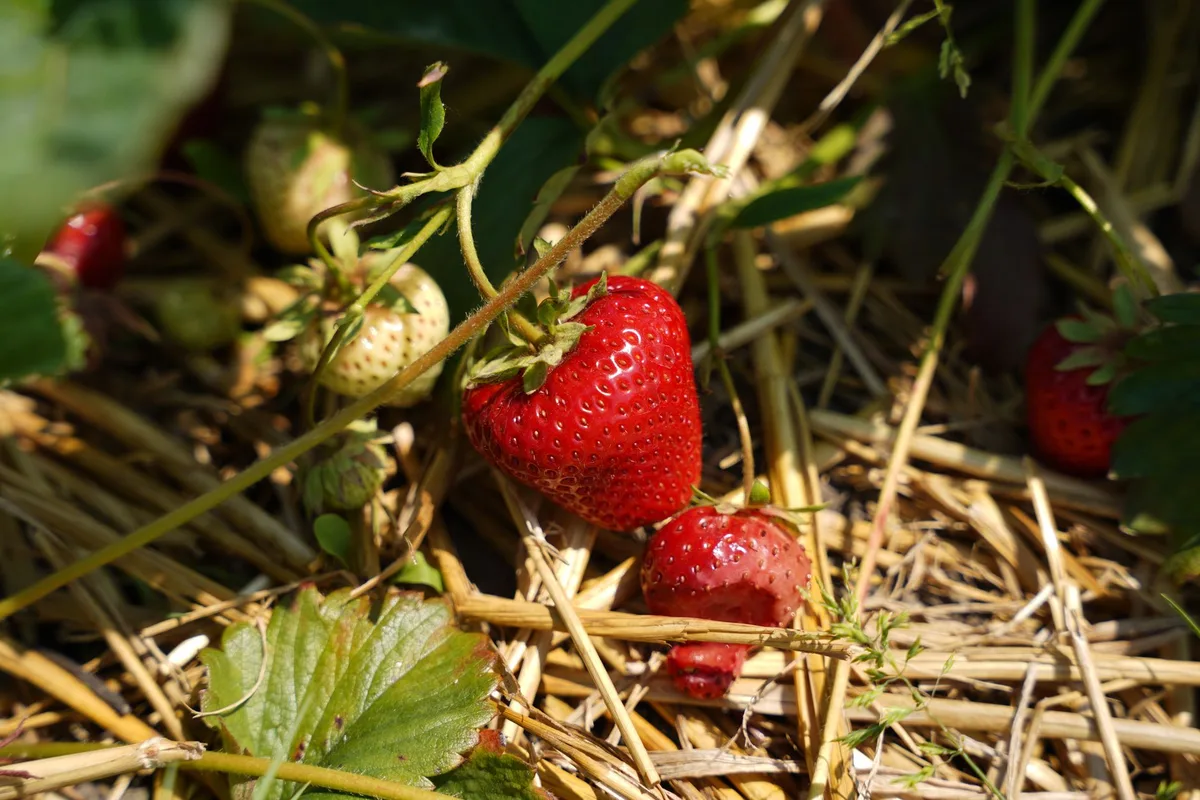
- Holes in leaves or chewed-up fruit: This often points to slugs, snails, earwigs, or certain beetles. Slugs and snails are notorious for leaving glistening slime trails, especially on damp mornings or evenings. Earwigs sometimes feed on flowers and tender leaves.
- Tiny holes or surface damage on berries: This can sometimes indicate ants, which are more likely to attack damaged or overripe fruit, or even specific types of mites.
- Wilting leaves or distorted growth, often with tiny green or black specks: This is a classic sign of aphids. They cluster on new growth and the undersides of leaves, sucking the sap from the plant.
- Visible insects on plants or fruit: Sometimes, you just see them. Ants are common garden visitors, as are various small beetles. Observing them directly can provide a clear identification.
The First Line of Defense: Physical Barriers for Your Berries
Often, simply preventing insects from reaching your plants is the easiest and most effective method. These physical barriers create a no-go zone for many common pests. They are particularly useful at the start of the growing season and as your berries begin to ripen.
Row Covers and Netting: Blocking the Bugs
Lightweight row covers are a gardener's best friend for early-season protection. Before temperatures get too warm and pests become overly active, you can drape these fine-mesh fabrics over hoops or frames enclosing your strawberry plants. They allow sunlight and water to penetrate while keeping out flying insects like leaf beetles and aphids.
This is a fantastic way to get a head start without any chemical intervention.

As your strawberries start to develop, netting becomes essential. Ensure the mesh is fine enough to exclude your target pests. Some gardeners use netting draped over hoops or cages that cover entire plants or raised beds.
Make sure the edges are secured to the ground or weighed down to prevent pests from crawling underneath. This is a critical step when fruit is ripening, as many pests are attracted to the sweet developing sugars. For example, the effectiveness of netting is often measured by its mesh size, with finer meshes needed for smaller insects.
Copper Tape and Handpicking: Simple Traps and Tactics
For garden beds or containers, copper tape can be surprisingly effective against slugs and snails. According to manufacturer specifications, the small electrical charge that copper produces when touched by a slug’s slime causes them to recoil. You can wrap this tape around the rims of pots or the base of raised beds.
It's a clean, non-toxic way to create a barrier.
Handpicking pests is a direct and satisfying method, especially for larger or more visible invaders. Regularly inspect your plants, particularly in the early morning or late evening when many pests are most active. Simply remove any slugs, snails, earwigs, or beetles you find and drop them into a bucket of soapy water.
While it may seem tedious, consistent handpicking can significantly reduce pest populations, especially in smaller gardens or when starting out.
Natural Deterrents and Traps: Luring Pests Away
Beyond simple barriers, you can use certain conditions or common household items to either deter pests or lure them into traps, effectively managing their numbers without harsh chemicals. These methods leverage a pest's natural behaviors and aversions.
Beer Traps for Slimy Gardeners
Slugs and snails have a well-documented love for beer, and this can be used to your advantage. To create a beer trap, you'll need a shallow container, a plastic tub or even a cut-off plastic bottle works well. Bury the container into the soil near your strawberry plants so that the rim is level with the ground.
Fill it about halfway with beer.
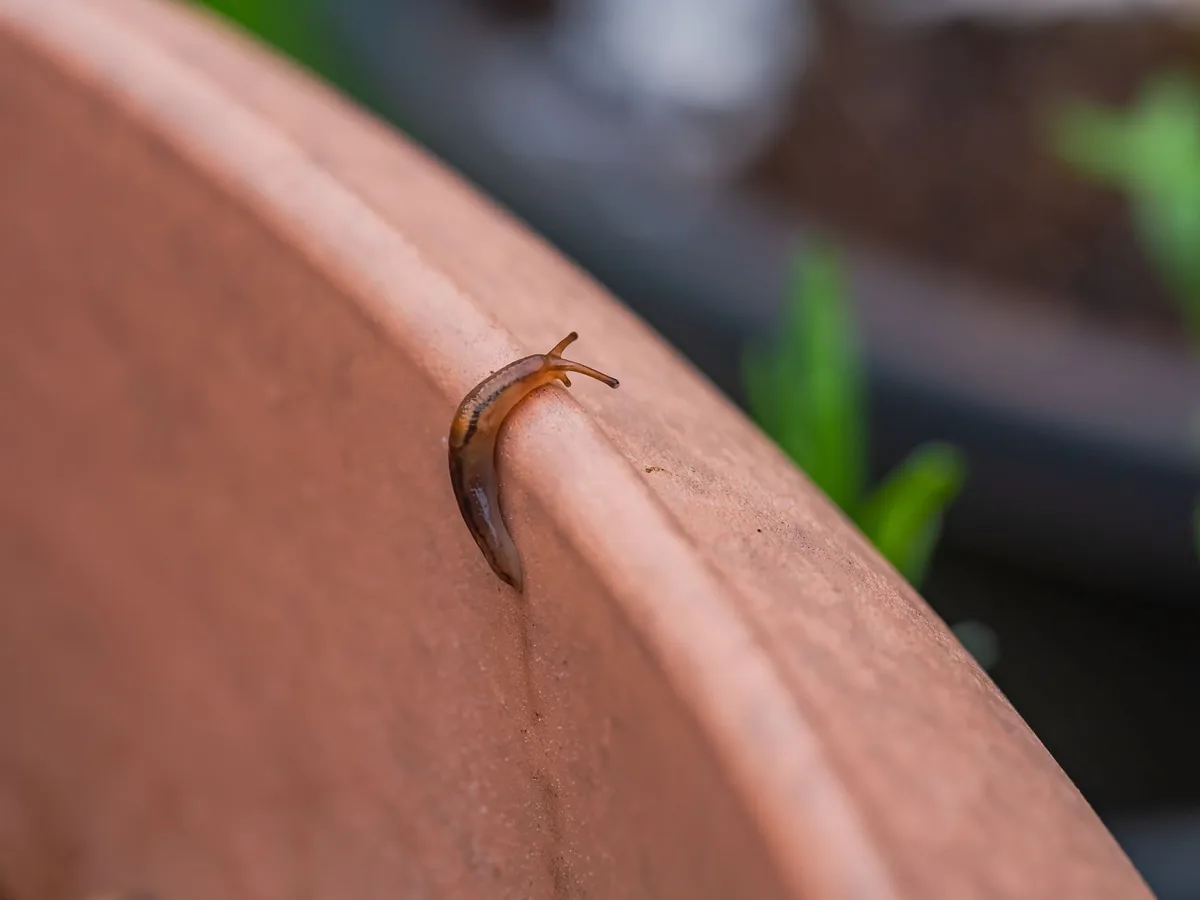
The yeast in the beer attracts slugs and snails. They'll crawl into the container, often become disoriented, and fall in, where they eventually drown. You'll need to check and refill these traps every few days, as they can fill with rain or debris.
This method is very specific to slugs and snails but highly effective for them.
Cardboard Collars and Other Homemade Solutions
If you're encountering cutworm damage, where young strawberry plant stems are literally cut at ground level overnight, cardboard collars can be a lifesaver. To make them, cut strips of sturdy cardboard, about 4, 6 inches wide. Roll each strip into a cylinder and secure it with tape.
Then, sink one end of the cylinder about 1, 2 inches into the soil around the base of each affected plant. The cutworm, a larva that lives in the soil, will struggle to climb past this barrier to reach the stem.
Other homemade deterrents sometimes include sprays made from garlic or hot peppers. By blending these ingredients with water and a little mild, biodegradable soap, you create a pungent liquid. This mix, strained and sprayed onto the plants, can deter some pests with its strong odor and taste.
However, these DIY solutions often require frequent reapplication, especially after rain, and their effectiveness can vary widely depending on the pest and plant. For instance, homemade sprays might need to be applied every few days to maintain deterrence.
Welcoming Nature's Pest Patrol
Sometimes, the best defense is a good offense in the form of natural predators. Encouraging beneficial insects can provide a sustainable, long-term solution to pest problems. Ladybugs are voracious aphid eaters, lacewings prey on various small insects, and certain predatory mites can help keep other mite populations in check.
You can attract these helpful creatures by planting certain flowers and herbs near your strawberries. Dill, fennel, cilantro, and yarrow are known to attract beneficial insects. Providing a water source, like a shallow dish with pebbles, can also help make your garden more inviting to these natural pest controllers.
This strategy aids in creating a balanced ecosystem within your garden, reducing the reliance on external interventions.
When to Consider Sprays: Gentle Options for Tough Jobs
If natural methods and physical barriers aren't quite enough to keep the pests under control, especially during a significant infestation, you might consider using insecticides. However, with fruit you plan to eat, it's crucial to choose options that are as safe as possible and to use them correctly. Our research indicates that organic or naturally derived options are usually the first go-to for home gardeners.
Always read and follow the product label carefully.
Understanding Insecticidal Soap
Insecticidal soap is a contact killer. It works by breaking down the outer cell membranes of soft-bodied insects like aphids, mites, and whiteflies. It doesn't leave a long-lasting residue in the soil, and once it dries on the plant, it generally poses little risk to beneficial insects.
For best results, you need direct contact with the pest.
This means thorough coverage is essential. According to manufacturer specifications for many insecticidal soaps, they are most effective when applied directly to the insect. If you've found clusters of aphids on your strawberry plants, a direct spray is your best bet.
It's crucial to test the product on a small part of a plant first, as some plants can be sensitive to soaps, leading to leaf burn. Wait 24, 48 hours to check for adverse reactions before treating the entire plant.
The Power of Neem Oil
Neem oil is another popular organic option derived from the neem tree. It's a bit of a multi-tasker; it acts as a repellent, disrupts insect hormones, and can even suffocate some smaller pests. Neem oil is effective against a broader range of insects than insecticidal soap, including many beetles and caterpillars, as well as aphids and mites.
It also has some fungicidal properties, which can help with certain plant diseases.
Proper application is key with neem oil. It should typically be applied in the late afternoon or early evening. This timing is important for two main reasons: it minimizes the risk to beneficial pollinators like bees, which are less active during cooler, dimmer hours, and it prevents the oil from burning plant leaves when exposed to direct sunlight.
Always dilute neem oil according to the product instructions before spraying.
Keeping Your Strawberry Plants Healthy and Resilient
A strong, healthy strawberry plant is naturally more resistant to pests and diseases. Focusing on good overall plant health can significantly reduce your chances of dealing with major insect issues later in the season. This involves attending to the plant's basic needs consistently.
Good Airflow and Smart Watering
Proper spacing between your strawberry plants is more than just aesthetic. It allows for good air circulation, which helps leaves dry out faster after rain or watering. This reduces the likelihood of fungal diseases and can make your plants less attractive to certain moisture-loving pests like slugs and snails.
When planting, aim for about 12, 18 inches between plants, depending on the variety.
Consistent and correct watering is also vital. Avoid overwatering, which can create damp conditions that attract slugs. Water at the base of the plants, rather than overhead, to keep the foliage dry.
This not only helps prevent disease but also reduces the humidity that many pests thrive in. Our research suggests that watering in the morning is generally best, allowing any surface moisture to evaporate before evening.
Garden Cleanliness Matters
Maintaining a tidy garden area around your strawberry plants is a simple but effective pest management strategy. Regularly remove any dead leaves, fallen fruit, or other debris. These organic materials can provide hiding places for slugs, snails, earwigs, and insect eggs.
They also can harbor fungal diseases that weaken plants.
Clearing away old plant matter throughout the growing season and at the end of harvest helps break pest life cycles. It removes potential overwintering sites for certain insects and makes it harder for them to find shelter. This practice supports a healthier environment for your strawberries, making them less susceptible to attack.
Mistakes to Avoid When Battling Strawberry Pests
Even with the best intentions, it's easy to make missteps when trying to protect your strawberry patch. Being aware of common errors can save you time, effort, and potentially harm your plants or the environment. One of the most frequent mistakes is spraying indiscriminately without identifying the pest first.
- Spraying without proper identification: If you see a bug, it doesn't automatically mean you need to spray. Many insects in the garden are beneficial or harmless. Applying a broad-spectrum pesticide can kill off helpful insects, potentially making your pest problem worse in the long run. Stick to targeted treatments after you know what you're dealing with.
- Over-reliance on chemical pesticides: While they can be effective, chemical pesticides can harm beneficial insects, pollinators, and even yourself if not used correctly. They can also lead to pest resistance over time. Always start with the least toxic methods.
- Ignoring preventative measures: Barriers, clean gardens, and healthy soil are your first lines of defense. Skipping these steps and waiting until you have a full-blown infestation often means you'll need more drastic, and potentially harmful, measures.
- Not reading product labels: This is critical for any treatment you use. Labels provide essential information on dilution rates, application methods, safety precautions, and pre-harvest intervals (the time you must wait between application and harvesting your berries). For example, several commercially available neem oil products specify a pre-harvest interval of 0 days, meaning you can harvest immediately after application, but this can vary.
When to Consider Sprays: Gentle Options for Tough Jobs
If natural methods and physical barriers aren't quite enough to keep the pests under control, especially during a significant infestation, you might consider using insecticides. However, with fruit you plan to eat, it's crucial to choose options that are as safe as possible and to use them correctly. Our research indicates that organic or naturally derived options are usually the first go-to for home gardeners.
Always read and follow the product label carefully.
Understanding Insecticidal Soap
Insecticidal soap is a contact killer. It works by breaking down the outer cell membranes of soft-bodied insects like aphids, mites, and whiteflies. It doesn't leave a long-lasting residue in the soil, and once it dries on the plant, it generally poses little risk to beneficial insects.
For best results, you need direct contact with the pest.
This means thorough coverage is essential. According to manufacturer specifications for many insecticidal soaps, they are most effective when applied directly to the insect. If you've found clusters of aphids on your strawberry plants, a direct spray is your best bet.
It's crucial to test the product on a small part of a plant first, as some plants can be sensitive to soaps, leading to leaf burn. Wait 24, 48 hours to check for adverse reactions before treating the entire plant.
The Power of Neem Oil
Neem oil is another popular organic option derived from the neem tree. It's a bit of a multi-tasker; it acts as a repellent, disrupts insect hormones, and can even suffocate some smaller pests. Neem oil is effective against a broader range of insects than insecticidal soap, including many beetles and caterpillars, as well as aphids and mites.
It also has some fungicidal properties, which can help with certain plant diseases.
Proper application is key with neem oil. It should typically be applied in the late afternoon or early evening. This timing is important for two main reasons: it minimizes the risk to beneficial pollinators like bees, which are less active during cooler, dimmer hours, and it prevents the oil from burning plant leaves when exposed to direct sunlight.
Always dilute neem oil according to the product instructions before spraying.