
Training climbing roses on a wooden fence can transform your garden into a stunning floral display. It's a rewarding process that involves selecting the right rose, preparing your fence, and gently guiding the plant. With a little patience and the right technique, you'll have a beautiful cascade of blooms in no time.
How to Train Climbing Roses on a Wooden Fence
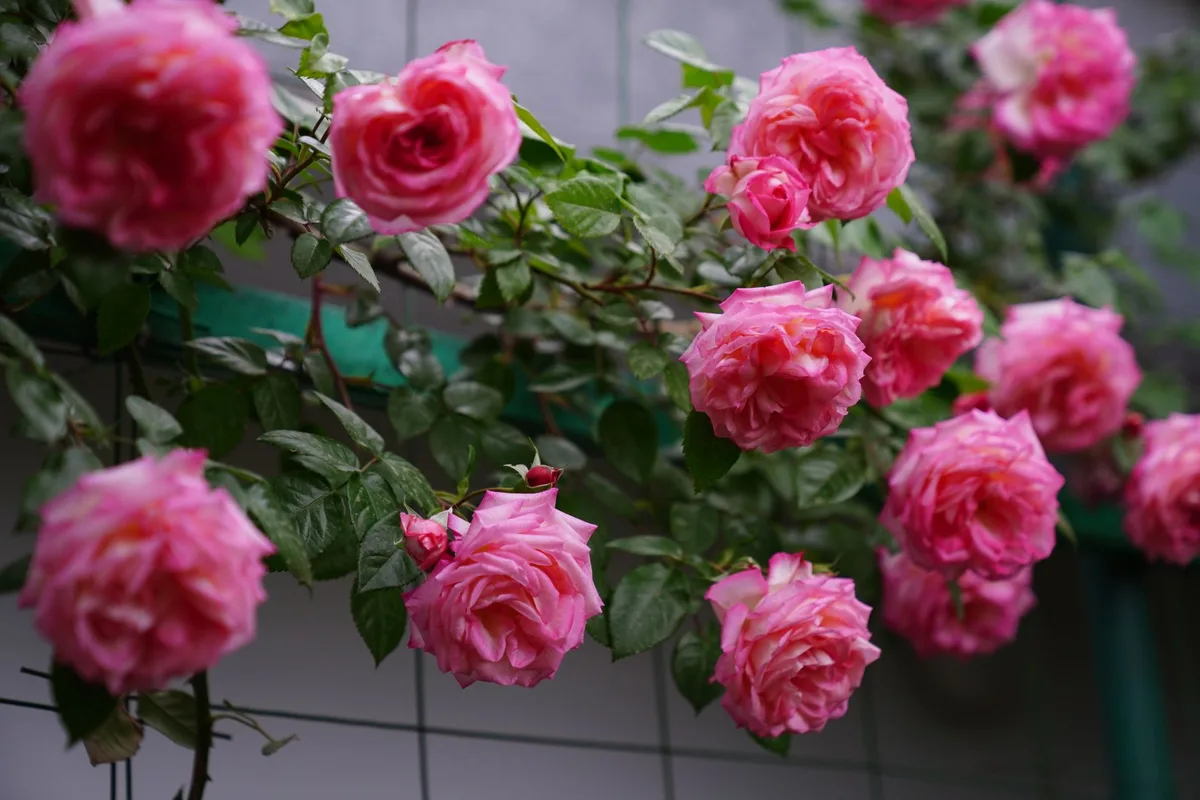
Image source: Pexels / Tahir Xəlfə (Pexels License)
Training climbing roses on a wooden fence is a fantastic way to add vertical interest and a touch of elegance to your yard. This method utilizes the sturdy structure of the fence to support the rose's growth, allowing it to reach its full potential and bloom prolifically. The key is to choose a variety that suits your climate and space, and then to train its canes horizontally to encourage more flowering.
Choosing the Right Climbing Rose
Not all roses are created equal when it comes to climbing. Some are truly vigorous climbers, while others are more like large shrub roses that can be trained. When selecting a climbing rose for your wooden fence, consider its mature size and growth habit.
Do you want a dense, bushy display, or long, arching canes?
Look for varieties specifically labeled as "climbers" or "ramblers." Ramblers tend to have thinner, more flexible stems and often bloom in large clusters, while true climbers are usually more robust with thicker, sturdier canes. Some popular choices include 'New Dawn,' known for its repeat blooming and disease resistance, or 'Queen Elizabeth,' a vigorous grower with lovely pink flowers.
Consider your local climate too. Some roses thrive in warmer regions, while others are bred for colder climates. Checking the plant tag or doing a quick online search for the rose's hardiness zone is essential.
Remember, a healthy plant is the first step to successful training.
Preparing Your Wooden Fence and Rose
Before you get your rose anywhere near the fence, take a good look at the fence itself. Is it sturdy? Old, rotten wood won't hold the weight of a mature rose plant.
If it needs reinforcement, now's the time to fix it.
Also, decide how you'll attach the rose. You don't want to damage the fence or the rose over time. Using methods that allow for some movement and growth is best.
Many gardeners opt for hooks, ties, or specialized rose supports.
For the rose itself, it's best to start with a healthy, young plant. You might be tempted to buy a large specimen, but a smaller, well-rooted plant will adapt more easily to its new home. Prune away any dead or weak stems before you begin training.
Giving your rose a good watering before you start will also help it handle the transplanting and training stress.
The Art of Training Climbing Roses
This is where the magic happens. Training climbing roses on a wooden fence is all about guiding their growth. The goal is to encourage horizontal growth because this stimulates more flowering spurs along the main canes.
Vertical growth tends to produce fewer flowers.
You'll want to start training when the rose is young, ideally in its first or second year of growth. Gently bend the main canes and tie them to the fence. Don't force them; if a cane feels too stiff, it might not be ready yet.
Try again next year, or secure it at a slightly different angle.
When tying, use soft, flexible ties that won't cut into the stems as they grow. Garden twine, old pantyhose strips, or specialized plant ties work well. Avoid wire or anything that can restrict growth.
Horizontal Training Technique
The most effective way to train climbing roses on a fence is horizontally. This encourages the plant to produce more lateral shoots, which are the ones that will bear flowers. Imagine creating a fan shape or a series of horizontal lines along your fence.
Start by selecting a few of the strongest, most pliable canes. Gently angle them outwards from the base of the plant and tie them to the fence horizontally. You might need to create multiple tiers of support as the rose grows.
Stagger the ties to avoid girdling the cane.
For a denser display, you can train canes in a zig-zag pattern. This also helps to maximize flowering wood. Don't be afraid to crisscross them strategically, as long as you have good airflow.
Securing the Canes
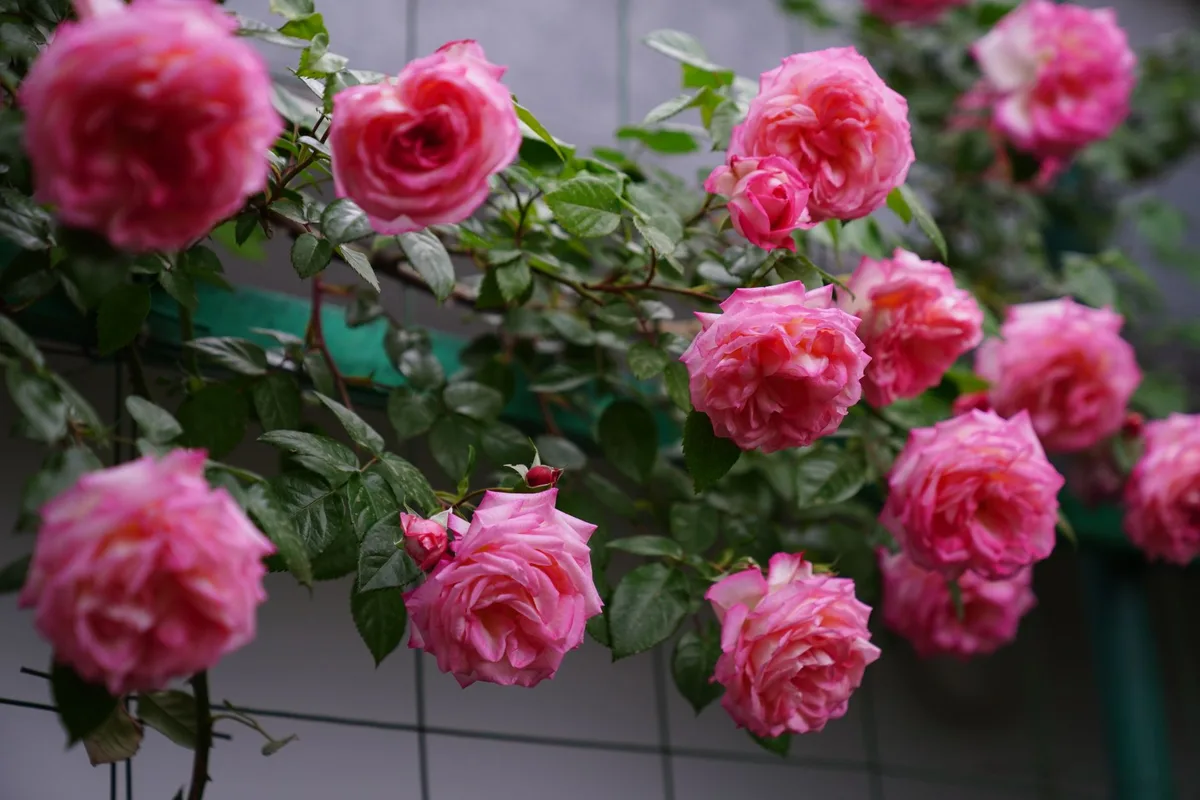
Image source: Pexels / Tahir Xəlfə (Pexels License)
How you secure the canes to your fence is crucial for both the health of your rose and the integrity of the fence. You don't want to create weak points or invite rot. A common method is to use eye hooks screwed into the fence posts or fence boards.
You can then loop your ties through these eye hooks and around the rose canes. This provides a secure anchor point and allows you to adjust the tension as needed. Make sure the hooks are spaced appropriately to support the canes effectively.
Another option is to use a trellis system attached to the fence. This gives you more flexibility in the design and structure. You can buy pre-made trellises or build your own from wood or wire.
Whatever method you choose, ensure it's strong enough to support the weight of the rose, especially when laden with flowers and in windy conditions.
Rose Care and Maintenance on a Fence
Once your climbing rose is trained and attached, it still needs regular care. This isn't a "set it and forget it" kind of plant. Consistent attention will lead to a more robust and beautiful display.
Regular watering is key, especially during dry spells. Climbing roses can have extensive root systems, but they still need supplemental water to thrive. A good, deep soak is better than frequent, shallow watering.
Fertilizing also plays a big role. A balanced rose fertilizer applied in spring and then again after the first flush of blooms will provide the nutrients your rose needs to keep flowering. Avoid fertilizing too late in the season, as this can encourage tender new growth that might be damaged by frost.
Pruning for Health and Blooms
Pruning is vital for managing your climbing rose and encouraging more flowers. The timing and type of pruning depend on the rose variety. Ramblers, for instance, often bloom on old wood, so they are best pruned right after they finish flowering in summer.
True climbers, especially repeat bloomers, can be pruned in late winter or early spring. Remove any dead, damaged, or crossing branches. Shorten any overly long or wayward shoots to maintain the desired shape and size.
Always use sharp, clean pruning secateurs. This makes clean cuts that heal quickly and reduces the risk of disease. Inspect your rose regularly for any signs of pests or diseases and address them promptly.
Pest and Disease Management
Climbing roses can be susceptible to common rose pests like aphids, spider mites, and Japanese beetles. They can also be prone to fungal diseases such as black spot and powdery mildew. Good airflow is your best defense, which is why proper spacing during training is so important.
Regularly inspect your rose plants. If you spot pests, you can often dislodge them with a strong spray of water or use insecticidal soap. For fungal issues, remove affected leaves promptly and consider using a fungicide if the problem is severe.
Choosing disease-resistant varieties can significantly reduce these challenges.
Supporting Structures for Climbing Roses
While a wooden fence provides a good base, you might want to add extra support for exceptionally vigorous climbers or for aesthetic reasons. Different structures can enhance both the look and the health of your rose.
Trellis Systems
Trellises are a popular choice. They can be attached directly to the fence or stand independently nearby. Many styles exist, from simple lattice panels to ornate metal designs.
A trellis provides a structured framework for the rose to grow on. It allows for good air circulation and makes tying and training easier. You can even paint or stain a wooden trellis to match your fence or accent your garden.
Wires and Cables
For a more minimalist look, consider running wires or taut cables horizontally or vertically across the fence. You can then secure the rose canes to these wires. This method offers a clean, modern appearance and is very effective.
Ensure the wires are robust and securely anchored. Use specialized clips or ties designed for this purpose. This setup requires careful planning but can result in a stunning, controlled display.
Common Mistakes to Avoid
Even with the best intentions, gardeners sometimes make mistakes when training climbing roses. Being aware of these pitfalls can save you a lot of hassle.
One common error is tying the canes too tightly. As the rose grows, the stems will thicken. Tight ties can constrict growth, damage the bark, and even girdle the cane, killing it.
Always use flexible ties and check them annually for tightness.
Another mistake is training too many canes horizontally in the initial stages. This can lead to a very dense plant with poor air circulation, inviting disease. Start with a few strong canes and gradually add more as the plant matures.
Don't forget about airflow! Overcrowding the fence with too many roses or training the canes too densely can create a humid microclimate where diseases thrive. Always aim for a spread that allows air to move freely through the foliage.
Data & Analytics: Climbing Rose Performance
Understanding the growth patterns and needs of climbing roses can help you achieve the best results. These statistics offer insights into what you can expect.
- Growth Rate: Vigorous climbing roses can grow 1-3 feet per year under ideal conditions. Some varieties might reach 10-20 feet in height and spread over several years.
- Flowering Timeline: Most climbing roses have a primary bloom period in late spring or early summer. Repeat-blooming varieties will continue to produce flowers sporadically throughout the summer and into fall.
- Sunlight Needs: Climbing roses generally require at least 6-8 hours of direct sunlight per day. Less sun can result in fewer blooms and increased susceptibility to disease.
- Water Requirements: Established climbing roses need about 1-2 inches of water per week, especially during hot, dry periods. Drip irrigation or a soaker hose are efficient methods.
- Fertilization Schedule: Most climbers benefit from a balanced rose fertilizer applied in early spring and again in early summer.
- Lifespan: With proper care, climbing roses can live for 20-30 years or even longer.
Expert Opinion
From my years in the garden, I've seen firsthand what makes climbing roses truly shine on a fence. The biggest secret? Patience and gentle guidance, especially in the first few years.
Don't try to force those young canes into perfect positions; they need time to mature before they're pliable enough.
I've also noticed that many gardeners underestimate the importance of airflow. They pack roses too closely or train them so densely against a fence that disease problems become unavoidable. Remember, a climber needs room to breathe.
This not only prevents issues but also exposes more of the plant to sunlight, which means more blooms.
Mistakes I see constantly include using wire that digs into the stems or not replacing ties as the plant grows. Those soft ties I mentioned earlier are your best friend. They allow for expansion without causing damage.
And while it's tempting to prune aggressively, remember that most of the best blooms appear on older wood for many varieties. Prune strategically, focusing on removing the dead and crossing wood, and shaping for light and air.
Here's a quick comparison of common support methods:
| Support Method | Benefits | Drawbacks | Best For |
|---|---|---|---|
| Direct Tying | Simple, inexpensive | Can restrict growth if not monitored | For flexible canes, less vigorous climbers |
| Eye Hooks | Secure anchor, allows adjustments | Requires drilling into the fence | Most climbing roses, sturdy fences |
| Trellis Systems | Adds decorative element, provides structure | Can be costly, may need maintenance | All climbing roses, those seeking aesthetic appeal |
| Wires/Cables | Minimalist look, allows good airflow | Requires precise installation, can be difficult to adjust | Modern gardens, well-established fence structures |
And here’s a handy guide for growing conditions:
| Condition | Ideal Range/Requirement | Notes |
|---|---|---|
| Sunlight | 6-8+ hours of direct sun daily | More sun = more blooms |
| Soil | Well-draining, rich in organic matter (pH 6.0-6.5) | Amend with compost for best results |
| Watering | Consistent moisture, ~1-2 inches per week | Avoid waterlogged soil |
| Fertilizing | Balanced rose fertilizer in spring and early summer | Follow product instructions |
| Temperature | Varies by variety, but generally prefers moderate temps | Protect from extreme heat and frost |
| Air Circulation | Crucial for disease prevention | Train canes with space |
Frequently Asked Questions (FAQ)
Q1: When is the best time to plant climbing roses on a wooden fence?
A1: The best time to plant climbing roses is typically in the fall or early spring. This allows the roots to establish before the heat of summer or the harshness of winter.
Q2: How far apart should I space climbing roses on a fence?
A2: Space climbing roses about 5-10 feet apart, depending on their mature size and vigor. This ensures adequate airflow and prevents overcrowding.
Q3: Can I train a rosebush that isn't a climber on a fence?
A3: While you can train shrub roses or even some Hybrid Teas to lean against a fence, they won't naturally climb and may require more extensive tying and support. It's best to use varieties specifically bred for climbing.
Q4: My fence is older. Can I still train roses on it?
A4: If your fence is sound and sturdy, yes. However, for very vigorous climbers or if the fence has any weak spots, consider reinforcing it or adding a separate trellis system for added support.
Q5: How do I handle a climbing rose that's growing too vigorously?
A5: You can prune back overly long or unruly canes during the dormant season (late winter/early spring). You can also train some of these vigorous shoots horizontally to encourage more lateral flowering.
Q6: What if my climbing rose isn't blooming much?
A6: Lack of blooms can be due to insufficient sunlight, poor soil fertility, or incorrect pruning. Ensure your rose gets enough sun, fertilize it appropriately, and prune for flower production (horizontal training).
Conclusion
Training climbing roses on your wooden fence is an achievable and beautiful gardening project. By selecting the right rose, preparing your support structure, and gently guiding the plant's growth horizontally, you'll encourage abundant blooms. Remember to provide consistent care, including watering, fertilizing, and mindful pruning, and your fence will soon be a vibrant masterpiece of natural beauty.
Start with a young, healthy plant and let patience be your guide, and you'll enjoy this stunning addition to your garden for years to come.