
Is It Okay to Eat Cauliflower with Brown Spots?
Wondering if those brown spots on your cauliflower mean it's time for the compost bin? You're not alone. It’s a common kitchen question that pops up when you're prepping dinner and notice some less-than-perfect patches.
Most of the time, those little brown marks aren't a cause for alarm. However, understanding what they signify is key to food safety. Per general food storage guidelines, identifying signs of spoilage is crucial, and as of 2026, visual cues remain primary indicators.
Quick Answer
Yes, it's often okay to eat cauliflower with brown spots. You can usually trim off dry, small brown spots with a knife. However, if the spots are soft, mushy, or the cauliflower has an off smell, it's likely spoiled and should be discarded.
Always trust your senses.
What Kind of Brown Spots Are We Talking About?
When you notice browning on your cauliflower, the first step is to figure out its nature. Your cauliflower can get these spots for a few different reasons, and the type of spot tells you everything you need to know about whether it's still good to eat. It boils down to two main categories: the minor cosmetic kind and the more serious spoilage kind.
Think of them like this:
- The "Freckle" Spots: These are usually small, dry, and might look like dark freckles or minor bruises. They don't typically have a strong odor or a slimy texture.
- The "Uh-Oh" Spots: These are darker, larger, and feel soft or mushy. They often come with an unpleasant, sour, or moldy smell.
This distinction is super important because it directly impacts whether your cauliflower is still safe for consumption.
Your Cauliflower Spot Decision Guide
Let's get this sorted out with a straightforward decision-making process. Just take a look at your cauliflower and honestly answer these simple questions. Think of it as a quick check-up for your veggies.
Dry and Small: The "Probably Fine" Scenario
If you've spotted brown marks and they fit this description, you're likely in good shape. These spots are typically small, maybe the size of a pinhead or a small freckle. Importantly, they are dry to the touch and don't feel soft or mushy.
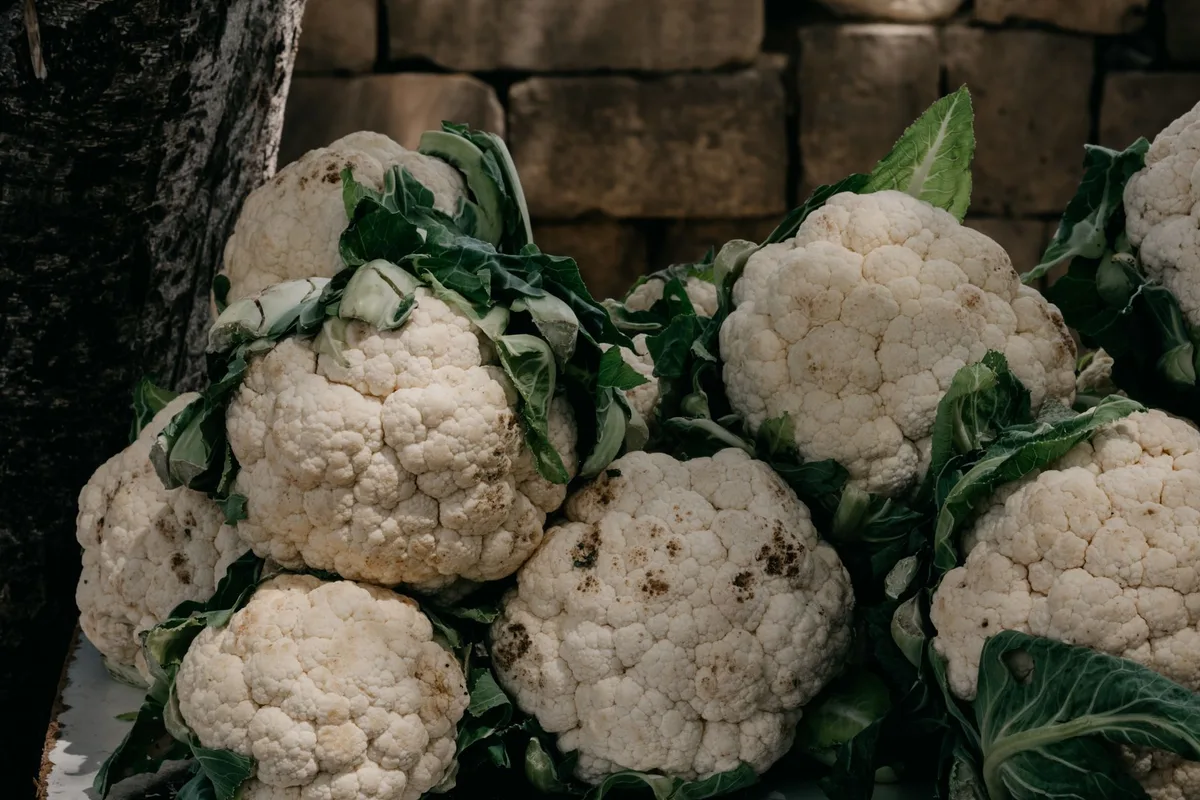
Crucially, there’s no foul odor. It still smells fresh, like a proper head of cauliflower should. These kinds of marks are often just minor bruising that occurred during handling or a bit of oxidation, which is similar to how a cut apple turns brown.
With these spots, you can simply cut away the affected areas using a sharp knife, and the rest of the cauliflower is perfectly safe to prepare and eat.
Soft, Mushy, or Smelly: The "Uh Oh" Scenario
Now, if your cauliflower's brown spots are different, you need to pay close attention. These spots tend to be larger, darker, and feel noticeably soft or even slimy when you touch them. This texture change is a significant indicator that the vegetable is starting to break down.
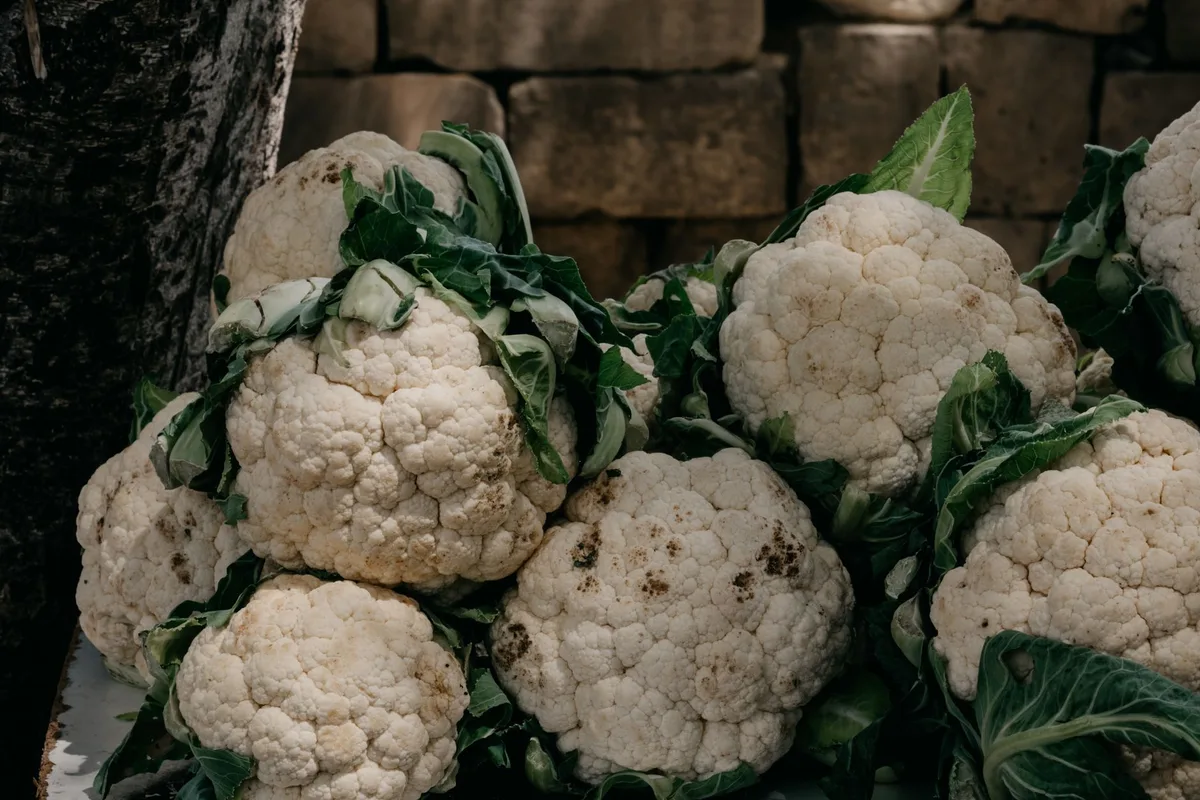
This is where your sense of smell becomes your best friend. If there's any hint of a sour, fermented, or moldy aroma, it's a clear sign that spoilage is underway. Even if the spots themselves don't look too bad, a "wrong" smell usually means the entire head is compromised.
In these cases, for both safety and quality, it's best to discard the cauliflower.
What Those Brown Spots Really Mean
The brown spots you see on cauliflower often stem from a few common issues related to its lifecycle and handling. Understanding why they appear helps you better assess their edibility. For instance, it's not uncommon for produce to develop surface discoloration due to normal aging processes or minor physical damage.
Here’s a breakdown of the common culprits:
- Oxidation: When the surface of the cauliflower is exposed to air, the enzymes within the plant tissue can react with oxygen. This process, known as oxidation, can lead to browning, much like a cut apple turns brown when left out. It’s a surface-level reaction and doesn't necessarily mean the inside is bad.
- Bruising: Cauliflower is a relatively dense but delicate vegetable. Like any produce, it can get bruised during harvesting, transport, or even just by sitting in your refrigerator. These bruises can manifest as small, localized brown areas.
- Aging and Tissue Breakdown: As cauliflower ages, its cells naturally begin to break down. This can result in some tissues becoming slightly discolored, often appearing as brown or tan spots. This is a sign that the vegetable is past its peak freshness.
- Moisture Issues: Sometimes, if cauliflower is stored in overly humid conditions or if condensation builds up, the surface can become damp. This excess moisture can encourage the growth of certain harmless bacteria or fungi, which might contribute to discoloration. Conversely, if it dries out too much, it can also affect the outer appearance.
These are generally non-threatening reasons for browning. However, it’s the texture and smell that elevate a minor blemish to a major spoilage concern.
Why Cauliflower Gets Brown Spots
The reasons behind those brown spots on your cauliflower are usually quite simple and normal for produce. These aren't signs of some exotic disease, but rather reactions to its environment and age. Think of it as natural wear and tear for a vegetable.
Here’s a quick look at why they pop up:
- Physical Impact: Cauliflower is delicate. Bruises from bumps and knocks during transport or handling can cause cells to break, leading to those brown spots.
- Air Exposure: Like a sliced apple, cauliflower can oxidize when exposed to air. This causes the surface to turn brown, a superficial change.
- Natural Aging: As cauliflower gets older, its tissues start to break down. This natural process can result in some discoloration.
- Storage Conditions: Improper storage, too much moisture or not enough, can also play a role in how the cauliflower's surface changes.
These factors often result in what’s sometimes called "russeting" when it's just slight discoloration. If the spots are dry and don’t smell off, they’re usually just cosmetic.
Final Verdict: When to Trim and When to Toss
After assessing the spots on your cauliflower, it's time for the final decision. This process comes down to trusting your senses and understanding what the visual and olfactory cues are telling you.
Here’s the simplified takeaway:
- Trim and Eat: If the brown spots are small, dry, and the cauliflower is firm and smells fresh, you're good to go. Just cut away the discolored parts. This often happens with minor bruising or slight surface drying.
- Toss It: If the brown spots are large, soft, mushy, or if there's any unpleasant sour or moldy smell, it's time to say goodbye. These are clear indicators of spoilage and potential bacterial growth.
When in doubt, it’s always wiser to err on the side of caution and discard the vegetable. Food safety is paramount, and avoiding any potential health risks is the top priority.
Your Cauliflower Spot Decision Guide
Let's get this sorted out with a straightforward decision-making process. Just take a look at your cauliflower and honestly answer these simple questions. Think of it as a quick check-up for your veggies.
Dry and Small: The "Probably Fine" Scenario
If you've spotted brown marks and they fit this description, you're likely in good shape. These spots are typically small, maybe the size of a pinhead or a small freckle. Importantly, they are dry to the touch and don't feel soft or mushy.
Crucially, there’s no foul odor. It still smells fresh, like a proper head of cauliflower should. These kinds of marks are often just minor bruising that occurred during handling or a bit of oxidation, which is similar to how a cut apple turns brown.
With these spots, you can simply cut away the affected areas using a sharp knife, and the rest of the cauliflower is perfectly safe to prepare and eat.
Soft, Mushy, or Smelly: The "Uh Oh" Scenario
Now, if your cauliflower's brown spots are different, you need to pay close attention. These spots tend to be larger, darker, and feel noticeably soft or even slimy when you touch them. This texture change is a significant indicator that the vegetable is starting to break down.
This is where your sense of smell becomes your best friend. If there's any hint of a sour, fermented, or moldy aroma, it's a clear sign that spoilage is underway. Even if the spots themselves don't look too bad, a "wrong" smell usually means the entire head is compromised.
In these cases, for both safety and quality, it's best to discard the cauliflower.
What Those Brown Spots Really Mean
The brown spots you see on cauliflower often stem from a few common issues related to its lifecycle and handling. Understanding why they appear helps you better assess their edibility. It’s not uncommon for produce to develop surface discoloration due to normal aging processes or minor physical damage.
Here’s a breakdown of the common culprits:
- Oxidation: When cauliflower’s surface is exposed to air, enzymes can react with oxygen. This process leads to browning, similar to a cut apple. It’s a surface-level reaction.
- Bruising: Cauliflower is a dense but delicate vegetable. Like other produce, it can get bruised during harvesting, transport, or fridge storage. These bruises can appear as brown areas.
- Aging and Tissue Breakdown: As cauliflower ages, its cells naturally break down. This can cause some tissues to become discolored, often appearing as brown or tan spots. It signals the vegetable is past peak freshness.
- Moisture Issues: Sometimes, if cauliflower is stored in high humidity or condensation forms, the surface can become damp. Excess moisture can encourage harmless bacteria or fungi, contributing to discoloration. Conversely, drying out too much also affects appearance.
Why Cauliflower Gets Brown Spots
The reasons behind those brown spots on your cauliflower are usually quite simple and normal for produce. These aren't signs of some exotic disease; they’re reactions to its environment and age. Think of it as natural wear and tear for a vegetable.
Here’s a quick look at why they pop up:
- Physical Impact: Cauliflower is delicate. Bruises from bumps during transport or handling can cause cells to break, leading to brown spots.
- Air Exposure: Like a sliced apple, cauliflower oxidizes when exposed to air. This turns the surface brown, a superficial change.
- Natural Aging: As cauliflower gets older, its tissues start to break down. This natural process can result in discoloration.
- Storage Conditions: Improper storage, too much or too little moisture, can affect how the cauliflower's surface changes.
These factors often result in what’s sometimes called "russeting" when it's just slight discoloration. If the spots are dry and don’t smell off, they’re usually just cosmetic.
Trim or Toss: Making the Final Call
After assessing the spots on your cauliflower, it’s time to make the final decision. This process comes down to trusting your senses and understanding what the visual and olfactory cues are telling you. It’s about knowing when to take action.
Here’s the simplified takeaway, guiding your next step:
- Trim and Eat: If the brown spots are small, dry, and the cauliflower is firm and smells fresh, proceed. You can simply cut away the discolored parts as needed. This usually means minor bruising or slight surface drying occurred.
- Toss It: If the brown spots are large, soft, mushy, or if there’s any unpleasant sour or moldy smell, it’s time for it to go. These are clear indicators of spoilage and potential bacterial growth.
When in doubt, it’s always wiser to err on the side of caution and discard the vegetable. Food safety is paramount, and avoiding any potential health risks is the top priority.