Knowing the last frost date for Birmingham, AL, is your key to unlocking a successful growing season. This critical piece of information helps you avoid planting tender crops too early and ensures your garden thrives without the heartbreak of frost damage. Get it right, and you'll enjoy healthier plants and better harvests.
As of 2026, official meteorological data from the National Weather Service indicates the average last frost date for the greater Birmingham area typically falls in mid-to-late March. However, this average is just a guideline; your specific planting timeline needs a closer look.
Quick Answer: What's the Average Last Frost Date?
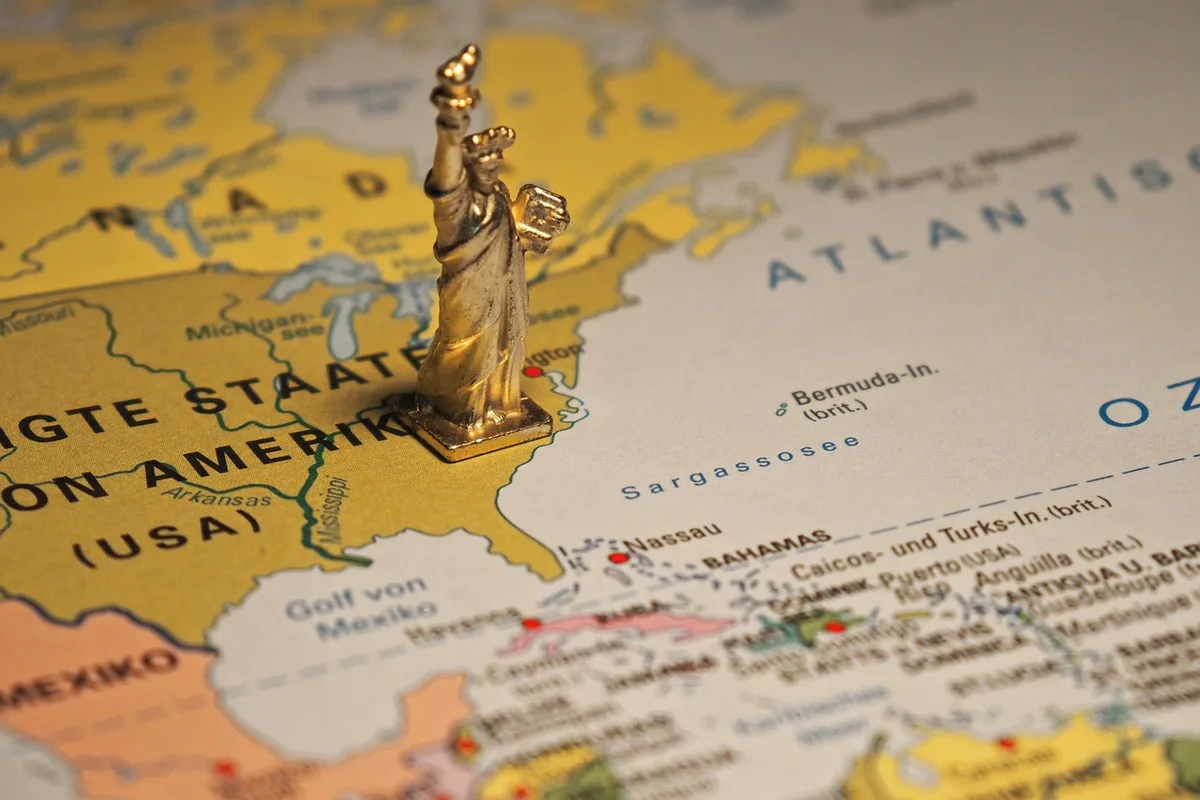
The average last frost date for Birmingham, Alabama, is mid-to-late March. This prediction is based on historical climate data. It helps gardeners decide when it's safe to plant tender crops.
Always monitor current forecasts for precise timing.
Core Explanation: Why Frost Dates Matter for Gardeners
The last frost date isn't just a number; it's a vital gardening marker. It tells you when the risk of temperatures dropping to 32°F (0°C) or below overnight significantly decreases for the season. For many popular garden plants, a light freeze can be fatal.
Tender annual vegetables like tomatoes, peppers, and cucumbers, along with most flowering annuals, are highly susceptible to cold damage. Planting them before the danger of frost has truly passed means risking their survival, potentially setting back your entire gardening effort. Knowing this date helps you time your planting for optimal growth and survival.
How We Figure Out When Frost Might Hit
Weather agencies like the National Weather Service (NWS) and NOAA compile extensive historical climate data to establish average frost dates for specific regions. They analyze decades of records to identify the typical last occurrence of freezing temperatures in spring and the first occurrence in fall. These averages are then adjusted for local conditions to provide more localized estimates.
This data is crucial for everything from deciding when to start seeds indoors to when it's safe to transplant seedlings outdoors. For Birmingham, AL, this average last frost date usually falls between March 15th and March 31st. It’s a statistically significant point, but it’s an average, not a guarantee.
The Alabama Factor: Birmingham's Climate Nuances
Birmingham, Alabama, experiences a humid subtropical climate. This means it generally has hot, humid summers and mild winters. However, the transition periods in spring and fall can be unpredictable.
Your garden's specific elevation, proximity to bodies of water, and urban development can also influence local temperatures. For example, areas with more concrete and asphalt may experience a "heat island effect," keeping them slightly warmer and potentially extending your local growing season compared to rural outskirts. Understanding these local variations is key to fine-tuning your planting schedule.
It's Not Just One Date: Microclimates in Your Yard
While the NWS provides an average last frost date for Birmingham, your actual yard might behave differently. This is due to microclimates, small, localized variations in temperature and weather. Cold air tends to settle in low-lying areas, making them more prone to frost than higher ground.
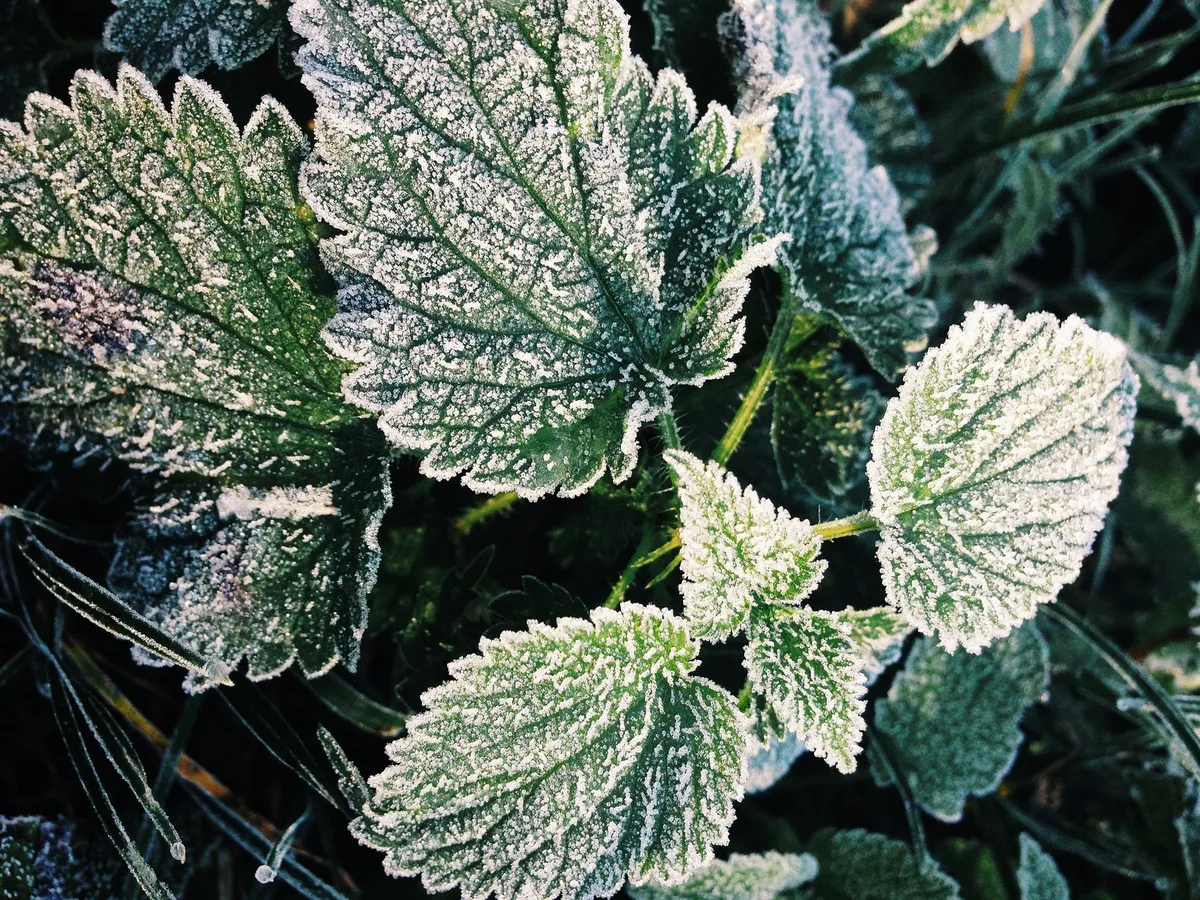
If your garden is in a dip or a sheltered corner, you might experience frost a week or two later than the general Birmingham average. Conversely, a sunny, south-facing slope might warm up faster and be less susceptible. It's worth observing your property for a season or two to understand these subtle differences.
This detailed knowledge helps prevent planting premature seedlings in a spot that consistently stays colder longer, a common issue that might require tools like cold frames to mitigate.
Step 1: Assess Your Plants – Hardy vs. Tender
Before you even think about digging, you need to know what you're planting. The biggest determinant of when you can safely plant is whether a plant is hardy or tender to frost. This categorization will guide your entire planting schedule.
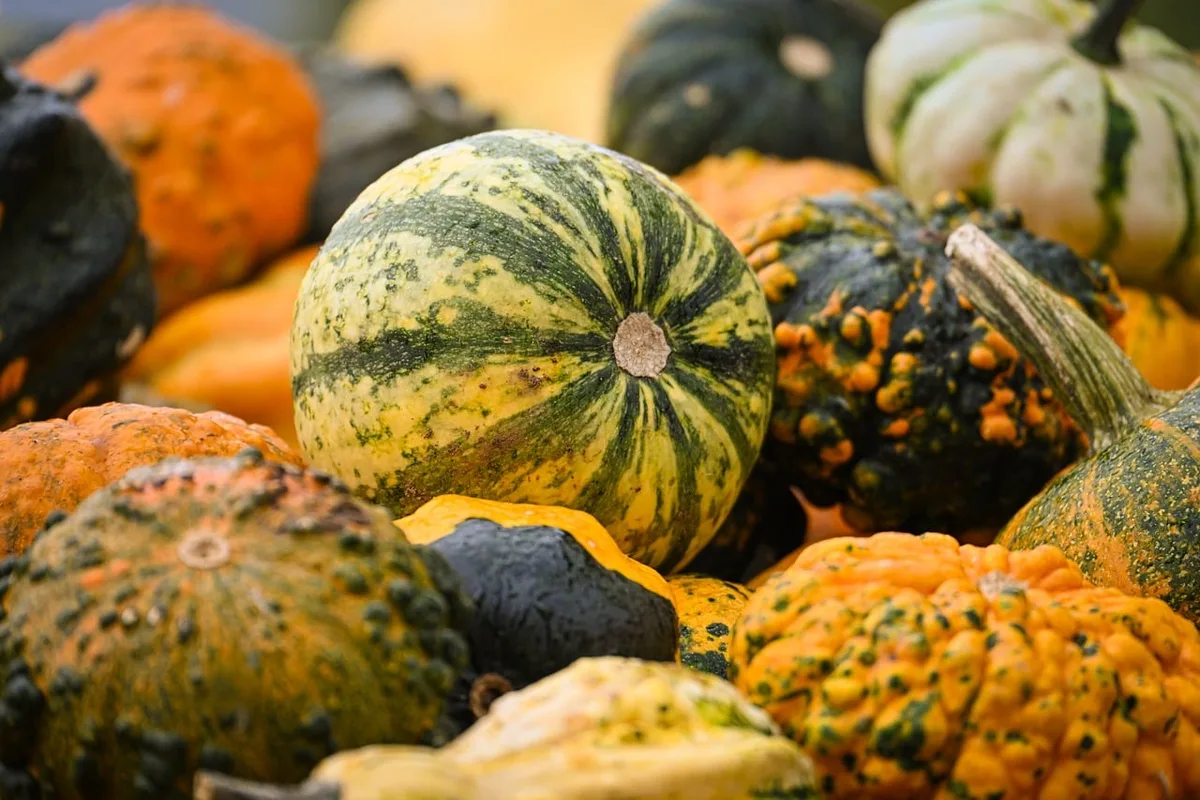
Here's a breakdown:
Hardy Plants: These can tolerate light frosts and even freezes down to certain temperatures. They usually prefer cooler weather and can be planted earlier in the spring.
- Examples: Spinach, peas, lettuce, radishes, broccoli, kale, carrots, potatoes.
- Planting Trigger: Can often be planted a few weeks before the average last frost date.
Semi-Hardy Plants: These can withstand a light frost but will be damaged by a hard freeze. They are best planted with a bit more caution.
- Examples: Beets, cauliflower, onions, cabbage.
- Planting Trigger: Usually safe to plant about 1, 2 weeks before the average last frost date.
Tender Plants: These are highly susceptible to frost and will be killed by temperatures at or below freezing. They need consistently warm soil and air temperatures to thrive.
- Examples: Tomatoes, peppers, cucumbers, beans, corn, melons, squash, basil.
- Planting Trigger: Wait until after the average last frost date, and often a week or two beyond it, when soil temperatures are reliably warm.
Very Tender Plants/Heat Lovers: These plants not only dislike frost but also need significant heat to grow well. They are the last to go into the garden.
- Examples: Sweet potatoes, okra, some types of peppers that love extreme heat.
- Planting Trigger: Plant well after all danger of frost has passed and soil is warm, usually mid-May or later in Birmingham.
Understanding this distinction is the first step in using the last frost date effectively. It directly informs how much leeway you have for planting different crops. For those looking to extend their growing season, understanding what fertilizer to use in spring is also crucial for early hardy crops.