You've noticed your mint leaves turning yellow, and it's a clear sign your plant isn't as happy as it could be. This can be frustrating, especially when you're expecting vibrant, aromatic leaves for your teas or recipes. Thankfully, yellowing leaves are usually a symptom with identifiable causes.
As of 2026, understanding these common issues is key to reviving your mint. Our research indicates that most mint problems, including leaf yellowing, can be traced back to a few fundamental care aspects. We'll walk through how to diagnose the situation and get your mint back to thriving.
Quick Answer
Mint leaves turn yellow primarily due to watering issues, inadequate sunlight, nutrient imbalances, or pest problems. Overwatering is a common culprit, leading to root suffocation. Insufficient light, over-fertilizing, or nutrient deficiencies also stress the plant.
Pests like aphids and spider mites can drain vitality. Addressing the specific cause, whether it's adjusting watering schedules or relocating the plant, is crucial for recovery.
Checking the Soil: Your Mint's Hydration Level
The moisture level of your mint's soil is the most frequent reason for its leaves turning yellow. Mint plants are quite sensitive to how much water they receive. Getting this balance just right is more art than science sometimes, but it's the first place to look when you see yellowing starting.
Is It Too Much Water?
Overwatering is a fast track to yellowing mint leaves. When soil stays consistently wet, the roots can't get the oxygen they need to function. This can lead to root rot, a serious condition where the roots actually begin to decay.
If the roots are damaged, they can't absorb water and nutrients effectively, and the leaves will start to yellow and may even feel limp or mushy. A pot without adequate drainage holes is a common cause of this problem.
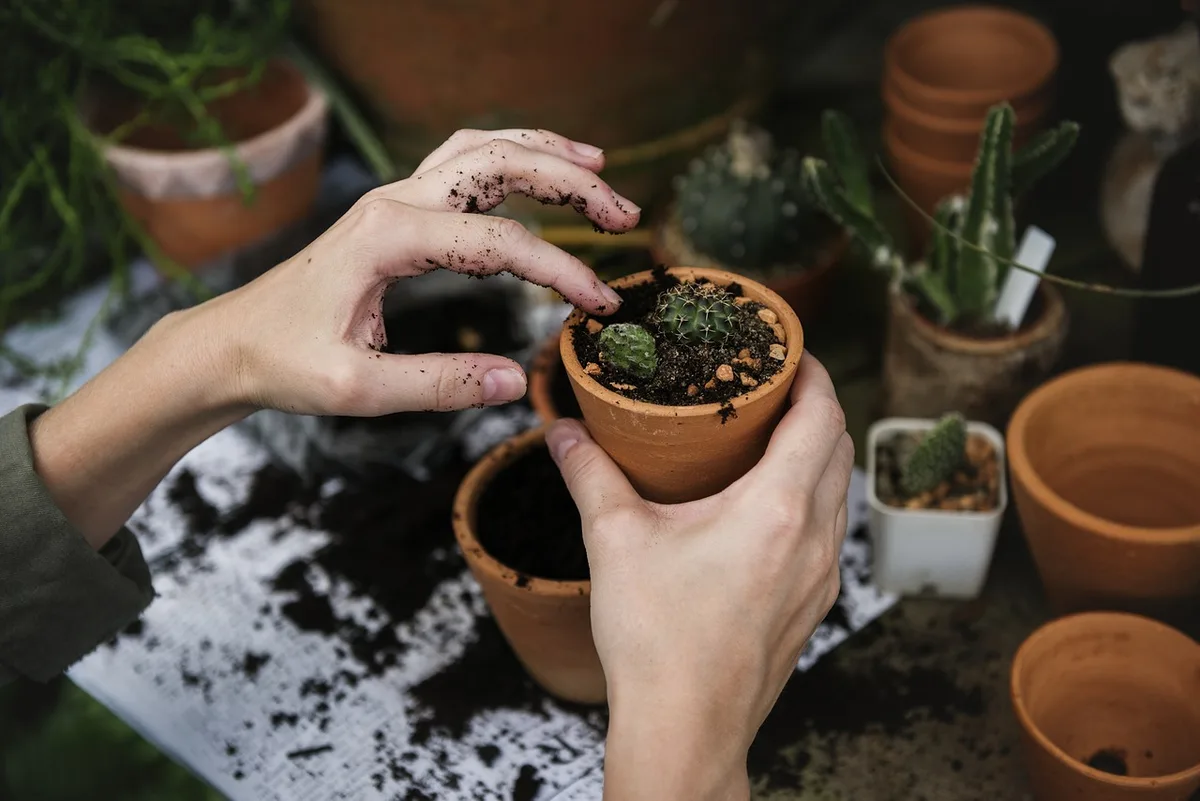
- How to Check: Stick your finger about two inches into the soil. If it feels damp or soggy, you're likely overwatering.
- What to Do: Allow the soil to dry out considerably between waterings. Ensure your pot has drainage holes so excess water can escape. We've found that most mint varieties prefer the soil to have a chance to dry out between deep watering sessions, rather than staying constantly moist, preventing root suffocation. If your pot lacks drainage, consider repotting into one that does.
Is It Not Enough Water?
Conversely, letting your mint plant become too dry can also cause stress and lead to yellowing leaves. When the soil is extremely dry, the plant can't get the hydration it needs to support its foliage. This often results in leaves that not only turn yellow but also start to crisp up and turn brown at the edges.
It's a clear signal that the plant is parched and needs immediate relief.
- How to Check: If the soil feels dry and crumbly when you poke your finger in, your mint is likely thirsty. The leaves themselves might also look droopy or wilted.
- What to Do: Water the plant thoroughly until water runs out of the drainage holes. For consistently dry conditions, you might need to water more frequently, especially during hotter weather or if the plant is in a small container.
Light Matters: Sunlight and Your Mint Plant
Mint generally loves sunshine, but like any plant, it has its limits. The amount and intensity of light your mint receives can directly impact its leaf color and overall health. Finding that sweet spot between enough sun for healthy growth and avoiding too much can be critical.
Too Much Sun Can Burn
While mint appreciates a sunny location, direct, scorching sun, especially during the hottest part of the day in summer, can be detrimental. Intense sunlight can essentially scorch the leaves, causing them to develop yellow or bleached-looking patches. This is more common in regions with very high temperatures and strong UV rays.
If your mint is on a south-facing windowsill or exposed to harsh afternoon sun, this could be the reason for its distress.
- What to Look For: Yellowing that appears on the upper, more exposed leaves first, or in patches that look like they've been bleached or sunburnt.
- The Fix: Relocate your mint plant to a spot that receives morning sun and dappled shade during the hottest afternoon hours. This provides enough light for photosynthesis without the damaging intensity. For those with indoor setups, considering the placement within a grow tent ventilation setup is crucial to manage light and heat.
Not Enough Light Means No Green
On the flip side, if your mint plant isn't getting enough light, it can also turn yellow. Chlorophyll, the pigment that gives plants their green color, is produced through photosynthesis, which requires light. When light is insufficient, the plant can't produce enough chlorophyll, and the leaves may lose their green hue and turn yellow.
This is often seen when a mint plant is kept in a dark corner or a room with very little natural light.
- What to Look For: General yellowing across the plant, often accompanied by leggy growth (long, weak stems with few leaves). New leaves might be smaller and paler than usual.
- The Fix: Move your mint to a brighter location. Mint typically thrives in full sun to partial shade. If you're growing indoors and natural light is limited, consider using grow lights. Even a few hours of direct sun daily can make a big difference. For those building their own indoor gardens, understanding light needs is a key part of any grow tent setup guide.
Hungry Mint? Nutrient Issues to Watch For
Plants are living organisms that require nutrients to grow and stay healthy, and mint is no exception. Over time, the soil can become depleted of essential elements, or an imbalance can occur if nutrients are added incorrectly. Both scenarios can lead to yellowing leaves.
Signs of Nutrient Deficiency
If your mint has been in the same pot for a long time, or if the soil you used was low in organic matter, it might be running out of food. A common sign of nutrient deficiency is a general yellowing of the leaves, particularly older leaves lower on the plant. Nitrogen deficiency is a primary suspect here, as nitrogen is crucial for chlorophyll production.
Without enough nitrogen, the plant struggles to maintain its green color.
- When it Happens: Typically seen in older plants, or plants that haven't been repotted or fed in over a year.
- What to Do: It's time to feed your mint. A balanced liquid fertilizer suitable for herbs or a top-dressing of compost can provide the necessary nutrients. When using fertilizers, it's good to choose a product designed for edible plants. For lawn care, understanding what kind of fertilizer for grass to use can prevent similar issues in turf.
The Danger of Over-Fertilizing
While your mint might be hungry, it's possible to give it too much of a good thing. Over-fertilizing can actually harm the plant, causing what's known as nutrient burn. This happens when the concentration of fertilizer salts in the soil becomes too high, damaging the roots and interfering with their ability to absorb water.
The result? Leaves can turn yellow, brown, and crispy.
- How to Tell: Yellowing might appear suddenly after fertilizing, combined with burnt-looking tips or edges on the leaves.
- What to Do: If you suspect over-fertilization, the best course of action is to leach the soil. Water the pot thoroughly until water drains freely from the bottom, repeating this several times to flush out excess salts. Then, hold off on fertilizing for at least a month, allowing the plant to recover. Consulting resources on compost vs fertilizer can help strike this balance.
Uninvited Guests: Pests and Diseases on Mint
Sometimes, the reason for your mint leaves turning yellow isn't environmental, but biological. Tiny pests or microscopic diseases can attack your plant, weakening it and causing visible signs like discolored leaves. Catching these early is key to saving your mint.
Spotting Common Mint Pests
Several common garden pests love to feed on mint. Aphids, spider mites, and whiteflies are frequent visitors. They suck the sap from the leaves and stems, draining the plant's energy and nutrients.
This feeding activity can cause leaves to turn yellow, distort, and eventually fall off. You might also notice sticky residue (honeydew) on the leaves or fine webbing on the undersides, especially with spider mites.
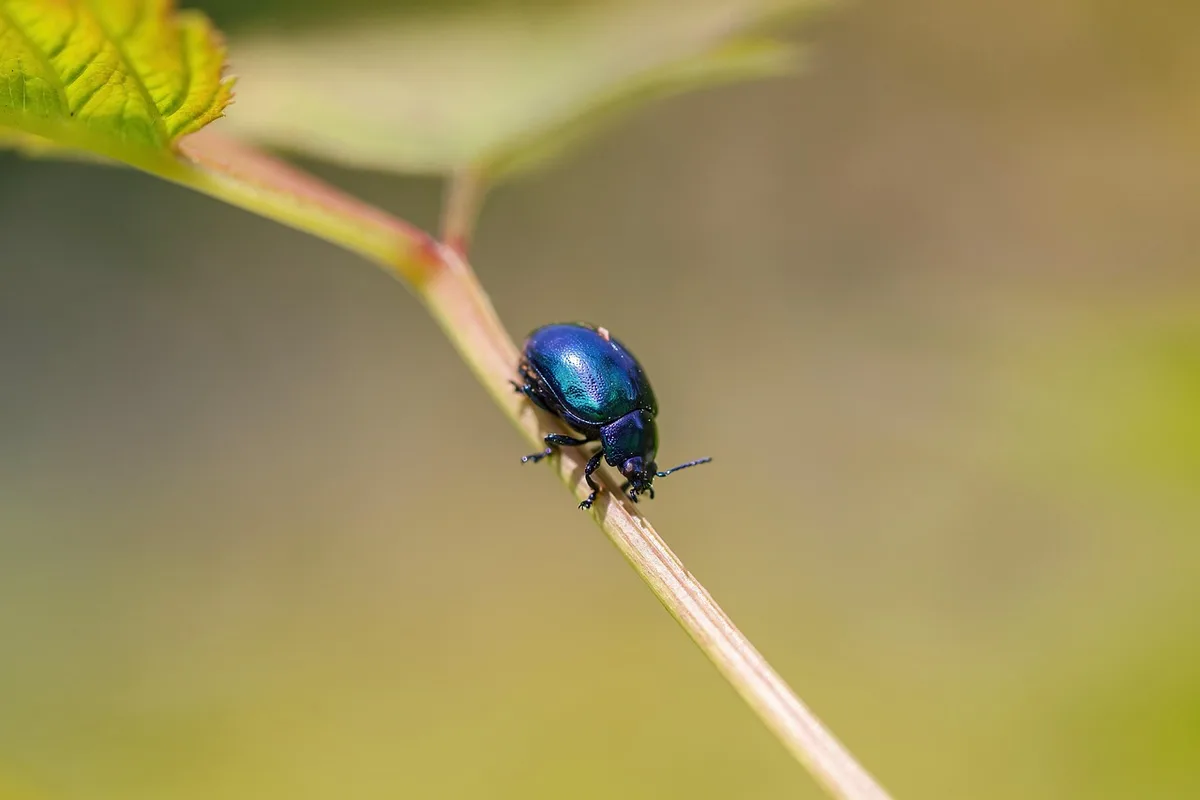
- Where to Look: Inspect the undersides of leaves, the stems, and new growth carefully.
- Treatment: Often, a strong blast of water can dislodge many pests. For more persistent infestations, consider using insecticidal soap or neem oil, following product instructions carefully. Some people even use simple hoes to get rid of garden weeds that might harbor pests.
Addressing Fungal Issues
Fungal diseases can also cause mint leaves to yellow. While some fungal issues might present as distinct spots or patterns, others can cause a general decline in plant health, leading to yellowing. Root rot, often caused by overwatering, is a significant fungal problem that attacks the roots, preventing proper nutrient and water uptake, which then manifests as yellowing leaves.
Another common one is powdery mildew, although this usually starts as white spots.
- Prevention is Key: Good air circulation around the plant and avoiding overhead watering (which keeps leaves wet) can help prevent fungal diseases.
- What to Do: If you suspect a fungal issue, remove affected leaves or parts of the plant. Ensure proper watering practices and adequate airflow. For root rot, repotting into fresh, well-draining soil after trimming any rotted roots might be necessary.
Other Reasons Your Mint Might Be Yellowing
Sometimes, the causes of yellowing leaves aren't as straightforward as water or light. There are a few other factors that could be stressing your mint plant. Understanding these can help you pinpoint the exact issue and provide the right care.
Did You Just Repot It?
If you've recently moved your mint to a new pot or a different location, it might be experiencing transplant shock. This is a natural stress response that plants sometimes have when their environment changes abruptly. During this period, the plant is focused on adapting its root system to the new soil and conditions.
It's not uncommon for older leaves to turn yellow and drop as the plant redirects its energy to new growth.
- What to Expect: A few yellowing leaves within a week or two after repotting.
- What to Do: Be patient. Ensure consistent, moderate watering, and avoid fertilizing until the plant shows signs of new growth. If you're new to plant care, understanding how to repair a lawn mower without a technician involves similar patience with diagnosing and fixing issues.
Natural Leaf Aging
Every plant has a life cycle, and this includes its leaves. It's perfectly normal for the oldest leaves at the very bottom of your mint plant to gradually turn yellow and eventually fall off. This process is called senescence, where the plant reabsorbs nutrients from the older leaves before they die.
If you're only seeing one or two older leaves yellowing at a time, and the rest of the plant looks healthy and green, it's likely just part of the natural aging process.
- How to Differentiate: Compare the affected leaves to the rest of the plant. Are newer leaves also yellowing, or is it just the oldest ones?
- What to Do: Simply pinch or snip off the yellowing old leaves. This helps improve air circulation around the base of the plant and looks tidier.
Your Mint Troubleshooting Action Plan
Ready to put your detective skills to the test? By following a systematic approach, you can narrow down the potential causes of your mint's yellow leaves and apply the correct solution. This process helps you avoid guesswork and leads to a healthier plant.
Step 1: Feel the Soil
This is your first and most crucial diagnostic step. Gently insert your finger about one to two inches deep into the soil. Pay attention to the moisture level.
If it feels soggy or waterlogged, overwatering is likely your main problem. If it feels dry and crumbly, your mint is thirsty. If it feels moderately damp, the issue might lie elsewhere.
Remember, mint generally prefers to dry out slightly between waterings, especially when potted.
Step 2: Assess Light Exposure
Now, consider where your mint is located. Is it sitting in intense, direct sunlight for most of the day, particularly during the hottest afternoon hours? If so, it might be experiencing sun scorch.
Conversely, is it tucked away in a cool, dim corner with very little natural light? Insufficient light can also lead to yellowing. Observe how many hours of direct sun the plant receives and whether that aligns with its needs for vibrant green foliage.
Step 3: Inspect for Pests and Diseases
Get up close and personal with your plant. Look closely at the tops and undersides of the leaves, as well as the stems. Search for any tiny insects, webbing, or sticky residue.
Common culprits include aphids or spider mites. Also, check if the leaves feel unusually dry or brittle, which can indicate pest damage. If new growth appears distorted or spotted, a fungal issue might be at play.
Step 4: Review Feeding Habits
When was the last time you fertilized your mint? If it's been months, or if you’re using old soil that hasn’t been amended, your plant could be depleted of essential nutrients. Nitrogen is a common deficiency that leads to yellow leaves.
On the other hand, if you recently applied a strong dose of fertilizer, excessive nutrients could be causing burn, also resulting in yellowing.
Step 5: Consider Recent Changes
Think about any recent changes you've made to your mint's environment. Did you just repot it into a new container? Moved it to a different windowsill?
Sometimes, plants need time to adjust to new conditions, and yellowing leaves can be a temporary stress response. If it’s just a few of the oldest leaves at the bottom of the plant that are yellow, this is likely natural aging and not cause for alarm.
Quick Fixes and Smarter Mint Care
Once you've identified the likely cause of your mint's yellow leaves, implementing the right fixes is key. For overwatering, this means adjusting your watering schedule, ensuring good drainage, and letting the soil dry out between waterings. If underwatering is the issue, provide a thorough soaking and water more consistently.
For light problems, move your mint to a spot with bright, indirect light, or morning sun followed by afternoon shade. If pests are present, you can often treat them with a gentle insecticidal soap or by rinsing them off with water. Nutrient deficiencies can be addressed with a diluted liquid fertilizer or a compost top-dressing, while over-fertilizing requires flushing the soil.
Preventing future issues is about establishing a consistent care routine. This includes regular checks for pests, proper watering based on soil moisture, and providing adequate light. For instance, knowing when to fertilize a lawn or understanding the best fertilizer to use in spring at your garden is about proactive care that prevents problems from developing.
When to Worry (and When Not To)
It's important to distinguish between minor issues and signs of a serious problem. A few older leaves yellowing at the base of the plant is usually natural senescence and not something to fret over. If the yellowing is widespread, affects new growth, or is accompanied by wilting, crisping leaves, or visible pests, then it's cause for concern.
Persistent yellowing that doesn't respond to basic care adjustments might indicate root rot or a significant pest infestation that requires more intensive treatment. If you've tried adjusting watering, light, and have ruled out pests, but the yellowing continues, it may be time to consider repotting into fresh soil or seeking more specialized advice on mint cultivation.
Your Mint Plant Decision Guide
To help you decide on the best course of action, consider this guide. If your soil is consistently wet, focus on reducing watering and improving drainage. If the soil is dry and crumbly, water more deeply and frequently.
For mint in intense, direct sun, provide afternoon shade. If it’s in too little light, move it to a brighter spot.
When pests are visible, initiate a treatment plan. If you suspect nutrient issues, fertilize cautiously or leach the soil if over-fertilization is the problem. For general decline after repotting, be patient and maintain consistent care.
By systematically working through these possibilities, you can effectively diagnose and resolve the yellowing of your mint leaves.