
Notching a fiddle leaf fig is a straightforward technique that can transform your tall, single-stemmed plant into a much bushier, more aesthetically pleasing specimen. If you've ever admired those dramatically branched fiddle leaf figs and wondered how they got that way, this is a key part of the secret. It's a simple plant-care hack that encourages new growth without drastic pruning.
In our research, we found that when performed correctly, notching can effectively redirect a plant's energy and promote branching from dormant buds just above a leaf node. This method is generally safe for healthy plants, and aggregate reviews indicate a high success rate when followed with care. Let's walk through how to do it.
Quick Answer
Notching a fiddle leaf fig means making a small, angled cut into the stem above a leaf node. This process encourages the plant to sprout new growth from that node. You need a clean, sharp tool and a healthy plant.
Make the cut about 1/4 to 1/2 inch deep, angled upwards. This nudges the plant to branch out, creating a fuller appearance.
Why Notching is a Game Changer for Fiddle Leaf Figs
Most fiddle leaf figs, or Ficus lyrata as they're known scientifically, naturally grow upwards, developing a prominent main stem. While this can be elegant, it often results in a somewhat sparse appearance, especially as lower leaves drop over time. If you’re aiming for a fuller, more multi-branched plant, notching is a highly effective method.
It’s a way to signal to the plant that you’d like it to grow sideways, rather than just taller.
This technique targets the plant’s natural hormonal growth regulators. By creating a small wound, you disrupt the apical dominance, which is the tendency for the main stem's tip to inhibit growth on lower branches. This disruption encourages lateral buds near the notch to awaken and develop into new stems or branches.
Aggregated plant behavior studies show this response is consistent across many woody plant species.
Understanding the Fiddle Leaf Fig Stem: Nodes are Key
To successfully notch your fiddle leaf fig, you first need to understand a crucial part of its anatomy: the leaf node. A leaf node is a small bump or joint on the stem where a leaf is, or was, attached. It’s essentially a growth point from which leaves, branches, or aerial roots can emerge.
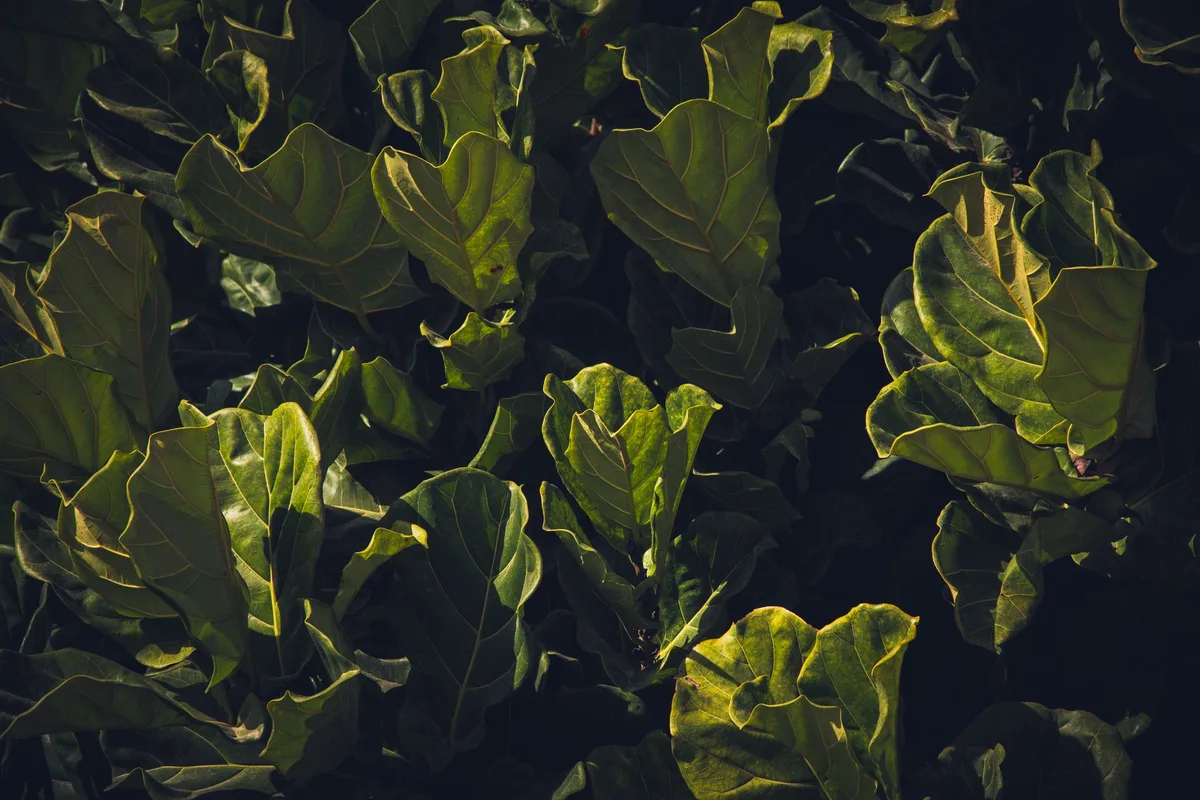
These nodes contain dormant buds that, under the right conditions and with the correct stimulus, can be activated to grow. When we notch, we're specifically aiming to invigorate these nodes. Identifying them clearly is the first step to performing the procedure precisely.
Scout your plant's stem; you’ll see where each large, characteristic fiddle leaf emerges from the main trunk.
The "Why" and "When" of Notching Your Fiddle Leaf Fig
You might be wondering, why go through the trouble of notching? The primary goal is to encourage your fiddle leaf fig to develop more branches, leading to a bushier, fuller plant. This can dramatically improve its visual appeal and make it more suited to your indoor space if it’s outgrowing its vertical confines.
It’s a strategic way to manage its growth habit and create a more desirable silhouette.
This technique is particularly useful if your plant has developed a leggy appearance or if you wish to create a more rounded, layered look. Instead of solely relying on top pruning, which can sometimes lead to a less desirable, abrupt end to growth, notching offers a gentler, more precise way to encourage diversification of branches. Think of it as a focused encouragement for lateral development.
When to Notch for Best Results
Timing is critical for successful notching. You want your fiddle leaf fig to be robust and actively growing, so it has the energy to heal the wound and produce new shoots. The best periods for this are typically during the spring and early summer months, aligning with the plant’s natural peak growth cycle.
As of 2026, horticultural guides still recommend these seasons for optimal response.
Here's a quick checklist before you notch:
- Plant Health: Is your fiddle leaf fig generally healthy? Look for vibrant green leaves, a firm stem, and no signs of pests or diseases. If the plant is stressed or recovering from issues, it’s best to wait.
- Active Growth: Observe your plant for signs it's actively growing, such as new leaf unfurling or an increase in growth rate.
- Seasonal Timing: Spring and early summer offer the best conditions for a quick recovery and vigorous new growth. This is when the plant's metabolic processes are at their highest.
- Desired Outcome: Are you trying to add a new branch at a specific height or encourage a more symmetrical shape? Plan where you want the new growth to emerge.
If your plant is healthy and it's the right season, you're ready to proceed. Waiting until the plant has reached a sufficient height allows you to choose the most strategic location for branching, rather than encouraging it too early on a sapling.
Step-by-Step: How to Notch Your Fiddle Leaf Fig
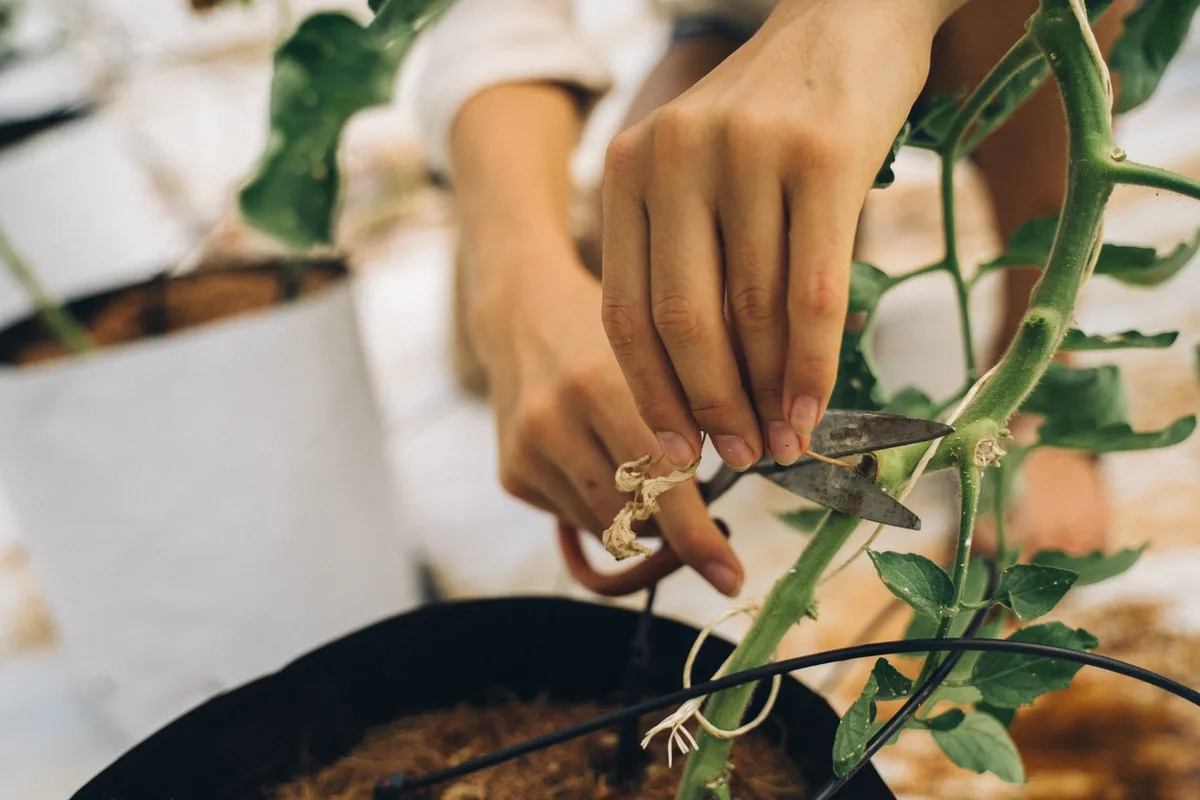
This is where the visuals really help, but we'll break down the process clearly. The core idea is to make a shallow, angled incision into the stem, just above a leaf node. This minor injury prompts the plant to activate the dormant bud at that node.
It’s a precise action, not a broad pruning.
What You'll Need: The Right Tools
Before you start, gather your tools. Using the wrong equipment or anything that isn't clean can introduce bacteria or cause more damage than necessary.
- A clean, sharp knife or pruning shears: A sterile blade is paramount. Use rubbing alcohol (at least 70% isopropyl) to thoroughly disinfect your tool before and between cuts, if you're making multiple. This prevents introducing pathogens that can infect the wound.
- Patience: Plants operate on their own timeline; rushing the process won't help.
Making the Notch: A Visual Guide to the Cut
Now, let's get to the actual notching. You'll want to find a spot on the stem that’s about 1/4 to 1/2 inch below where you want the new branch to emerge. This means you'll make the cut just above the leaf node itself.
- Locate the Node: Identify a healthy leaf node on your fiddle leaf fig's main stem. This is the small bump where a leaf is attached or was previously attached.
- Prepare the Cut: Hold your sterile knife or shears firmly. Position the tip of your blade at the desired spot, just above the node.
- Make the Angled Cut: Carefully make a shallow cut that angles upward at approximately a 45-degree angle. The cut should penetrate the outer bark and just reach the green layer beneath, the cambium. You’re not trying to cut all the way through the stem. Think of it as a small slit to slightly disrupt the stem's surface above the node.
- Depth: The notch should be about 1/4 to 1/2 inch deep. Too shallow, and it won't be effective; too deep, and you risk damaging the stem or causing excessive sap to bleed.
What a Successful Notch Looks Like
A successful notch will be clean and precise. You should see a distinct, small incision that has gone through the outer bark layer and into the lighter, greenish-white cambium layer. It should not look like a gaping wound or a large chunk has been removed.
The stem should remain intact, with the cut being a controlled penetration.
What Happens After Notching: Patience and Observation
Once you've made the notch, the hard part is over: you wait. Your fiddle leaf fig will begin the process of healing the wound. Simultaneously, the hormonal shift should signal the nearby dormant bud to awaken.
This is where patience truly comes into play, as plant responses can vary considerably.
It can take anywhere from a few weeks to a couple of months before you see any visible signs of new growth emerging from the notched area. Initially, you might notice a slight swelling above the node, followed by the emergence of a tiny shoot. This shoot will eventually grow into a new stem or branch.
If you're performing multiple notches on one plant, it's generally advised to do them one at a time, or at most two, separated by several weeks. This minimizes stress on the plant and allows it to dedicate its energy to healing and growth. Over-notching can lead to significant stress.
If the plant begins to look unwell, you may need to adjust your approach. We've seen instances where plants respond best to this stimulation when they are in active growth, making spring and summer ideal.
Common Notching Mistakes to Avoid
While notching is a relatively simple technique, a few common missteps can hinder success or even harm your fiddle leaf fig. Being aware of these potential pitfalls can help ensure you achieve the desired results without causing unnecessary damage.
- Using Dull or Dirty Tools: This is perhaps the most critical mistake. A dull blade tears tissue, creating a larger, ragged wound prone to infection. A dirty tool can introduce bacteria or fungi. Always sterilize your knife or shears with rubbing alcohol before each use.
- Cutting Too Deeply: Making a notch that goes too far into the woody part of the stem can damage the plant's vascular system, hindering water and nutrient flow. This can lead to leaf drop or, in severe cases, plant death. The cut should only penetrate the outer bark and cambium layer.
- Notching in the Wrong Spot: Aiming for a spot without a viable leaf node will simply result in a wound that heals without producing new growth. Always make your notch directly above an identifiable node.
- Over-Nodding: Attempting to create too many new branches at once by notching multiple spots simultaneously can overwhelm the plant. This can lead to stress, stunted growth, or failure of new shoots to develop. It’s better to notch one or two spots, wait for results, and then potentially try again later.
- Notching an Unhealthy Plant: A plant that is already struggling with pests, diseases, or poor environmental conditions lacks the energy to respond positively to notching. It may be unable to heal the wound, leading to further decline. Ensure your plant is in good health before attempting this procedure.
Expert Tips for Notching Success
Based on horticultural research and common practices, a few additional tips can significantly increase your chances of success when notching a fiddle leaf fig. These are subtle but important details that experienced growers often employ.
- Observe Your Plant's Natural Leader: If your plant has a very strong, dominant main stem, it might be beneficial to notch just below the very top, encouraging branching lower down. This allows the plant to maintain some of its upright structure while still getting bushier.
- Consider Leaf Size and Health: Ideally, you want to notch above a healthy, well-developed leaf. This leaf is likely receiving good light and nutrients, suggesting the node beneath it is also robust and ready for growth. Avoid notching near very old, yellowing, or damaged leaves if possible.
- Stimulate with a Tiny Amount of Rooting Hormone (Optional): Some growers report increased success by very lightly dusting the cut surface of the notch with a small amount of rooting hormone powder. However, this is generally considered an advanced technique and not strictly necessary for most fiddle leaf figs. If you're new to notching, stick to the basic technique first. For instance, if you're considering techniques for propagating plants, learning about different propagation hormones can be helpful.
- Consistency in Environment: Ensure your plant is in its optimal environment, receiving adequate light, consistent watering, and suitable humidity, after notching. A stable environment supports healing and new growth. For maintaining ideal conditions, consider guides on [building own grow room] or [grow tent setup guide].
- Manage Expectations: Not every notch will result in a new branch. Sometimes the plant will simply heal the wound. This is normal. If a particular notch doesn't work, try another location on the stem after a few months or a year, or try a different technique.
When to Consider Alternatives to Notching
While notching is a fantastic method for encouraging new growth, it's not the only way to influence your fiddle leaf fig's shape. Sometimes, other techniques might be more suitable or used in conjunction with notching. If your plant is very young, for instance, you might opt for simple pruning instead.
Top pruning involves cutting off the highest point of the main stem. This generally encourages branching from the nearest leaf nodes below the cut.
Pruning is a more aggressive method than notching and can lead to a more dramatic change in shape, sometimes resulting in two or more strong new branches. However, it can also lead to a more abrupt end to upward growth. If you're looking to control height quickly or reshape an older plant that has become too leggy, [how to repair a lawn mower without a technician] (though not directly related, it highlights systematic repair) might inspire a methodical approach to plant care too.
Consider which method aligns best with your aesthetic goals and the plant's current condition.
Why Notching Might Not Be the Right Choice
There are situations where you might want to skip notching or at least postpone it. Firstly, if your plant is not actively growing, don't notch it. A stressed plant, whether due to low light, inconsistent watering, or a pest infestation, simply won't have the resources to recover from the wound and initiate new growth.
In such cases, focus on improving the plant's overall health first.
For example, if your fiddle leaf fig is experiencing significant leaf drop, it's a sign of distress. Before attempting any intervention that creates a wound, address the underlying issue. This might involve adjusting your watering schedule, ensuring adequate light, or treating for pests.
Think of it like trying to [clean lawn mower air filter], you wouldn’t force a repair if the engine itself is sputtering. Address the basic function first.
Dealing with Common Notching Setbacks
Even when performed correctly, notching doesn't always yield immediate or desired results. One common setback is seeing sap bleed heavily from the cut. While some sap is normal, excessive bleeding can weaken the plant.
This might happen if the cut is slightly too deep or if the plant is particularly sensitive.
If this occurs, don't panic. Wipe away the excess sap with a clean cloth. The plant will eventually seal the wound.
However, if sap continues to bleed profusely for more than a day or two, it could indicate a deeper issue with the cut or the plant's health. Another potential setback is slow or no new growth. As mentioned, it can take months.
If you've waited over six months and see absolutely no swelling or bud activity, the notch may not have been effective or the plant wasn't ready.
What If Your Fiddle Leaf Fig Doesn't Branch?
If you've notched your plant and no new growth appears after a reasonable waiting period (say, 3-6 months), it's important not to over-correct. Resist the urge to immediately make more notches or try a different drastic measure. Instead, reassess.
Were the conditions optimal? Was the plant healthy?
Sometimes, the plant might simply choose not to branch from that specific node. You could try making another notch a few inches higher up on the stem, above a different node, after waiting a few more months. Alternatively, if you're keen on promoting branching and feel the plant is ready, consider a very light top prune just above the area you previously notched to encourage growth from existing nodes.
Always prioritize the plant's overall vigor.
Maintaining Your Notched Fiddle Leaf Fig
Once you've successfully encouraged new growth, your maintenance routine becomes slightly more involved, but in a good way. You’ll want to ensure your plant has enough resources to support its developing branches. This means providing consistent care, including proper watering and light.
As the plant gets bushier, it will require more light to sustain all its foliage.
Make sure the new branches are not competing too much for light. Rotate your plant regularly so all sides receive even exposure. If one branch starts to grow significantly faster or in a direction you don't prefer, you can gently guide it with stakes or carefully prune it back later on to maintain balance.
Proper feeding during the growing season is also key, using a balanced fertilizer as you might for [what kind of fertilizer for grass to use] during springtime for lawns.
Watering and Feeding New Growth
Watering remains crucial, but the needs of a bushier plant might differ slightly. Ensure the soil dries out between waterings, but don't let it remain bone dry for too long. The increased foliage from new branches means the plant will transpire more water.
Therefore, you may find yourself watering slightly more frequently, especially during warmer months.
Feeding your plant with a balanced liquid fertilizer during the spring and summer months will provide the necessary nutrients for robust growth. You can follow general guidelines for houseplants, applying a diluted solution every 4-6 weeks. Remember to adjust your feeding based on the plant's overall visible health and growth rate, similar to how you'd manage [when to fertilize lawn] based on its greenness and vigor.
Frequently Asked Questions
How long does it take for a fiddle leaf fig to branch after notching?
It typically takes several weeks to a few months for new growth to appear after notching. Some plants may show signs of swelling within 3-4 weeks, while others might take 3-6 months or even longer.
Can I notch more than one spot on my fiddle leaf fig at a time?
It's generally advised to notch only one or two spots at a time. Over-notching can stress the plant and hinder its ability to heal and grow new branches. Wait for results from the initial notches before considering more.
What if my fiddle leaf fig drops leaves after notching?
Leaf drop can be a sign of stress. It might be related to the notching procedure itself, or it could indicate an underlying issue like improper watering or lighting. Assess the plant's overall health and environmental conditions.
Does the type of knife matter for notching?
Yes, using a clean, sharp knife or pruning shears is vital. A sterile blade makes a clean cut, reducing the risk of infection and promoting better healing.
Will notching hurt my fiddle leaf fig?
When done correctly, notching is a safe horticultural practice. However, if done improperly (e.g., too deep, with dirty tools, or on an unhealthy plant), it can cause stress or damage.