You walk outside one morning, coffee in hand, ready to check on your pumpkin patch. But something's wrong. The broad green leaves that looked perfect yesterday now have white patches, spots, or a dusty coating.
Your first thought is probably panic. Most gardeners have been there. The good news is that pumpkin plant leaves turning white is usually fixable, and you can often save your harvest if you act fast.
Powdery mildew, the most common culprit, affects over 10,000 species of plants globally. For pumpkins specifically, it can cut yield by up to 50 percent if left unchecked. That sounds scary, but the real trick is knowing exactly what you're looking at.
A white coating and a white bleach spot need very different treatments. Let's walk through each cause so you can diagnose yours in about five minutes.
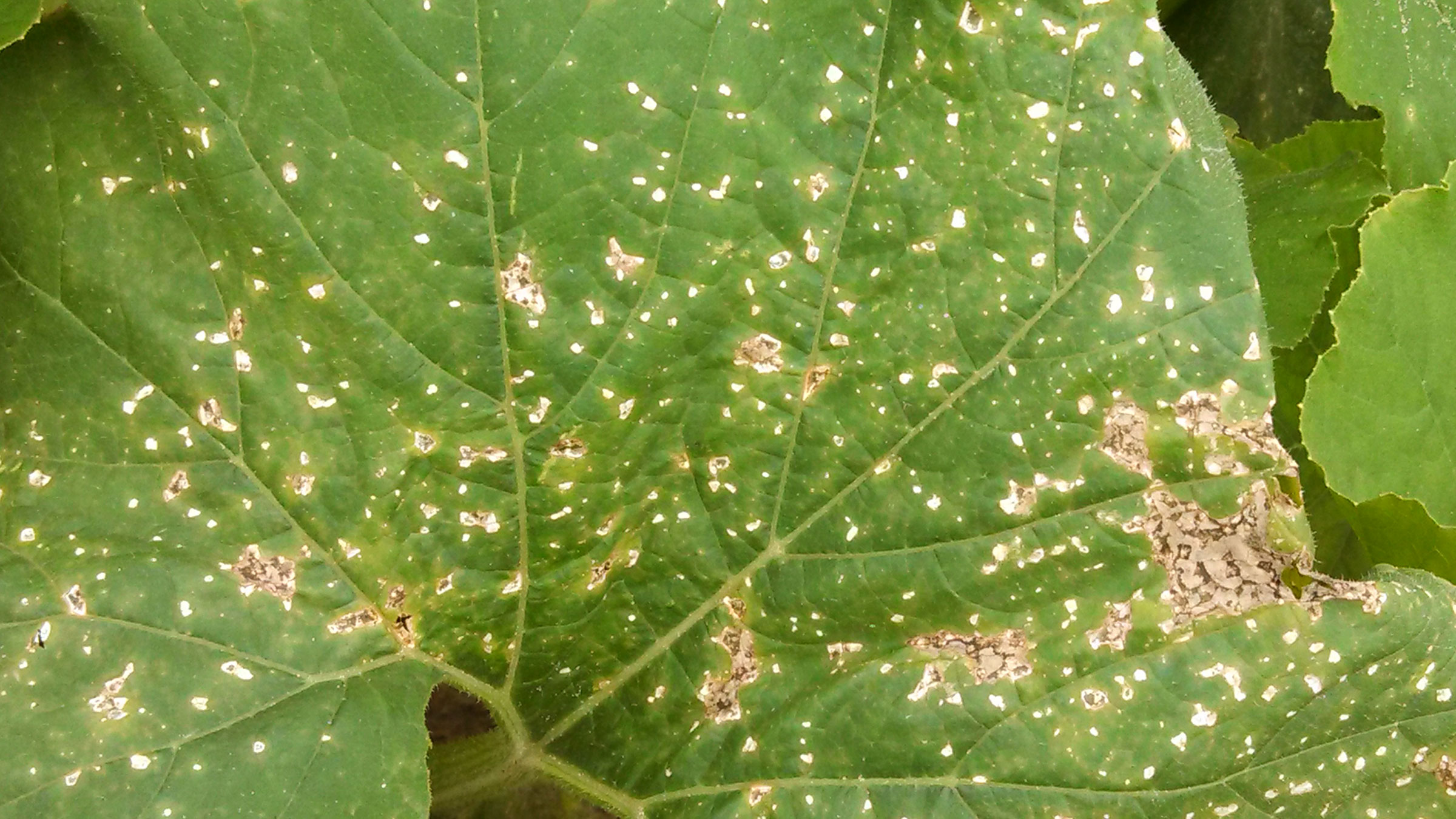
Image source: Bing (Web (fair-use with source credit))
Quick Answer
Pumpkin leaves turn white most often from powdery mildew. Rub the white stuff with your finger. If it wipes off like dust, that's the fungus.
The wipe test is your fastest diagnosis tool. Sunburn creates pale papery patches that don't rub off. Nutrient problems and pest residue are less common but easy to rule out.
The next section walks you through every possibility step by step.
Core Explanation / How It Works: The Three Main Causes of White Leaves on Pumpkin Plants
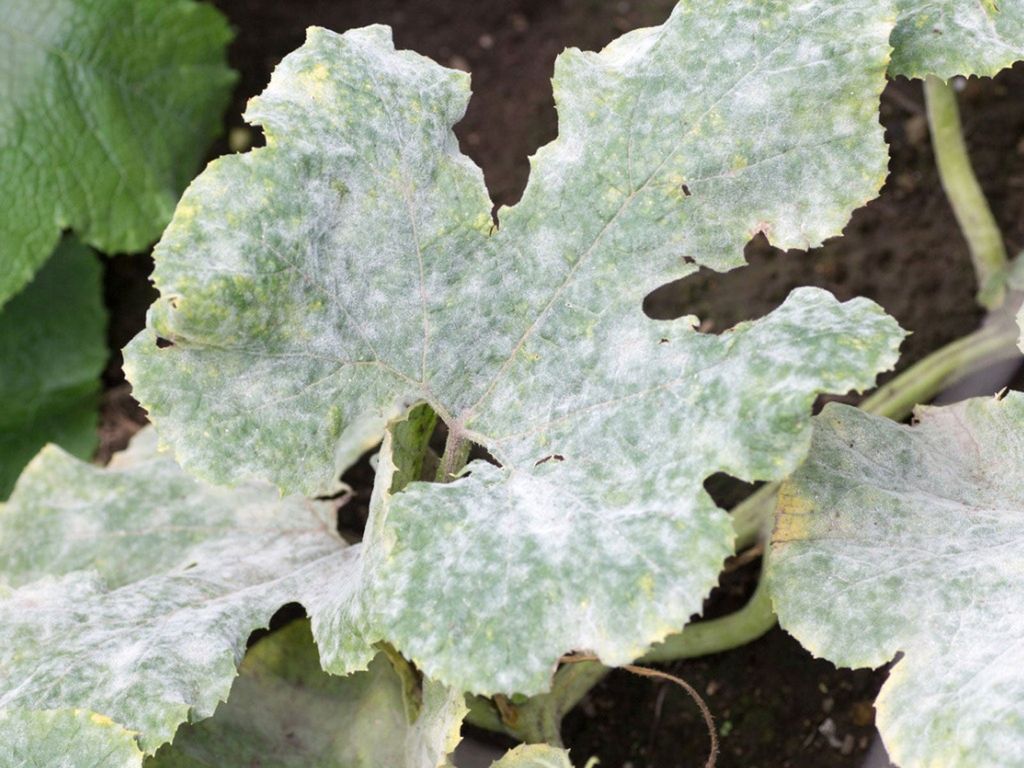
Image source: Bing (Web (fair-use with source credit))
Three distinct conditions turn pumpkin leaves white. Each looks different, acts differently, and requires a unique response. Let's break them down.
Cause 1: Powdery Mildew – The Fungal Invader
Powdery mildew is caused by the fungus Podosphaera xanthii. It thrives in warm days, cool nights, and high humidity. The spores float through the air and land on leaves.
Once they germinate, they send tiny roots into the leaf surface and start feeding.
The classic sign is a white, powdery coating that looks like someone dusted the leaves with flour. It usually starts on older leaves near the ground. If you catch it early, it's just a few small white spots.
Left alone, it spreads to cover entire leaves, then moves to stems and even the fruit itself.
The fungus doesn't kill the plant outright. It steals nutrients and blocks sunlight from reaching the leaf. Over time, the plant weakens, leaves turn yellow and brown, and fruit production drops dramatically.
University extension research confirms that untreated powdery mildew can reduce pumpkin yield by 30 to 50 percent.
Cause 2: Sunburn / Sun Scald – The Environmental Stressor
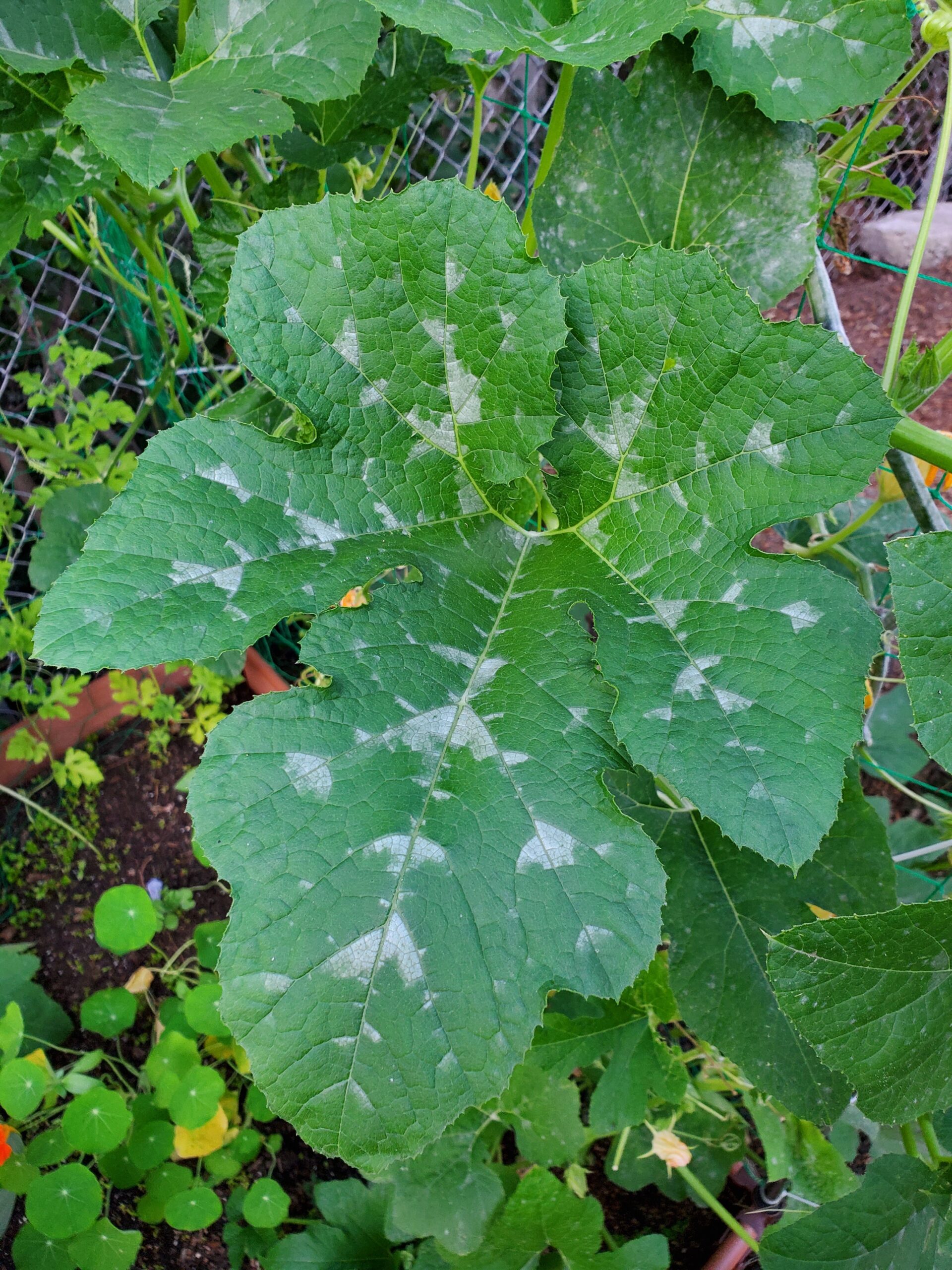
Image source: Bing (Web (fair-use with source credit))
Sunburn looks totally different from mildew. Instead of a powdery coating, you get pale, bleached, papery patches between the leaf veins. The white areas feel dry and brittle, almost like thin paper.
They don't rub off because nothing is sitting on the surface. The leaf tissue itself is damaged.
This happens when intense sunlight hits leaves that aren't used to it. Maybe you removed a shade tree, moved a container plant, or had a sudden heatwave. Temperatures above 90°F combined with direct midday sun can burn leaf tissue in a few hours.
Plants that are drought-stressed are especially vulnerable because they can't cool themselves through evaporation.
Cause 3: Nutrient Deficiency or Pest Residue – The Less Common Culprits
Two other issues can create white-looking leaves, though they're less common than mildew or sunburn.
Nutrient deficiencies, especially a lack of magnesium or iron, can cause pale or white patches between leaf veins. The veins themselves usually stay green, giving the leaf a striped or net-like appearance. This often shows up on newer growth first.
A soil test is the only way to confirm.
Pest residue comes from tiny insects like aphids or whiteflies. They excrete a sticky substance called honeydew. A black fungus called sooty mold can grow on that honeydew.
From a distance, it looks like a dark coating rather than white. But here's the trick: sometimes dried honeydew itself looks like a white crust. Check the undersides of leaves for tiny bugs or sticky residue.
If you find them, you have a pest problem, not a fungal one.
Decision Tree: How to Diagnose Your Pumpkin Leaves in 5 Minutes
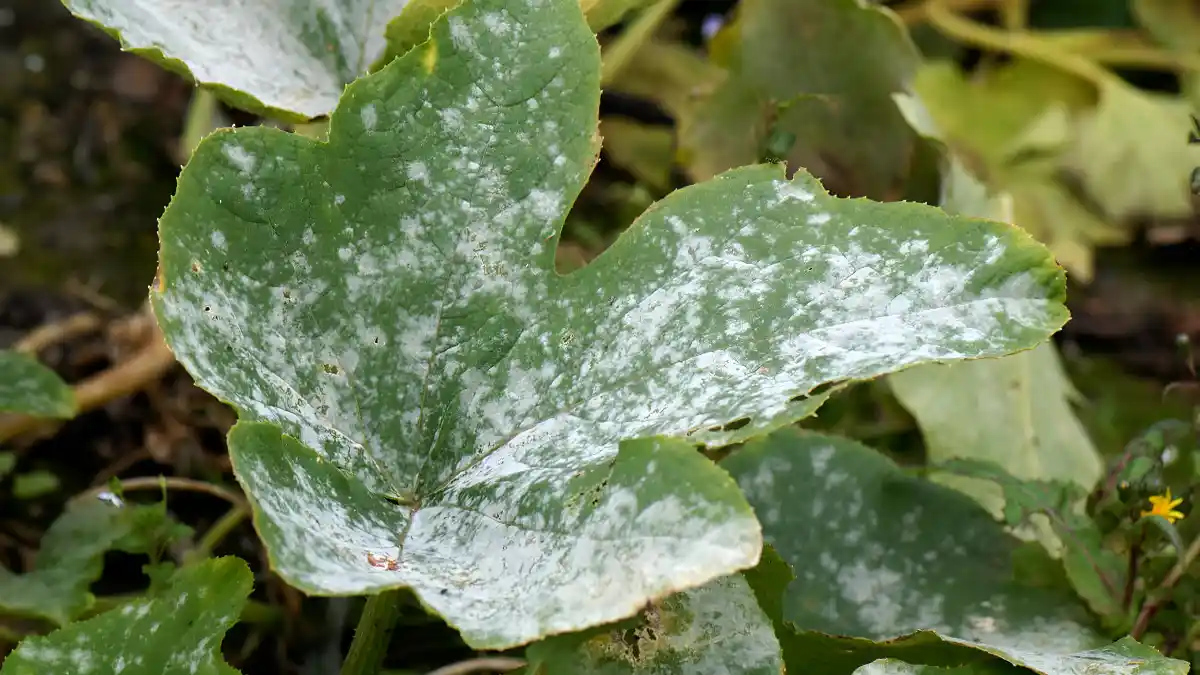
Image source: Bing (Web (fair-use with source credit))
Here's the fastest way to figure out what's happening. Run through these five steps in order.
Step 1: Wipe Test – Does the White Stuff Rub Off?
Take your finger or a damp cloth and gently rub the white area. If it smears or comes off like dust, that's powdery mildew. You'll see green leaf tissue underneath.
If nothing changes, move to step two. This single test eliminates or confirms the most common cause immediately.
Step 2: Location Check – Top Leaves vs. Bottom Leaves
Look at where the white is showing up. Powdery mildew almost always starts on lower, older leaves that are closer to the soil. Those leaves get less airflow and stay humid longer.
Sunburn typically hits the upper leaves that get direct sun exposure. If the white is on top leaves facing the sun, think sunburn. If it's on lower leaves near the ground, think mildew.
Step 3: Weather Audit – Heatwave or Humidity Spike?
Think back over the last week. Did you have several days over 90°F? That points to sunburn.
Did you get rain followed by warm, humid weather? That's prime mildew weather. The difference is important.
Treating sunburn with fungicide is a waste of time and money.
Step 4: Watering Review – Overhead or Drip?
How do you water your pumpkins? Overhead sprinklers that wet the leaves create perfect conditions for powdery mildew spores to germinate. Drip irrigation keeps leaves dry and reduces mildew risk.
If you're using overhead watering and see white powder, change your watering method as part of the treatment.
Step 5: Pest Inspection – Check for Aphids and Whiteflies
Flip a few leaves over and look closely. Tiny green, black, or white insects clustered on the undersides mean you have sap-sucking pests. Their honeydew can create white crusty deposits.
A strong spray of water or insecticidal soap handles this. Treat the pests, and the white residue will stop appearing.
| Cause | Wipe Test | Leaf Location | Weather Connection |
|---|---|---|---|
| Powdery mildew | Wipes off like dust | Lower, older leaves | Humid, warm, rain |
| Sunburn | Doesn't wipe off | Upper, exposed leaves | Heatwave, drought |
| Nutrient deficiency | Doesn't wipe off | New growth, between veins | Not weather related |
| Pest residue | May wipe off sticky | Undersides of leaves | Warm, dry conditions |
Step-by-Step Process: How to Treat Each Cause
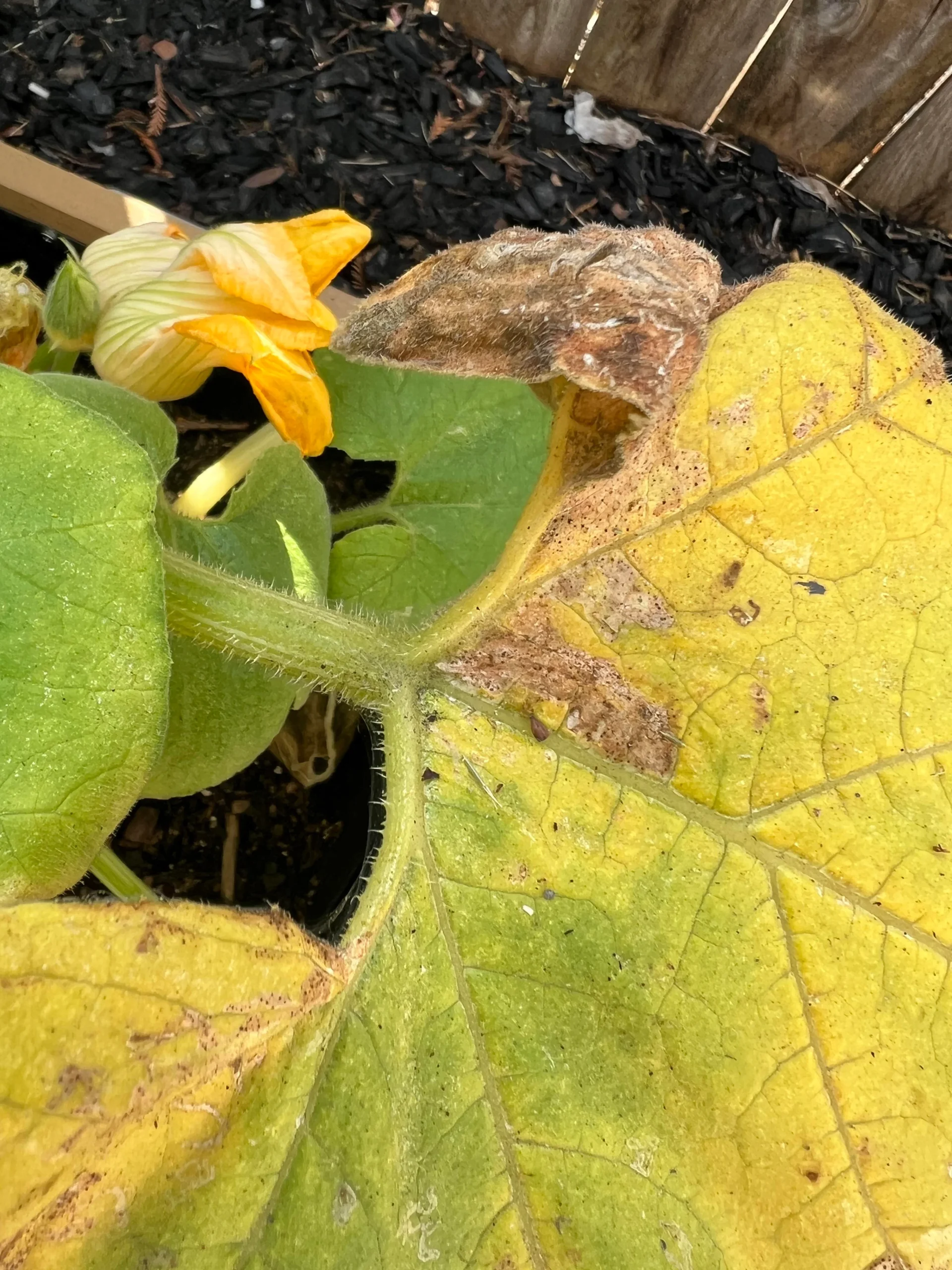
Image source: Bing (Web (fair-use with source credit))
Once you know what you're dealing with, the solution is straightforward. Here's exactly what to do for each scenario.
If It's Powdery Mildew: Organic First, Then Chemical
Start with the gentlest options and escalate only if needed. Baking soda spray is a reliable first line. Mix one teaspoon of baking soda with one quart of water.
Add a few drops of mild liquid soap to help it stick. Spray every seven to fourteen days, covering both the top and bottom of leaves. Apply in the morning so leaves dry before night.
If baking soda isn't cutting it, switch to neem oil. Use one to two tablespoons per gallon of water. Neem oil works by suffocating the fungus.
It's organic and safe for beneficial insects when applied correctly. Avoid spraying in direct sunlight, which can burn leaves. Also avoid spraying when temperatures are above 85°F.
For stubborn cases, potassium bicarbonate sprays are more effective than baking soda. They're available at most garden centers. Follow the label instructions exactly.
Sulfur dust works well as a preventative but can damage leaves if applied in hot weather. Never use sulfur when temperatures exceed 85°F.
Remove heavily infected leaves and throw them in the trash, not the compost pile. Those spores can survive composting and reinfect your garden next year. Prune lower leaves to improve airflow around the plant base.
If It's Sunburn: Shade, Water, and Patience
Sunburned leaves won't turn green again. The damaged tissue is dead. But the plant can grow new healthy leaves if you address the cause.
Provide temporary shade using row cover, shade cloth, or even an old bedsheet propped up on stakes. Water deeply and consistently. Stressed plants burn faster than well-hydrated ones.
Mulch around the base to keep soil cool and moist. The new leaves that grow after you add shade will be tougher and more adapted to the light. Don't pull off all the sunburned leaves at once.
The plant still needs some of them for photosynthesis. Remove only the most damaged ones.
If It's Nutrient or Pest Related: Correct the Root Cause
For suspected nutrient deficiencies, get a soil test before adding anything. Adding the wrong fertilizer can make things worse. A balanced vegetable fertilizer or compost worked into the soil at the start of the season prevents most deficiencies.
If you're growing pumpkins in containers, they need regular feeding because nutrients wash out faster.
For pest problems, a strong blast of water from a hose knocks off aphids and whiteflies. Follow up with insecticidal soap or neem oil applied to the undersides of leaves. Repeat every five to seven days until the pests are gone.
Ants sometimes protect aphids for their honeydew. Control ants, and you'll have an easier time controlling aphids.
Mistakes to Avoid: What Most New Gardeners Get Wrong
The most common mistake is treating without diagnosing. Many gardeners see white leaves and immediately grab a fungicide. If the problem is sunburn, that fungicide does nothing.
If the problem is a nutrient deficiency, you've just wasted time and money. Always run through the decision tree first.
Another big mistake is watering at night. Wet leaves overnight create a paradise for powdery mildew. Water in the morning so leaves have all day to dry.
If you use overhead sprinklers, switch to drip irrigation. The moisture difference is dramatic.
Overcrowding is a silent killer. Pumpkin plants need space. Crowded plants trap humidity between leaves and block airflow, which invites mildew.
Follow the spacing recommendations on your seed packet. For most varieties, that's three to four feet between plants and six to eight feet between rows.
Ignoring the soil is another rookie error. Healthy soil grows strong plants that resist disease better. Good organic matter and balanced nutrients make your pumpkins more resilient.
Getting the soil right from the start is easier than fighting problems all season.
Expert Tips: Pro Advice for Keeping Pumpkin Leaves Healthy
Prevention is far easier than treatment. Once you understand what powdery mildew needs to grow, you can design your garden to make it unwelcome.
Space your plants generously. This is the single most effective prevention. Good airflow dries leaves quickly and makes it harder for spores to land and germinate. If you're working with limited space, consider growing in a setup where you can control airflow, similar to the principles covered in a proper grow tent ventilation setup.
The same logic applies outdoors.
Water at the soil level, not the leaves. Drip irrigation or soaker hoses are ideal. If you must use a sprinkler, water early in the morning so the sun dries the leaves within a few hours.
Plant resistant varieties when possible. Some pumpkin varieties have natural resistance to powdery mildew. Look for terms like "PM resistant" or "tolerant" on seed packets. While no variety is completely immune, resistance buys you weeks of extra time before symptoms appear.
Monitor weekly, not just when you see problems. Walk your patch once a week and check the oldest leaves first. Catching mildew when it's just a few spots means you can treat it with a single application of baking soda spray. Waiting until the leaves are covered means fighting an uphill battle for the rest of the season.
Rotate your crops. Don't plant pumpkins in the same spot two years in a row. Powdery mildew spores can survive in plant debris over winter. A three-year rotation with non-cucurbit crops like corn, beans, or tomatoes reduces the spore load in your soil significantly.
Clean up thoroughly at season's end. Remove all pumpkin vines, leaves, and fruit after harvest. Bag them and send them to the landfill, not the compost pile. This removes the overwintering source for next year's spores.
Real Scenarios: Case Examples from the Garden
Scenario one: The humid August surprise. A gardener in the Southeast noticed white powder on the lower leaves of her pumpkins in mid-August after a week of rain and temperatures in the 80s. The wipe test confirmed powdery mildew. She removed the worst affected leaves, switched to drip irrigation, and applied a baking soda spray every ten days.
The plants produced a full harvest of healthy pumpkins by October. The key was acting within three days of first noticing symptoms.
Scenario two: The heatwave burn. A grower in the Pacific Northwest had a sudden heat spike to 95°F in late July. The upper leaves on his pumpkins turned white and papery within 48 hours. The wipe test showed nothing coming off.
He rigged shade cloth over the plants and watered deeply every morning. The damaged leaves stayed white but the new growth came in green and healthy. The pumpkins ripened about a week later than usual but were otherwise fine.
Scenario three: The mistaken diagnosis. A beginner gardener saw white patches and immediately sprayed a strong chemical fungicide. The white didn't go away because it was sunburn, not mildew. The fungicide killed beneficial microbes in the soil and stressed the plant further.
The plant eventually recovered but produced only two small pumpkins instead of the expected six. This is the most expensive mistake you can make, which is why we emphasize the wipe test so strongly.
Frequently Asked Questions
Can I eat pumpkins from a plant that had powdery mildew?
Yes. Powdery mildew only affects the leaves and stems, not the fruit itself. The pumpkins are perfectly safe to eat.
Wash the outside thoroughly before cutting, and inspect the fruit for any mold or soft spots. The main concern is that the plant may produce smaller or fewer pumpkins if the infection was severe.
Will powdery mildew kill my pumpkin plant?
Rarely, but it can weaken the plant significantly. The fungus steals nutrients and blocks sunlight, which reduces photosynthesis. Over time, leaves turn yellow and die.
If the infection spreads to the stems, the plant may stop producing fruit entirely. Early treatment prevents this outcome in almost all cases.
Does baking soda really work on powdery mildew?
It works best as a preventative or for very early infections. The baking soda creates an alkaline environment on the leaf surface that makes it harder for spores to germinate. It's less effective once the fungus is well established.
For heavy infections, switch to potassium bicarbonate or neem oil for better results.
Should I remove all the white leaves from my pumpkin plant?
Only remove the most heavily infected leaves, and never more than one third of the total foliage at once. The plant still needs leaves for photosynthesis. Removing too many leaves stresses the plant and can reduce fruit production.
Focus on the oldest, lowest leaves that are more than 50 percent covered in mildew.
How do I prevent powdery mildew from coming back next year?
Start with clean soil, resistant varieties, and proper spacing. Rotate your crops so pumpkins don't grow in the same spot for three years. Remove all plant debris at the end of the season.
If you had a serious infection this year, consider a preventative spray of sulfur or neem oil starting when the plants are young.
Can I use neem oil on pumpkins in hot weather?
Avoid spraying neem oil when temperatures are above 85°F. The oil can trap heat on the leaf surface and cause sunburn. Apply it early in the morning or late in the evening when temperatures are cooler.
The same applies to any oil-based spray, including horticultural oils.
Final Recommendation / Decision Guide: Your Next Step Based on What You Found
Let's put it all together. Here's your action plan based on your diagnosis.
If you confirmed powdery mildew via the wipe test:
- Remove the most infected lower leaves (no more than one third).
- Start baking soda or neem oil spray every 7 to 14 days.
- Switch to drip irrigation if you're using overhead watering.
- Improve airflow by spacing plants or pruning surrounding vegetation.
If you confirmed sunburn:
- Provide temporary shade during peak sunlight hours.
- Water deeply and consistently to reduce plant stress.
- Do not remove all the damaged leaves; let the plant grow new ones.
- Reassess your planting location for next season.
If you suspect a nutrient deficiency:
- Get a soil test before adding any fertilizer.
- Apply a balanced vegetable fertilizer or compost.
- Look for improved color in new growth within two weeks.
If you found pests:
- Spray leaves with a strong jet of water to knock off insects.
- Apply insecticidal soap or neem oil to leaf undersides.
- Repeat every 5 to 7 days until pests are gone.
- Monitor for ants, which protect aphids.
The most important thing you can do right now is take action today. A few minutes of diagnosis and treatment can save your pumpkin harvest. Walk out to your garden, run the wipe test, and follow the decision tree.
Your pumpkins are counting on you.
Your pumpkins are counting on you.
That's the full guide. You've got the wipe test, the decision tree, the treatments, and the prevention strategies. Your pumpkin patch is in good hands.
Now get out there and take a look at those leaves. You know exactly what to do.
That's it. You're ready. Go check those leaves.