So, your raspberry bush leaves are turning yellow? It’s a common sight for gardeners, and usually, it’s a sign your plant is trying to tell you something. Think of it as your raspberry’s way of sending you a little distress signal.
The most frequent culprits are pretty straightforward to diagnose with a close look at your plant and its surroundings. Often, correcting the issue is as simple as adjusting your watering or feeding routine. According to horticultural standards, consistent moisture around the root zone is crucial for Rubus idaeus growth and fruiting, generally aiming for about 1 to 2 inches of rainfall equivalent per week.
Let's figure out what your bushes need.
Quick Answer
Raspberry bush leaves turn yellow due to watering issues, nutrient deficiencies, pests, or diseases. Check soil moisture first; it's often root cause. Yellowing new leaves may signal iron or nitrogen lack.
Older leaves turning yellow can indicate magnesium issues. Pests like spider mites or fungal spots suggest different treatments.
The Yellow Signal: What It Might Mean for Your Rasps
That yellow hue on your raspberry leaves isn't just a cosmetic issue; it's a visual cue about the plant's health and environment. Different patterns and locations of yellowing can point to vastly different problems. Understanding these visual clues is your first step in solving the mystery.
The key is to become a bit of a leaf detective. What part of the leaf is yellow? Are the veins still green?
Is it happening on new growth or older leaves? Are there any spots or webbing involved? We’ll help you read these signs so you can make the right decisions for your plants.
Thirsty or Drowning? Watering Issues at a Glance
This is the frontline suspect for yellowing leaves. Raspberries are particular about their water; too much or too little can stress them out and manifest as that unwanted yellow color.
- Underwatering: If your region has been dry or hot, and you haven’t been consistent with watering, your raspberry plants are likely parched. Leaves will typically turn yellow and can become dry and brittle if the drought continues. This often affects the entire plant uniformly.
- Overwatering: Conversely, soggy soil starves the roots of oxygen, leading to root rot. This prevents nutrient uptake, and yellowing leaves are a common symptom. You might notice the lower leaves yellowing first, spreading upwards, and the soil staying constantly wet.
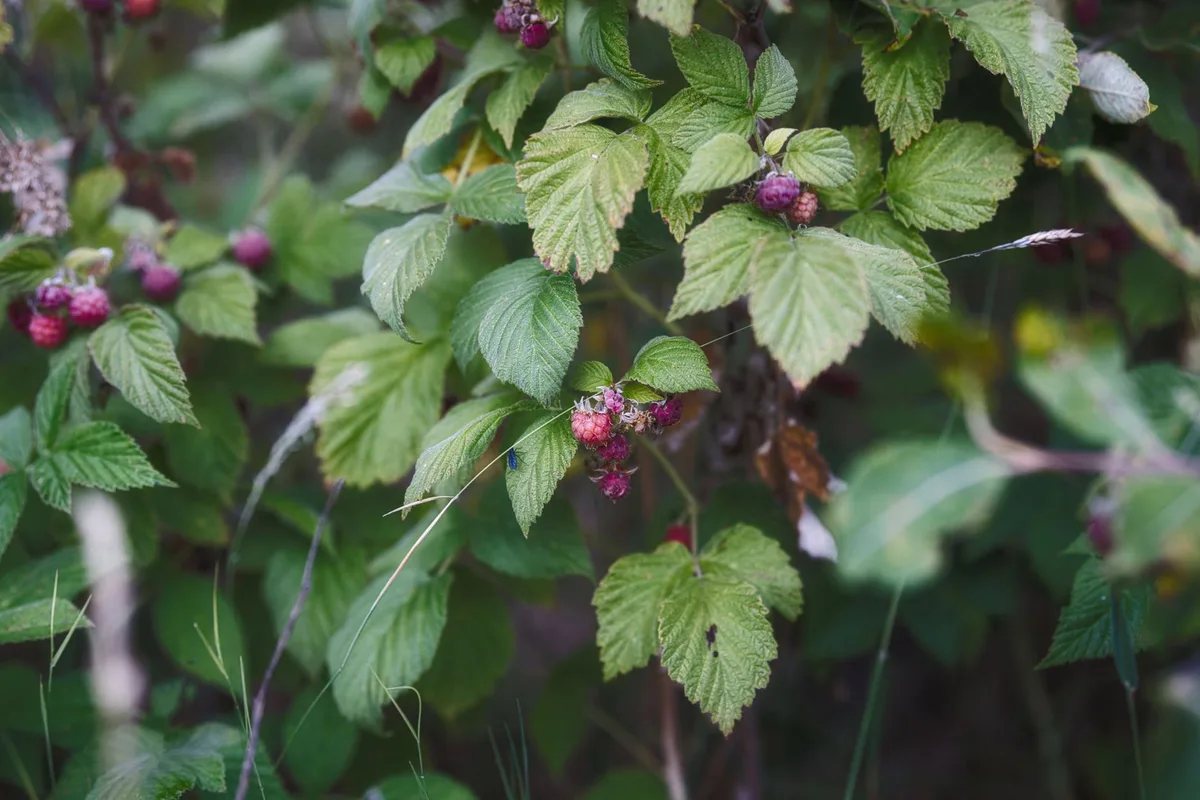
What to look for: Stick your finger about two inches into the soil near your raspberry bush. If it feels bone dry, your plant needs a drink. If it feels waterlogged and stays that way for more than a day, your soil might not be draining well enough.
Hungry Bushes: Spotting Nutrient Deficiencies Visually
Raspberries are hungry plants, and if their diet isn't right, they'll show it through their leaves. Nutrient deficiencies can cause specific patterns of yellowing that are important to recognize.
Nitrogen Lack: Pale Leaves, Weak Growth
Nitrogen is essential for producing chlorophyll, the pigment that makes leaves green and is vital for photosynthesis. When a raspberry bush lacks nitrogen, new growth often appears stunted and a pale green, progressing to yellow. The older, lower leaves are usually the first to show this deficiency, becoming uniformly yellow and eventually dropping if the problem isn't addressed.
You'll often see a general paling across the entire plant, not just specific spots.
This deficiency directly impacts the bush's vigor and its ability to produce fruit. Aggregate user reviews of fertilizers often highlight that inconsistent nitrogen feeding leads to these issues. Early spring is a critical time for nitrogen application to support vigorous new cane growth.
Iron & Magnesium Gaps: Veins Stay Green, Leaf Turns
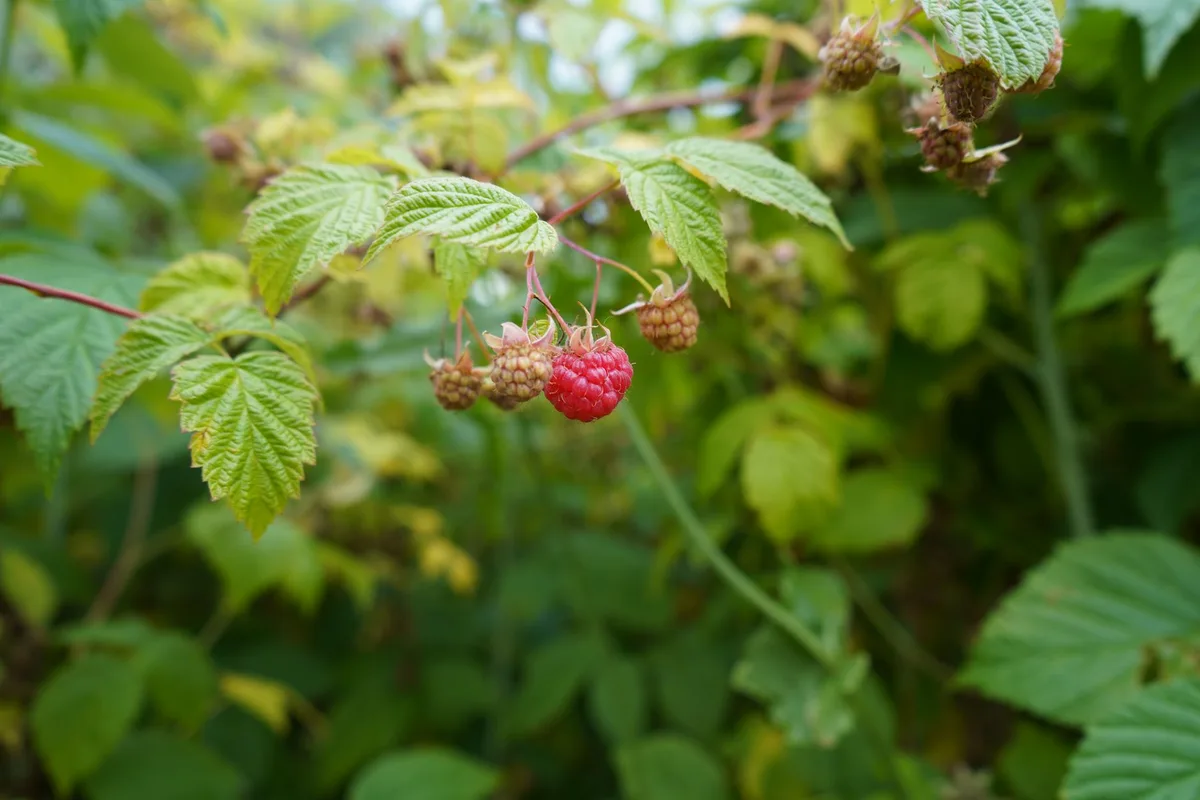
Other nutrient issues create distinct visual cues. Iron deficiency, for instance, often causes interveinal chlorosis on the youngest leaves. This means the leaf tissue between the veins turns yellow, but the veins themselves remain distinctly green, creating a striped or patterned effect.
Magnesium deficiency can look similar but typically appears on the older leaves first, also showing interveinal yellowing with green veins. Recognizing these specific patterns helps narrow down the exact nutrient your raspberry bushes are missing, allowing for targeted amendments. Addressing these can be key to vibrant growth; for example, adding magnesium sulfate (Epsom salt) at a rate of about 1 to 2 tablespoons per plant can help correct magnesium depletion.
Unwanted Guests: Pests and Diseases on Your Leaves
Sometimes, the yellowing isn't about water or food, but about unwelcome visitors or microscopic attackers. Pests and fungal diseases can significantly stress your raspberry plants, leading to discolored foliage.
Tiny Troubles: Spider Mites and Aphids in Pictures
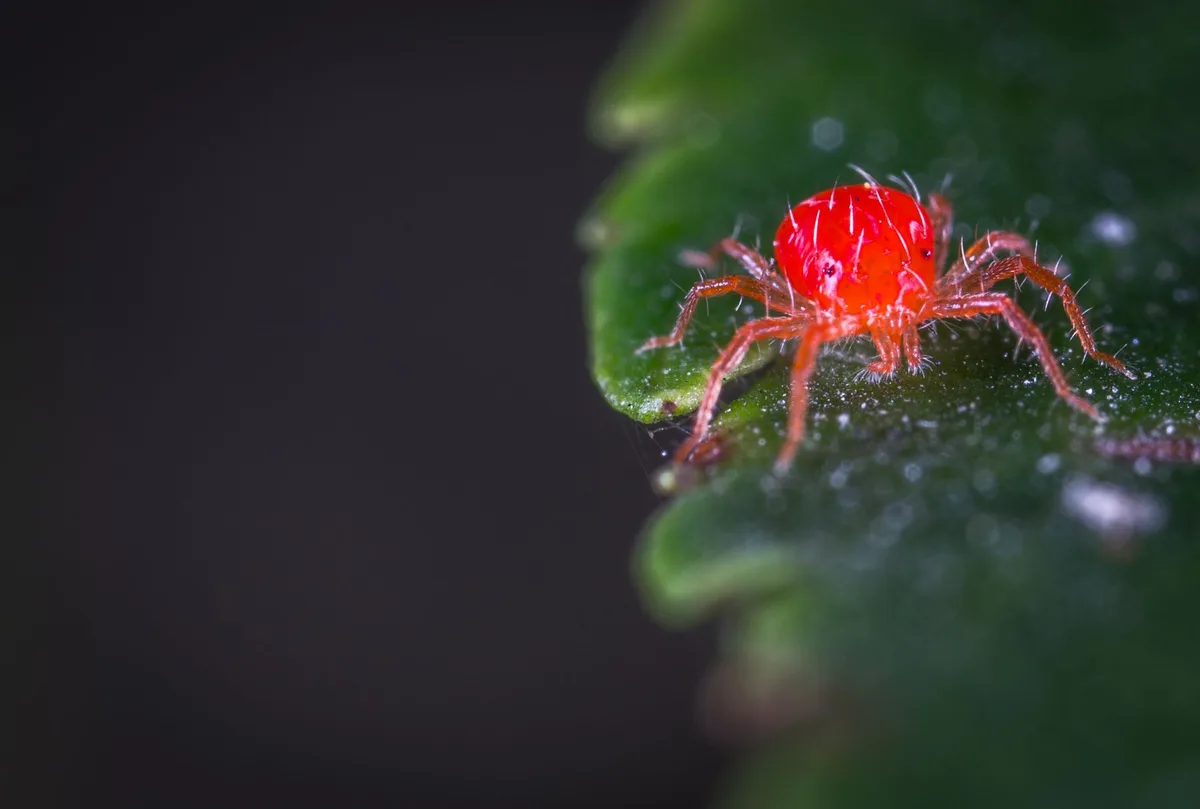
Spider mites are incredibly small arachnids that feed by piercing leaf cells and sucking out the contents. This feeding activity causes stippling, tiny yellow or white dots, on the leaves. As the infestation grows, the leaves can turn uniformly yellow, then brown, and eventually dry up and fall off.
You might also spot fine webbing on the undersides of leaves or between stems and leaves.
Raspberry aphids, typically small green or black insects, cluster on new growth and the undersides of leaves, also sucking sap. Their feeding can cause leaves to curl, distort, and turn yellow. They also excrete a sticky substance called honeydew, which can attract sooty mold.
Fungal Frustrations: Spots and Spreading Yellows
Several fungal diseases can target raspberry plants. Septoria leaf spot, for example, appears as small, dark spots that often have a yellow halo, and as the infection progresses, the entire leaf can turn yellow and drop. Anthracnose can cause similar symptoms, often starting as small circular spots that enlarge and can lead to significant yellowing.
These fungal issues thrive in damp conditions with poor air circulation. Managing them often involves improving airflow through pruning and ensuring the soil, not the foliage, gets watered. Removing infected leaves and fallen debris around the plant is also a crucial part of disease management.
Environmental Stress: When Light or Cold Gets Tricky
Beyond water, food, and pests, your raspberry's environment plays a big role. Sudden changes or suboptimal conditions can also trigger yellowing leaves.
- Sun Scorch: Raspberries generally love sunshine, but if a plant accustomed to shade is suddenly exposed to intense, direct sunlight, its leaves can literally get sunburned. This damage often appears as yellow or bleached patches, sometimes turning brown and crispy. This is more common if you've recently transplanted a bush or if shade has been removed from its location.
- Cold Stress: Unexpected late frosts or sudden dips in temperature can damage tender new growth, including developing leaves. This can cause them to turn yellow, wilt, and die back. While the plant may recover and produce new growth, the affected leaves are lost for the season.
- Overcrowding & Poor Airflow: If your raspberry canes are planted too densely, they compete intensely for light, water, and nutrients. This can stress the entire plant, leading to yellowing leaves, particularly on the inner or lower parts of the bush where air circulation is poor. Good spacing is vital; many raspberry varieties require at least 2 to 3 feet between plants.
Your Visual Checklist: Decoding the Yellowing
To accurately diagnose why your raspberry leaves are yellowing, you need to be observant. The visual cues are your most important diagnostic tools. Don't just glance; get up close and personal with your plants.
Think like a doctor for your raspberry bushes. You're looking for symptoms and patterns. Is the problem localized to one branch, or affecting the whole plant?
When did you first notice the yellowing? This detailed observation helps rule out potential causes and points you towards the most likely solution.
Leaf Location: Older vs. Newer Leaves
The age of the leaf showing yellowing is a significant clue. If the older, lower leaves are turning yellow and dropping, it often points to a nitrogen deficiency. Nitrogen is mobile within the plant and will move from older leaves to support new growth when supplies are low.
However, if the newest, uppermost leaves are showing yellowing, especially with green veins, it's more likely an iron or magnesium issue. These nutrients are less mobile, so when they are scarce, the plant can't supply them to the rapidly developing new tissues, leading to symptoms appearing on the young foliage first.
Yellowing Pattern: Spots, Mottling, or Overall Paleness
The way the yellow color appears is another critical indicator. Is it a uniform pale yellow across the entire leaf surface? This often suggests a general lack of a nutrient like nitrogen or a widespread watering problem.
If you see distinct spots, especially those with darker centers or halos, fungal diseases like Septoria leaf spot are a strong possibility. Mottled yellowing, where patches of yellow are interspersed with green, can indicate various issues, including certain viral infections or a more complex nutrient imbalance. When veins remain green while the surrounding tissue turns yellow, it’s a classic sign of interveinal chlorosis, pointing towards specific nutrient deficiencies like iron or magnesium.
Signs of Pests: Webbing, Insects, or Stippling
Sometimes, the cause of yellowing isn't a nutrient or water issue but an infestation. Get out a magnifying glass and carefully inspect the leaves, especially their undersides. Look for tiny insects, often clustered on stems or leaf surfaces.
Are there any fine, silken webs present? This is a tell-tale sign of spider mites. You might also see tiny dots or stippling on the leaf surface where the mites have fed.
If you see clusters of small, soft-bodied insects, they are likely aphids. Detecting these pests early is key to preventing widespread damage and subsequent leaf yellowing.
Soil Conditions: Too Wet, Too Dry, or Just Right?
Your soil's moisture level is fundamental to your raspberry’s health. The "finger test" is your best friend here. Gently push your finger about two inches into the soil near the base of the plant.
- Too Dry: If the soil feels dusty, crumbly, or doesn't retain any moisture, your plant is thirsty. This is a direct indicator for immediate watering.
- Too Wet: If the soil feels saturated, muddy, or water pools on the surface for hours after watering, your plant is likely waterlogged. This is a sign of poor drainage and can lead to root rot, which itself causes yellowing leaves.
- Just Right: The soil should feel slightly cool and damp, like a wrung-out sponge. It should hold its shape when squeezed but crumble apart easily when poked. This indicates optimal moisture levels for raspberry root health.