
You've spotted red bugs on your mountain laurel and are wondering if it's a problem. It's easy to get concerned when you see little critters on your plants, but often, they're not as serious as they first appear. Knowing what to look for is the key to keeping your beautiful shrubs healthy.
Our research confirms that identifying specific insect pests early is crucial for effective treatment. Different red-colored insects can inhabit plants, and some are beneficial while others can cause significant damage. For instance, while many garden plants benefit from native predatory insects, certain species can quickly weaken a plant if left unchecked.
Quick Answer
Red bugs on mountain laurel can be identified by their appearance and the damage they cause to the leaves. Common culprits include lace bug nymphs, which leave black fecal spots and cause leaf bleaching, and tiny spider mites, which produce webbing and stippling. Ladybug larvae are also red and beneficial, feeding on other pests.
Properly identifying the specific insect is crucial for determining the appropriate, often simple, course of action.
Why Close-Up Looks Matter for Red Bugs on Mountain Laurel
When you first notice movement on your mountain laurel's leaves, it's natural to want to identify the cause fast. However, the world of small insects and arachnids can be surprisingly complex. Many red-colored species exist, and their visual characteristics are the most reliable way to tell them apart, especially without advanced lab testing.
The subtle differences between a beneficial ladybug larva and a damaging lace bug nymph can mean the difference between intervention and letting nature take its course. Without careful observation, you might resort to treatments that aren't needed or, worse, miss the real threat altogether.
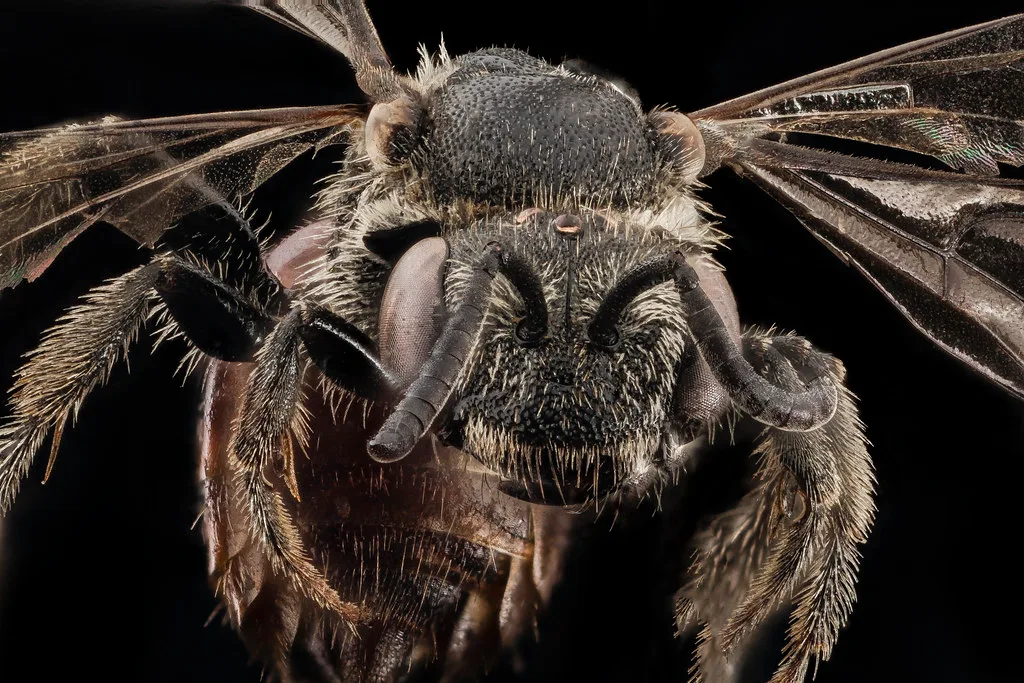
For example, lace bugs are often a primary concern for mountain laurel health due to the damage they inflict. Research from horticultural sources highlights that lace bug nymphs are particularly noticeable and identifiable due to their spiny appearance and the distinctive excrement they leave behind. Understanding these visual cues allows gardeners to move from a general concern about "red bugs" to a specific diagnosis, paving the way for targeted solutions rather than broad-stroke intervention.
Identifying the Red Bugs: Your Visual Guide
Accurately identifying the type of red bug on your mountain laurel is the most critical step in deciding how to proceed. Not all small red creatures are pests; some are actually helpful predators that contribute to a balanced garden ecosystem. We need to distinguish between those that feed on your plant and those that feed on potential plant destroyers.
Visual identification relies on observing the insect's size, shape, color patterns, and any associated signs like webbing or leaf damage.
Lace Bugs: The Usual Suspects and Their Signs
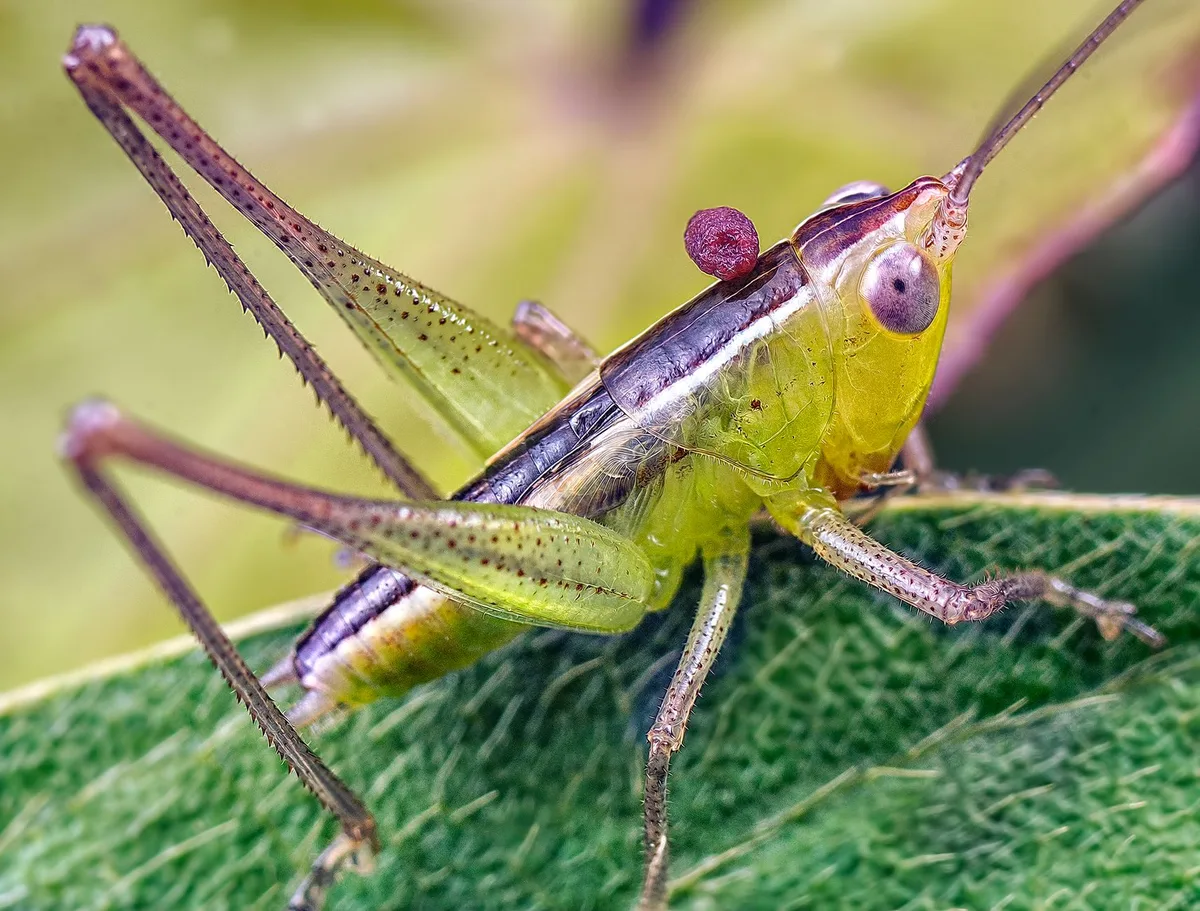
Lace bugs are probably the most common and concerning red-colored insects you'll find damaging mountain laurels. They are small, about 1/8 to 1/4 inch long, with a flattened body. While adult lace bugs might be a bit dark, their nymphs, which are the immature stage, are often reddish-brown or black and covered in sharp, spiny projections.
These spiny nymphs are a key visual identifier.
If you inspect the underside of mountain laurel leaves, you'll typically find clusters of these nymphs along with tiny black fecal spots, essentially little dots of excrement. These spots are a hallmark sign of lace bug activity. The damage they cause isn't usually from direct red bug feeding but from the adults and nymphs piercing the leaf cells to suck out the plant juices.
This feeding action causes the upper surface of the leaves to lose chlorophyll, resulting in a speckled, bleached-out, or silvery appearance. Severe infestations can cause leaves to yellow and drop prematurely, weakening the entire plant.
Spider Mites: Tiny Trouble Makers
Spider mites are another common issue, though they aren't technically "bugs" but tiny arachnids, related to spiders. They are incredibly small, often barely visible to the naked eye, and can be red, brown, yellow, or green. Their small size means you might not see the mites themselves first, but rather their tell-tale signs.
They thrive in hot, dry conditions, making them more prevalent during summer months.
The most obvious indicator of spider mites is fine webbing, which they produce to protect themselves and their eggs, often found on the undersides of leaves or between leaves and stems. The feeding activity of spider mites causes stippling on the leaves; this looks like tiny pale or white dots where they have pierced the leaf to suck out cell contents. As the infestation grows, these dots can coalesce, making the leaves appear dusty, bronzed, or overall faded.
You might need a magnifying glass to see the actual mites, often clustered on the undersides of leaves.
Ladybug Larvae: Your Garden Allies
It's important to note that not all red on your plants is bad news. Ladybug larvae, for example, are often bright red or reddish-orange, sometimes with black markings, and they look very different from the flattened lace bugs or the tiny dots of spider mites. They have a segmented, elongated body and are typically much more active, moving around the plant in search of food.
These little red travelers are voracious predators, feeding on aphids, mealybugs, and other soft-bodied pests that can also harm your mountain laurel. Recognizing ladybug larvae and understanding their beneficial role is crucial. Spraying them with insecticides would be counterproductive, as they are working hard to keep other, more damaging pests in check.
If you see these active, spiky-looking red larvae, count yourself lucky, they're natural pest control at work.
Damage Signs: How to Read Your Mountain Laurel's Leaves
Your mountain laurel communicates its health through its leaves. For red bugs, several distinct damage patterns emerge that help pinpoint the culprit. The visual cues on the leaves are often more apparent than the bugs themselves, especially with very small pests like spider mites.
Understanding these signs allows you to accurately diagnose the problem and choose the right course of action.
The most common damage from lace bugs is a tell-tale bleaching or silvery appearance on the upper surfaces of the leaves. This happens because the bugs pierce the leaf cells to feed, causing them to lose their green pigment. Look closely at the underside of these discolored leaves; you'll likely find the nymphs clustered together, along with their characteristic black excrement, which looks like tiny dark specks.
Extensive lace bug feeding can lead to leaf drop.
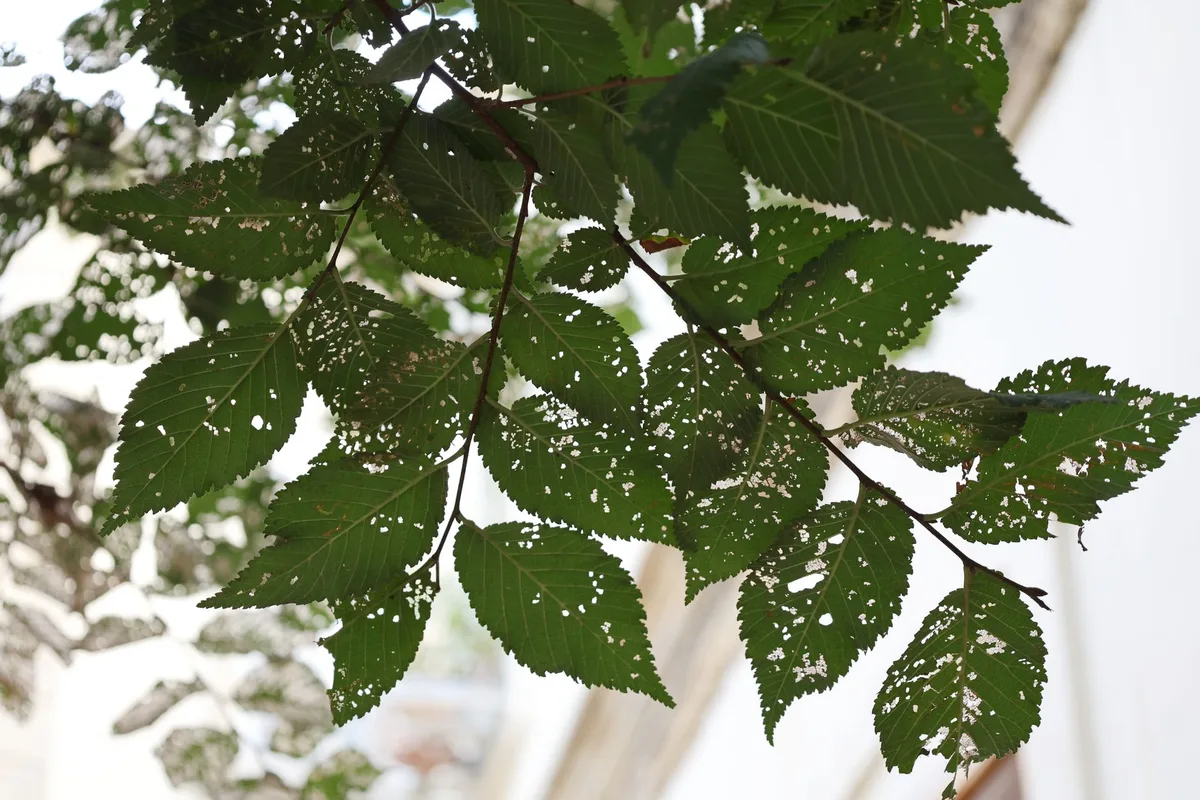
Spider mites, on the other hand, cause a different kind of damage. Their feeding results in stippling, which appears as tiny, scattered pale dots on the leaves. The more mites there are, the more pronounced this stippling becomes, potentially leading to a dusty or bronzed look across the foliage.
Fine webbing, especially on the undersides of leaves or where leaves meet stems, is another strong indicator of spider mite activity. Unlike lace bugs that focus on sucking plant juices, spider mites literally suck the chlorophyll out of individual plant cells.
What to Do If You Find Lace Bugs
If your close inspection confirms that lace bugs are indeed the issue on your mountain laurel, don't panic. While they can cause significant aesthetic damage and stress to the plant, they are often manageable with the right approach. The key is to act promptly and focus your efforts on the most vulnerable parts of the plant.
Quick Fixes: Hosing Them Off
For minor lace bug infestations, a strong blast of water from your garden hose can be surprisingly effective. This method is best used early in the morning so that the leaves have ample time to dry throughout the day, which helps prevent fungal issues. Aim the water stream directly at the undersides of the leaves where the lace bug nymphs are most concentrated.
This physical dislodging can disrupt their feeding and development cycles by knocking them off the plant. It's a simple, non-chemical solution that can significantly reduce the population, especially if done consistently.
Safer Sprays: Insecticidal Soap and Neem Oil
When hosing alone isn't enough, or for more established infestations, insecticidal soap or neem oil offer effective, less toxic control options. These treatments are generally safer for beneficial insects like ladybugs compared to broad-spectrum chemical pesticides, a point emphasized in horticultural research. Always read and follow the product label instructions precisely; improper mixing ratios can damage the plant or be ineffective.
- Insecticidal Soap: This works by disrupting the insect's cell membranes, effectively suffocating soft-bodied insects like lace bug nymphs. It requires direct contact with the pests.
- Neem Oil: Derived from the neem tree, this oil works in multiple ways: it can suffocate pests, disrupt their feeding, and interfere with their growth and reproduction. It's particularly effective against the immature stages.
When applying either spray, thoroughly saturate the undersides of the leaves, where the lace bugs spend most of their time. Try to do this in the late afternoon or early evening when temperatures are cooler and the sun is less intense. This minimizes the risk of leaf scorch, which can occur if sprays are applied in direct sunlight or high heat.
It’s also wise to test the spray on a small, inconspicuous part of the plant first to ensure it doesn't cause an adverse reaction before treating the entire shrub.
Dealing with Spider Mites on Your Laurel
If spider mite activity is confirmed on your mountain laurel, the approach shifts slightly from targeting lace bugs. These tiny arachnids favor dry conditions, so the first line of defense often involves increasing ambient humidity around the plant. Regularly misting the foliage, especially on hot, dry days, can make the environment less hospitable for them.
Ensure consistent watering, as stressed plants are more susceptible to mite infestations.
When environmental adjustments aren't enough, insecticidal soaps and neem oil are again effective tools. As with lace bugs, thorough coverage of the undersides of leaves is crucial, as this is where spider mites tend to congregate and hide. Pay close attention to new growth, as mites often attack the tender young leaves first.
Remember to repeat treatments as directed by the product label, typically every 7, 10 days, because these products often kill mites on contact rather than providing long-lasting residual control. Over time, plant vigor can be restored, and the stippling and webbing will diminish.
When Red Bugs Are Your Garden Friends
It's essential to reiterate that not every red visitor to your mountain laurel is a threat. In fact, some of the most beneficial insects in your garden can appear red. Ladybug larvae, with their distinct segmented bodies and bright coloration, are voracious predators of common garden pests.
They actively hunt aphids, mealybugs, and scale insects.
If you observe these red, alligator-like larvae diligently moving across your plant, resist the urge to spray them with any kind of treatment. They are your allies in maintaining a healthy garden ecosystem. Their presence often indicates a naturally balanced environment where pests are already being managed.
You can learn more about garden pest management by checking out resources on garden pest management.
Common Mistakes When Identifying Plant Pests
Misidentification is perhaps the most common error when dealing with unusual insects on plants. Gardeners might see any red coloring and immediately assume the worst, reaching for pest control solutions prematurely. This can lead to unnecessary treatments that harm beneficial insects or even damage the plant itself.
For example, mistaking ladybug larvae for a hazardous pest is a frequent oversight.
Another mistake is not inspecting thoroughly enough. Many pests, like spider mites and lace bugs, prefer the undersides of leaves or develop in concealed areas. A quick glance at the top of the foliage might miss the problem entirely.
Relying solely on the visible damage without confirming the presence and type of pest is also problematic; for instance, leaf discoloration can have multiple causes beyond insect feeding, such as nutritional deficiencies or environmental stress. Proper plant care, including providing the what fertilizer to use in spring at your garden, can prevent some stress-related issues.
Keeping Your Mountain Laurel Healthy Long-Term
Maintaining the long-term health of your mountain laurel goes beyond just addressing immediate pest issues. It involves creating an environment where the plant can thrive and naturally resist invaders. Consistent care, including proper watering and mulching, helps build the plant's resilience.
A well-fed plant is generally better equipped to withstand pest pressure than one that is struggling.
Ensuring your mountain laurel receives adequate water, especially during dry spells, is fundamental. Avoid letting the soil dry out completely, but also ensure it's well-draining to prevent root rot. Apply a layer of mulch around the base of the plant, keeping it a few inches away from the trunk.
Mulch helps retain soil moisture, suppress weeds that compete for nutrients, and regulate soil temperature. Regularly inspecting your plants for any early signs of trouble, like those discussed concerning red bugs, is part of good seasonal prep for your garden.