
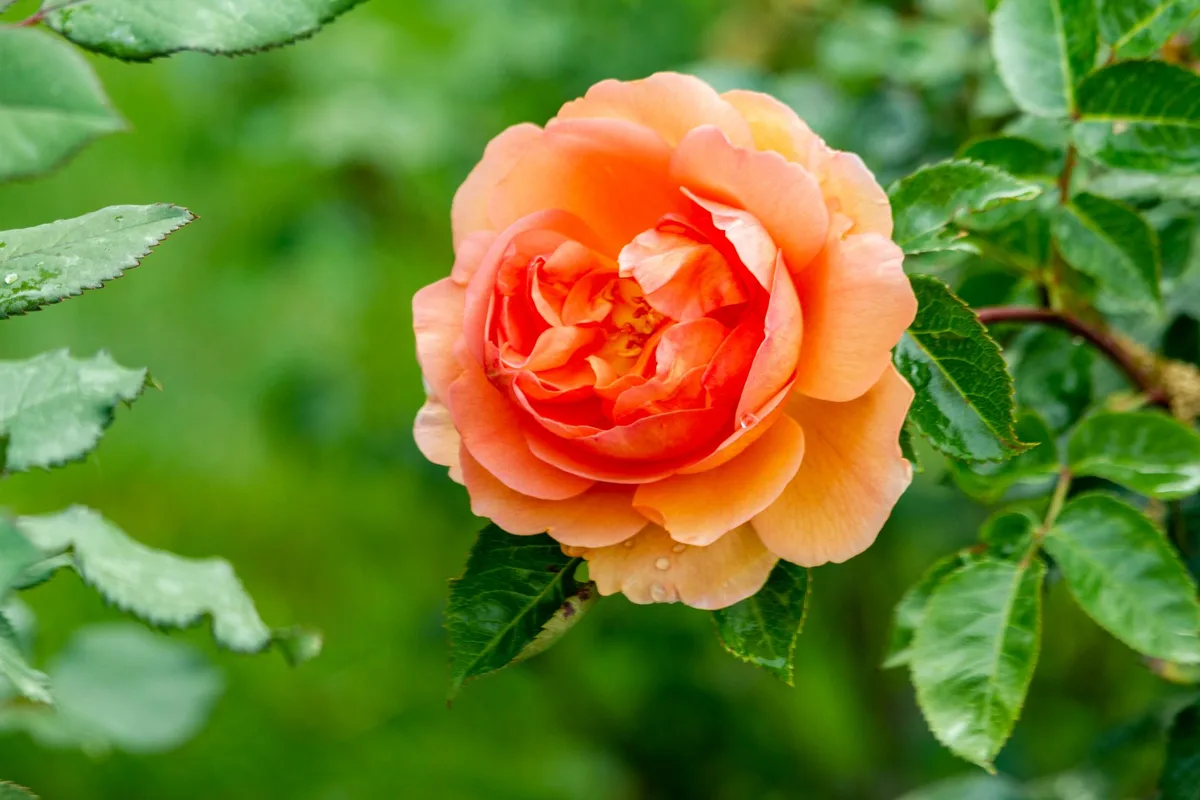
Seeing your beautiful rose bush start to look a little bare can be a real bummer. It’s like finding out your favorite shirt has a hole in it, unexpected and a bit worrying. But don't fret!
Nine times out of ten, your rose bush is just trying to tell you something, and usually, it’s something you can fix.
Think of me as your garden buddy who's seen this before. We'll walk through this together, figuring out why those leaves are bailing and what we can do about it. It's a bit like being a plant detective, and I promise, it's not as complicated as it sounds.
Quick Answer
A rose bush losing leaves typically indicates a problem with watering, nutrients, pests, disease, or environmental stress like transplant shock. Observing the leaf appearance and drop pattern helps diagnose the issue, guiding corrective actions such as adjusting watering schedules, applying appropriate fertilizer, or treating for pests and diseases.
First Things First: What Does It Look Like?
Before we jump to conclusions, let's take a closer look. The way the leaves are coming off can give us big clues.
Observing Leaf Condition and Drop Patterns
Are whole leaves falling, or just individual leaflets? Are the leaves yellowing significantly before they drop, turning brown and crispy, or do they have strange spots? Check the remaining leaves and stems for any visible pests, like tiny bugs, or unusual markings.
Did this happen suddenly, or has it been a slow decline over weeks? Your answers here will point us in the right direction for diagnosis.
The Usual Suspects: Why Roses Shed Their Leaves
Watering Woes: Too Much or Too Little
This is often the main culprit when rose bushes get stressed out by their environment. Roses need consistent moisture, but they absolutely hate sitting in waterlogged soil. Manufacturer specifications for rose care products often emphasize a "deep watering, less often" approach to encourage strong root growth.
- Too Little Water: When it’s hot and dry, your rose will naturally try to conserve moisture. Dropping leaves is its way of saying, "I'm parched!" You might notice the leaves turning yellow, then crisping up before they fall. In arid climates, this can happen rapidly if supplemental watering isn't provided.
What to do: Give it a deep, thorough watering. Aim for the base of the plant, soaking the soil rather than just misting the leaves. In really dry spells, you might need to water several times a week.
Mulch around your rose bushes; it's like a cozy blanket that keeps moisture in the soil. Properly mulched soil can retain up to 30% more moisture, according to horticultural research.
- Too Much Water (or Poor Drainage): If the soil stays soggy, the roots can't breathe and start to rot. This is also a fast track to unhappy leaves. You might see yellowing, and the leaves could fall without much warning, sometimes even while they're still green. This condition can also make roots more susceptible to fungal infections.
What to do: Check your soil. If it feels like a sponge hours after watering, you might have a drainage issue. Make sure the spot isn't waterlogged.
If it's in a pot, ensure there are drainage holes. If it's in the ground, adding compost can help improve drainage over time. Avoid watering again until the top inch or two of soil feels dry to the touch.
Nutrient Niggles: Feast or Famine
Roses are hungry plants and require a balanced diet to maintain healthy foliage and abundant blooms. Their nutritional needs can change throughout the growing season, and a gap in feeding can lead to visible stress signals. For example, a lack of nitrogen can cause older leaves to turn yellow and drop.
- Lack of Nutrients: If your rose hasn't been fed in a while, or if the soil is depleted from previous seasons, it might start shedding leaves because it doesn't have the fuel to keep them. Yellowing between the veins (chlorosis) can be a sign of mineral deficiencies. This is especially common in older garden beds or when plants are container-grown.
What to do: Start a regular feeding schedule in spring once new growth appears. Use a balanced rose fertilizer or a good quality compost. Always follow the package directions for feeding.
Understanding what kind of fertilizer for grass to use can sometimes offer insights into general NPK ratios, though roses have specific needs. Websites like national horticultural societies often publish feeding calendars.
- Too Much Fertilizer (Nutrient Burn): Overdoing it can actually hurt the roots and cause leaves to look scorched, turn brown, and drop. This is a common mistake, especially when trying to "boost" a struggling plant. Fertilizer burn can damage the sensitive root hairs, hindering water and nutrient uptake.
What to do: If you suspect you've overfed, water the plant generously to try and flush out some of the excess fertilizer. In the future, always measure carefully and don't apply more than recommended. Per manufacturer instructions, proper dilution is key to avoid this issue.
Pest Problems: Tiny Invaders
Those little critters you might not even see can cause a lot of damage to rose bushes. Pests often target new, tender growth, but can quickly spread if not addressed. Identifying the specific pest is crucial for effective treatment.
- Aphids: These tiny green, black, or brown bugs cluster on new growth and suck the sap out of leaves and stems. Heavy infestations can cause leaves to curl, turn yellow, and drop. They can also transmit plant diseases.
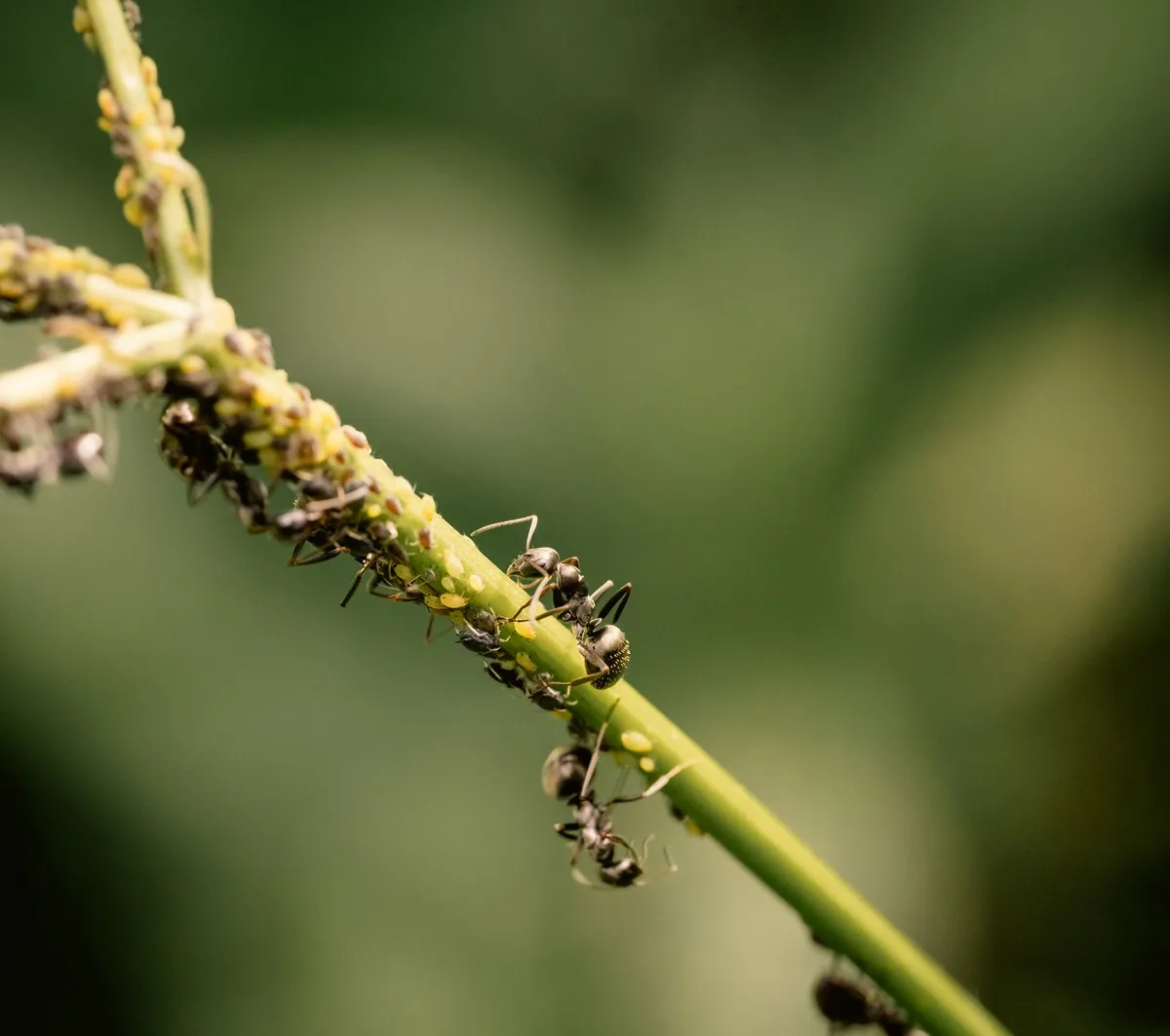
What to do: Often, a strong blast of water from the hose can dislodge them. You can also use insecticidal soap or neem oil. For severe infestations, this is where you'll want to consider a targeted treatment, ensuring you follow product instructions carefully.
- Spider Mites: These microscopic pests thrive in dry, dusty conditions. They create fine webbing and make leaves look stippled (tiny dots), eventually turning them yellow, then brown, and causing them to fall. Their presence can significantly weaken the plant.
What to do: Increase humidity around the plant by misting (though be careful not to promote fungal diseases, which we'll get to). Wash the plant with water using a strong spray. Insecticidal soap or horticultural oil can also be effective.
Fungal Fiascos: The Damp and Dingy
Roses can be prone to a few common fungal diseases, especially if conditions are wet or humid, promoting rapid spore spread. These diseases often appear as spots or powdery coatings on leaves, stems, and buds.
- Black Spot: This is super common. You'll see black spots on the leaves, often with yellow halos. The infected leaves will turn yellow and drop prematurely. It usually starts on the lower leaves and spreads upwards, severely impacting the plant's ability to photosynthesize.

What to do: Prune out any affected branches. Rake up and destroy any fallen leaves around the plant, don't compost them, as this can spread the fungal spores. Improve air circulation by ensuring the plant isn't overcrowded.
You might need to use a fungicide, especially if it gets bad. Look for products specifically for roses and follow the label directions.
- Powdery Mildew: This looks like a white, powdery coating on leaves, stems, and buds. While it doesn't always cause leaf drop directly, severe cases can weaken the plant and lead to leaf yellowing and falling. It thrives in specific humidity and temperature ranges.
What to do: Improve air circulation. Avoid overhead watering late in the day, as this can keep foliage damp overnight. Fungicides can help, but often improving growing conditions is key.
Natural Reasons: Fall Dormancy and Transplant Shock
Sometimes, your rose bush is just doing what comes naturally, or it's reacting to a major change. Understanding these healthy processes can save you from unnecessary worry and intervention.
- It's Just Autumn! If it's late fall or winter and your rose is dropping leaves, it might just be going dormant. Many types of roses naturally shed their leaves when it gets cold to conserve energy and survive freezing temperatures. This is a normal part of their life cycle and signals preparation for a rest period.
What to do: Enjoy the rest period! You don't need to do anything except make sure it's watered if it’s unusually dry, even in winter.
- Just Planted? If you've recently transplanted your rose bush, it's common for it to drop some leaves. It's just stressed from the move and trying to adjust to its new home and soil conditions. This leaf drop is a way for the plant to reduce water loss while its roots establish.
What to do: Keep it well watered (but not soggy) and be patient. It should bounce back with some TLC and proper watering. During this transition, it's important to monitor soil moisture closely.