
When scientists issue warnings about a foamy substance found on plants, it's natural to feel a pang of concern for your garden or any greenery you care about. This isn't just a bit of unsightly dew; this particular foamy material can signal the presence of pests that pose a real threat to plant health. Recent alerts highlight the importance of recognizing these signs early and understanding what they mean for local ecosystems and agriculture.
Aggregate research confirms that this foamy exudate is often linked to specific insect activity. While it might appear minor, its widespread presence can indicate an infestation that requires attention. Understanding the cause and potential impact is the first step in managing the situation.
Quick Answer
Scientists issue warnings over foamy substance found on plants because it often signals pest infestations. This foam is typically produced by spittlebugs, which can damage plants. Early detection and identification are key for plant health.
Reporting sightings can help manage potential outbreaks.
The Foamy Surprise: What Scientists Are Warning About
You might have encountered a frothy, bubbly layer clinging to plant stems, leaves, or even flower buds. It looks a bit like soap suds, but it’s entirely natural, albeit often an indicator of trouble. When scientific bodies or agricultural researchers issue warnings about this foamy substance, they're primarily concerned about its function as a protective casing for various insect nymphs.
This isn't just about aesthetics; it's a sign that a population of plant-feeding insects might be establishing itself.
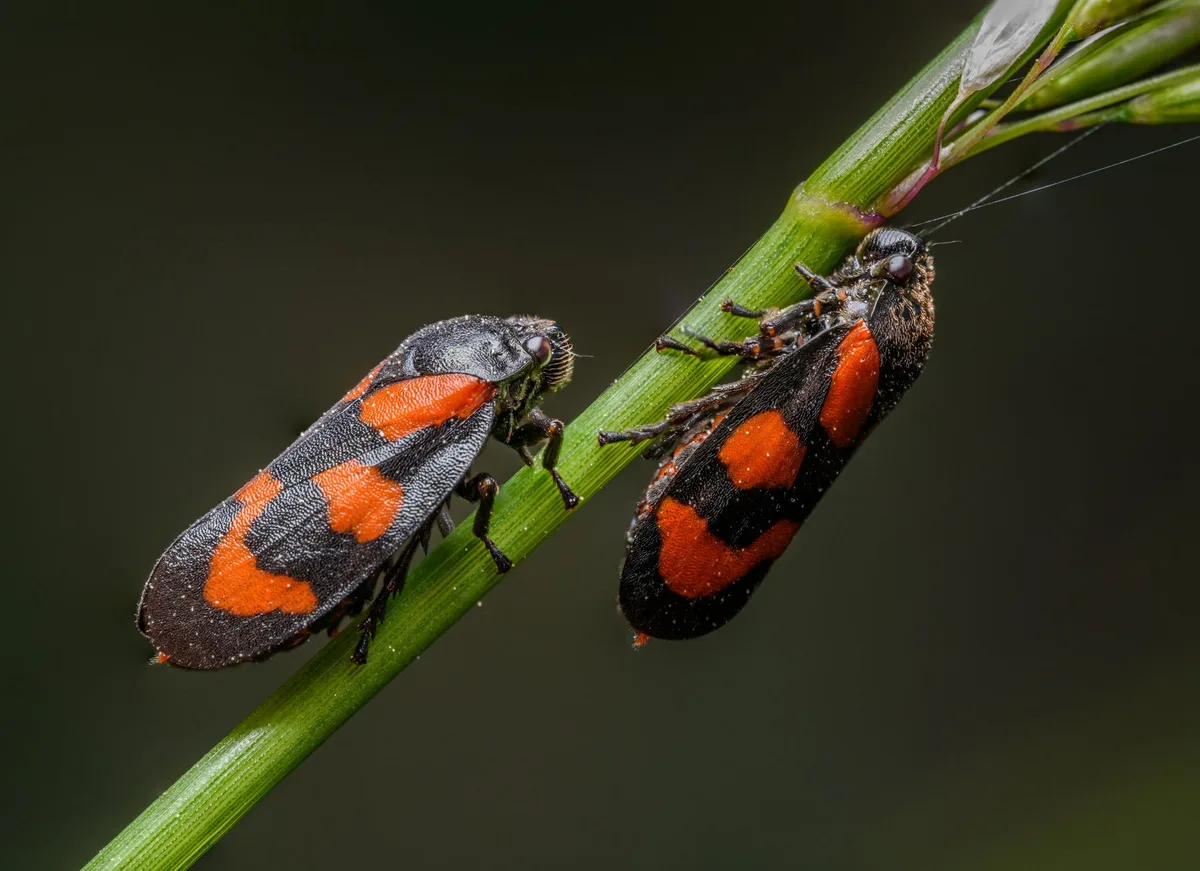
The seriousness of the warning often depends on the specific insect producing the foam and the context of its appearance. For instance, a new species establishing itself in an area, or a known pest appearing in unusually large numbers, can trigger alerts. These warnings are designed to make gardeners, farmers, and land managers vigilant and prepared.
Spittlebugs: The Usual Suspects Behind the Foam
The most common culprit behind that peculiar foamy substance on plants is the spittlebug. These small insects, belonging to the superfamily Cercopoidea, are found worldwide. They are characterized by their ability to produce a foamy secretion that encases their nymphs.
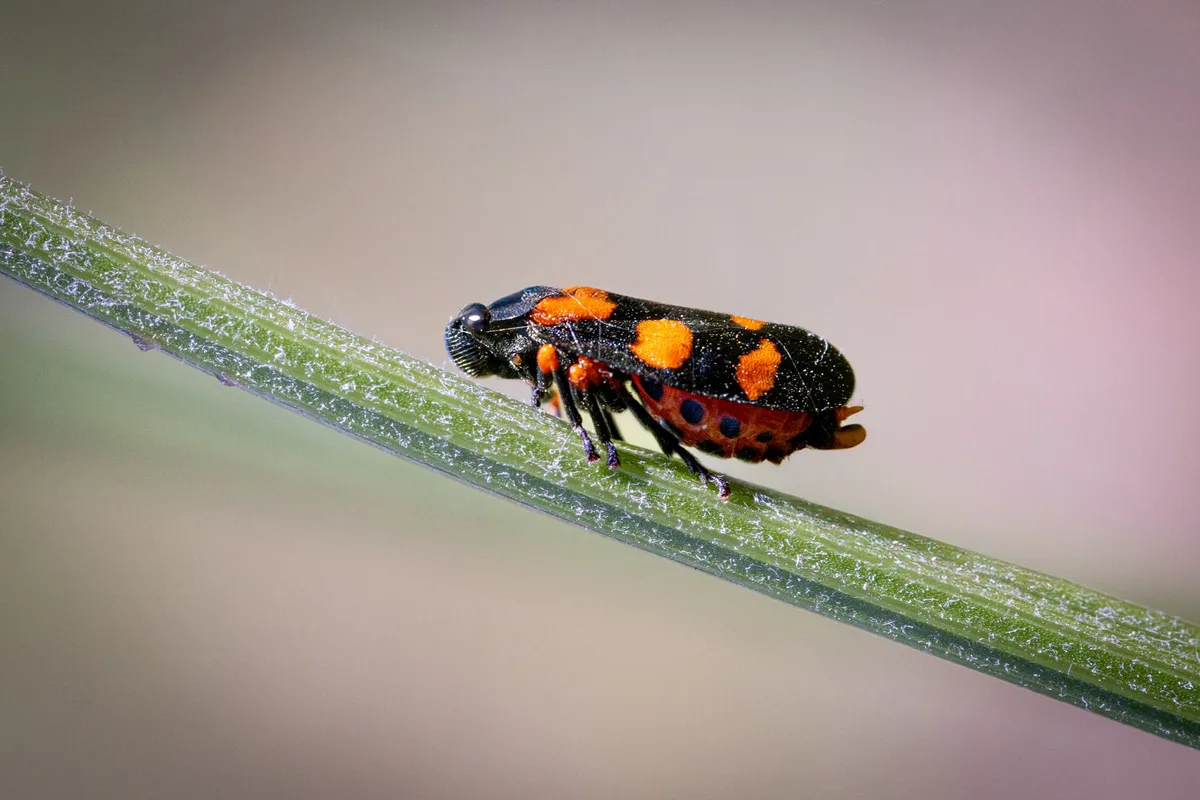
Spittlebug nymphs live within this foam, which they create by mixing a clear liquid they excrete with air. This frothy mass not only makes them visually inconspicuous against plant foliage but also serves vital protective functions for the young insects. Different species of spittlebug exist, and they can inhabit a wide variety of plants, from common garden flowers and vegetables to larger shrubs and trees.
Why This Foam Matters: Understanding the Risks
The foam itself isn't typically harmful to plants, but the insect producing it certainly can be. Spittlebug nymphs are sap-feeders. They insert their piercing-sucking mouthparts into plant tissues to extract nutrient-rich sap.
While a few spittlebugs are usually not a major concern for a large, healthy plant, a significant infestation can weaken it. This can manifest as stunted growth, yellowing leaves, or reduced flower and fruit production. For agricultural settings, widespread infestations can lead to substantial crop damage, impacting yields and quality.
This is why scientists monitor their populations and issue alerts when numbers become concerning.
The Spittlebug's Spit-Bubble Defense Explained
So, how exactly do these tiny bugs create their foamy homes? It's a fascinating survival mechanism. The spittlebug nymph breathes through spiracles, which are small openings on its body.
It also has specialized abdominal appendages that help in the process.
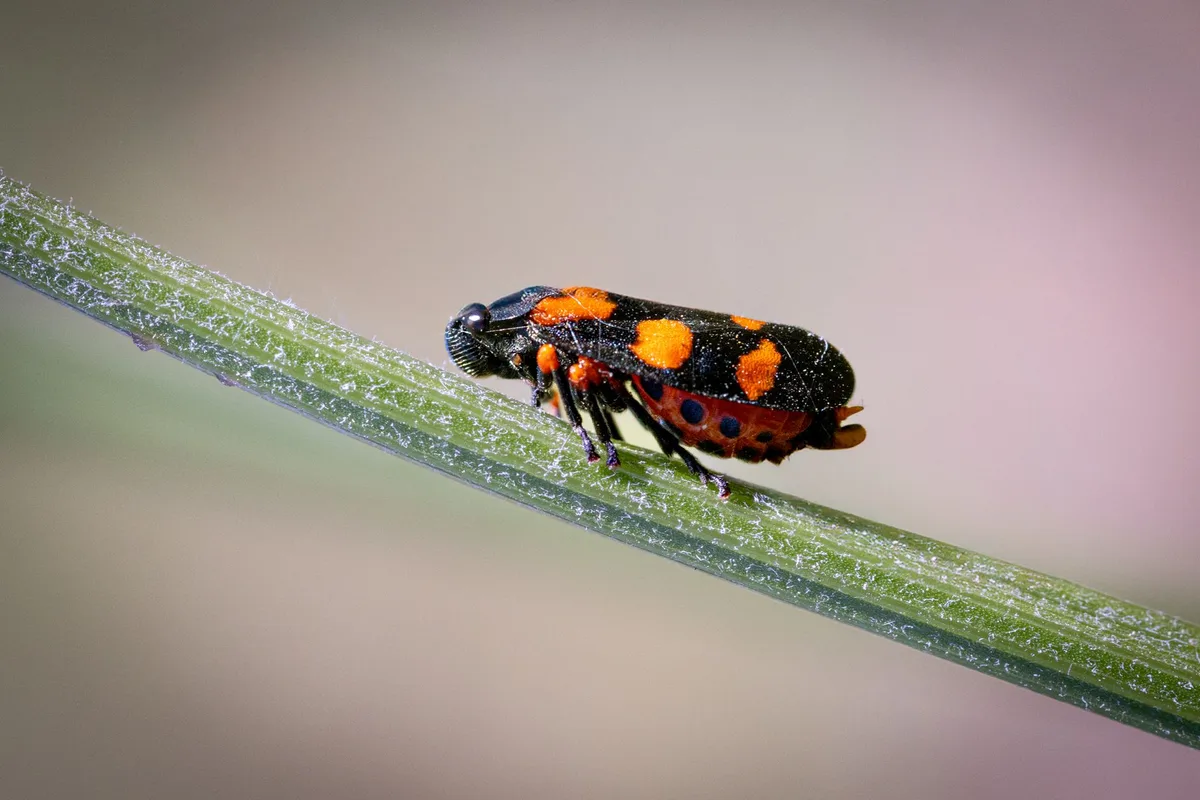
First, the nymph excretes a clear, watery fluid. Then, using its legs and body, it beats air into this fluid, creating a stable froth. This process continues until the nymph is enveloped in a protective bubble of foam.
This foamy layer serves multiple roles: it keeps the nymph moist by preventing water loss, shields it from predators like birds and ladybugs, and provides a degree of temperature regulation against harsh sun or unexpected chills. This ingenious defense allows the vulnerable nymph to feed and grow until it's ready to metamorphose into an adult.
When Warnings Are Issued: Identifying Potential Threats
Scientists typically issue warnings about foamy substances when they are linked to two main scenarios: the introduction of a new, invasive pest species that produces foam, or a rapid, potentially damaging increase in the population of a known local pest. For example, if a specific type of spittlebug known for its destructive feeding habits appears in a region where it wasn't present before, agricultural authorities will alert the public. This allows for early detection and containment efforts, which are far more effective than widespread eradication campaigns later on.
These official alerts often come with specific instructions on what to look for, where to report sightings, and what immediate steps, if any, individuals should take. They might reference specific plant species that are particularly vulnerable or mention the geographical areas where the pest has been detected. Knowing the difference between a benign occurrence and a potential threat is crucial for a timely and appropriate response.
Research from agricultural departments, such as that found on university extension websites, often details the specific pest species and their associated crop risks.