
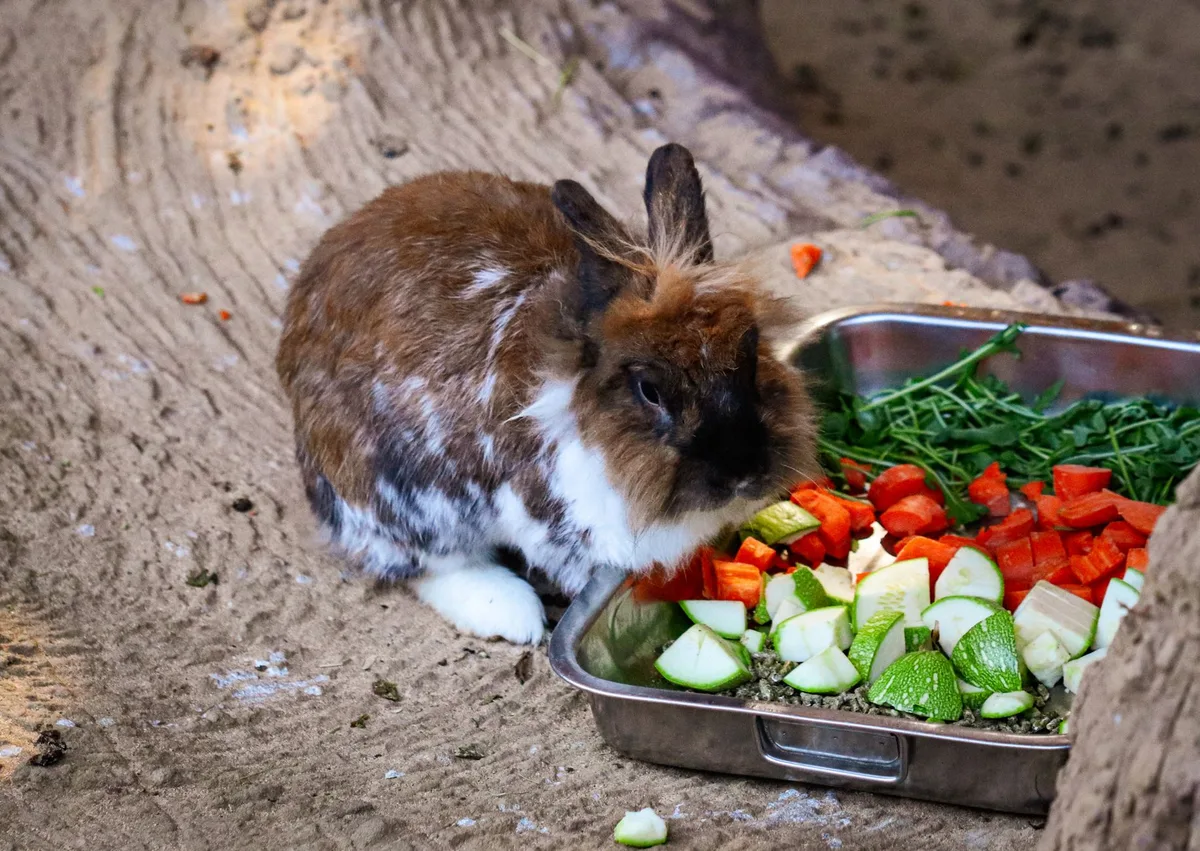
Ever find yourself staring at a zucchini plant, only to notice bite marks or entire portions missing? You're not alone! Figuring out what animals eat zucchini is a common puzzle for gardeners staring down a thriving harvest.
It turns out, your delicious squash is a tempting treat for a surprising variety of backyard visitors.
Understanding which creatures are eyeing your crops is the first step to protecting your bounty. From tiny insects to larger mammals, several species have a taste for zucchini, and knowing who’s visiting can help you manage your garden more effectively. As of 2026, recognizing these patterns is key to a successful harvest.
Quick Answer
Many animals eat zucchini, including rabbits, squirrels, deer, and groundhogs. Birds might peck at fruit for seeds, and various insects like squash bugs are common pests.
Why Visuals Are Key to Zucchini Eaters
When it comes to identifying garden visitors, especially those with a penchant for zucchini, a picture really is worth a thousand words. While we can list out the usual suspects, seeing the actual damage or the animal itself provides the most concrete evidence. Generic descriptions just don't capture the distinct way a rabbit might nibble versus how deer browse.
Visual cues help us differentiate between a light browsing and a full-blown infestation. For example, the size and pattern of chew marks can tell you whether a small rodent or a larger herbivore has been on the scene. It’s like being a garden detective, you're looking for clues left behind.
Spotting the Suspects: What Animal Damage Looks Like
Deciphering the signs of animal activity in your zucchini patch requires a keen eye. The type of damage can often point directly to the culprit, making your pest-identification process much smoother. Think of these as your primary clues in the garden.
- Clean, sharp bites: Often indicate rabbits or groundhogs. They tend to have strong incisors that leave distinct marks on leaves and stems.
- Ragged or torn edges: Usually a sign of larger animals like deer. They might pull and tear at foliage rather than taking precise bites.
- Stems or fruit completely severed: Larger animals or even heavy winds can cause this, but if it's consistent, consider larger grazers.
- Holes in leaves: Small, scattered holes might be from certain chewing insects, while larger holes could be from a larger animal taking a leaf or two.
- Wilting or chewed-off stems near the base: This is a strong indicator of groundhogs or rabbits getting to the plant's foundation.
These visual markers are what separate educated guesses from solid identifications.
Rabbits and Their Zucchini Habits
Rabbits are notorious garden visitors, and your zucchini plants are no exception to their selective browsing. These small herbivores are attracted to the tender greens and the young, developing fruits. If you’ve ever seen a rabbit in your yard, you know how adept they are at getting into garden beds.
Our research shows that when rabbit populations are high, they can inflict significant damage quickly. A rabbit might chew through the tender stems of young zucchini plants or take small, precise bites out of the fruit itself. They often prefer the leaves closest to the ground first, so check the lower parts of your plants.
If you notice clean, sharp teeth marks on leaves or stems, rabbits are a very likely suspect. They can also be problematic in areas where weeds are allowed to grow near gardens, as this offers them cover.
Squirrels: Opportunistic Nibblers of Zucchini
Squirrels are often seen as the busybodies of the backyard, and their diet is incredibly varied and opportunistic. While nuts and seeds are their staples, they aren't above sampling other available foods, including zucchini. You'll most likely see a squirrel investigating a zucchini that has fallen from the plant or is easily accessible on the ground.
They aren't typically known for completely decimating a zucchini plant in the way deer or groundhogs might. Instead, you might find evidence of them taking a few test nibbles out of the rind of a mature fruit. This looks less like a purposeful meal and more like curiosity.
Their bite marks tend to be smaller and less defined than those of rabbits. If you’ve got fallen fruit or zucchini that’s easily reachable by climbing, squirrels might be your frequent visitors.
Deer: The Big Garden Eaters and Zucchini
If you live in an area with a significant deer population, then deer are a prime suspect for any large-scale damage to your zucchini plants. Deer are herbivores with a broad appetite, and they consider many garden vegetables, including zucchini, to be quite palatable. They are especially fond of the tender leaves and young, rapidly growing fruits.

Deer often graze in the early morning and late evening, which can make them difficult to catch in the act. The damage they inflict is usually quite dramatic, you might find entire plants stripped bare, with very little left. Unlike smaller animals that might leave distinct chew marks, deer tend to pull and tear at foliage, resulting in ragged edges and broken stems.
They can consume large quantities of plants in a single night. If your zucchini plants look like they've been "pruned" heavily by a very enthusiastic gardener with no regard for aesthetics, deer are likely candidates. Their presence is also often indicated by larger hoof prints.
Groundhogs: Another Veggie Lover's Threat
Groundhogs, also known as woodchucks, are burrowing rodents with a hearty appetite for vegetables, and zucchini is definitely on their menu. They are significant herbivores, and a single groundhog can cause substantial damage to a garden. They typically target the leaves and stems, but they won't hesitate to munch on the zucchini fruit itself if it’s accessible.
The damage from groundhogs often resembles that of rabbits, but on a larger scale. You’ll see clean cuts and chewed portions of leaves and stems. They also tend to eat the plant down to the ground if given the chance.
One key indicator of a groundhog problem is the presence of their burrows, which are typically large holes found in the ground, often near garden areas or open fields. If you notice extensive damage coupled with these tell-tale burrows, you've likely found your zucchini culprit.
