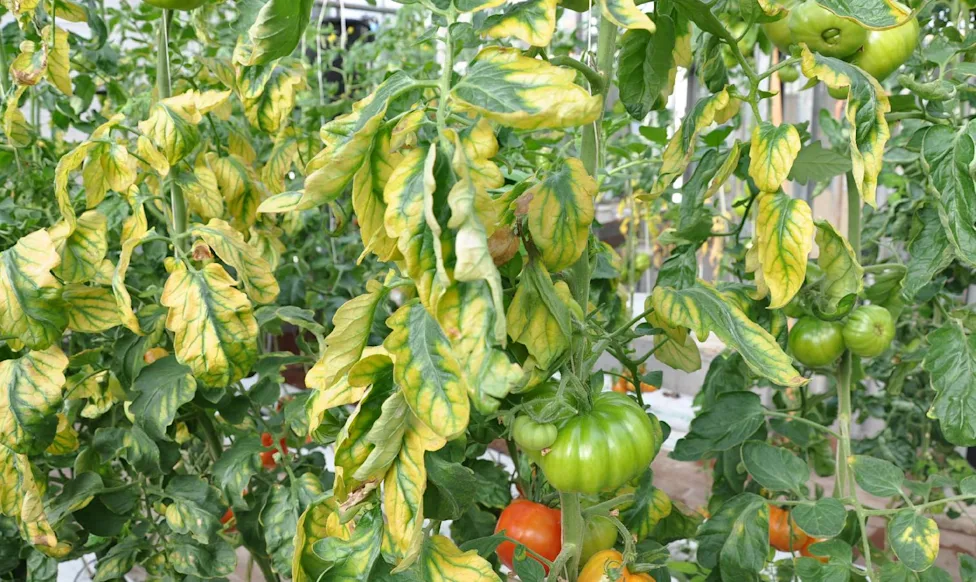
If you've ever watched an indoor tomato plant go from promising green to pitiful yellow, you know the frustration. The question "What are common problems with indoor vegetables?" comes up fast when your carefully tended seedlings start looking worse for wear. The good news is that most issues fall into a small handful of categories.
Once you know what to look for, you can fix them before they ruin your harvest.
University extension research shows that over 80 percent of indoor vegetable problems trace back to just four environmental factors. Light, water, nutrients, and air circulation. Get those right and you are most of the way there.
Let's walk through what actually goes wrong and how to fix it.
Quick Answer
The most common problems with indoor vegetables are insufficient light, overwatering, incorrect pH, and poor air circulation. These cause yellow leaves, leggy stems, root rot, and pest infestations. Fixing the environment first solves most issues.
Adjust light distance, check soil moisture before watering, and keep air moving.
The Real Problems You'll Actually See (And What They Mean)
Indoor vegetables don't fail quietly. They send signals. The trick is knowing which signal means what.
Yellowing lower leaves usually point to a nitrogen shortage or a watering issue. Curling leaves with crispy edges suggest the air is too dry or the plant is getting too much fertilizer. Purple stems often mean the plant is cold-stressed or struggling to absorb phosphorus.
Then there are the visual problems that look dramatic but are actually easy to fix. Blossom end rot on tomatoes looks like a dark, leathery patch on the bottom of the fruit. That's a calcium uptake problem, not a disease.
It happens when watering is inconsistent, not because your soil lacks calcium.
Leggy seedlings with long, thin stems and pale leaves are almost always a light problem. The plant is literally reaching for more photons. Move your light closer or increase the hours it stays on.
The key takeaway is simple. Look at the whole plant, not just one symptom. A yellow leaf can mean five different things.
But when you combine that with the leaf texture, the stem color, and the soil moisture, the picture gets clear.
Why Most Indoor Vegetables Fail (And It's Not Your Fault)
Here is something most beginner guides don't tell you. Growing vegetables indoors is fundamentally different from growing them outdoors. So if you are struggling, it is not because you have a black thumb.
It is because you are fighting a completely different set of conditions.
Outdoors, plants get unlimited light, natural air movement, and rain that flushes excess salts from the soil. Indoors, you have to create all of that artificially. And the margin for error is much smaller.
The biggest reason indoor vegetables fail is that people treat them like houseplants. Houseplants are adapted to low light and inconsistent watering. Vegetables are not.
A tomato plant needs about 10 times more light than a pothos. A pepper plant needs steady humidity and regular feeding. Treat them like a houseplant and they will slowly decline.
The second biggest reason is that people overcorrect. They see a yellow leaf and add fertilizer. Then they see leaf tip burn and stop watering.
The plant swings between extremes. The secret to indoor vegetables is consistency. Stable conditions produce healthy growth.
The Four Root Causes of Most Indoor Vegetable Problems
If you understand these four factors, you can diagnose almost any problem. They are the foundation of indoor vegetable growing.

Light: Too Little, Too Much, or Wrong Spectrum
Light is the most common issue. Indoor vegetables need a Daily Light Integral (DLI) of 10 to 14 mol/m²/day for leafy greens and 20 to 30 mol/m²/day for fruiting vegetables like tomatoes and peppers. Most windowsills deliver less than 5 mol/m²/day in winter.
The solution is supplemental lighting. Full-spectrum LED grow lights work well. Keep them 6 to 12 inches from the canopy for leafy greens and 12 to 18 inches for fruiting plants.
If you are using a budget-friendly setup, check out the performance of cheap grow tent kits to see what works.
Water: The Overwatering Trap vs. Underwatering Confusion
Overwatering is the number one killer of indoor vegetables. It suffocates the roots and creates the perfect environment for root rot. The fix is simple.
Stick your finger into the soil up to the second knuckle. If it feels dry, water. If it feels damp, wait.
Underwatering is less common but still happens. It causes wilting, leaf drop, and stunted growth. The key is consistency.
Water thoroughly until it drains from the bottom, then let the soil dry slightly before the next watering.
Nutrients: Deficiency, Burn, and pH Lockout
Indoor vegetables need regular feeding because they grow in a limited volume of soil. But too much fertilizer causes nutrient burn. The leaf tips turn brown and crispy.
The plant gets salty.
The real culprit is often pH. If your soil pH is outside the 6.0 to 6.5 range, your plant cannot absorb nutrients no matter how much you feed. Get a pH meter and test your runoff water.
That one tool solves more problems than any fertilizer.
Air and Environment: Temperature, Humidity, and Stagnation
Vegetables need airflow. Without it, you get mold, mildew, and weak stems. A small fan pointing at the plants for a few hours a day makes a huge difference.
It also helps with pollination for fruiting vegetables.
Temperature matters too. Most indoor vegetables grow best between 65°F and 80°F (18°C to 27°C). Avoid placing them near drafts, radiators, or air conditioning vents.
Sudden temperature swings stress the plant and reduce yield.
Quick Diagnosis: What Your Plant Is Telling You
When you spot a problem, use this quick reference to narrow down the cause. Match the symptom to the likely root cause, then check the environment.

Leaf Yellowing, Tip Burn, and Curling
| Symptom | Likely Cause | Quick Fix |
|---|---|---|
| Lower leaves yellow, veins stay green | Nitrogen deficiency | Add balanced fertilizer |
| Upper leaves yellow, veins green | Iron deficiency (high pH) | Lower pH to 6.0-6.5 |
| Leaf tips brown and crispy | Nutrient burn or low humidity | Flush soil, raise humidity |
| Leaves curl up at edges | Heat stress or low humidity | Move light away, mist plants |
| Leaves curl down | Overwatering or pests | Check soil moisture, inspect |
Leggy Growth and Stretching
If your seedlings look like they are reaching for something, they are. Move the light closer. The correct distance for most LED grow lights is 6 to 12 inches from the plant.
If you cannot lower the light, increase the duration to 16 to 18 hours per day.
Mold, Mildew, and Fungus Gnats
White powdery spots on leaves mean powdery mildew. It thrives in still air and high humidity. Increase airflow and reduce humidity to 50 percent or lower.
Fungus gnats are a sign of consistently wet soil. Let the top inch of soil dry between waterings.
Blossom Drop and Poor Fruit Set
When flowers drop off without producing fruit, the most common cause is temperature stress. Nighttime temperatures above 75°F or below 60°F prevent pollination. The second cause is lack of air movement.
Without wind or a fan, the flowers cannot self-pollinate properly.
Root Rot and Soil Issues
If your plant is wilting but the soil is wet, check the roots. Healthy roots are white or cream. Brown, mushy roots mean root rot.
Cut away the affected parts and repot in fresh, dry soil. Improve drainage by adding perlite or using a coarser potting mix.
How to Fix Problems Step by Step (Without Overcorrecting)
The biggest mistake indoor growers make is changing too many things at once. Fix one variable at a time. Wait three to five days.
Then check if the plant responds.

Step 1: Check Light First
Light is the most common problem. Measure the distance from your light to the canopy. For most full-spectrum LEDs, 6 to 12 inches is ideal for leafy greens.
Use a PPFD meter or a smartphone app to measure light intensity. Leafy greens need 150 to 250 µmol/m²/s. Fruiting vegetables need 300 to 500 µmol/m²/s.
If you are using a grow tent, pay attention to the size and light coverage. Our grow tent size guide covers the right dimensions for different setups.
Step 2: Test Your Watering Technique
Stick your finger into the soil. If it is dry at the second knuckle, water. If it is damp, wait.
Water until it drains from the bottom. Then empty the saucer so the plant is not sitting in water. This prevents root rot.
Step 3: Dial In pH and Nutrients
Test the pH of your runoff water. It should be between 6.0 and 6.5. If it is higher, add a pH adjuster.
If it is lower, flush with plain water. Use a balanced fertilizer at half strength every two weeks during the growing season. For more on organic soil amendments, check out the difference between organic soil amendments article.
Step 4: Improve Airflow and Humidity
Place a small fan near your plants. Set it on low and point it at the canopy. This strengthens stems and prevents mold.
Keep humidity between 50 and 60 percent for leafy greens and 40 to 50 percent for fruiting vegetables. A hygrometer costs less than 10 dollars and is worth every penny.
Step 5: Address Pests Early and Safely
Check the undersides of leaves every week. Spider mites look like tiny dots and leave fine webbing. Aphids are small, soft-bodied insects.
Use insecticidal soap or neem oil. Avoid harsh chemicals indoors. The EPA recommends using only indoor-safe pesticides.
Always follow the label instructions.
Common Mistakes That Kill Indoor Vegetables (Even When You Mean Well)
Even experienced growers slip up. Here are the most common mistakes and how to avoid them.

Mistake 1: Loving your plants too much. Overwatering is the top killer. Plants need oxygen around their roots. Waterlogged soil suffocates them.
Let the soil dry between waterings.
Mistake 2: Using garden soil indoors. Garden soil is too dense for containers. It compacts and holds too much water. Use a potting mix with perlite, vermiculite, or coco coir.
It drains better and allows roots to breathe.
Mistake 3: Starting with the wrong plants. Some vegetables are harder to grow indoors than others. Tomatoes and peppers are rewarding but demanding. Leafy greens like lettuce and spinach are much easier.
Start with those and work your way up.
Mistake 4: Ignoring the light distance. A grow light that is too far away delivers weak light. One that is too close burns the leaves. Measure the distance and adjust as the plant grows.
Mistake 5: Skipping ventilation. Stagnant air leads to mold, mildew, and weak plants. A small fan costs 20 dollars and prevents most of these problems. Our grow tent ventilation setup guide covers how to set up proper airflow.
Mistake 6: Overfeeding. More fertilizer is not better. It causes nutrient burn and salt buildup. Use half the recommended dose and see how the plant responds.
When to Toss the Plant and Start Over (Safety First)
Sometimes the best thing you can do is start fresh. If a plant has severe root rot, it is unlikely to recover. The rot spreads through the soil and can infect other plants.
Discard the plant, wash the pot with bleach, and start with new soil.
The same goes for severe pest infestations. If you see webs covering the plant or hundreds of aphids, it is faster to start over than to treat it. Remove the plant, clean the area, and inspect nearby plants.
If you are using a grow tent, pay attention to mold on the tent walls. This can release spores into the air. Clean the tent with a mild bleach solution before starting a new batch.
If you are considering building your own growing space, our guide on how to make a grow tent has tips for setting up a clean environment.
Expert Tips for Long-Term Success (Not Just Survival)
Once you have the basics down, these tips will take your indoor vegetable growing to the next level.
Rotate your crops. Growing the same vegetable in the same soil repeatedly depletes specific nutrients. Rotate between leafy greens, fruiting vegetables, and root vegetables. This keeps the soil balanced.
Use a timer for your lights. Plants need consistent day and night cycles. Set your grow light on a timer. 14 to 16 hours of light per day is ideal for most vegetables. This prevents the plant from getting confused and going into flower too early.
Monitor your environment daily. A quick check takes two minutes. Look at the leaves, feel the soil, check the temperature and humidity. Catching a problem early saves time and effort.
Flush the soil every month. Salts build up from fertilizer. Once a month, water with plain water until it drains freely. This prevents salt buildup and keeps the roots healthy.
Pollinate manually. Without bees, you need to do the job. For tomatoes, gently shake the plant or use a small electric toothbrush to vibrate the flowers. For peppers, use a soft brush to transfer pollen between flowers.
Frequently Asked Questions
How much light do indoor vegetables need each day?
Leafy greens need 14 to 16 hours of light per day. Fruiting vegetables like tomatoes and peppers need 16 to 18 hours. Use a timer to keep the schedule consistent.
Darkness is also important for plant health.
Can I use regular potting soil for indoor vegetables?
No. Regular potting soil is too dense for indoor containers. Use a potting mix designed for vegetables or containers.
It should contain perlite, vermiculite, or coco coir for drainage. Garden soil compacts and causes root rot.
Why are my indoor tomato plants not producing fruit?
The most common reasons are insufficient light, improper temperature, and lack of pollination. Tomatoes need 20 to 30 mol/m²/day of light. Nighttime temperatures should stay between 60°F and 75°F.
Shake the plants to help pollination.
How often should I water indoor vegetables?
There is no fixed schedule. Check the soil moisture by sticking your finger into the soil. Water when the top inch is dry.
This might be every two to three days in summer or every five to seven days in winter.
What is the best way to prevent pests indoors?
Inspect plants weekly, especially the undersides of leaves. Use sticky traps for fungus gnats. Keep the growing area clean.
Remove dead leaves and debris. Introduce beneficial insects like ladybugs for severe infestations.
Do I need a grow tent to grow vegetables indoors?
No, but it helps. A grow tent gives you control over light, temperature, and humidity. If you are just starting, a simple shelf with a grow light works.
For serious growers, a tent is worth the investment.
Final Decision Guide: A Simple Plan for Your Next Grow
Here is a straightforward plan to start your next indoor vegetable grow with confidence.
| Step | Action | Goal |
|---|---|---|
| 1 | Choose easy vegetables first | Lettuce, spinach, herbs |
| 2 | Get a full-spectrum LED grow light | 150+ µmol/m²/s at canopy |
| 3 | Use a light, well-draining potting mix | Prevents root rot |
| 4 | Set up a fan for airflow | Prevents mold, strengthens stems |
| 5 | Water based on soil moisture, not schedule | Prevents overwatering |
| 6 | Fertilize at half strength every two weeks | Steady growth without burn |
| 7 | Monitor pH and adjust if needed | Ensures nutrient uptake |
| 8 | Pollinate manually for fruiting vegetables | Ensures fruit set |
Start with leafy greens. They are forgiving and rewarding. Once you get the hang of it, move to tomatoes and peppers.
The same principles apply, just with a bit more patience.
Indoor vegetable growing is a skill. You will make mistakes. That is fine.
The goal is to learn from each one and get better. Most problems are fixable. And the ones that are not are a chance to start fresh.